
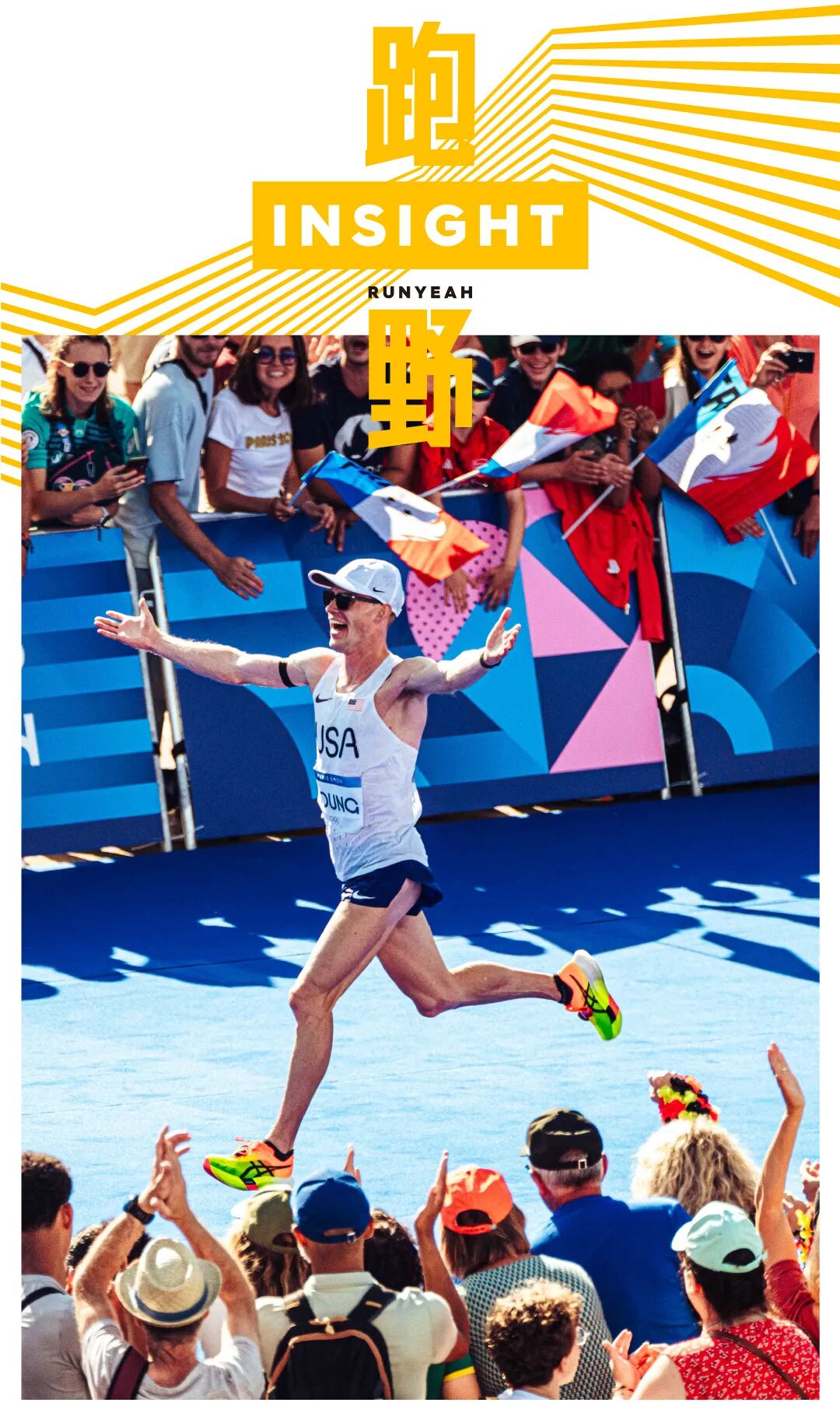
The United States is a sporting powerhouse; it has long led the world in total Olympic medals, but in terms of athlete support it contrasts sharply with most other sports powers —the U.S. government does not provide any Olympic prize money, nor a national retirement benefit system, and athletes mostly have to rely on sponsorships, endorsements and the limited resources of their sports associations to sustain their competitive careers.
Recently, U.S. financier and entrepreneur Ross Stevens announced a $100 million donation to the United States Olympic and Paralympic Foundation (USOPF), establishing 'Stevens Financial Security Awards' to create a systemic, long-term post-career security mechanism for all athletes who represent Team USA at the Olympics (including the Paralympics). It is also seen as an important step to fill the long-standing gap in athlete retirement safety nets within the U.S. system.
Previously, the U.S. only had a medal bonus system for the Olympic Games, and the funds were raised privately.
・Gold medal: $37,500 (approximately RMB 260,690)
・Silver: $22,500 (approx. RMB 156,414)
・Bronze: $15,000 (approx. RMB 104,276)
But this system is a one-time reward limited to medalists; for most athletes who do not make the podium it cannot provide long-term security, nor address the structural risk of income gaps after retirement.

U.S. skiing star Lindsey Vonn has said bluntly that even if the national team covers training and competition expenses, without stable endorsement deals athletes still struggle to build real financial security.
In international sports, many countries have long established various forms of post-career support systems for Olympic athletes:
・Russia: provides retirement allowances or pensions for Olympic athletes
・China: provides in-system retirement subsidy arrangements
・South Korea: since the 1970s has provided pensions by medal level, and winning a medal can exempt athletes from military service
・Australia: recently announced roughly $22,000 in retirement subsidy for athletes per Olympic Games
By contrast, the United States only, with this Stevens donation, for the first time established a systemic post-career support program for "all participating athletes," which also highlights its long-standing gap in the social safety net for athletes.
Unlike most countries, the United States Olympic & Paralympic Committee (USOPC), although a congressionally chartered organization, does not receive any federal government funding. In other words, the core body responsible for assembling and training national teams, sending teams to competitions, and supporting athletes must finance its operations entirely through its own fundraising.
USOPC's main sources of revenue include:Olympic broadcast rights revenue sharing, corporate sponsorships and partnerships, and charitable donations and fundraising.
As a result, in recent years the USOPC has actively sought institutional charitable resources to strengthen athlete post-career support. Stevens's $100 million donation was arranged proactively by the USOPC, aiming to establish a long-term support mechanism for athletes after retirement.
Whether or not they win a medal, each athlete will receive $200,000 (approximately RMB 1.39 million) in guaranteed support.
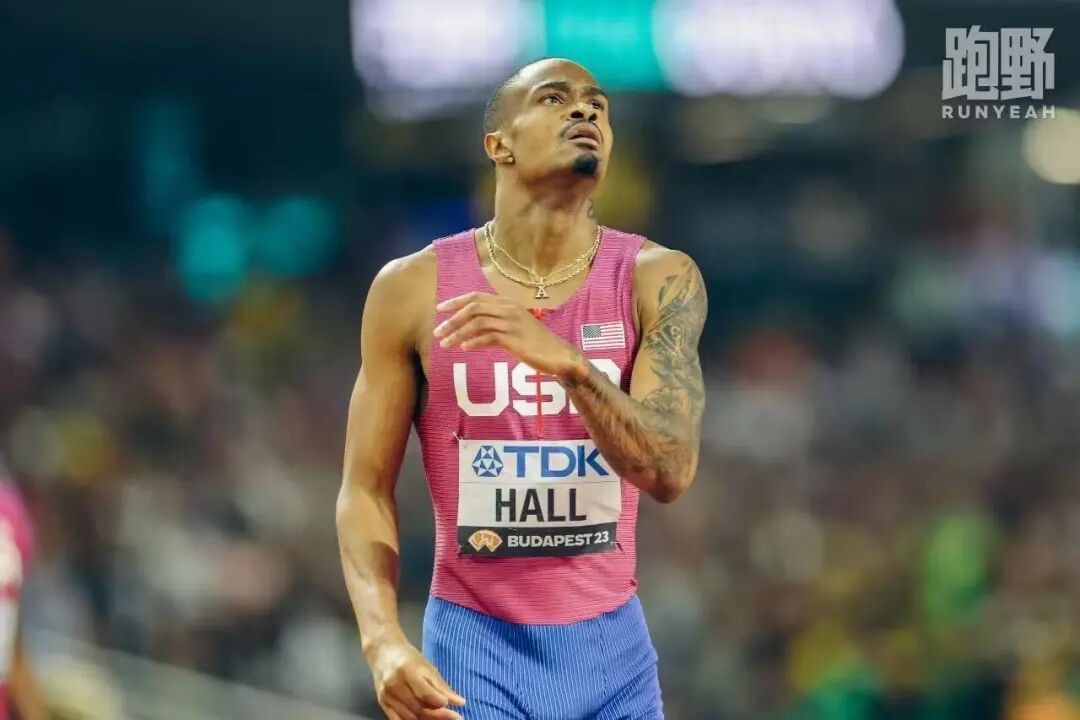
Under the plan, beginning with the 2026 Milan Winter Olympics, any athlete who is named to and actually competes for the U.S. Olympic or Paralympic team will receive a total of $200,000 in long-term security payments, completely regardless of competitive results. However, the benefit is not paid as a lump sum; it is divided into two stages.
The first $100,000 will be paid out over four years once an athlete reaches 20 years after their first qualifying Olympics or turns 45 (whichever is later), and can be used at their discretion.
The second $100,000 is guaranteed as a death benefit payable to the athlete’s family or designated beneficiaries.
Notably, the benefit is "stackable"—each time an athlete competes at the Olympics or Paralympics they can add another $200,000 to their guarantee. For example, the "Flying Fish" Michael Phelps, who competed in five Olympics, would theoretically receive $1,000,000 in retirement benefits if this system had been in place during his career.
Stevens said he wants to reward "the value of standing on the world stage itself," not just the few who stand on the podium.
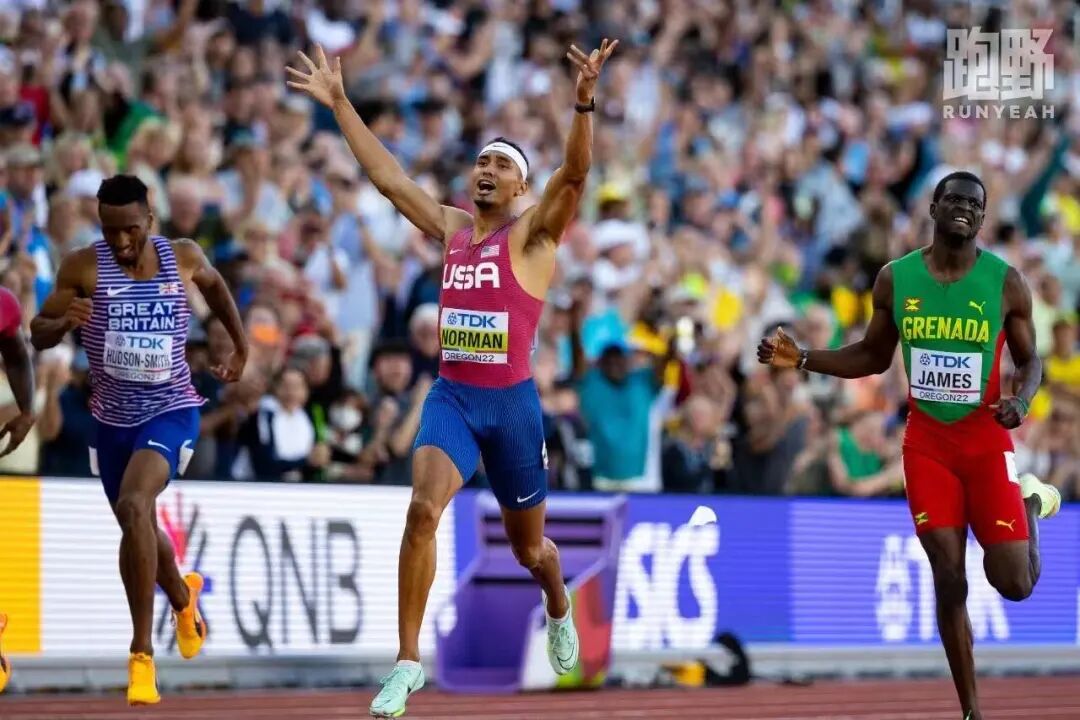
Of course, this is not just a subsidy; it can also affect whether athletes choose to compete in the next edition. According to U.S. sports statistics, about 60% of U.S. Olympic and Paralympic medals come from athletes who competed in at least the previous edition of the Games, showing that accumulated experience is highly correlated with competitive performance.
Under the new system, each additional Olympic appearance adds another long-term security benefit, and it is seen as an incentive that may encourage athletes to extend their careers and compete in multiple editions, indirectly strengthening the national team's competitive stability and the transfer of experience. This makes the payment not just a social welfare measure but also an effective policy tool for the competitive system.
After all that, who is it that's driving this policy? Ross Stevens — who is he?
First,Stevens himself is not from the sports world but is a prominent figure in finance and investment. He is the founder and executive chairman of NYDIG (institutional-grade bitcoin investment and technology services firm), and the founder and CEO of Stone Ridge Holdings Group.

Stevens' career has centered on retirement planning, long-term asset allocation, and risk management, which has made him particularly attuned to athletes' short careers, high risks, and the uncertainties of post-career transitions. Additionally, he is the founder of the Stevens Center for Innovation in Finance at the Wharton School, University of Pennsylvania, and serves as chair of its advisory board, with a long-term commitment to financial education and innovation research.
Is $200,000 enough? According to the data, the average annual income in the US is around $60,000, so the $200,000 paid out in installments is more of a safety net — athletes still need to have some financial management skills. Remember, even in the cash-rich NBA, it’s common for big-name players to declare bankruptcy after retirement.