
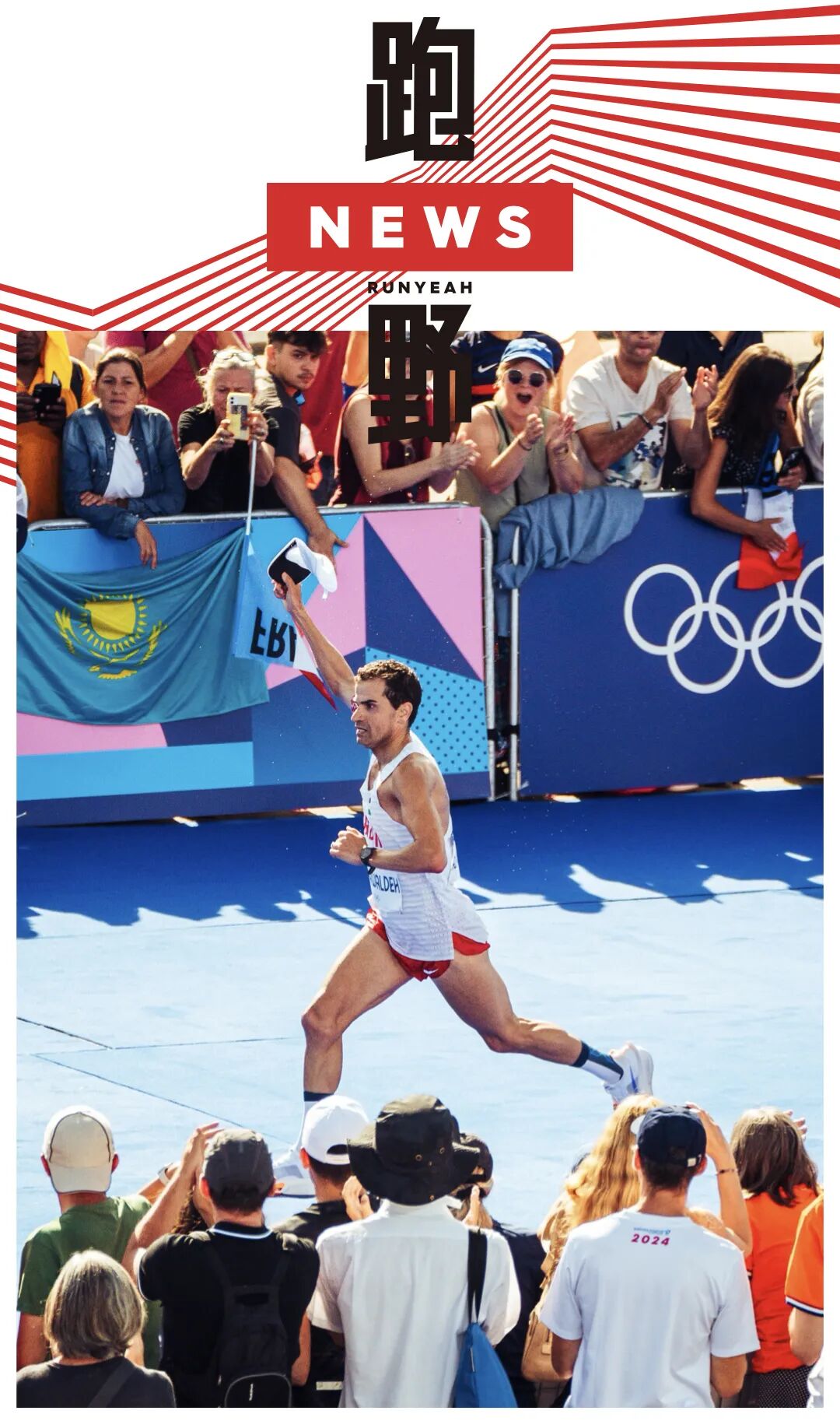
For a long time, many Olympic athletes who have never reached the podium,competing in low-income or niche disciplines, even when their national teams cover training and competition expenses, they still find it hard to secure basic financial support—especially after retirement. Thereforecalls for awarding cash bonuses to Olympic athletes have grown louder.
According to Xinhua News Agency: On June 24,the International Olympic Committee officiallyannounced it will establish an Olympicathlete stipend, providing a $10,000 stipend to each Olympic athlete. The policy will take effect starting with the 2026 Milan–Cortina Winter Olympics. This is the first time in Olympic history that a direct stipend will be given to all participating athletes.
The IOC has set aside a $140 million fund for each Olympic cycle,All registered Olympic athletes are eligible to apply (approximately 14,000 Olympic athletes per cycle are expected to be eligible to apply), but athletes from the Youth Olympic Games and the Paralympic Games are not currently included.
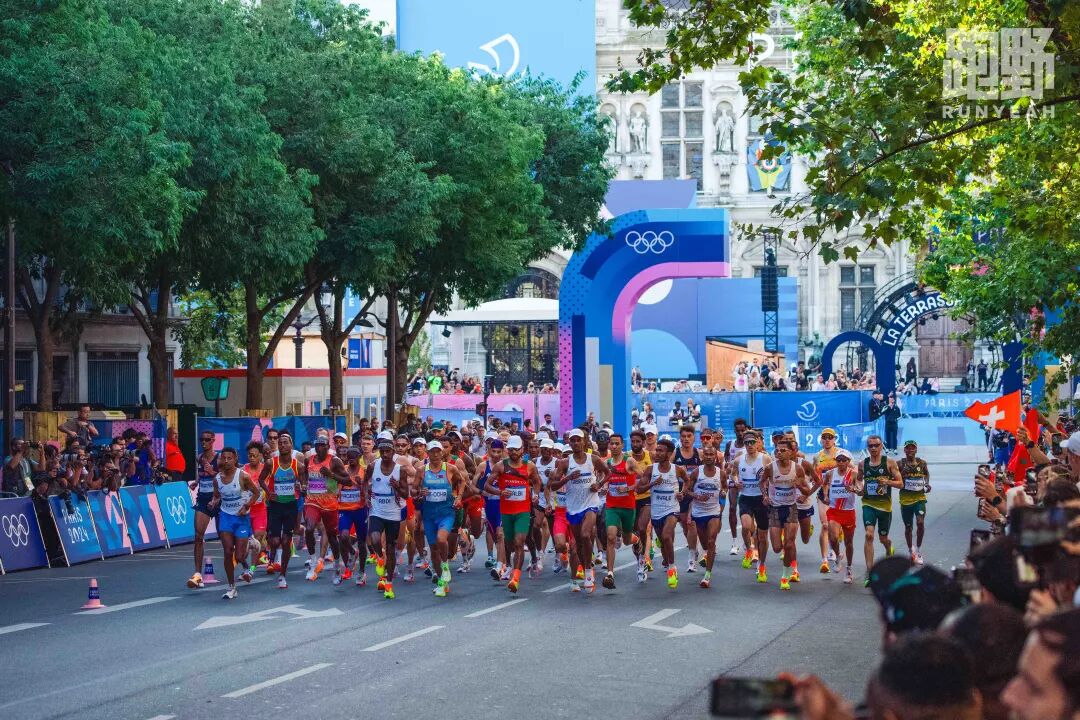
Applicants must meet the following criteria:
1. No record of doping violations
2. No violation of the IOC Code of Ethics
3. No violation of eligibility requirements or the Olympic Charter
Grants will be distributed through each National and Regional Olympic Committee. If an athletevoluntarily declines to apply, the corresponding allocation will remain in the fund to benefit future athletes.
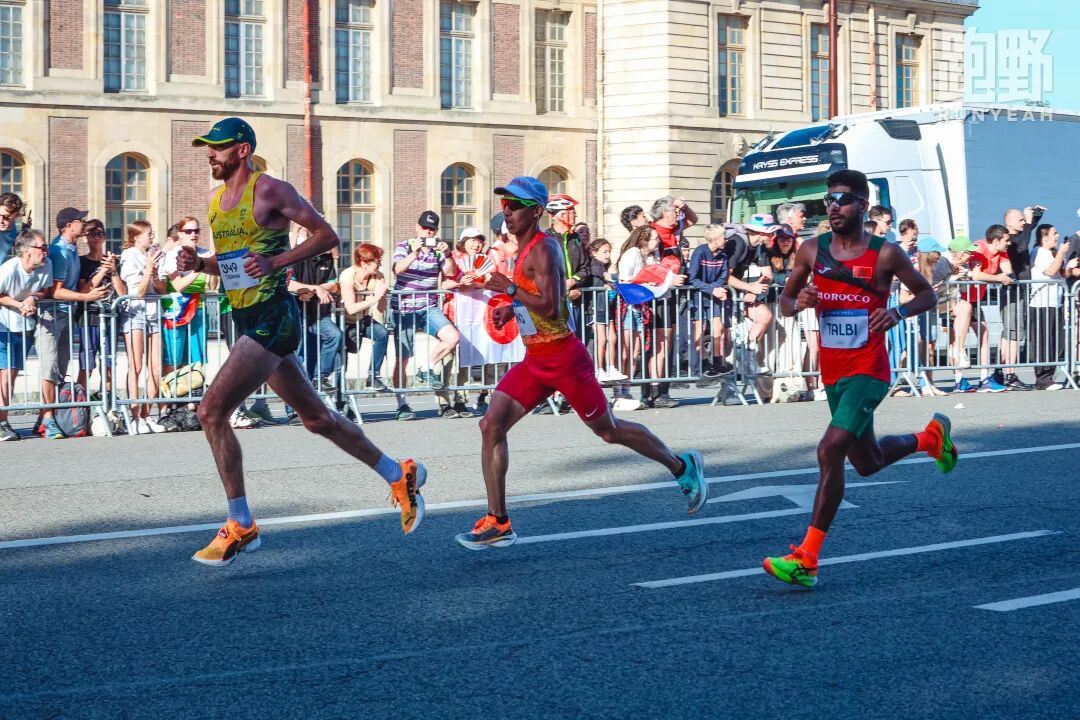
Chair of the IOC Athletes' Commission and Spanish Olympic basketball medalist Pau Gasol (Pau Gasol) said:"Every athlete's journey is unique, but every Olympian has made enormous sacrifices to stand on the Olympic stage. This is not an award, but a recognition of the experience of being an Olympian."
Pau Gasol also confirmed that NBA players are eligible to apply for the grant. "They have the right to decide how to use the funds, and we also hope to provide them with many options so they can use the money wisely and gain both satisfaction and benefit."
The IOC also made clear that this additional grant will not reduce existingfunding to National Olympic Committees, International Federations, Organizing Committees for the Olympic Games, and the Olympic Solidarity Fund.
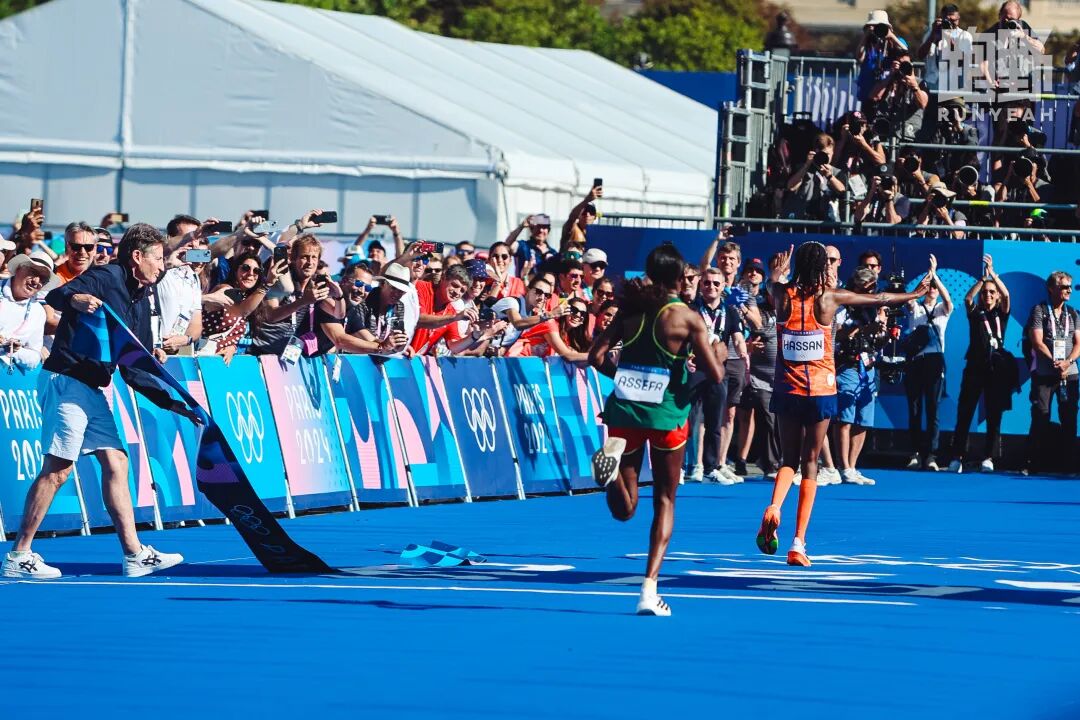
This is the first time the International Olympic Committee has distributed Olympic prize money, but it is not the first time for the IAAF/World Athletics.
As early as the 2024 Paris Olympics, World Athletics awarded each gold medalist $50,000, to be paid six months later, becoming the first international federation to offer Olympic prize money. This policy will also be extended to silver and bronze medalists at the 2028 Los Angeles Olympics.
In fact, many countries around the world have long established various forms of post-career support systems for Olympic athletes:
Russia provides retirement allowances or pensions for Olympic athletes; China also has in-system retirement subsidy arrangements; Australia provides athletes with a retirement grant of about US$22,000 per Olympiad;
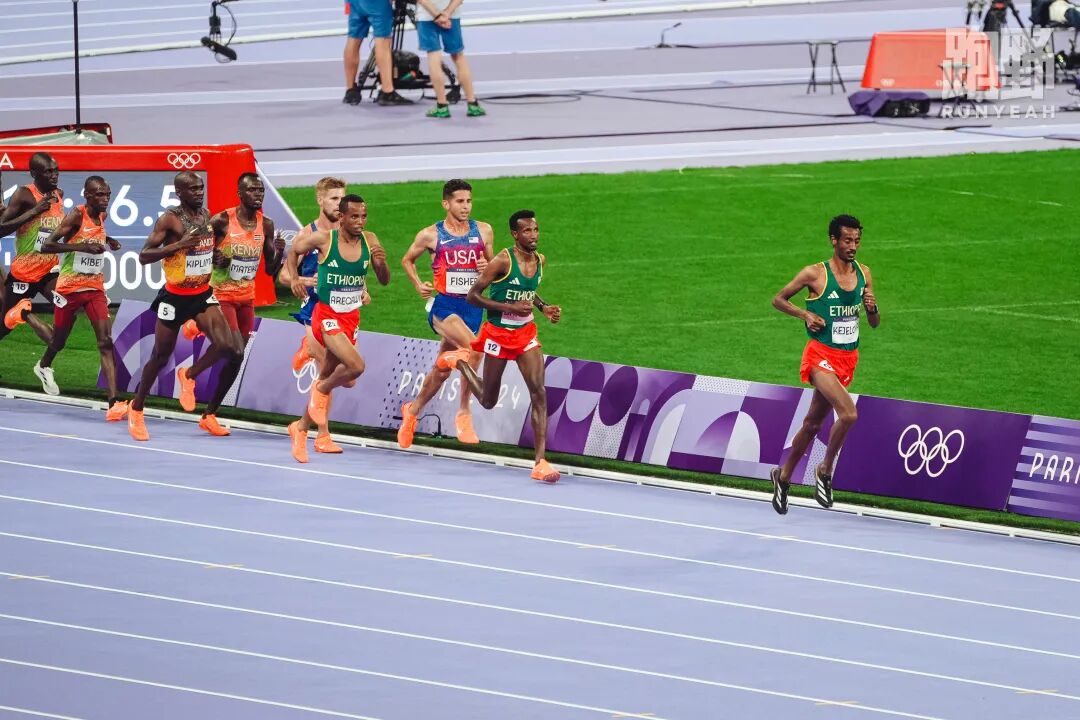
The United States offers Olympic medal bonuses (gold $37,500, silver $22,500, bronze $15,000), but only podium finishers are eligible for this benefit.
At the end of January this year, American entrepreneur Ross Stevens donated $100 million to provide $200,000 in support for every U.S. Olympian.
Although the stipends the IOC issued this time are not large sums, they improve the Olympic rewards system and broaden its coverage,serving as a bridge that, while respecting each country's systems, provides the most basic protection for all Olympic athletes.
Do you think we'll see more diverse forms of athlete protection mechanisms in the future? What do you think of the IOC's first-ever disbursement of stipends? Share your thoughts in the comments below.
Text:trail running / Editor:MP