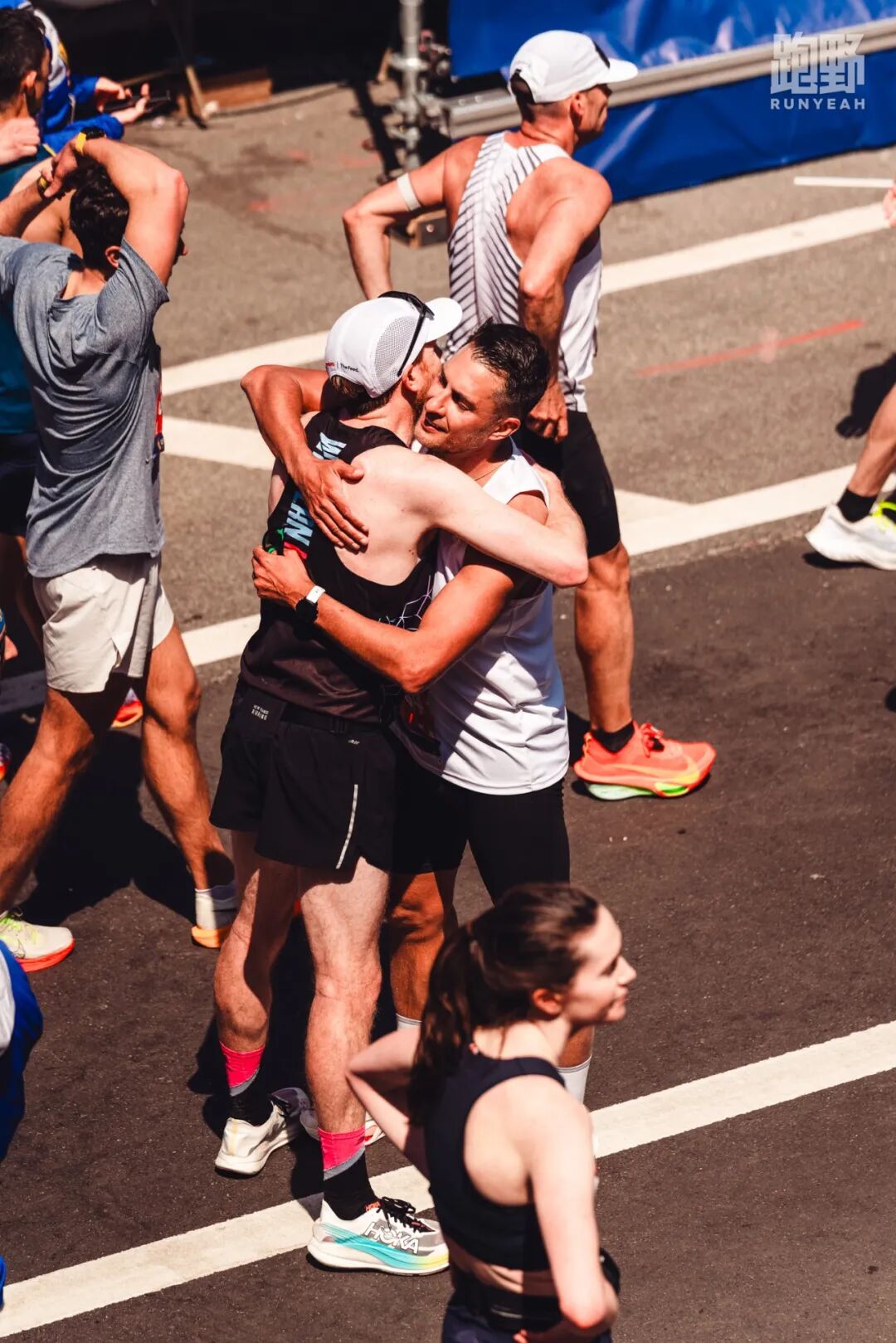
In the running world, we’re used to measuring a run’s value by pace (Pace), VO2 Max (VO2 Max), or PB (personal best). But as more runners lace up, the scientific community is beginning to focus on another, deeper value of running — it may be one of the most powerful brain modulators known to humans. Recently, well-known running media The Running Channel summarized 10 ways running can improve mental health. PaoYe combined the latest exercise neuroscience research and clinical data to give you an in-depth look at the science behind it. If you’re going through a low point in life or training, this piece might be the reason you tighten your laces and set off again. For a long time, the running community has perpetuated the myth of endorphins (Endorphins), believing this natural painkiller is the source of running’s pleasure. But recent neuroscience research, including studies from Johns Hopkins University (Johns Hopkins University), indicates that endorphin molecules are relatively large and struggle to cross the blood–brain barrier. The real behind-the-scenes hero is endogenous cannabinoids (Endocannabinoids). These are biochemicals produced naturally by the body that can easily cross the blood–brain barrier and act directly on receptors in the brain. When you engage in moderate-to-high intensity aerobic exercise, endocannabinoid levels in the body rise significantly, producing a mellow, slightly tipsy calm and euphoria — the true “Runner’s High” (Runner’s High). Even if you don’t reach that peak experience, the release of dopamine (Dopamine) and serotonin (Serotonin) can continue to lift your mood for hours after a run. This may be one of the most closely watched exercise medicine studies in recent years. A major study from Vrije Universiteit Amsterdam compared antidepressant medication (such as SSRIs) with “running therapy” for the treatment of depression and anxiety disorders. The results are startling:In terms of relieving psychological symptoms, 16 weeks of running therapy was almost as effective as medication (remission rate approx. 44%). But the two differed dramatically in physical side effects: the medication group often experienced weight gain and reduced heart rate variability, while the running group saw weight loss, lower blood pressure, and improved cardiorespiratory fitness. Note: while running is effective, adherence is difficult (it's hard to stick with). And for severe depression, running should be an adjunct rather than a replacement therapy. If you are on medication, follow your doctor's advice and do not stop your medication on your own. The stresses of modern life (work deadlines, mortgages, relationships) can keep the body in a state of elevated cortisol — a “chronic poison.” Running is, in fact, a form of “controlled stress” applied to the body. Through regular running training, especially easy runs, your body learns to handle cortisol more efficiently. Regular runners exhibit steadier heart rate and hormonal responses when facing non-exercise life stressors. This is not only a psychological “escape” but a physiological recalibration of the stress response system. In psychology there is a concept called “self-efficacy (Self-Efficacy),” meaning a person's belief in their ability to complete a task. Running is the most direct way to build this belief. When you don't feel like moving but still decide to get off the couch and go out for a 5 km run, the reward systems in your brain are activated. These small "I did what I said I'd do" victories accumulate, so when facing difficulties at work or in life you subconsciously think: "If I got through that 30-kilometer long run (LSD), what's this difficulty compared to that?" Marathon training doesn't just reshape your muscles; it reshapes your brain. When you experience "the wall" (The Wall), and your legs feel like lead but you still force yourself to take the next step, you're training the brain's anterior cingulate cortex — the area responsible for emotion regulation and willpower. Research shows that endurance athletes display greater mental toughness than the average person when facing pain and discomfort. This ability to stay focused and keep going under extreme fatigue is the most valuable gift running gives us to face life's adversities. Running can be a solitary practice or a collective celebration. Whether at a park Parkrun, or joining a local running club, the social aspect is crucial for mental health. Especially for male runners, studies find men are more inclined to build connection through “side-by-side” activities rather than face-to-face emotional conversation. In long runs, when pace is steady and breathing is in sync, people are often more willing to let their guard down and talk about life's troubles. This sense of belonging and the camaraderie of shared suffering (Shared Suffering) is a powerful shield against loneliness. Sleep is the cornerstone of psychological recovery. Running can significantly increase slow-wave sleep (Slow-Wave Sleep), what we commonly call deep sleep, which is the critical phase when the brain clears metabolic waste and repairs neurons. Tech tip: Although running aids sleep, pay attention to timing. High-intensity intervals (Intervals) activate the sympathetic nervous system and raise body temperature. It's recommended to finish high-intensity training at least three hours before bedtime, or use morning runs to adjust your circadian rhythm (Circadian Rhythm); morning sunlight combined with exercise can greatly improve nighttime sleep quality. Have you ever suddenly figured out a long-standing dilemma while running? It's not a coincidence. Aerobic exercise stimulates the brain to release brain-derived neurotrophic factor (BDNF). Scientists call this the "fertilizer for the brain"; it promotes neuronal growth and synaptic connections, especially in the hippocampus, which is responsible for memory and learning. This boost in neuroplasticity gives runners a short but noticeable improvement in focus, memory, and problem-solving after exercise. Can't come up with copy? Go for a 10 km run and try it. Although racking up miles on a treadmill can train your cardiovascular system, when it comes to mental health, outdoor running (Green Exercise) clearly wins. Environmental psychology research shows that being in natural environments (even an urban park), the visual stimulation of greenery and uncontrolled environmental variation can more effectively reduce rumination (Rumination) — that repetitive replaying of negative emotions. If possible, try to schedule your long-distance training outdoors and let nature share the load of your mental burden. In this age of "body anxiety" driven by social media, running teaches us to focus on what our bodies can do rather than how they look. When you realize these legs can carry you through a half marathon and your heart can tolerate 170 bpm, you'll develop a sense of pride based on ability. That confidence translates directly into higher self-esteem. The beauty of a runner isn't in an extremely low body fat percentage, but in the vitality that radiates from within. The flip side of the coin: beware overtraining and injury-related depression. Running is medicine, but dosage must be controlled. Overtraining syndrome (OTS): If you find yourself irritable, sleeping poorly, or even developing an aversion to running, it may be a sign of hormonal imbalance caused by excessive mileage. The psychology of injury: For many runners, injury is not just a physical halt; it also triggers strong feelings of loss and anxiety. This is a normal psychological reaction. During injury, focus on what you can do (such as strength training, swimming), and accept "rest is also part of training." Kenyan running legend Eliud Kipchoge once said: "I run tirelessly to keep my sanity." Running may not solve every problem in life — the mortgage doesn't disappear and work stress still exists. But after you finish a run and stand under the shower, you'll find that you have a stronger, calmer, clearer mind to face it all. Go for a run — for your health, and for that better version of yourself. (This article is for informational purposes only and does not constitute medical advice. If you are experiencing serious mental health issues, please seek help from a professional doctor or therapist.)