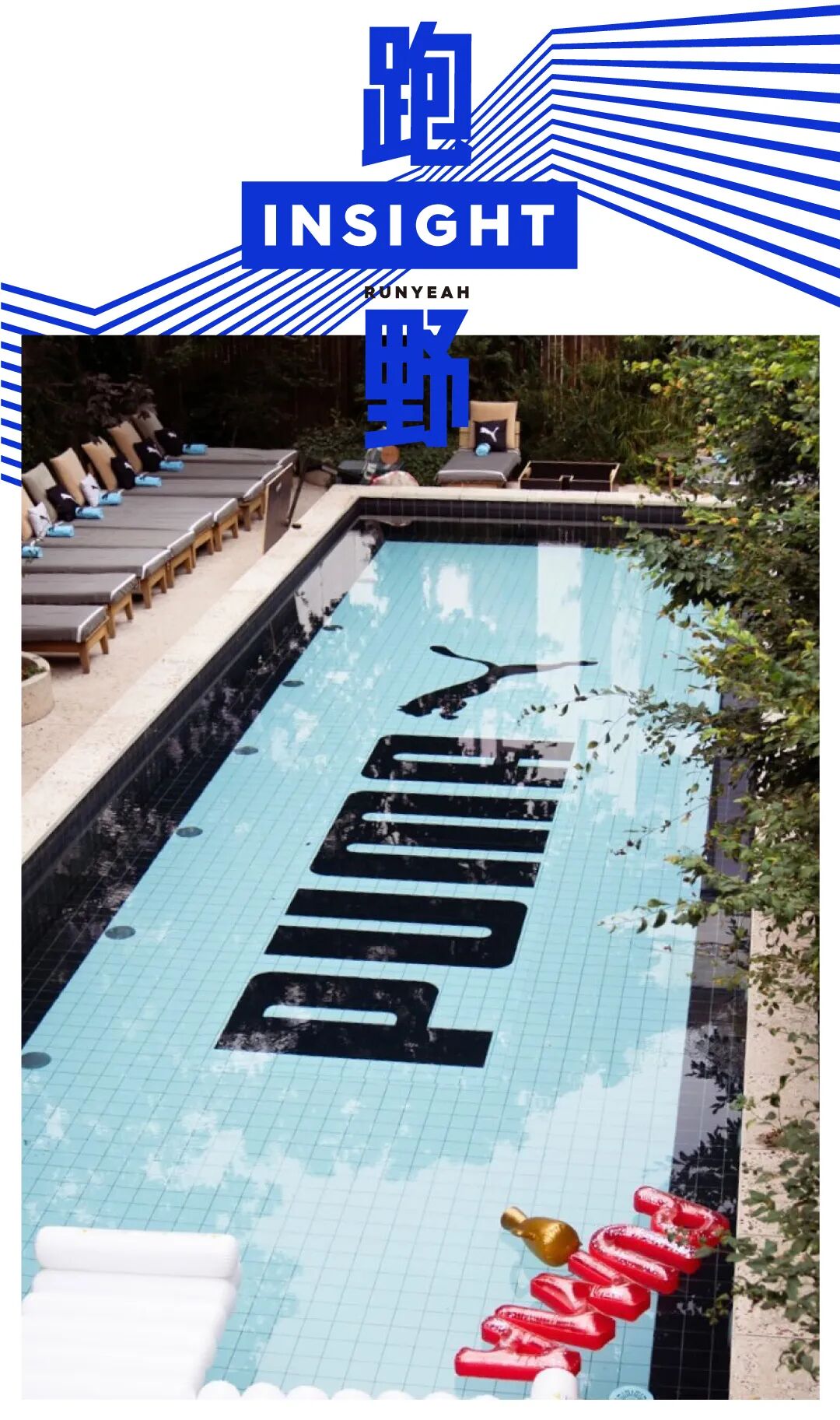
On January 27, 2026, the balance of power in the global sportswear industry tilted eastward. Anta Group (ANTA Sports) officially announced it has taken a stake in PUMA SE, acquiring 29.06% of the shares for €1.5 billion (approximately RMB 12.4 billion), becoming the single largest shareholder.
This was a textbook blitz in the business world — from rumor to completion in three weeks, Anta placed a decisive move on the board. The figure 29% is also quite meaningful; in Germany, 30% is a threshold — once that line is crossed, the acquirer must make a “mandatory takeover offer” to all other shareholders of the listed company, proposing to buy all the shares they hold. So Anta nowhas both passed the important 25% threshold (allowing it, as a major shareholder, to participate deeply in decision-making) and avoided the 30% mandatory full-takeover red line.
This was not just an equity transfer; it was a textbook case of commercial predation. While outsiders were still debating Anta's multi-brand matrix, the deal exposed a cold business truth:While its main brands were still struggling to shake the barriers of Nike and adidas, Anta chose to go straight into its rival's backyard and buy a ready-made “war machine”.
Undeniably, Anta, through acquiring Amer Sports, has come to dominate the vertical niche segments — Arc'teryx represents outdoor, Salomon secures the trail-running niche, and it also controls the China operations of Descente and Kolon.
But in the most central, most widely followed "main battlegrounds" of global sport:football, motorsport, and elite athletics, Anta's main brand (ANTA) still faces an almost insurmountable cultural barrier.
In the eyes of global consumers, Anta stands for exceptional efficiency and manufacturing prowess, but it lacks Nike's ability to "redefine sport" and doesn't have adidas's century-spanning football DNA. Accumulating that kind of brand momentum takes a very long time, and Anta's globalization drive clearly can't afford to wait.
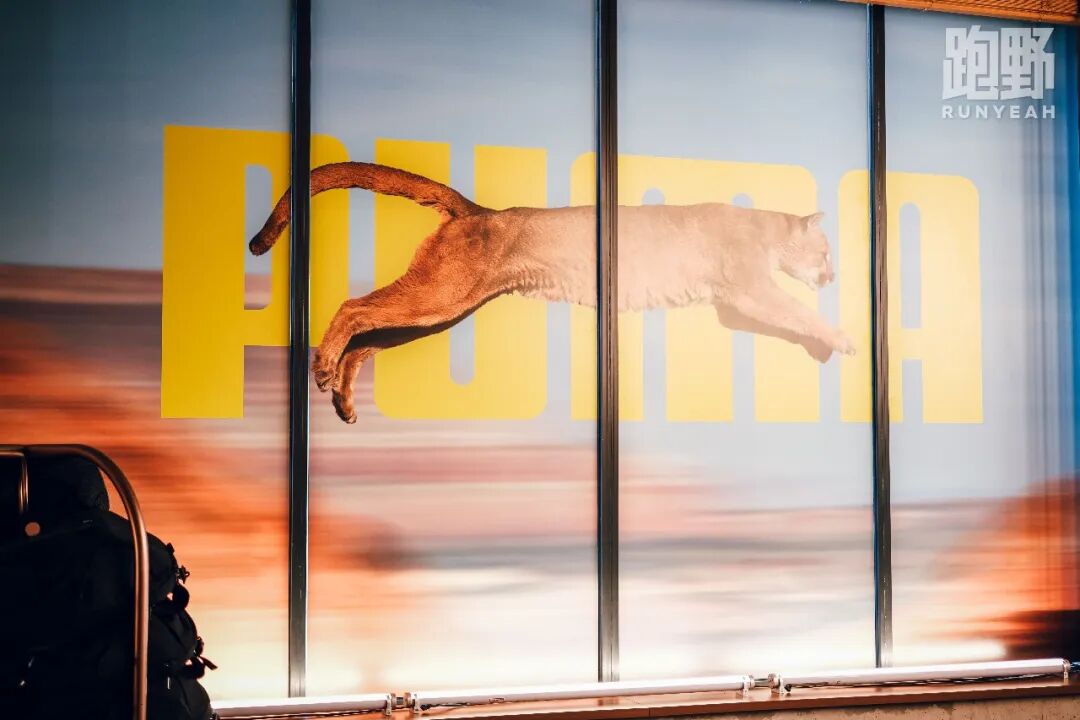
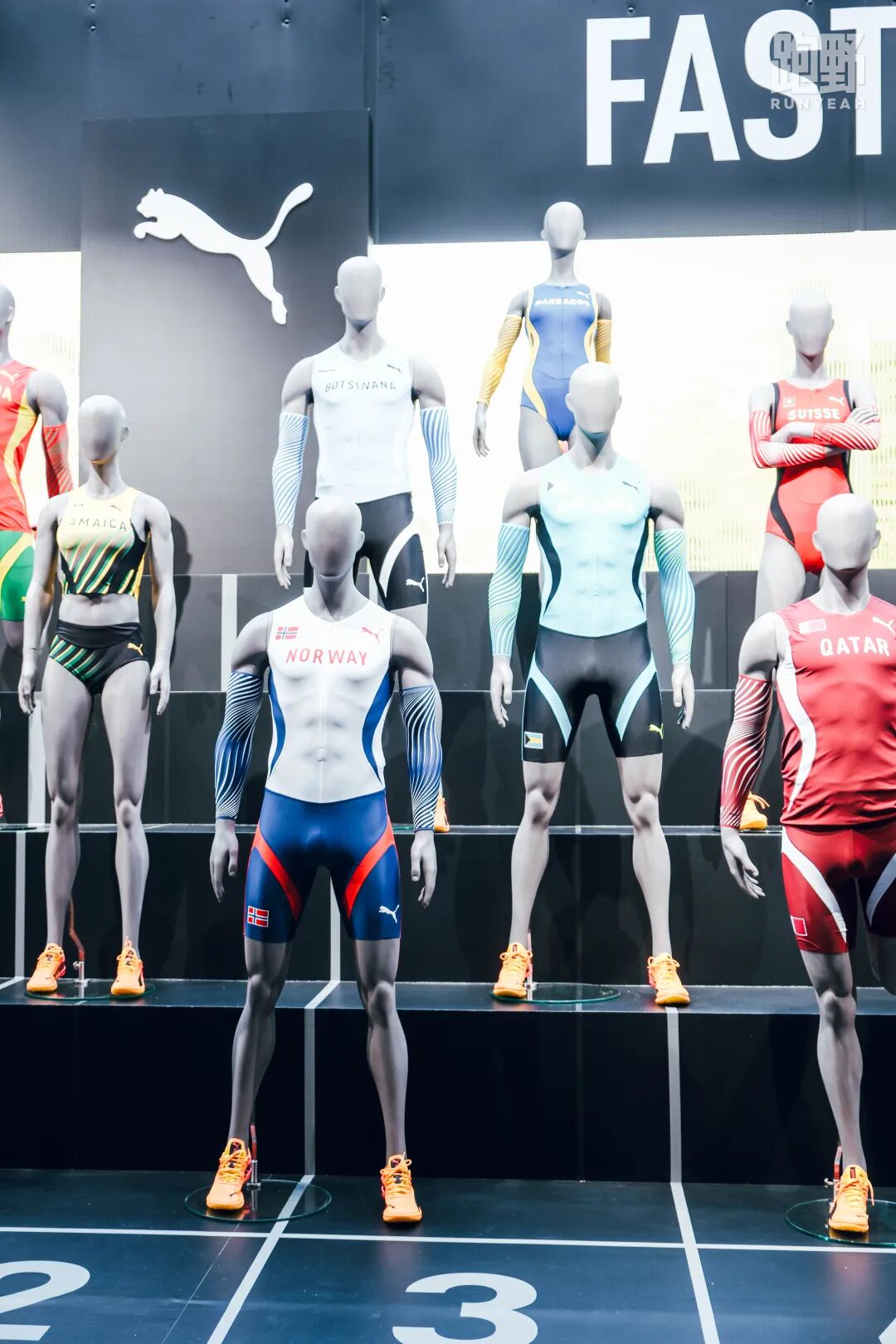
Acquiring a stake in Puma was Anta’s “shortcut” to gaining influence on the world’s mainstream competitive stage. Puma holds the top-tier global assets Anta has long coveted: from legendary marks in athletics history, to dominance on the F1 circuit, to the locker rooms of Europe’s football powerhouses. With this “lion” in its stable, Anta finally secured the ticket to go head-to-head with Nike and adidas on elite competitive stages, filling the gap at the pinnacle of global mass-market sports.
This deal was struck not out of warm strategic cooperation, but because of ruthless capital maneuvering.
The big seller behind it — the Pinault family (Groupe Artémis) — is undergoing severe financial pain in 2025. With fluctuations in luxury spending and adjustments to the family's overall debt structure, its debt-repayment window is approaching the red line. At the same time, although Puma has deep brand heritage, recent months' performance volatility has left it in an undervalued "vacuum" in the capital markets.
In top-tier corporate battles, the best price always appears when your opponent is at their most vulnerable. Sluggish results combined with debt pressure have stripped Puma of any ability to command a premium at the negotiating table. Looking globally, the only buyer who can quickly come up with €1.5 billion in cash right now and has mature multi-brand operational management experience is Anta. If they waited until after the World Cup to make a move, it might not come at this price.
This reflects Anta’s strong financial discipline and strategic decisiveness: using a solid balance sheet as a cash pool to execute a textbook, precision “counter‑cyclical asset grab” at the moment when its rival was weakest. Note: “All funds for this equity acquisition came entirely from Anta Group’s internal cash reserves.”

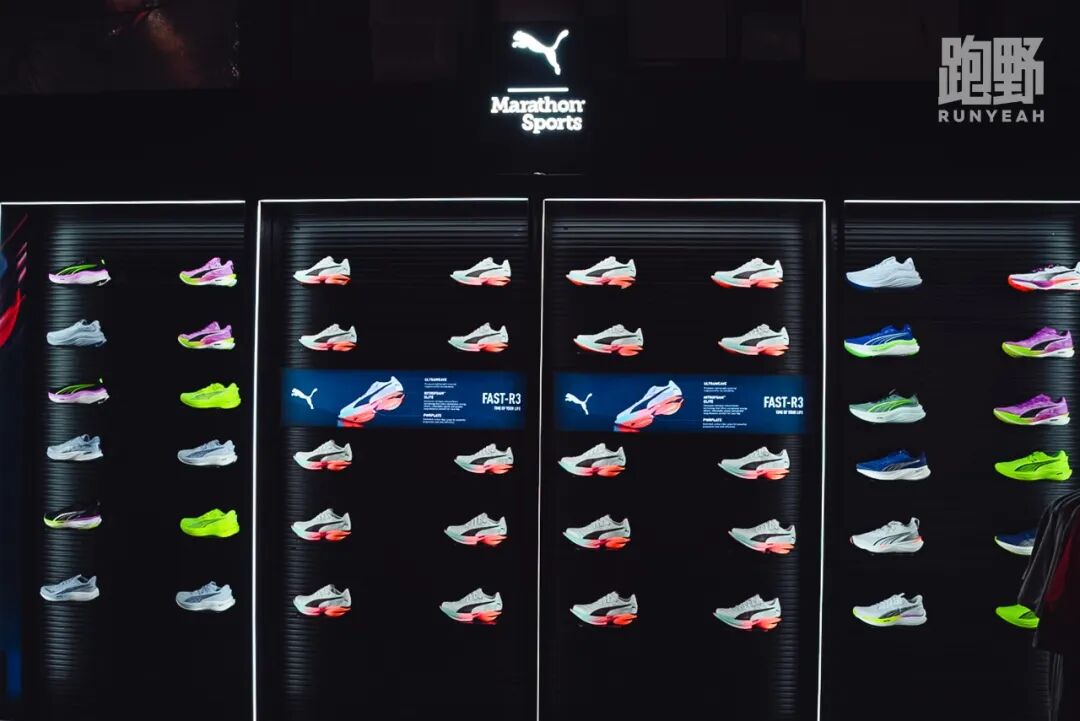
Deep R&D synergies: Anta's high-frequency iterations in materials science, combined with Puma's deep professional sports R&D heritage (such as the NITRO series), once there is cross-licensing of technology, would generate a powerful scale effect.
Crossing global channels: PUMA's deep roots in Europe, Latin America, and Africa will serve as a ready-made runway for ANTA Group to further penetrate global markets.
Industry impact: The €1.5 billion consideration bought more than just shares; it was a violent dismantling of the "dual-super" landscape.
Anta Group chairman Ding Shizhong has characterized the strategy as "single focus, multiple brands, globalization." Taking a stake in Puma is the heaviest move that strategy has delivered in 2026 and in the years ahead.
While the Pinault family fretted over debt, Anta had its eye on the chain around the cheetah’s neck. This "Red and the Lion" alliance marks the global sportswear industry’s official entry into a true era of three-way dominance. From today on, that leaping puma will be backed by an ambitious global sports empire.