

In the recently concluded 2025 season, World Athletics delivered a staggering set of results. According to the latest data disclosed by Inside The Games and several other authoritative media outlets, World Athletics achieved a "record-breaking financial windfall" that year.
This is reflected not only in the headline revenue figures but also in the powerful economic pull that its top events exert on the global economy. Reportedly, just three major events held in 2025 — the Nanjing World Indoor Championships, the Guangzhou World Relays, and the Tokyo World Outdoor Championships — together generated as much as US$586 million (about RMB 4.2 billion) in economic impact.
Behind this run of strong figures are World Athletics president Sebastian Coe's sweeping commercialization reforms and the sport's robust recovery in the post-Paris Olympics era.
To understand the surge in 2025, you first need to study the fiscal 2024 annual report released earlier; it is the cornerstone of World Athletics' current economic takeoff.

According to World Athletics' 2024 financial report, published on the eve of the Tokyo World Championships, the organization’s total annual revenue reached a staggering $99.4 million. That sharp increase was mainly due to the successful staging of the Paris Olympics — the International Olympic Committee (IOC) allocated about $39.6 million in Olympic distributions to athletics.
But what excites the market even more is the growth in “non‑Olympic revenue.” After stripping out the Olympic distribution — that large cyclical payment — World Athletics’ core commercial revenue still reached $59.8 million,a year‑on‑year increase of 10.5%. This indicates that the sport’s ability to generate its own revenue is moving away from relying solely on the Olympics.
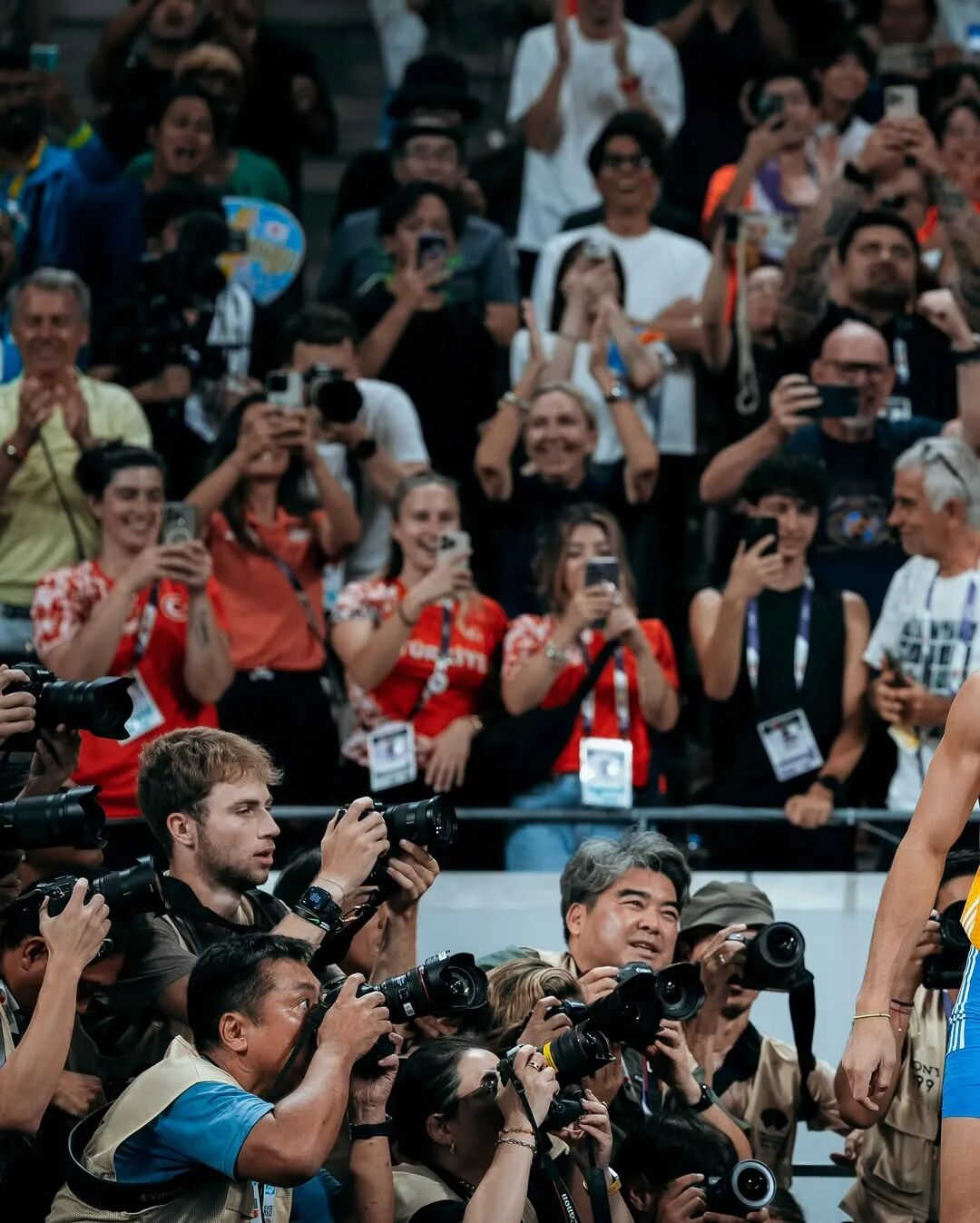

2025 is being seen as athletics' "Asian year." From Nanjing's indoor arenas to the relay extravaganza in Guangzhou, and culminating in a showdown at Tokyo's National Stadium, World Athletics has deftly laid out a "super tour" that spans East Asia.
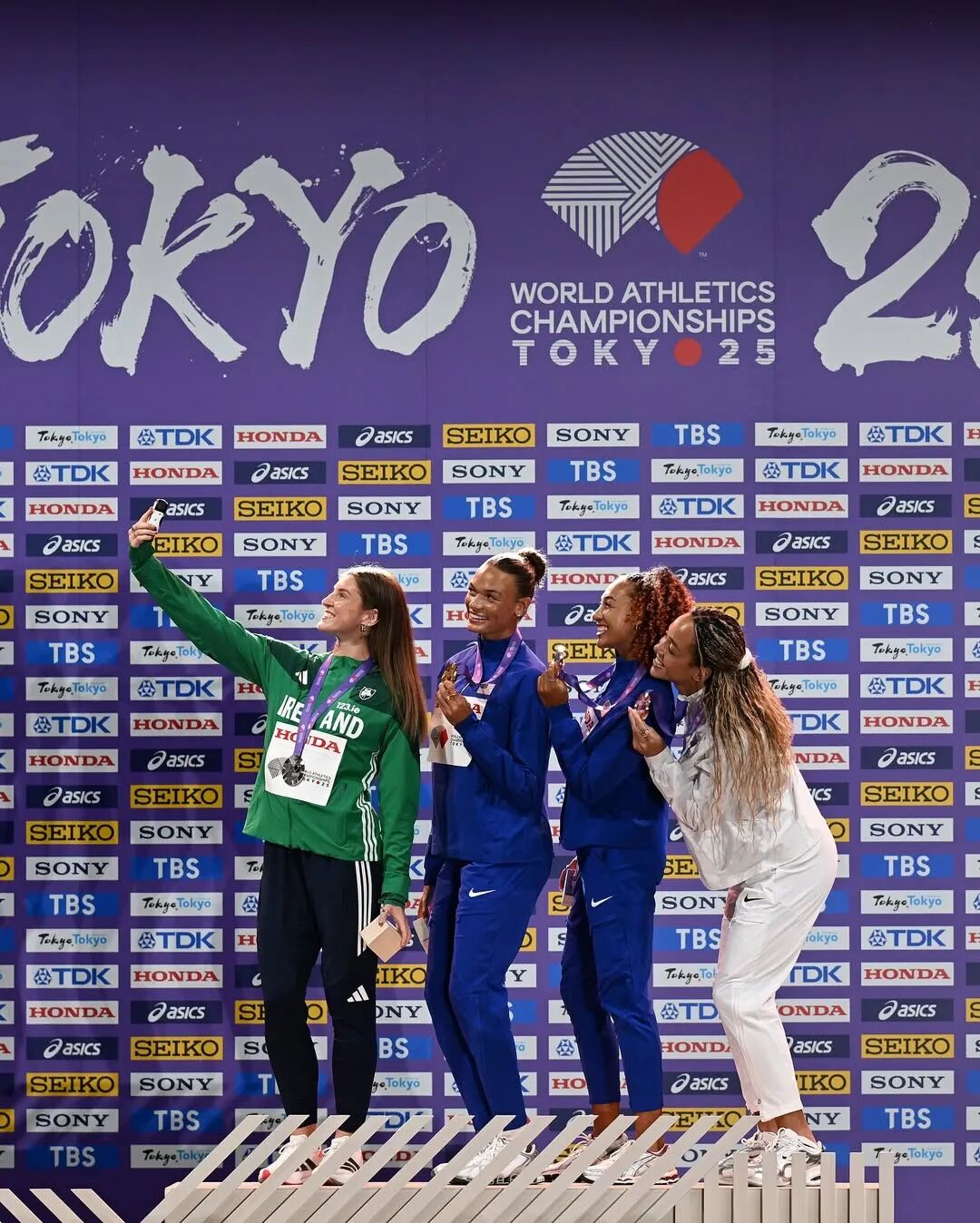
Official data show that these three top events generated 1.4 billion hours of television viewing time worldwide, covering 234 countries and regions. This staggering audience directly translates into real economic returns. Sebastian Coe proudly said in an interview: "On average, our events deliver a return on investment of 1:4, but on top stages like the World Championships in Tokyo, that ratio even reaches 1:5."
This figure not only left the host city beaming, but also demonstrates the tremendous value of athletics events as a 'calling card' for city marketing.

Beyond filling its coffers, World Athletics is undergoing a revolutionary change in how it spends money.
The most striking move came at the 2024 Paris Olympics, when World Athletics broke a century-old tradition to become the first international single-sport federation to award prize money — $50,000 — to Olympic gold medalists. This unorthodox decision drew the displeasure of the International Olympic Committee, but it was met with a groundswell of applause from athletes.
By 2025, this "money offensive" had not stopped; it had only intensified:
Ultimate Championship(终极冠军赛): World Athletics has announced it will launch this new event in Budapest in 2026, with a total prize pool of $10 million, aiming to create the "Super Bowl" of athletics.

Prize money increases across the board: From the Diamond League to the World Championships, prize purses at every level have risen significantly, directly benefiting the core group of athletes.
The shift in strategy is very clear,to fund star athletes with commercial revenue, and then use the stars' performances to attract even more commercial income. This is an attempt to create a closed loop that pushes athletics from an 'amateur ethos' toward 'highly professional' status.

Despite the rosy outlook, industry experts remain cautiously observant.
Sport business outlet Sportcal pointed out that, although non-Olympic income is growing, Olympic-related distributions still make up nearly 40% of World Athletics' total revenue. That means that once the Olympic cycle ends, or if the International Olympic Committee adjusts its allocation mechanism, World Athletics' financial statements could suddenly look very different.
Moreover, keeping the attention of younger generations is a core challenge. Although the athletics programme at the Paris Olympics drew 1.2 billion viewers, in non-major years it remains a huge challenge to get the TikTok generation to follow athletics events that last several hours. To address this, World Athletics is rolling out its "Pioneering Change 2024-2027" strategy, aiming to reinvent this ancient sport by shortening event durations, increasing data visualization, and introducing flashier broadcast technology.
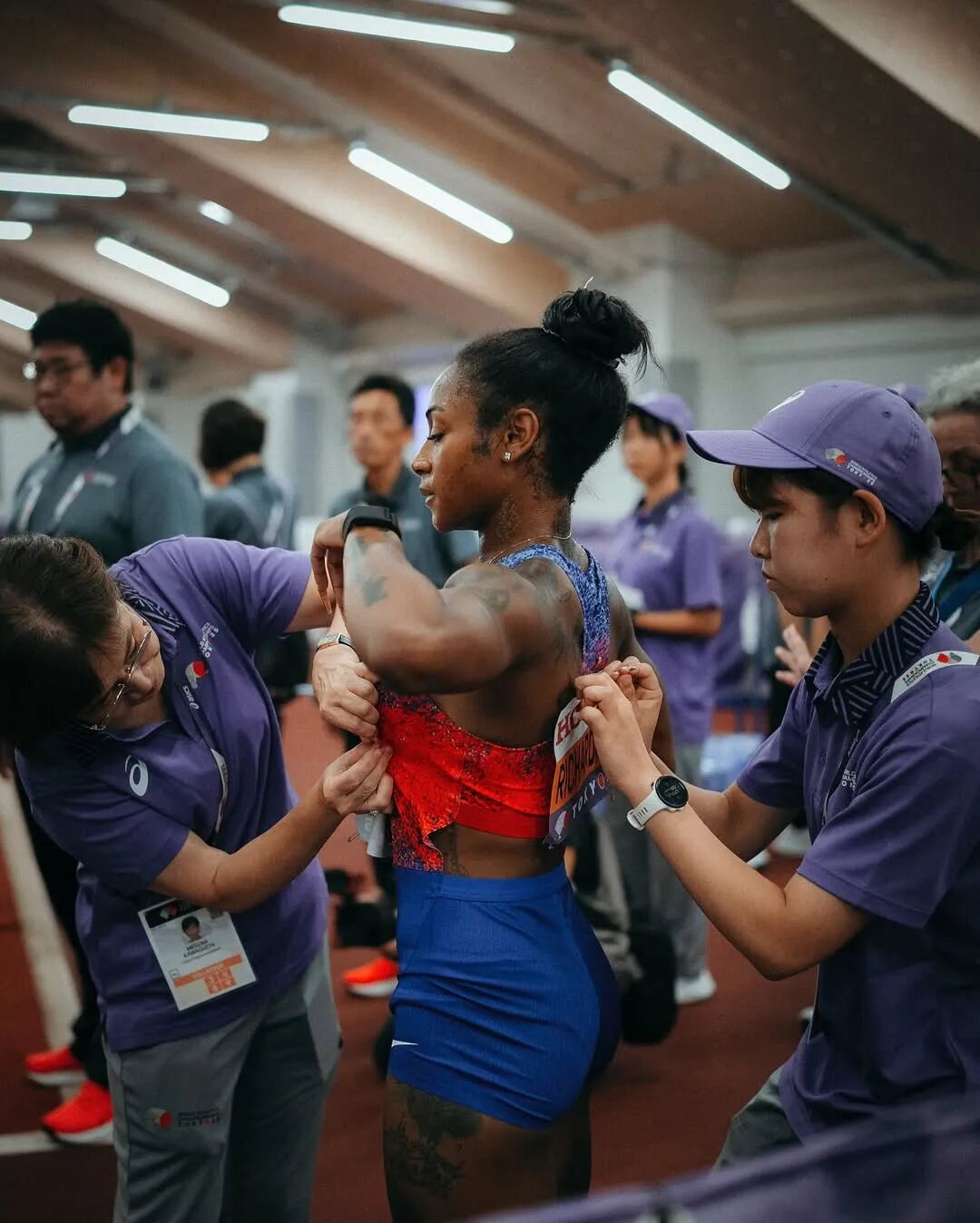
“Athletics is at a red-hot moment — everyone wants to be part of it.” Sebastian Coe's remark is not mere bravado.
From fiscal deficits to record revenues, from reliance on grants to self-sufficiency, World Athletics is undergoing a profound transformation. The 2025 "best ever" financial results are not just a victory on the numbers sheet; they’re a declaration that athletics is moving onto a professional, commercial footing.
For runners and athletics fans, this means we'll see more spectacular event production, fiercer on-course competition, and athletes with even greater star power.
Running is no longer just a belief — it has become an extraordinarily successful business.