
With the year drawing to a close, various platforms and apps have started their year-end recaps, and Garmin has released global user activity data and its annual review.
Garmin's 2025 data show that, compared with 2024, global Garmin user activity increased by 8%. The top five activities were running, walking, cycling, strength training and indoor cardio. Garmin's activity and health data provide a clear view of changing global fitness trends.

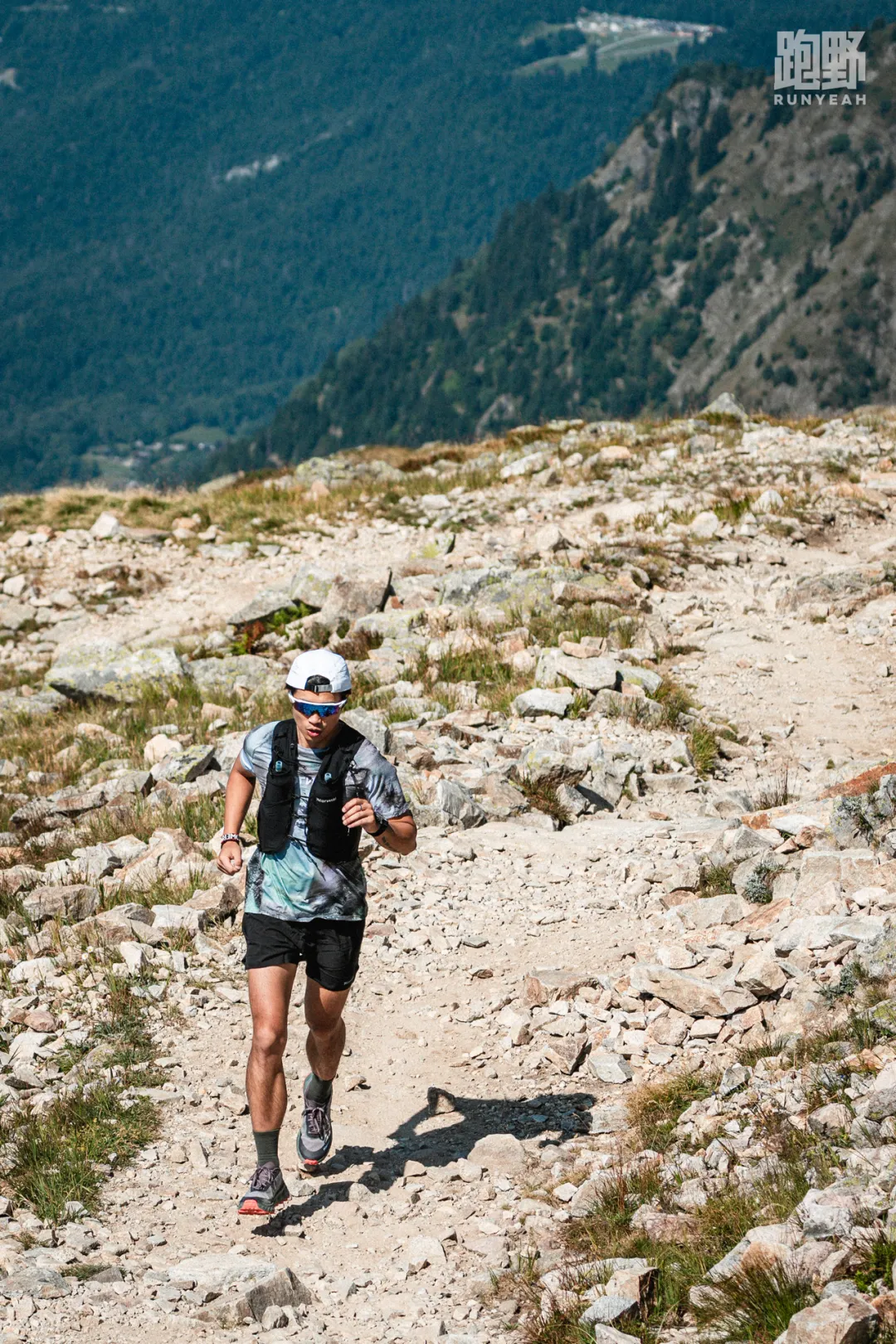
Running: Global Garmin users' outdoor running activity increased by 6%, with Japanese runners ranking first worldwide; Norway led indoor running with a 16% growth, reflecting how regional climate and training culture shape running patterns. Japan's running culture is clearly strong, while Norway, being in the Nordic region, remains cold.

Walking: More than half of global Garmin users average over 8,000 steps per day, and 28% exceed 10,000 steps.
Hong Kong, China — regarded as one of the world’s most walkable cities — ranks first globally with 10,663 steps; South Korea, which treats walking and hill-climbing as part of daily life, ranks second with 9,969 steps; and Spain, the home of the "Camino de Santiago", ranks third with 9,937 steps.
Hiking/Trekking:As global interest in the outdoors continues to grow, hiking activity increased 12% this year, with Slovenia accounting for the highest share of global outdoor hiking activity.
Strength training: Strength training has grown by more than 20% for four consecutive years, and the global growth rate for 2025 reaches as high as 29%. Women train 6% more often than men. Asian users' strength training grew 27%, and for the first time surpassed cycling to enter the top three, indicating Asian users are clearly shifting toward more comprehensive fitness training.
Racket sports: Including pickleball, badminton, table tennis, squash and other racket sports, global activity volume increased by 67%; the Asia region grew by more than twofold, and Vietnamese Garmin users have the highest average swings per person globally.
Pilates and high-intensity interval training: Increased by 46% and 45% respectively in 2025, indicating users continue to enroll in classes and repeatedly participate in these training programs at a steady frequency.
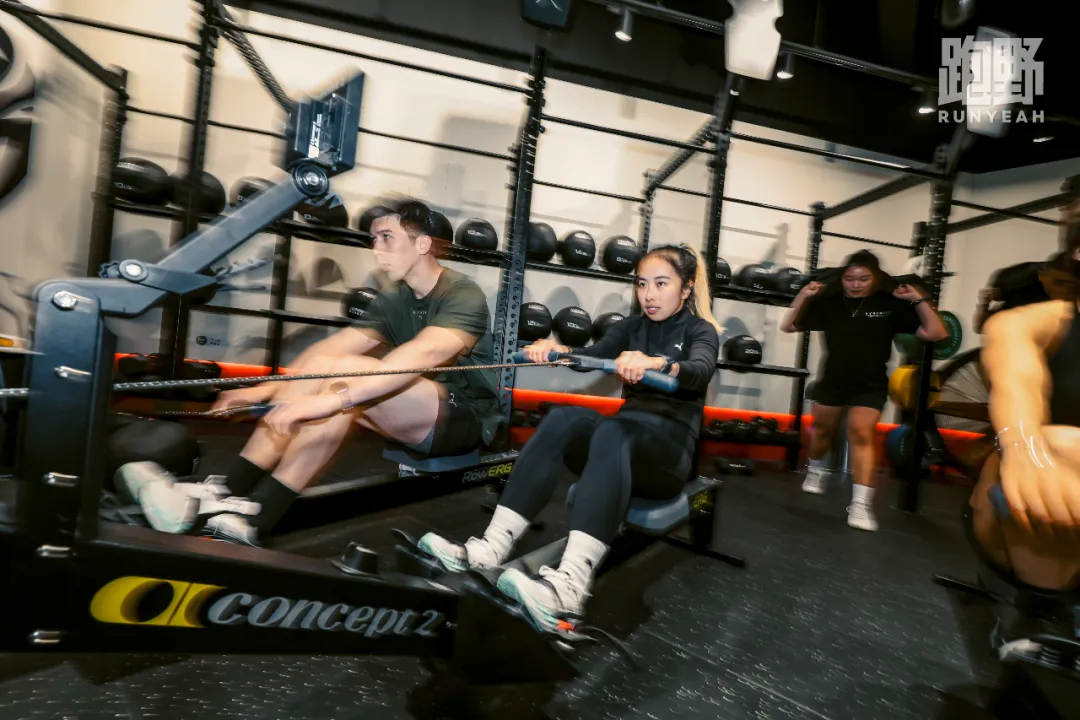
In terms of exercise types, practices like yoga and Pilates improve balance, mobility and core strength while also reducing injury risk; traditional strength and functional fitness training effectively enhance strength, power and everyday performance, becoming the mainstream choice in recent years for improving health.
In 2025, Garmin users' overall activity levels continued to rise, with average daily steps increasing 1.2% compared with last year. Among them, 50% of users take more than 8,000 steps per day, 28% exceed 10,000 steps, while only 0.4%—the "very small minority"—walk over 20,000 steps a day. Are you one of that minority?
In the global ranking of average daily steps, Asian regions occupy three of the top five spots. Hong Kong, China tops the list for the second consecutive year with 10,663 steps, followed by South Korea (9,969 steps), Spain (9,937 steps), Mainland China (9,794 steps) and Ireland (9,735 steps).

Across different age groups, users show clear differences in their choice of physical activities:
• 18–29 years old: most frequent outdoor running and track workouts
• 30–39 years old: tend to favor gym training, focusing on strength training, indoor cardio and treadmill
• 40–49 years: highest participation in trail running
• 50–59 years: the most diverse activity mix, leading in indoor cycling, pool swimming and mountain biking
• 60–69 years: most frequent outdoor cycling, walking, and hiking
• 70+ years: longest time spent playing golf
If you connect these data points into a single line, a very clear trend appears: when we are young, we prove ourselves with speed, intensity, and frequency; in middle age, we begin to look for more controllable, safer, and more sustainable ways; later on, exercise gradually shifts from "training" back to "life," becoming a means to maintain mobility, connect with others, and set a rhythm.

In addition, the Body Battery shows greater energy fluctuations among younger groups, and Chinese users have the highest average daily energy expenditure across regions.
Body Battery (Body Energy Index) is Garmin's comprehensive metric for measuring a user's energy expenditure and recovery throughout the day. Data show that younger users experience larger energy fluctuations and have higher overall energy expenditure than older users.

Users aged 18–24 have an average energy peak of about 75, with minimum values slightly below 20;
The average peak for users aged 60–69 is about 65, with the minimum slightly above 20.
At the national level, users in Portugal have the highest average energy peak (75), while users in Japan have the lowest average peak (65), indicating relatively weaker overall recovery. South African users are the least likely to be "drained" by the end of the day, with an average minimum of 24; Kazakhstan retains the least energy, with an average minimum of only 14.
For daily energy expenditure, Chinese Garmin users have the highest average energy expenditure, while South African users have the lowest average energy expenditure.
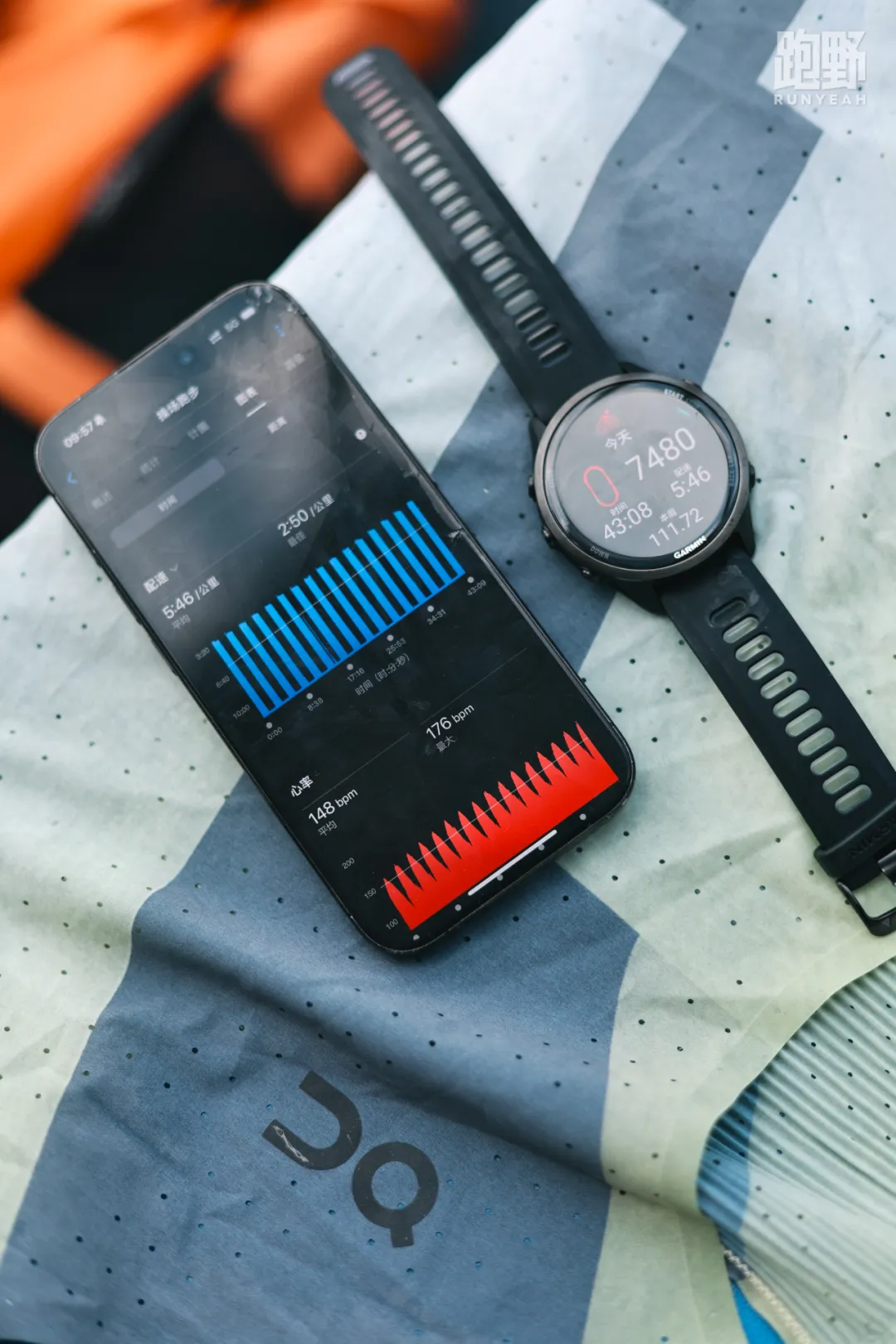
Finally, according to the American College of Sports Medicine (ACSM) 2026 Worldwide Survey of Fitness Trends, wearable technology has topped the list of global fitness trends for the fifth consecutive year, and strength training is expected to become the next mainstream exercise. The public is increasingly paying attention to deeper physiological metrics such as heart rate variability (HRV), sleep, and maximal oxygen uptake (VO₂ max), and using technology to monitor personal health.