
June 5–7, 2026, one of the country's highest-altitude, most scenic, and most selective trail running events — Chando Himalaya Extreme Trail Run will kick off its challenge in Lulang, Nyingchi, Tibet.
This year, the Chando Himalaya Extreme Trail Run will be upgraded in four areas, marking the biggest set of improvements since the race began in 2019.
Registration for this year's race will officially open on March 21.

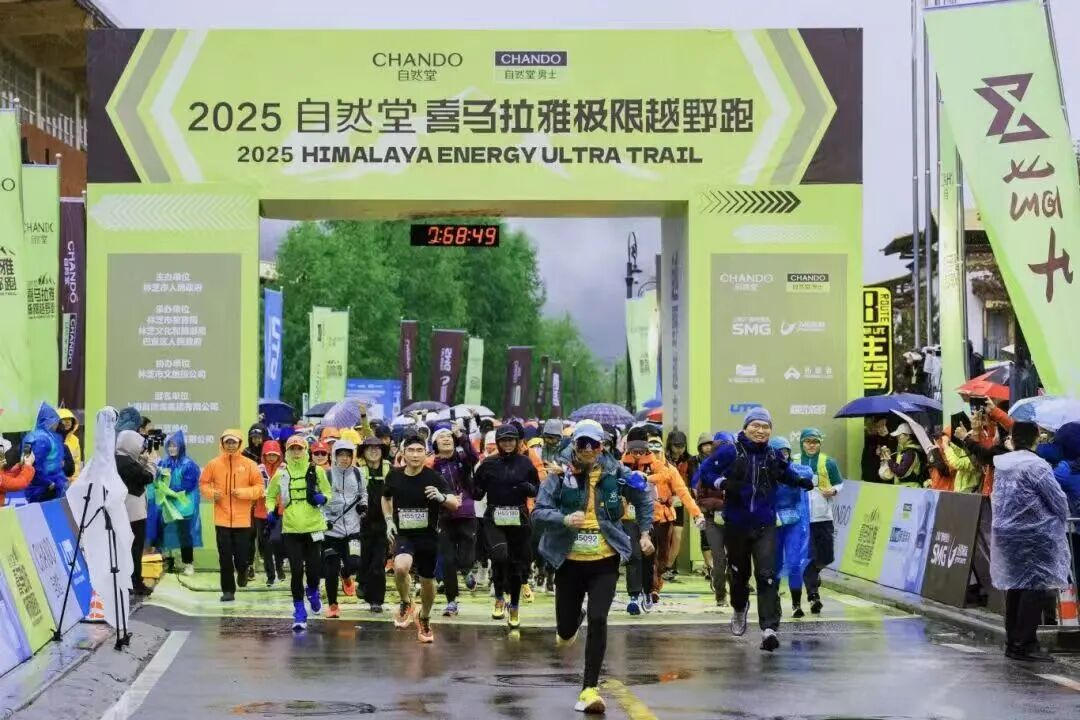
The total field has expanded from around 400 to 1,000 participants. Even with the larger field, runners who want to stand on the 4,600 m ridge course and gaze at Namcha Barwa above the sea of clouds will still need proof of past race participation to have a shot at the start line.

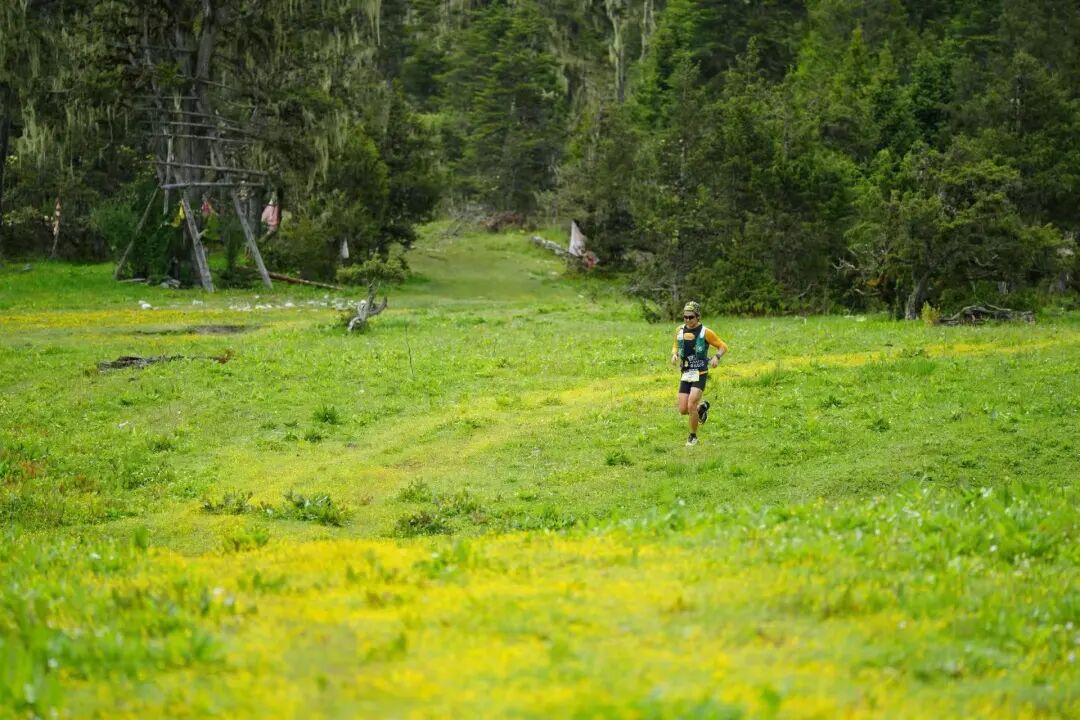
The 2026 course, while keeping its classic sections, has gone through a thorough culling and refinement. Repeated stretches have been carefully optimized and replaced with more original forest coverage. Runners will thread along fir-canopied woodland trails, cross alpine meadows carpeted with blooming rhododendrons, and see the underfoot surface shift from stony dirt tracks to soft trails laid with pine needles — the course experience is now much richer.

All three categories (55 km, 35 km, 10 km) have been correspondingly optimized.
The 55-km category (elevation 4,644 m, cumulative ascent 2,324 m) adds ridgeline sections, making it more suitable for elites to push hard.
The 35-km category (elevation 3,803 m, cumulative ascent 1,069 m) reduces difficult climbs, transforming it into a highly runnable high-altitude course that’s friendlier to runners attempting high altitude for the first time.
The 10-km category (elevation 3,488 m, cumulative ascent 209 m) has been retained; the short-distance option ensures every runner can find their own race experience in Rulang.
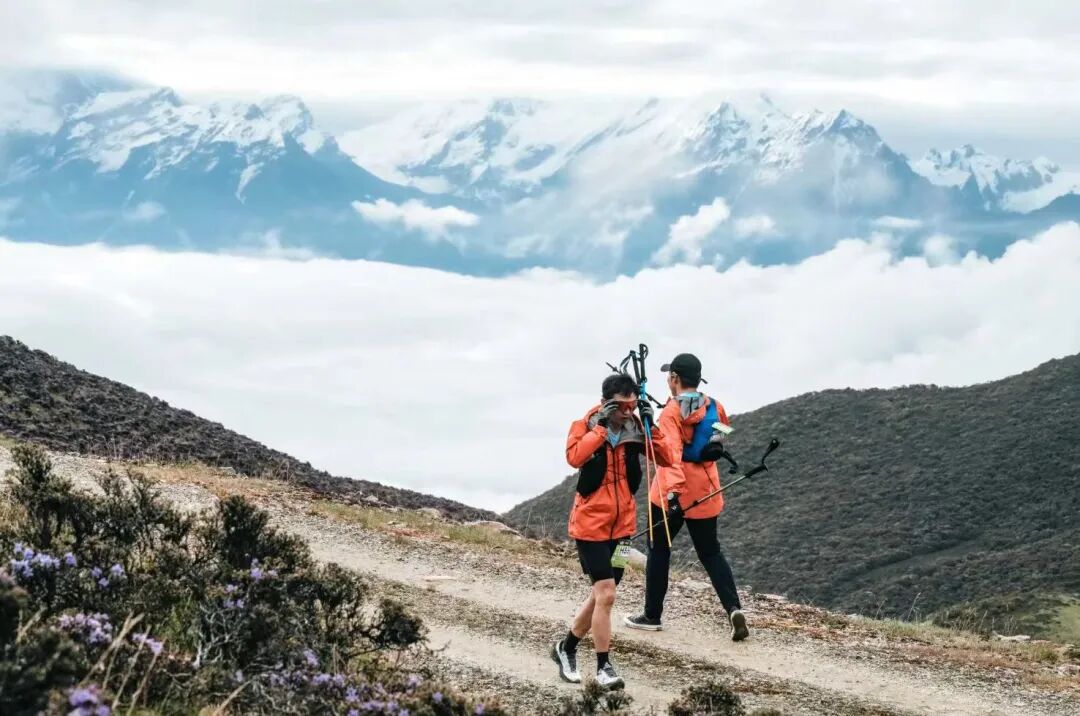
Classic landmarks like Baifengtai and Gongcuo Lake are retained, with more Tibetan cultural landscapes added. Starting from 2,800 m in mixed conifer forests, alpine pines and firs sweep past; climbing to 3,800 m, fields of rhododendrons bloom against a backdrop of snow-capped peaks; continuing upward, above 4,200 m lies the scree and ice fringe. This is a race, and an opportunity to feel the Himalayas' seasons and the vitality of the snow plateau.

The 2026 race will be broadcast live in full, with drones, vehicle-mounted cameras, fixed camera positions and GPS tracking on athletes — fully covering the runners and capturing more footage for them. After finishing a race, in addition to the finisher's medal, runners can also receive a personal highlights reel of their race.
Beyond these four upgrades, the event will continue to practice the environmental concept of “take from nature, give back to nature.” The organizing committee will not provide disposable items; participants are required to bring their own utensils, sign an environmental protection declaration, and carry out their trash from the mountains.