

At Apalachee Regional Park (ARP) in Tallahassee, Florida, the morning mist has yet to lift. For most people it’s just another day, but for the park and recreation director Amanda Heidecker, it’s another day of preparation.
The first thing Heidecker does when she arrives at the park’s trail each morning isn’t head into the office—it’s lace up her running shoes. Her feet press into the firm dirt, feeling the feedback from the ground; she quickens her cadence on the rolling sections, drives through the turns, and finally stretches into long strong strides on the faster segments.
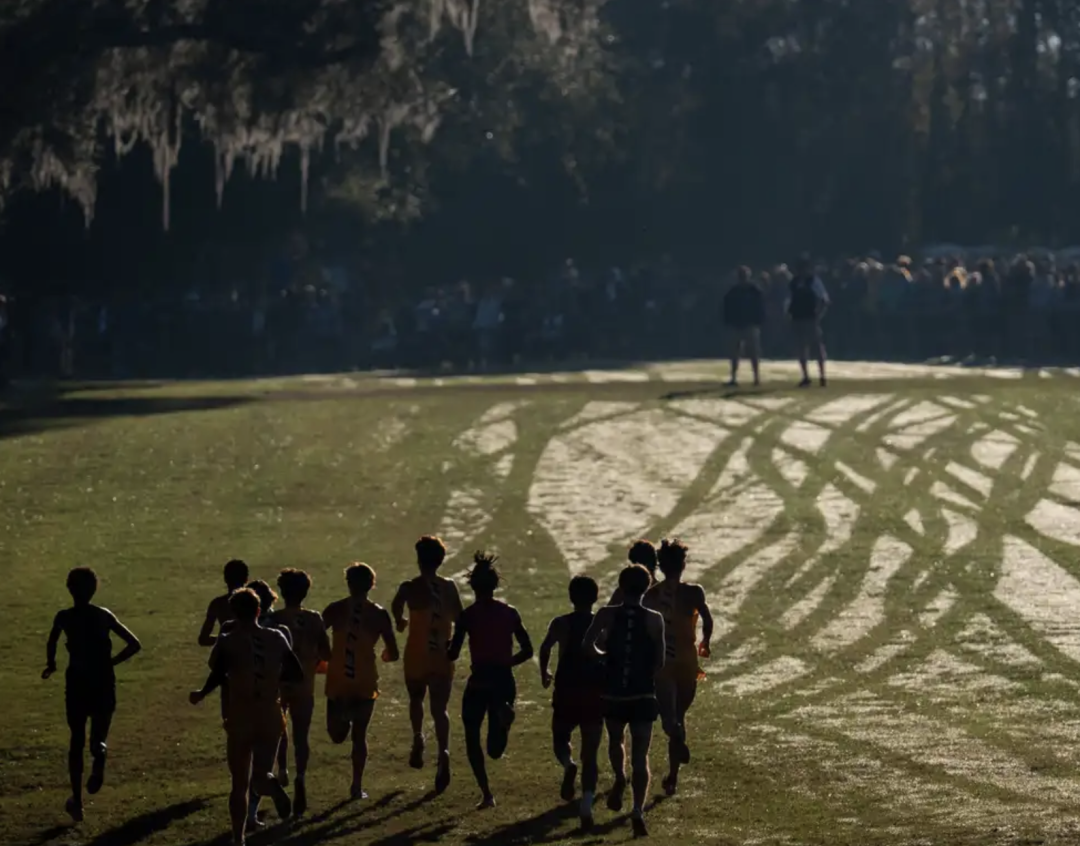
"Feeling the ground beneath your feet is crucial," Heidecker says. The course is more than a route; it's a living thing she helped shape and refine—from muddy dirt paths to sandy sections, and the undulating man-made hill on the 2,000-meter loop. She has run it countless times.
All of this preparation is in anticipation of that approaching historic moment:the 2026 World Cross Country Championships.

For cross-country fans around the world, January 10, 2026 will be a date to remember. This top-tier event under World Athletics will officially arrive in Tallahassee.
This marks the return of the World Cross Country Championships to American soil for the first time in 34 years since Boston hosted the event in 1992. It is not only an honor for the city of Tallahassee, but also a key moment in the revival of cross-country running in North America and across the globe.

Haideke understands the significance of this global showcase. “This is our next chance to take this sport to a new global height,” said the Tampa local. A graduate of Florida State University (FSU), Haideke ran for the Seminoles cross country team from 2006 to 2010. Since taking the role in 2021, she has poured her heart and soul into it.
At present, the International Olympic Committee (IOC) is facing calls to include trail running in the Winter Olympics, and the 2026 World Championships will undoubtedly be the best stage to showcase the appeal of trail running to the world.

The Apalachee Regional Park trail (ARP) was not born a world-class venue. Its story is full of legend—and a touch of wildness.
Like much of Florida, it was once a wild area thick with vegetation and complex terrain—full of massive weeping willows and towering shrubs. Haideke recalls that in 2009, Bob Braman, the former Florida State University director of track and cross country, with help from the Leon County Parks & Recreation Department and local running shops, walked into the brush carrying a “machete.”
“He started chopping his way through,” Haideke described. At the time, Braman was also chair of the U.S. Track & Field and Cross Country Coaches Association (USTFCCCA) cross country committee. It was then that a natural course—with 5,000m and 6,000m options and a width sufficient to host large races—began to take shape.
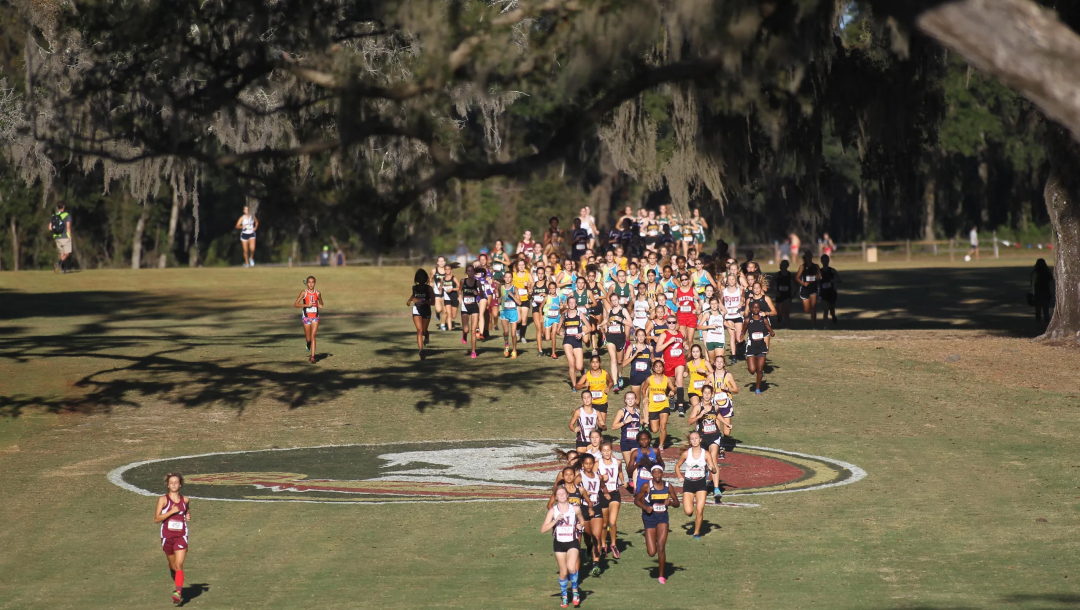
Over the following decade-plus, the course underwent several key upgrades:

If the past ARP was known for its professionalism, the special edition course for the 2026 World Championships is packed with blockbuster-style visual impact.
Heidke and organizing committee co-chair Taylor Wheaton personally visited the World Championships in Bathurst, Australia in 2023 and Belgrade, Serbia in 2024. That inspection made them realize that World Athletics wants courses that are not only competitive but also "fan-friendly."
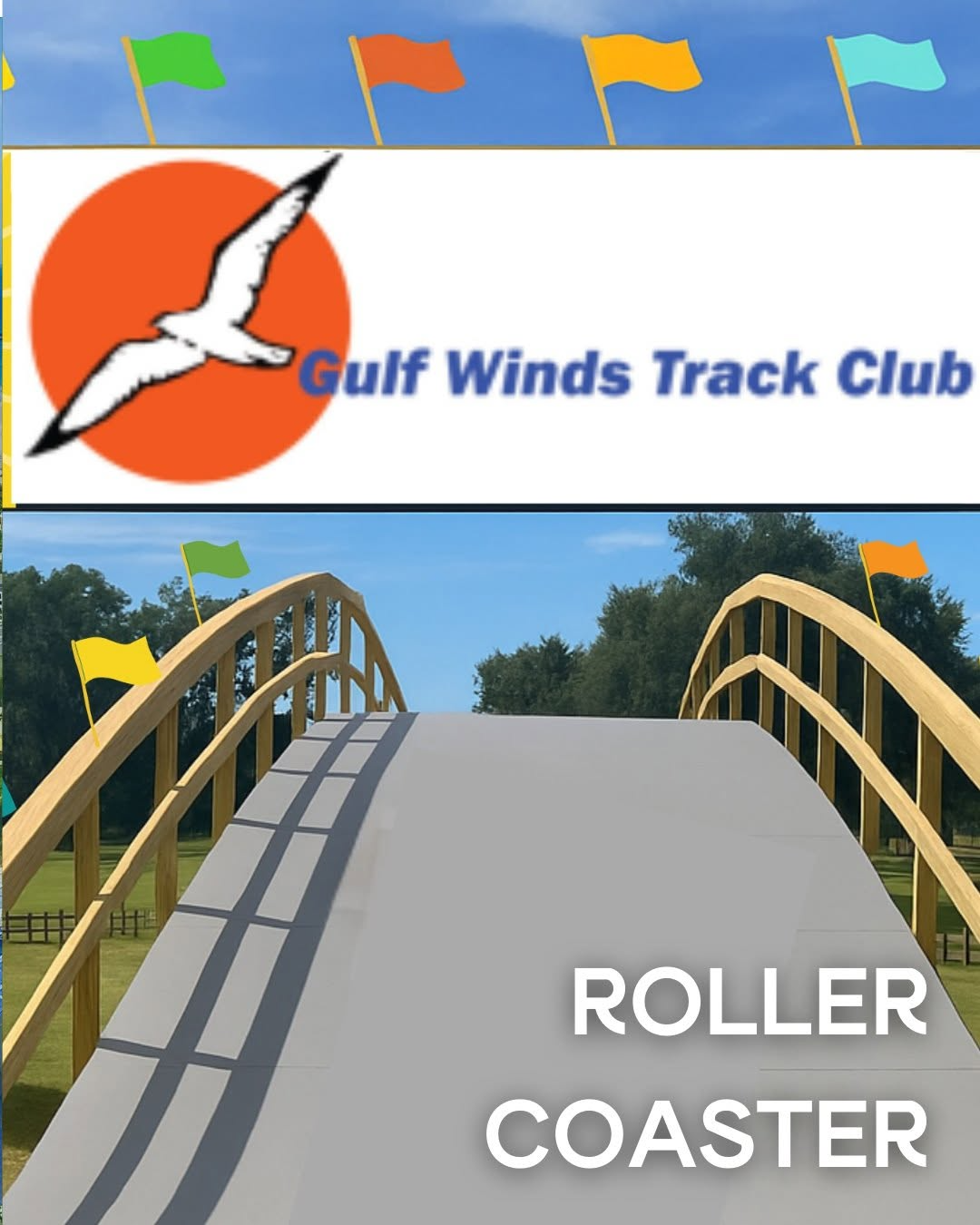
Based on that concept, the organizing committee designed a highly creative 2,000-meter loop course that includes five major obstacles and a grand temporary structure.

Hosting a world-class event is not just about sentiment — it's a smart economic calculation.
According to "Visit Tallahassee", from the facility's opening in 2009 through 2020, the major events held at the venue brought roughly $30 million in direct spending to Leon County. By 2025, that figure had surged to $90 million, an increase of roughly $60 million in just the past five years.
ARP currently organizes about 20 races each year. And the 2026 Trail Running World Championships, as the first international sporting event ever hosted by Tallahassee, is expected to bringan additional $4.3 million in revenue to the region through tourism and economic spillover.
Although that figure is modest compared with the $106.5 million generated by a single Florida State University football home game, among sports outside of football this global trail running spectacle will be one of the most economically impactful drivers in Leon County's history.
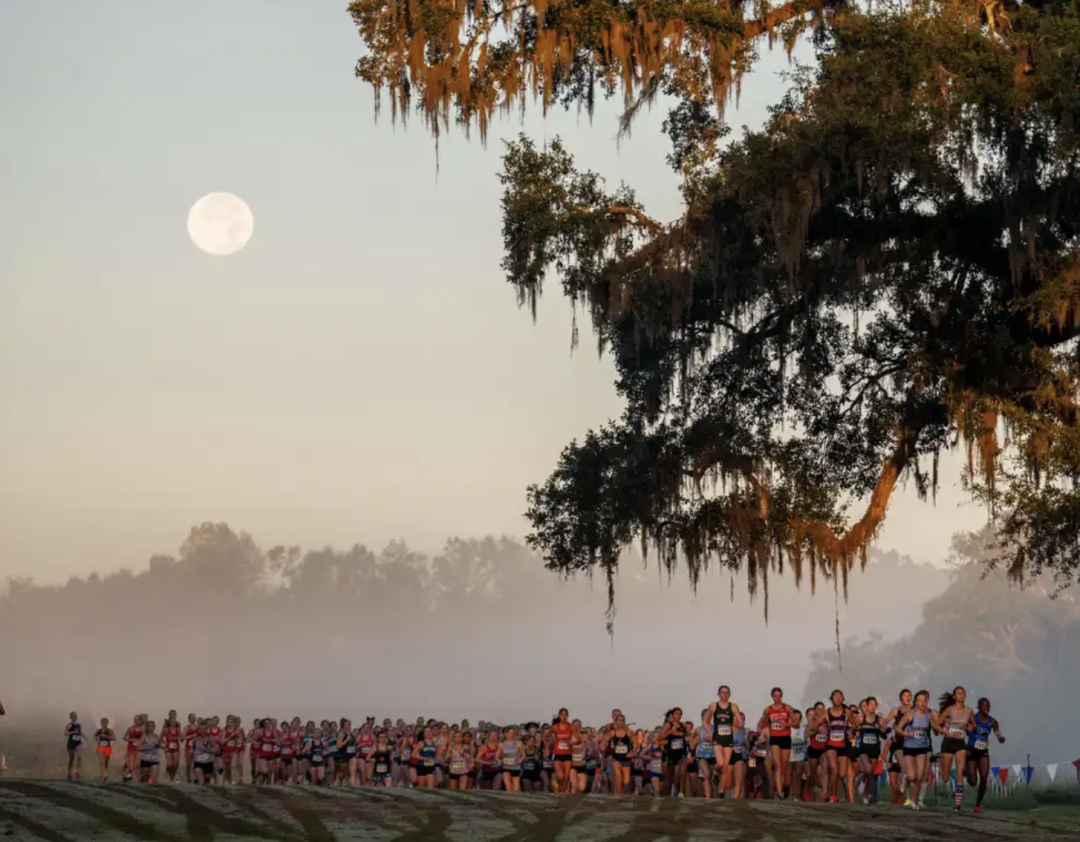
So far, athletics associations from 65 countries and regions and roughly 500 top runners have expressed interest in participating. Organizers expect "thousands of fans" to flock to the city to experience the excitement of trail running.

Behind this event is a group of people who truly understand running.
The organizing committee's core members largely have deep athletics backgrounds:
This is not just a job, but a mission born of passion. “Success is a tribute to this sport,” Haideke said emotionally. “Trail running is rugged, challenging, and demanding — you have to give everything you have. That is exactly why we hold these events. It’s not just about financial gain, but about growing the sport.”
Huidun added, “I really hope we can continue to inspire other destinations and organizers to stage trail running events. They can be special and unique — tailored experiences for the athletes who put so much hard work into this sport.”
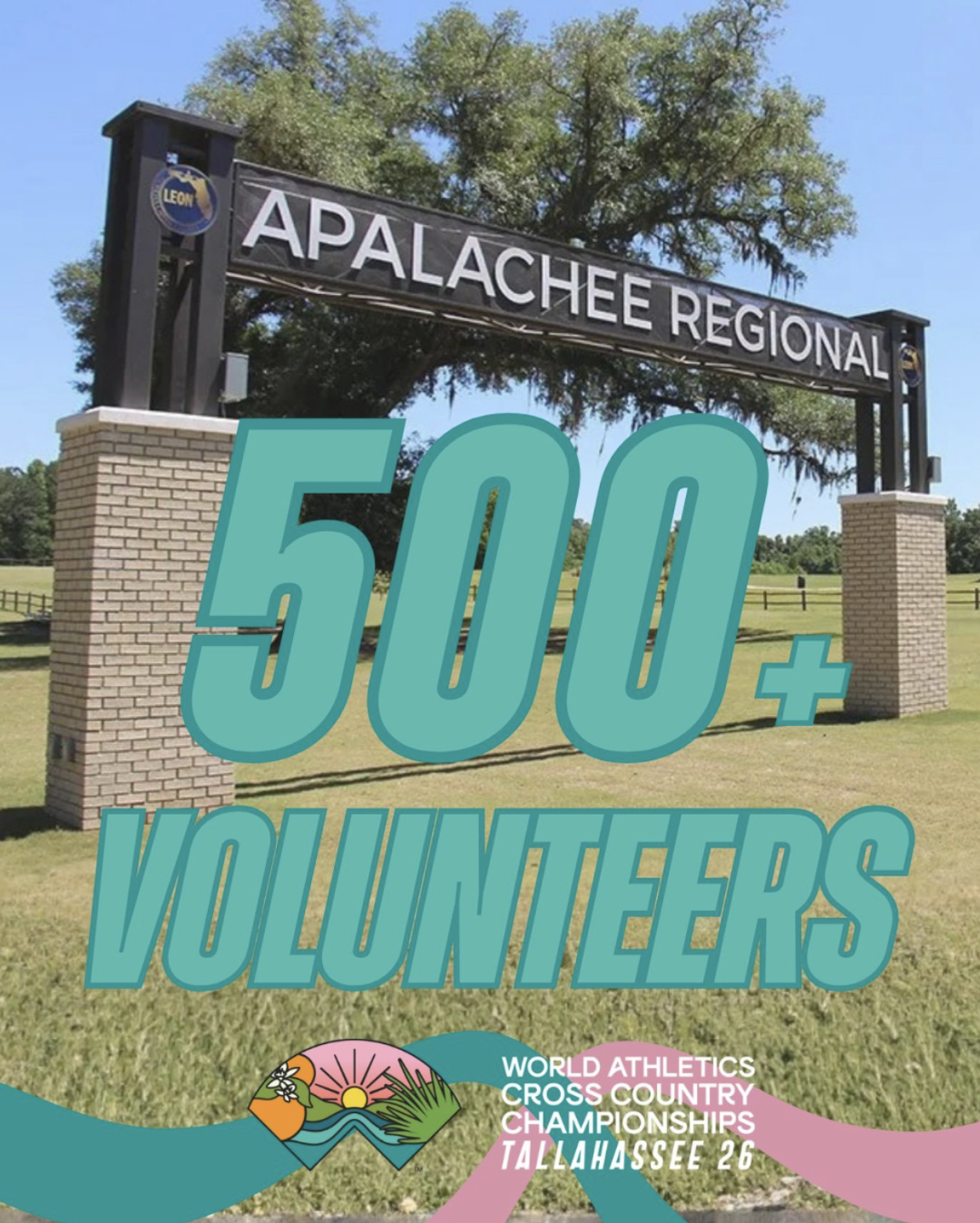
For this race, the local organizing committee mobilized more than 700 staff, including volunteers and Leon County law enforcement, to ensure a flawless race day. In addition, part of the event’s proceeds will be returned directly to Tallahassee Leon High School and its trail running program, helping to nurture the next generation of runners.
Tune into the Paoye live stream this Saturday evening — we’ll be keeping close coverage of this muddy showdown.