

Just when we think the competitive level of Japanese university runners has hit a ceiling, reality delivers a sharp wake-up call. With the conclusion of the 2026 Hakone Ekiden, analysis of the following year's data shows that the overall standard of Japan's collegiate long-distance running has once again seen an astonishing "surge."
From the astonishing performance at the Marugame Half in February 2025 to the collective breakout at major 10,000m record races in November, those "unbelievable" displays at Hakone — the 2025 season's Japanese university runners are rewriting history. If we used to be searching for the limits of competitive ability, it now appears that limit is far from reached.

Looking back over the past 20 years, Japanese university athletes' track performances have gone through several distinct phases. From 2005 to 2020, progress in the 5,000m was relatively steady. However, from 2020 to 2025, with road races reduced during the COVID-19 pandemic and athletes shifting their focus to track competitions, coupled with the spread of the new generation of "super spike" technology, results have seen explosive growth.
How dramatic is this growth?
Former champions struggle to make the top ten:
The 13:20 barrier:
Overall depth improvement:
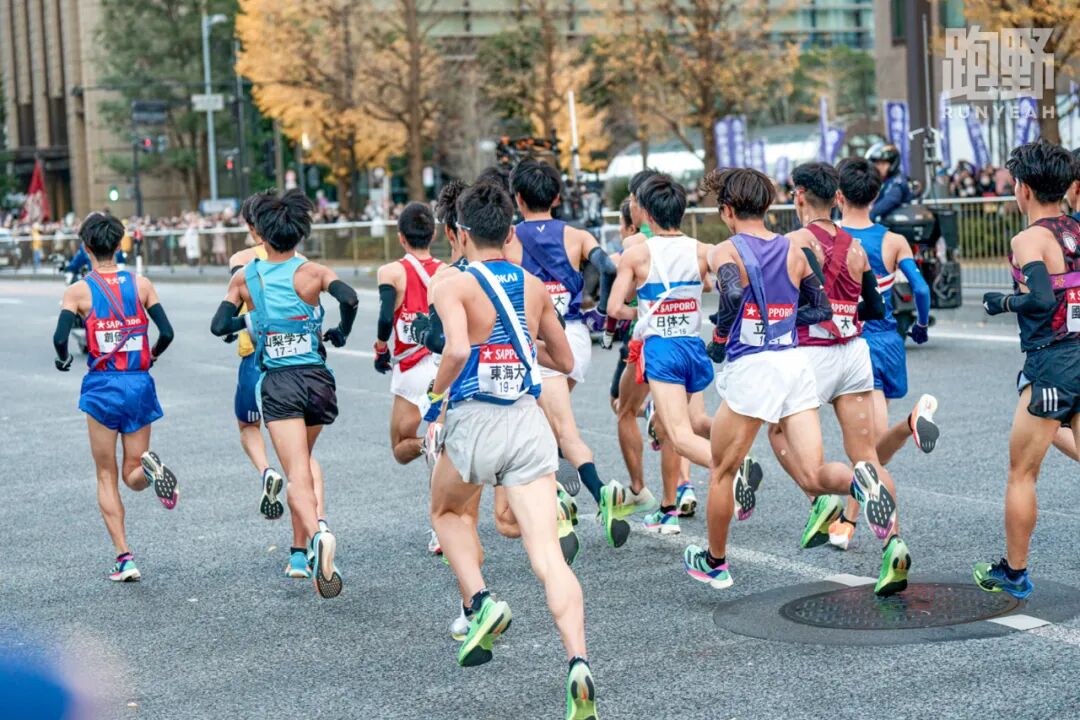
The trajectory for the 10,000 m is similar. Before 2015, breaking the 28-minute barrier (Sub-28) was rare. By 2020, influenced by an increase in Kenyan exchange students, the number of Sub-28 athletes rose to five. By 2024, that number exploded to 20! Although seven of those were Kenyan athletes, the greater factor wasthe leap in ability among Japanese domestic athletes.
In the 2026 Hakone Ekiden data, although the number of Kenyan runners remained at seven, the total number of Sub-28 athletes had already reached 25. A poignant comparison is:Kenta Murayama of Komazawa University, the top ace in 2015, would fall to 19th place in this year's competitive environment.

The half marathon is the core distance for Hakone Ekiden runners. While there had been a steady improvement of about 3 seconds per kilometer every five years, this year saw a qualitative leap.
This is largely thanks to the course change for the National Collegiate Half Marathon — moving from the tougher Tachikawa course to the fast Marugame course. There, university runners have been able to compete alongside corporate team athletes and international elites.
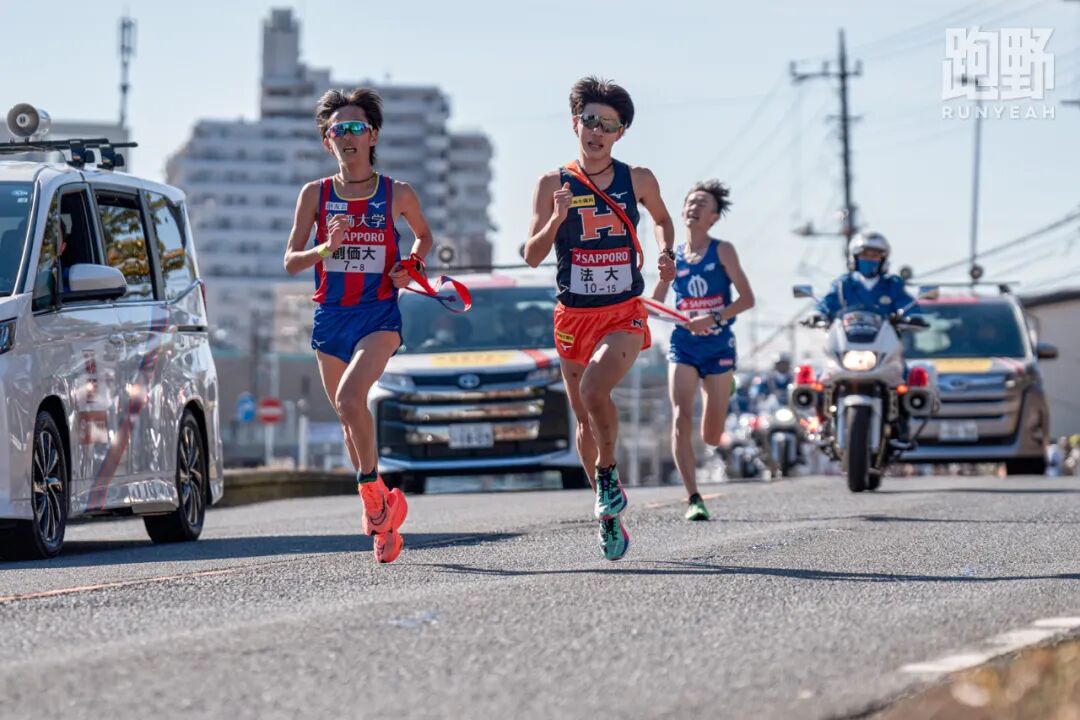
The numbers don't lie — the performance gains from that change have been devastating:
Sub-60 finishes:
Sub-61 count:
25th place threshold:
This rate of improvement exceeds the total gains of any previous five-year period. Beyond course advantages, the strong performance at the November Ageo City Half Marathon also shows this is not just a course benefit but a real overall improvement in ability.

This 'speed-up' trend becomes more pronounced as the distance increases, ultimately peaking in the marathon.
Historically, 13 Japanese university students have broken the 2:10 barrier (Sub-2:10), and 11 of those came after 2020. Between 2025 and 2026, a record four university athletes achieved this milestone.

Most striking were the twin stars of Aoyama Gakuin University (AGU):
The same school twice broke the national collegiate record within a month and pushed its times into the world-class 2:06 range — something that would have been hard to imagine in the past.

The performance leap from 2020 to 2025 can perhaps be attributed to shoe technology and the shift in training focus during the pandemic, but the recent resurgence within just a single season is more complex.
Apart from Aoyama Gakuin University (AGU)'s strategy of emphasizing a marathon debut during undergraduate years, there is no single training method that explains this widespread flowering. As Japan Running News analysis points out, this may be a form of "Trackflation" in the context of global improvements in road running.
But whatever the reasons, the fact before us is: the competitiveness of the Hakone Ekiden is escalating at an unprecedented pace. For recreational runners, we are witnessing a golden age — where university races are no longer just youthful passion, but world-class speed contests.
The mountains of Hakone remain the same, but the young men running those mountain roads have evolved to a whole new dimension.