

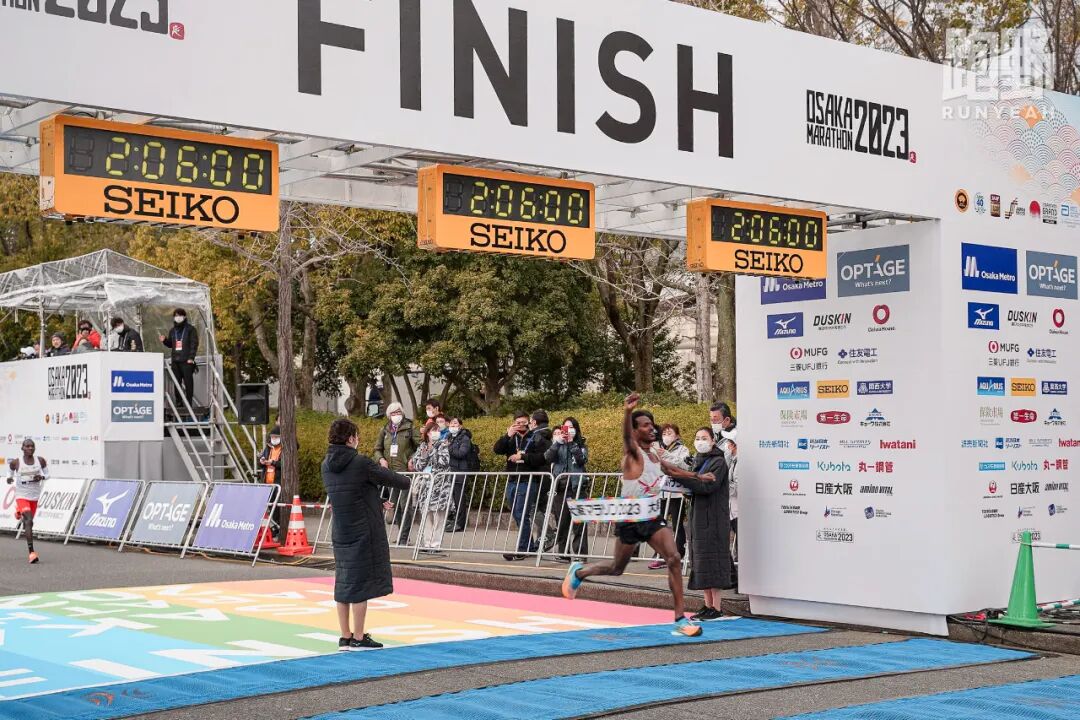
The Osaka Marathon, usually held in the golden autumn, was moved to February this year. At last week’s race, Ethiopia’s Hailemaryam Kiros won in 2:06:01. He was also runner-up at the 2021 Paris Marathon, and he significantly lowered the course record set last year by Gaku Hoshi (2:07:31). The top Japanese finisher was Kazuya Nishiyama, who ran 2:06:45 to place sixth overall — this was his full marathon debut. Shohei Otsuka (2:06:57), Toshiki Sadakata (2:07:24), Koki Yoshioka (2:07:28) and Yuki Kawauchi (2:07:35) finished among the top Japanese runners. In total, 18 men ran under 2:08, showing how strong Japanese marathon standards are.
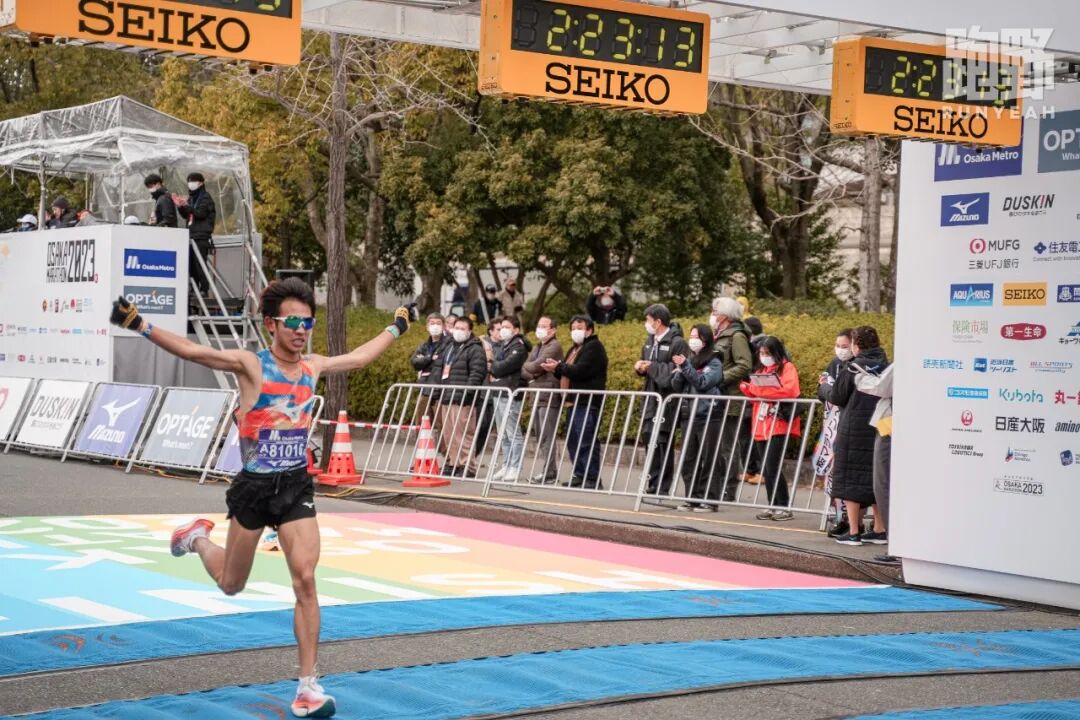
In the women’s race, Momoko Watanabe ran 2:23:09, a big PB, finishing second overall and first among Japanese athletes — securing a direct spot in the MGC.
China’s sole representative, Wang Zhuang, finished his Osaka trip with a 2:23 time. Despite competing injured, he held on to finish, giving us a visible Chinese presence at the Osaka Marathon.
The Tokyo Marathon will kick off a new title battle on March 5. Last year Eliud Kipchoge won in 2:02:40 despite the pace car error, but this year the foreign field is a bit less prominent, so attention will focus on the showdown among Japan’s top runners — it promises to be an exciting race.
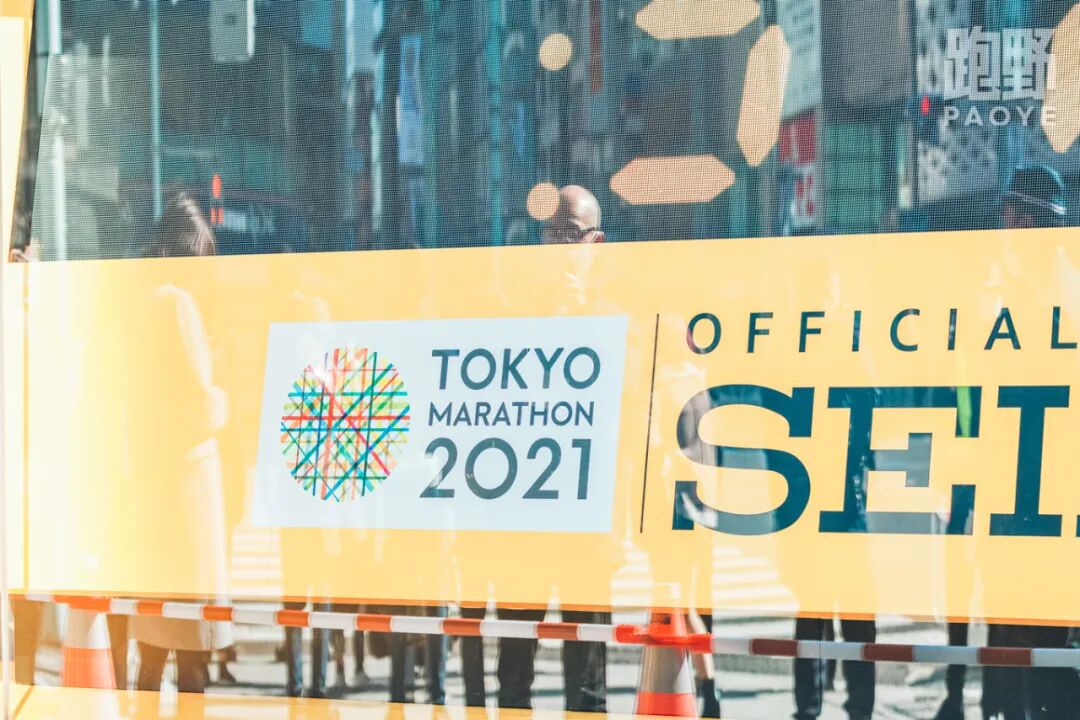
Among domestic entrants, the appearances of Kengo Suzuki and Suguru Osako were undoubtedly major storylines for this Tokyo Marathon, but due to injury Suzuki withdrew. Among the opponents Osako faces, 16 have already secured MGC qualification, including 井上大仁(2:06:47)、細谷恭平(2:06:35)、土方英和(2:06:26)、吉田祐也(2:07:05)and others. If Osako wants to chase a spot at the Paris Olympics, he must seize the opportunity at this Tokyo race; similarly, those hoping to earn MGC qualification will have to fight hard in Tokyo.
Among the foreign entries, the fastest man on paper is Ethiopia’s Sisay Lemma, whose best is 2:03:36. In the women’s elite field, Ethiopia’s Ashete Bekere is a standout — she ran 2:17:58 at last year’s Tokyo Marathon.
The Tokyo course is flat and conducive to fast times. The course record belongs to Kipchoge, while Kengo Suzuki holds the second-fastest Japanese time in history. With such top competitors, do you think a new Japanese national record will be set? Let’s wait and see.
The Seoul Marathon will fire the gun on March 19. Known as the fastest course in Asia and nicknamed “Little Berlin,” it was first held in 1931. It was suspended for 13 years during WWII and the Korean War and is one of the oldest marathons in Asia and the world.
In 2020 the Seoul Marathon became a World Athletics “Platinum Label” race. The route passes many historic landmarks — starting at Gwanghwamun, running along the ancient Cheonggyecheon stream to the southeast, and finally crossing the Han River to finish at the Jamsil Olympic Stadium, the main venue of the 1988 Seoul Olympics.
A course made for PBs — have you signed up?

After a two-year pause, TNF Mogan Mountain is finally restarting. Registration opens at 10:00 on March 3, and the race will be held April 15–16. The North Face is the most famous event brand in the Asia-Pacific region, first staging events in China in 2009. Its professional organization and excellent participant experience have made it a beloved event by word of mouth. The generous aid stations — where runners can enjoy a variety of unlimited snacks and treats — are another attraction that draws runners to the event.
In 2021, Shen Jiasheng won the TNF100 Mogan 100K in 11:12:57. With a star-studded field this year, the competition will be intense — we’re already looking forward to it.
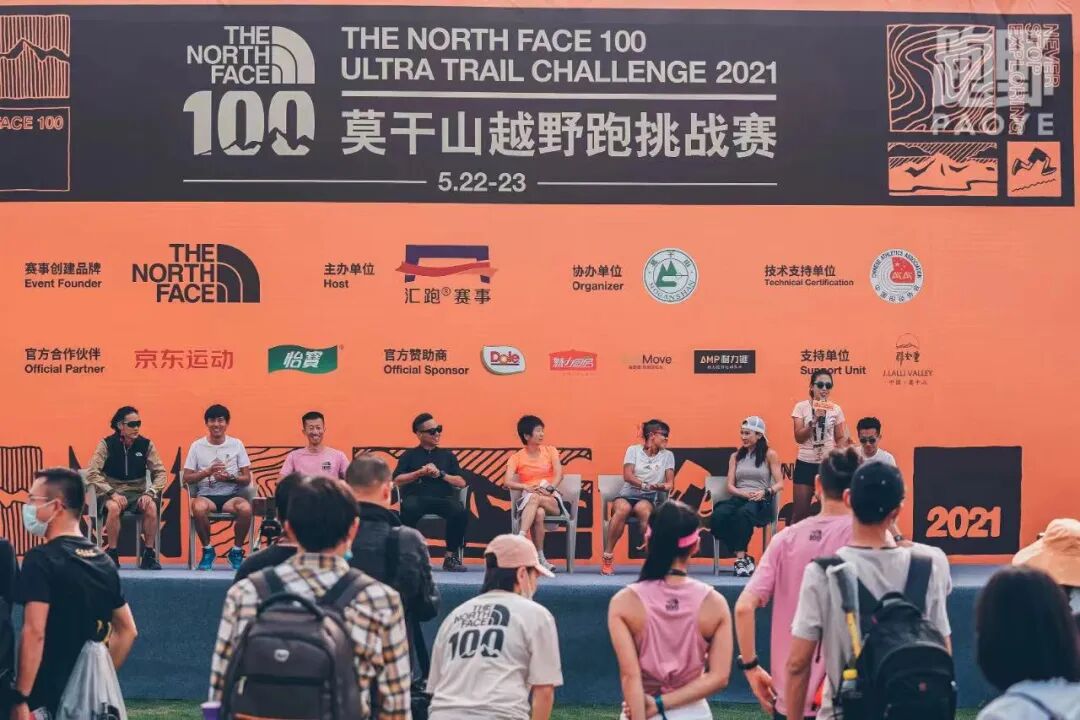
The TNF Mogan stop has become many runners’ first trail running race. Have you signed up? Want to challenge yourself?

On February 25 at Shanghai Tianma Circuit, in this curve-filled sprint arena, 10 runners relayed 22 km. In the club battle, Paoye Da Baozha dominated the field with an average pace of 3:13, earning the title of “Mach King.”
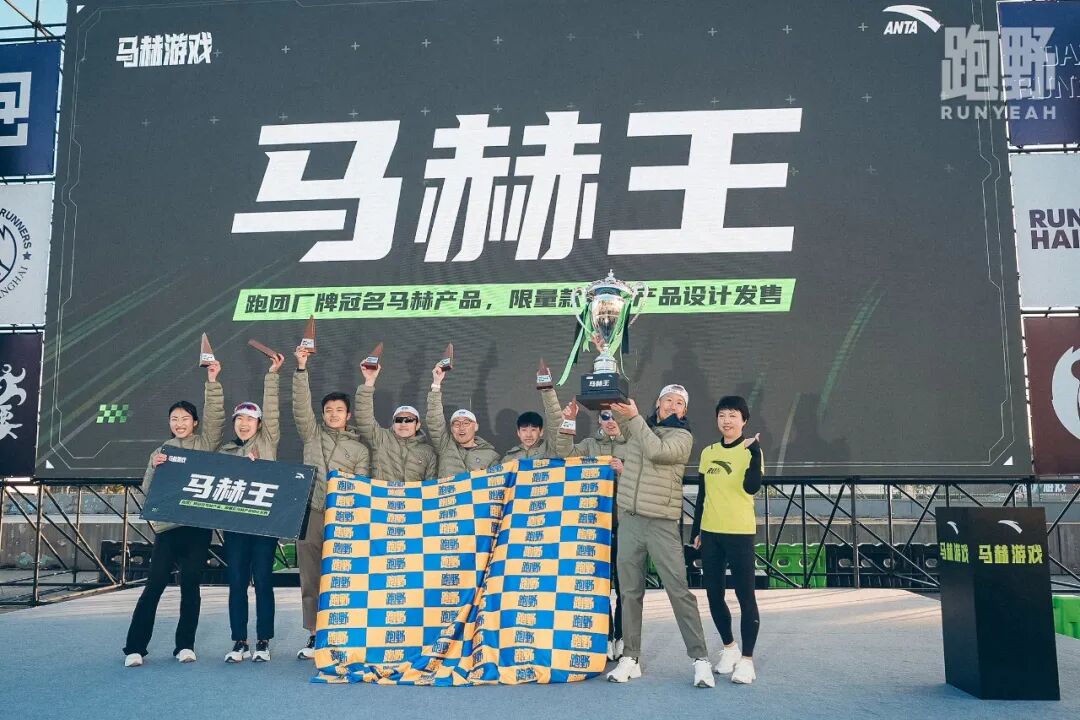
In this Mach Games event, Anta also fielded professional athletes, such as the 1999-born rising star Jiang Fakun (half marathon PB 1:03:02) and women’s marathon prospect Li Yingmei (full marathon PB 2:30). During high-speed cornering, Jiang praised the Anta Mach 3’s traction — its rubber non-slip outsole and inner stud-like triangular pattern gave runners a strong sense of security. All participants enjoyed the joy of racing at the Mach Games; next year’s event will surely be even more exciting.
The 2023 COLMO Wuxi Marathon is officially scheduled for March 19, 2023, with a 7:30 AM start. The Wuxi Marathon has now secured hosting rights for the National Marathon Championships (Wuxi stop), the Budapest World Championships and Hangzhou Asian Games marathon selection races, and the Grand Canal Marathon Series (Wuxi stop) — five events in one. The event’s overall level and specifications will be comprehensively upgraded, marking the biggest Wuxi Marathon in history.
Because the 2022 Wuxi Marathon was postponed to 2023, previously secured entries have been rolled over. Therefore, 2023 Wuxi will not open public registration. General runners can obtain places only via the waitlist; if confirmed entrants give up their spots, waitlisted runners will be offered entry.

The total event scale is 33,000 participants: 22,000 for the marathon, 8,000 for the half marathon, and 3,000 for the fun run (4 km). This year’s Wuxi course has few changes — starting at the Yinxiu Road junction on Taihu Avenue, passing Shilifangdi, Jiangnan University, Financial Street, the cherry-lined Gonghubay Wetland Park, and finishing at the Wuxi Taihu International Expo Center.
The professional athletes have a clear goal: hit the World Championships standard. Last year Dong Guojian ran 2:08:53 at the Chicago Marathon to secure a Worlds berth. Who else will qualify at this high-level Wuxi race? Did you get a spot?

On February 26, Saucony’s half marathon showdown kicked off at the Huize Sports Center in Yunnan. In this high-altitude half, runners completed 31 laps of an approximately 670m outer loop around the stadium before finishing indoors. Among the 36 entrants were pros, elite amateurs, and young runners born in 2005. In the end, veteran Yin Shunjin won in 1:06:41 with an average pace of 3:09.
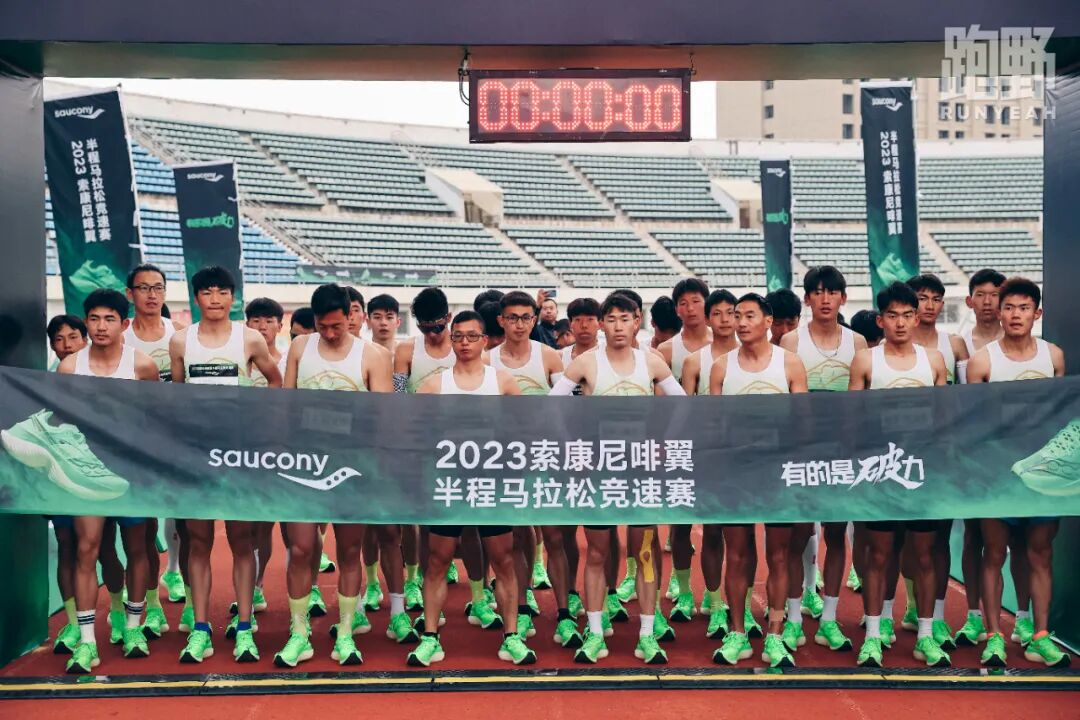
After the race, Saucony brand director Eddy said, “Everyone gave their all — whether it was the young runners’ burst of energy or the veterans’ hunger for competition, it was truly moving.” Saucony will evaluate and select promising young athletes based on the event.
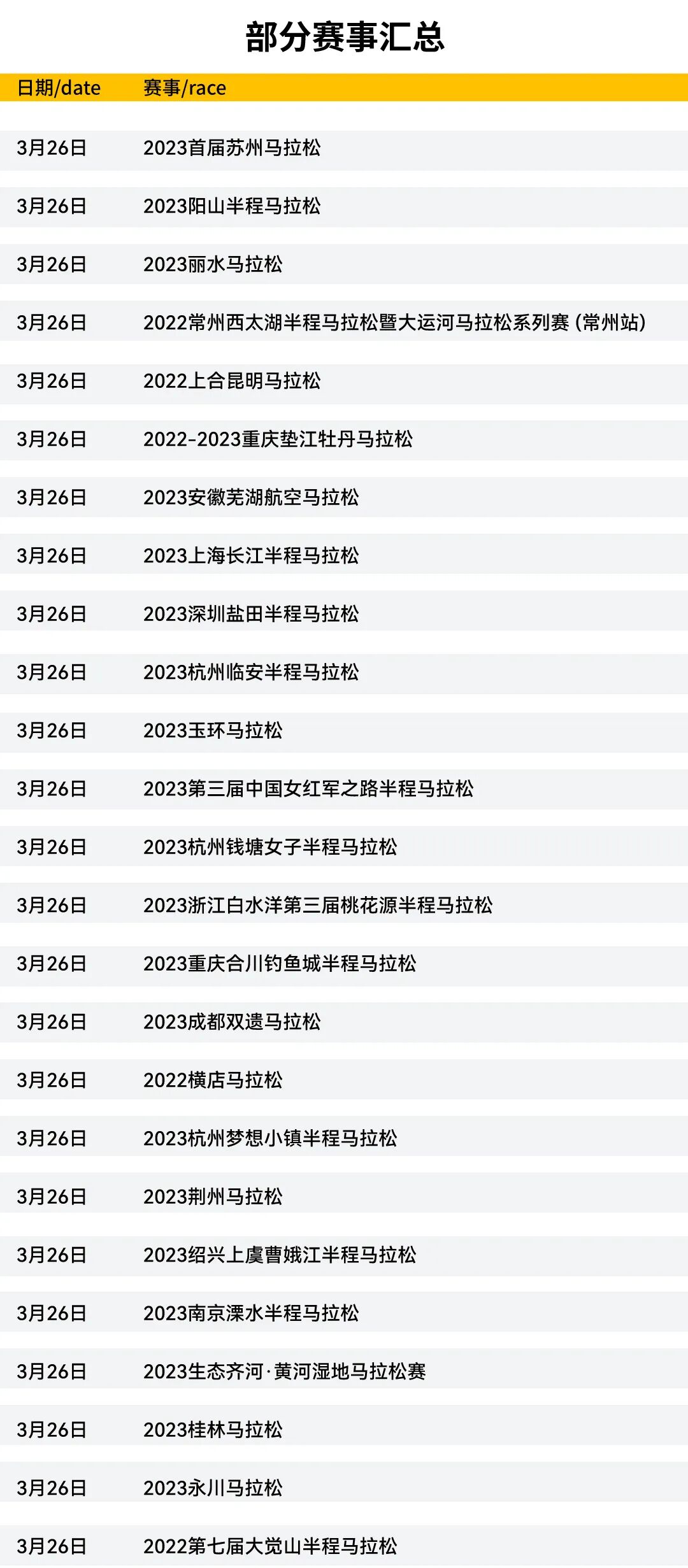
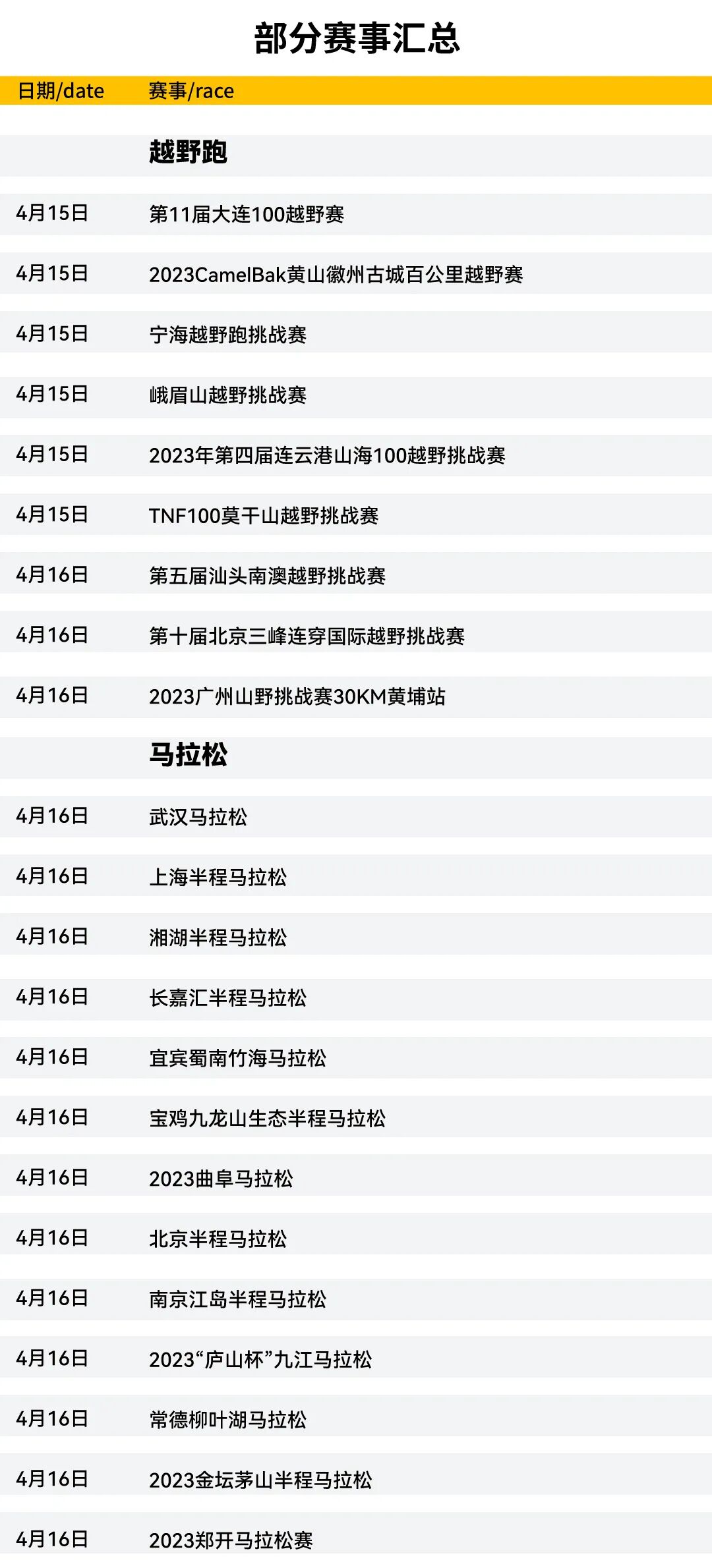
That’s the running round-up for this week.