
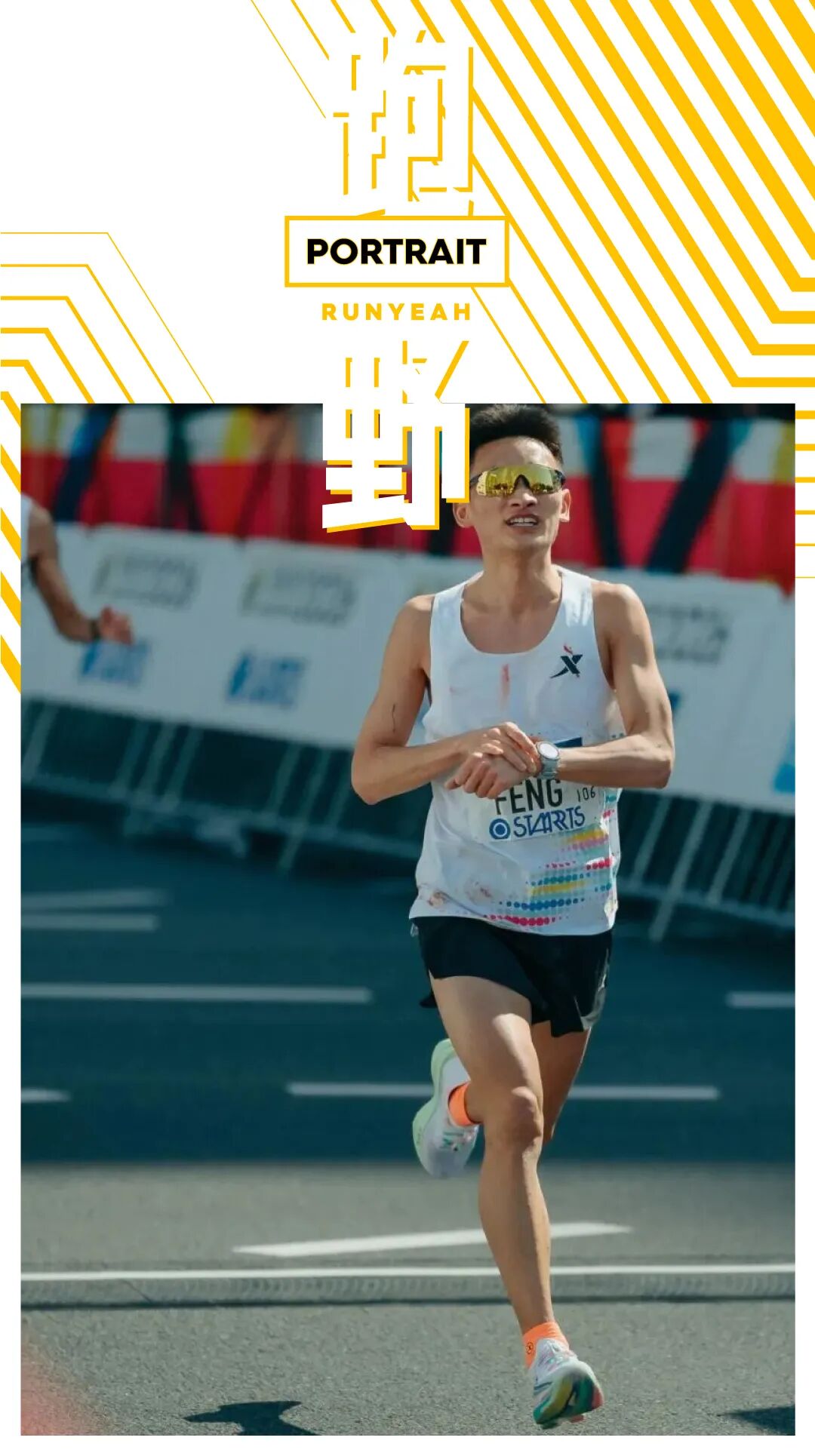
With 700 meters to go to the finish line of the 2026 Tokyo Marathon, China's new-generation marathoner Feng Peiyou engaged in an intense duel with Japanese ace Suguru Osako, and in the end he narrowly prevailed by 1 second.
2:05:58, 11th overall and first in Asia — and, more importantly, he became the first Chinese marathoner in history to break the 2:06 barrier.
It formally declares that Chinese men's marathon has entered the "2:05 era". If the previous record was about catching up, this breakthrough is a confident surpassing.

Two years ago, He Jie brought Chinese marathon into the "2:06 era", improving the national record by 12 seconds. Now, Feng Peiyou, with a leap forward, has lowered that mark by 59 seconds, breaking the 2:06 barrier.
This means the average pace for the full marathon must be maintained under 3 minutes per kilometer; it's the first time in Chinese marathon history someone has achieved this, and from both psychological and physiological perspectives it constitutes a major breakthrough.
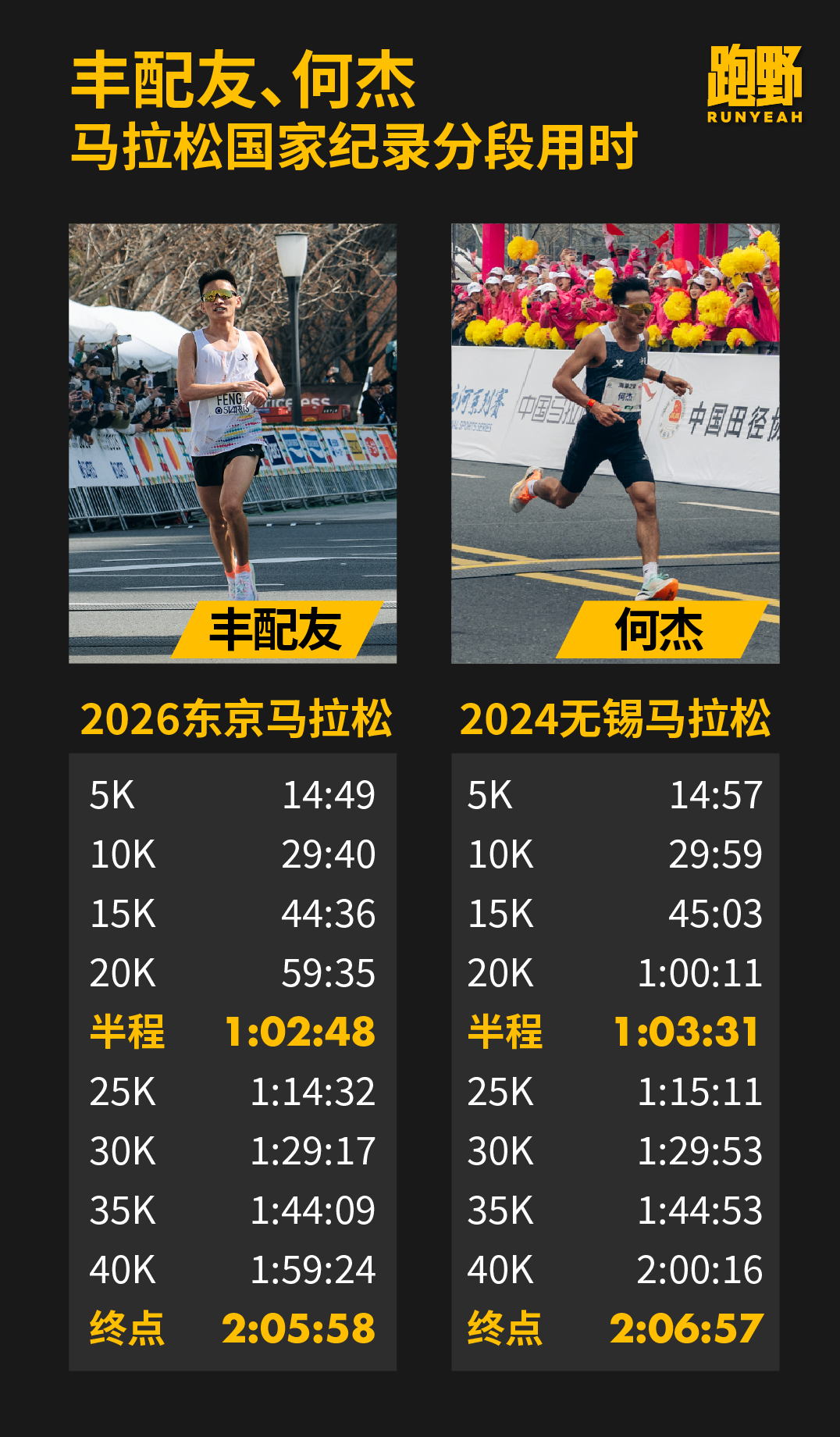
From the split data, Feng Peiyou ran the first half in 1 hour 02 minutes 48 seconds, close to his best half-marathon time. The second half was 1 hour 03 minutes 10 seconds; despite the course's rolling profile and a headwind, he still maintained his pace, demonstrating solid strength.
Looking at the world level, the significance of 2:05:58 should not be underestimated. As of March 1, the World Athletics database shows there are 240 male marathoners who have run under 2 hours 06 minutes, with Feng Peiyou tied for 236th. For comparison, there are 215 male 100m runners worldwide who have broken 10 seconds. From this perspective, 2:05:58 is roughly equivalent to a near-sub-10 100m level — a milestone breakthrough.
According to the World Athletics points conversion system, 2:05:58 corresponds to 1204 points, equivalent to a 100m time of 10.01 seconds, which further confirms from another angle that this performance is close to 'sub-10' caliber.
In terms of national records, this performance ranks 25th in the world and third in Asia, behind only Bahrain and Japan. In personal all-time rankings, 2:05:58 is tied for 9th among Asian men's marathon times. It is worth noting that the current Asian record (2:04:43) holder Abbasi is originally from Morocco, while the fourth-ranked Kimutai comes from Kenya.
Against this backdrop, Feng Peiyou has, with this result, firmly joined the ranks of Asia's top runners.
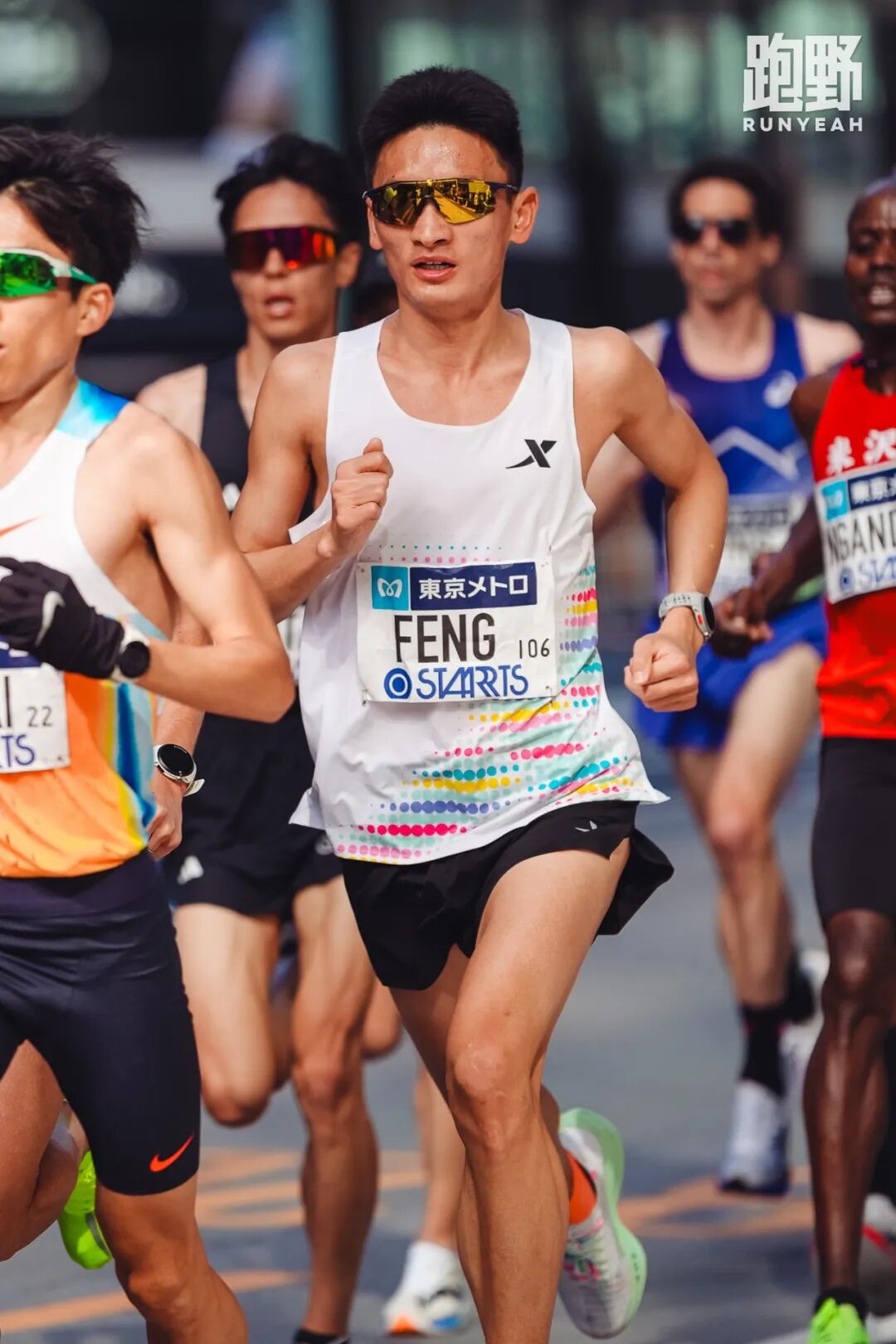
This year's Tokyo Marathon gathered many Japanese elites such as Suguru Osako, Kengo Suzuki, Ryota Kondo, and Tsubasa Ichiyama — athletes at the 2:04, 2:05 and 2:06 level. Before the race, few probably expected Feng Peiyou to sweep the Japanese elite group; even he didn't expect to beat Suguru Osako and Kengo Suzuki, the two Japanese current and former record holders.
With few expecting it, Feng Peiyou took the lead after the 30 km pacemaker dropped out, overtook Ryuichi Hashimoto at 32 km, and held off Suguru Osako's late charge to become the first Asian to cross the line. To beat all the Japanese runners in Tokyo like that is hard not to excite many Chinese runners.
In an interview with RUNYEAH, Feng Peiyou also spoke about the heart-stopping final moments: “In the final few hundred meters, I saw Suguru Osako coming up and told myself I had to hang on. If it had been a Black runner coming up, I might not have pushed as hard and perhaps wouldn't have been able to break the 2:06 barrier, so I'm very grateful to Suguru Osako.”
On the Tokyo Marathon course—effectively the Japanese runners' home turf—and facing the roar of the local crowd and the opponents' team tactics, Feng Peiyou broke through head-on with sheer strength. In previous international marathons, Chinese marathoners were often in a chasing position, but at this year's Tokyo Marathon we saw Feng Peiyou dare to lead and ultimately cross the line first. Sothis was not just a victory, but a psychological breakthrough accomplished 'away from home'.
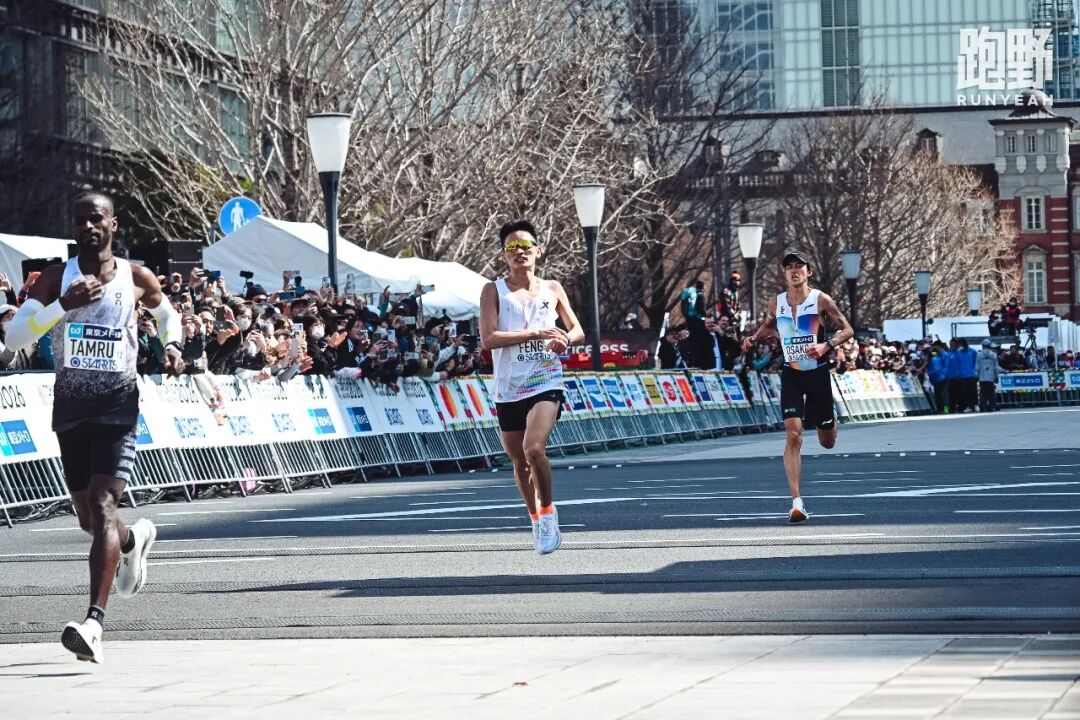
For a long time, the narrative that "Japanese marathons are unbeatable" has been deeply rooted across Asia. Feng Peiyou edged out Japanese figureheads Suguru Osako and Kengo Suzuki, shattering that stereotype with his performance. This victory proves that Chinese runners now possess the physical strength and mental fortitude to compete head-to-head with world-class stars on the same course.
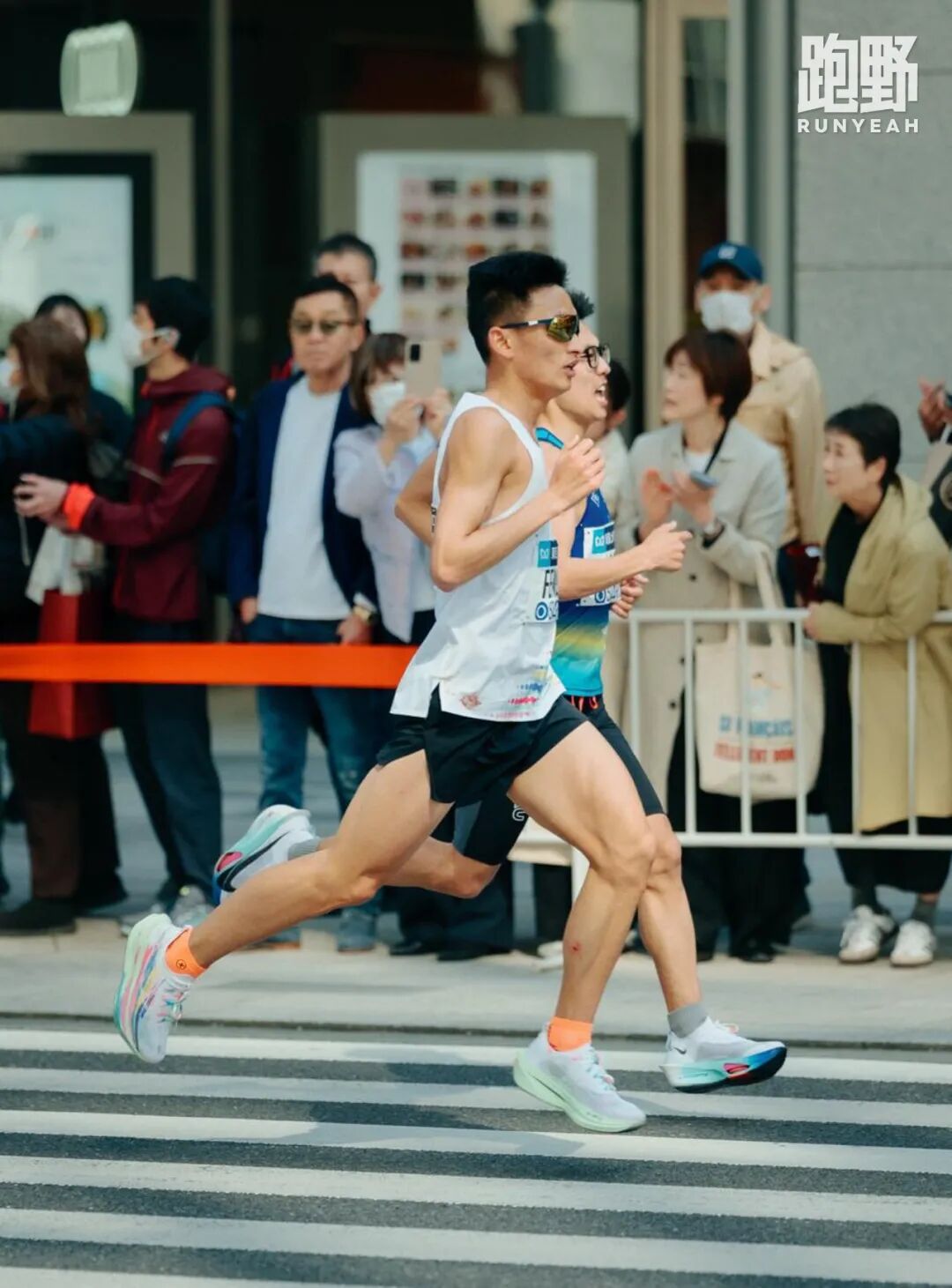
As a representative of China's post-2000 marathon generation, Feng Peiyou showed in Tokyo not just speed but a fearless bravado. Although before the race he joked about breaking into the 2:05 era, at the race he pushed so hard he even bled from his nose. Blood-stained Tokyo adds an extra dramatic layer to this victory.
When China's younger generation of athletes perform with confidence on the international stage, it not only shows the world the rise of a new era in Chinese sport, but also sparks a nationwide sense of pride. We believe this will inspire more young people to take up middle- and long-distance running.
A marathon has never been just a race — it's a showcase for global running-shoe brands. The XTEP 160X 7.0 PRO on Feng Peiyou's feet was the "secret weapon" that helped him set a new national record. This model is arguably the most aggressive shoe in the XTEP 160X family to date.
The midsole features the newly upgraded XTEP ACE+ cushioning technology with a dual-density construction designed to ensure durable rebound throughout the full marathon's 42.195 km distance. This setup balances rebound speed with compression feedback, allowing the shoe to react quickly on impact, preserving clear road feel without feeling overly stiff.
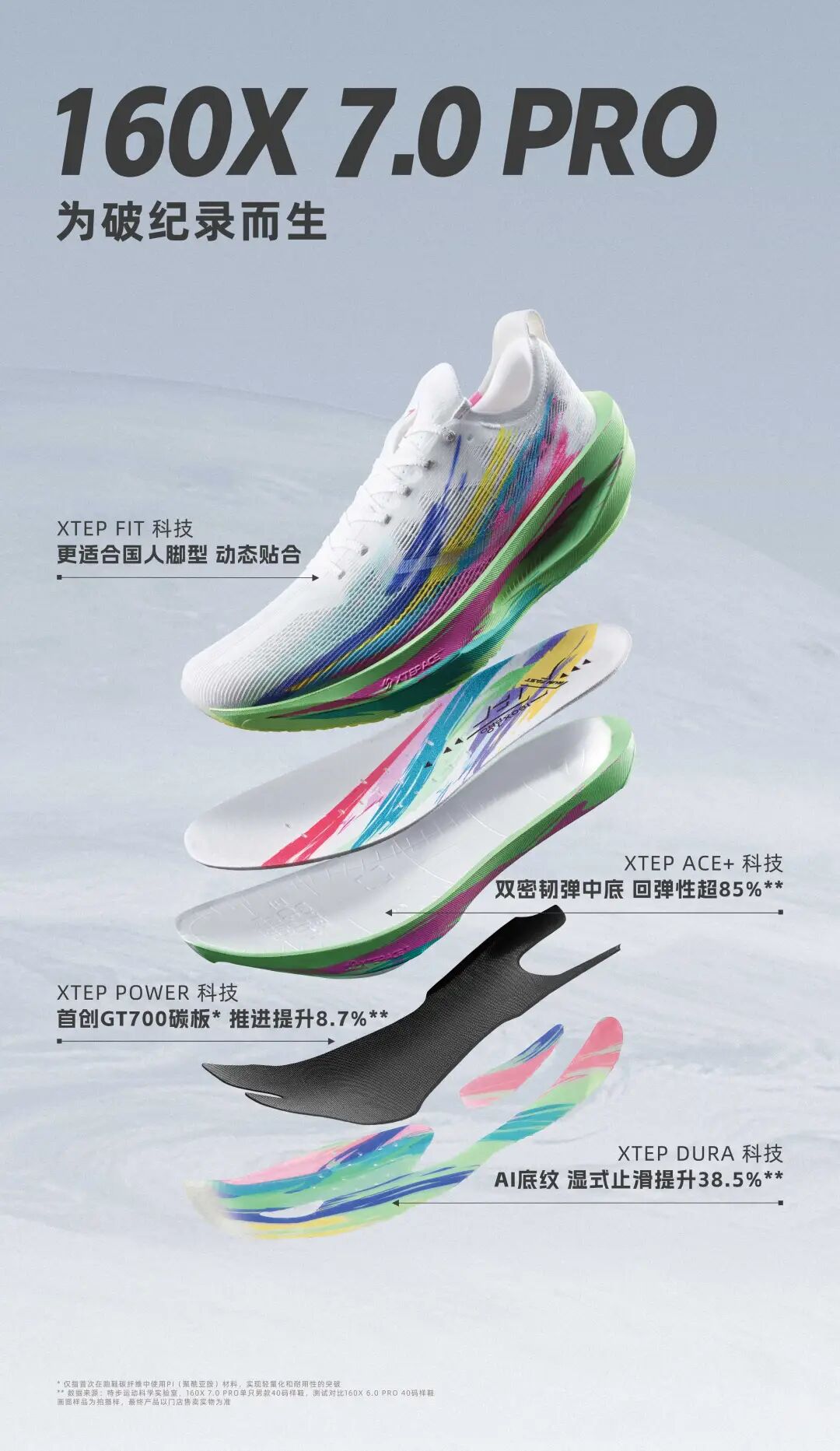
Equipped with the GT700 carbon plate, propulsion is improved by 8% compared to the previous generation. This core component, dubbed the 'Golden Carbon Plate' by Xtep, has received key optimizations based on the 6.0 generation, not only boosting propulsion but also addressing comfort issues some runners experienced with the predecessor.
The upper features a one-piece lightweight resilient-tech construction to optimize elasticity, lockdown, breathability, and quick-drying performance, while XTEP DURA technology increases outsole slip resistance by 38.5%.
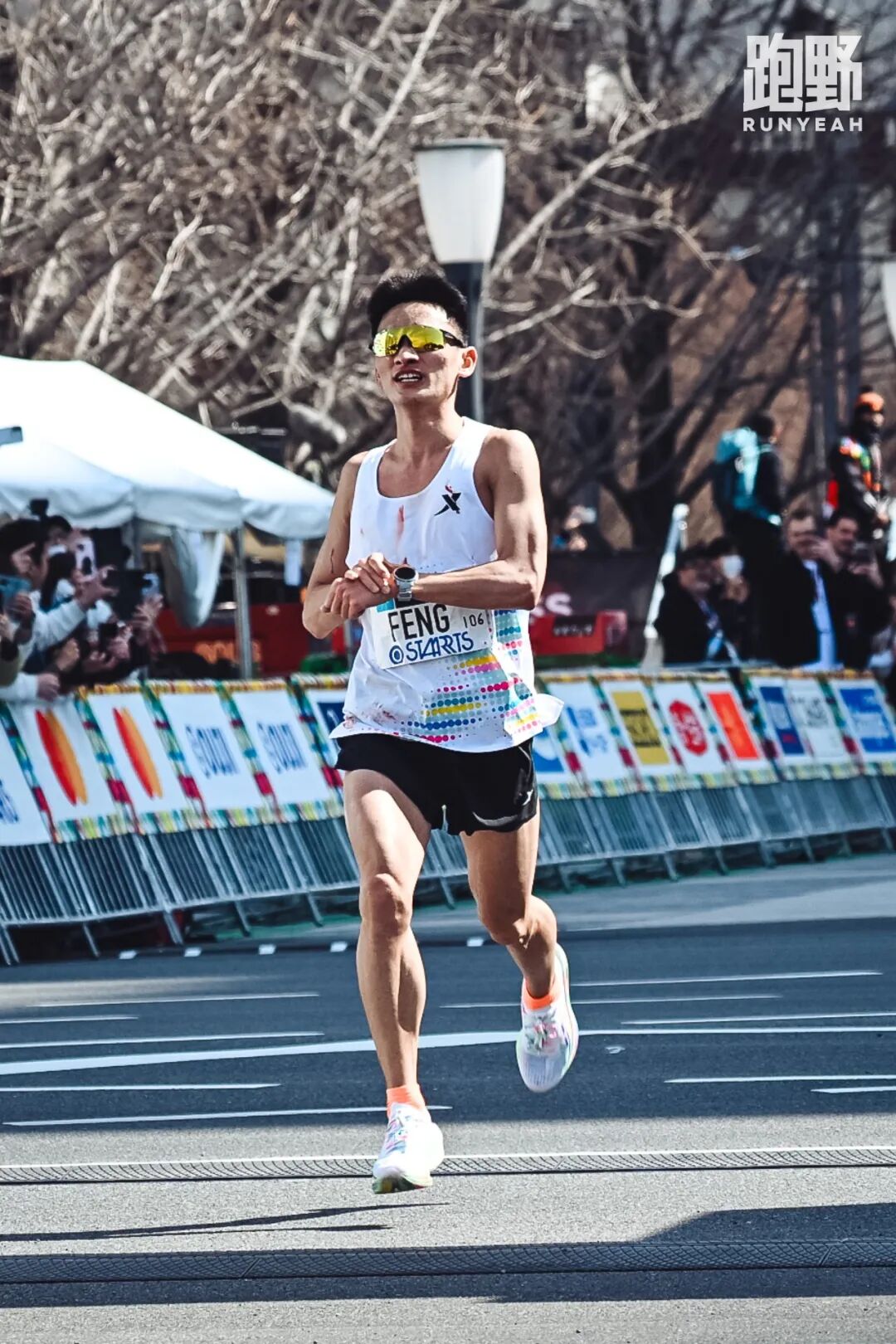
From 2023 when He Jie first broke the Chinese men's marathon record to now, the Chinese men's marathon national record has been broken four times in three years, and Xtep has been behind all of them. The first time it was the 160X PRO, the next two times were the 160X 3.0 PRO,and this time it’s the 160X 7.0 PRO. Chinese speed is making steady breakthroughs, and Chinese running shoes are continuously evolving.
Behind these breakthroughs is Xtep's 19 years of research-driven commitment to the road running industry.Since first sponsoring marathon events in 2007, Xtep has embedded running into the brand's DNA.Through innovationcontinuously delivering "black tech", Xtephas used 19 years of persistenceto define what "long-termism" means.So this is not only Feng Peiyou's personal victory, but also proof that Chinese running shoe technology is steadily maturing.
Looking back at the partnership between Xtep and Feng Peiyou, you can see a classic tale of a talent scout and a prodigy. As Xtep's running ambassador, Feng Peiyou's development didn't happen overnight. The brand's support for him went far beyond providing kit — it ran through his entire marathon career as a "running partner."
In early winter 2020, on the course of the Guizhou Leigong Mountain 100+ km ultramarathon, a 19-year-old wearing Xtep Racing 160X shoes completed an extreme challenge: two full marathons and one half marathon over three consecutive days. At that time, the little-known Feng Peiyou was just a sports school athlete who "hadn't really trained for the marathon" and entered the race simply as winter training.
That was the first "encounter" between Feng Peiyou and Xtep, and from then on it kicked off a five-year journey of "running alongside" him.
April 2021, Huai'an. Feng Peiyou, wearing Xtep 160X PRO, ran his first true full marathon. At that time he was still a chaser watching He Jie's back, finishing second in 2:16:28. He probably couldn't have imagined that five years later he would become the national record holder.
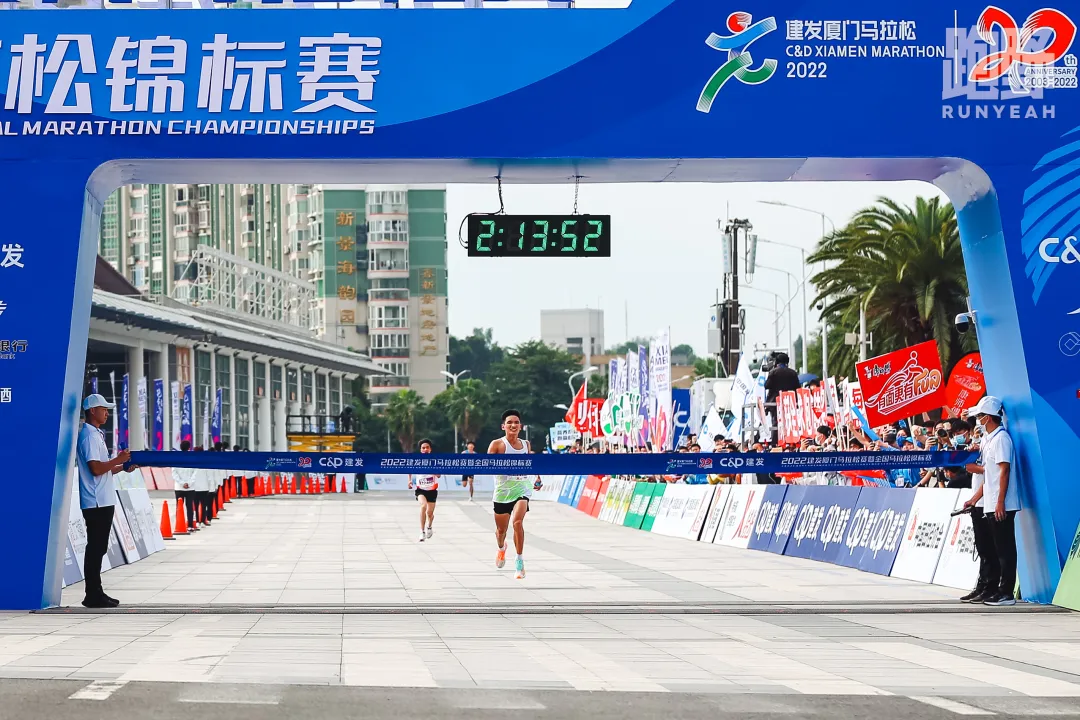
Fast forward to the Xiamen Marathon in November 2022, 21-year-old Feng Peiyou, wearing Xtep 160X 3.0 PRO, stormed to victory with a time of 2:13:53. He not only became Xiamen Marathon's first champion born in the 2000s, but it was also his first national championship title in his professional career and his first win at a platinum-label marathon.
Wuxi in 2023,the 160X 3.0 PRO accompanied himas he broke the 2:10 barrier for the first time,running 2:09:21. That same year in Fukuoka, he ran 2:08:07 to meet the Paris Olympic standard. In 2024 in Valencia, he ran 2:07:06, becoming the second-fastest in Chinese history.
From Leigong Mountain to Tokyo, from 2:20 to 2:05, five years, 16 full marathons.Looking back at Feng Peiyou's breakthrough journey, it almost ran in step with the evolution of Xtep's 160X series.
The 'Dreamer' colorway 160X 7.0 PRO on the Tokyo course may fade with time, but the story of a talent-spotter and his champion will be forever etched into the history of Chinese marathon. As Xtep hoped—"Pass on the Power of Running"—it's not just a slogan, but a real footnote to every start, every step of persistence, and every breakthrough.

From He Jie breaking a 15-year-old Chinese men's marathon record in 2023, to now Feng Peiyou pushing it further. In just three years, the Chinese men's marathon record has been rewritten four times—from "2:08" to "2:07", then to "2:06", and now into "2:05".
Behind this, Xtep has not only always been present but has been an important driving force. From launching the "National Speed" strategy in 2019 to witnessing the Chinese marathon record fall four times in three years, Xtep's role has long since gone beyond that of a simple sponsor or equipment provider.
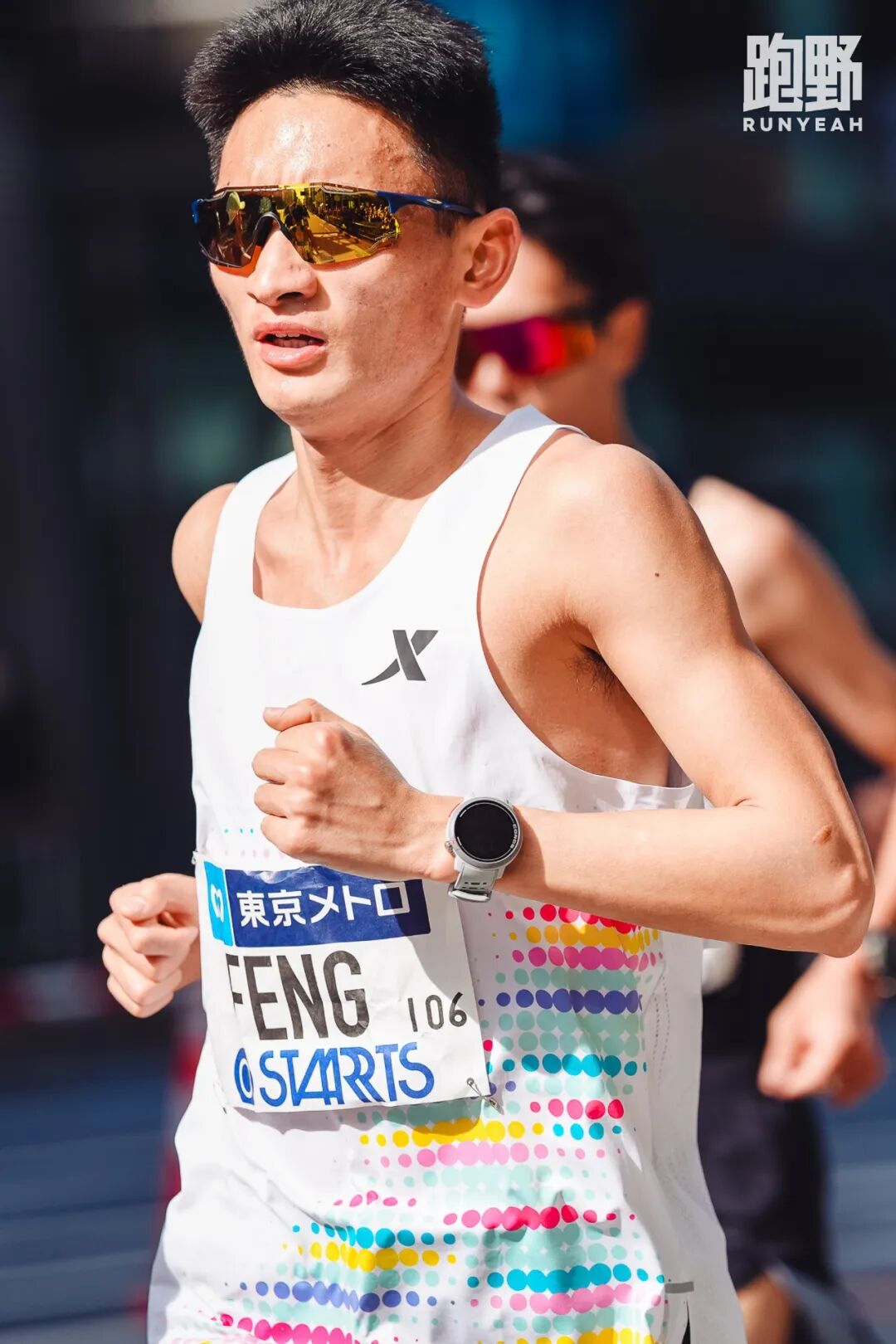
The "2:05 era" is not the finish line but the starting line for Chinese marathon to launch an assault on higher peaks. As Feng Peiyou said after the race, the aim is to move toward a "2:04" target. As long as they maintain a scientific training approach and continue to be empowered by Chinese running-shoe technology, "Chinese speed" is something to look forward to on top international stages like the World Championships and the Olympics. We can look forward to the 2027 World Athletics Championships in Beijing.
Keep in mind Feng Peiyou is only 24 years old. His peer Suguru Osako has not yet run a marathon, and Kengo Suzuki has yet to break 2:10, while Feng is already the Chinese marathon national record holder. For the future, we have reason to expect he will run even faster — the Asian record may not be out of reach. Beyond Feng Peiyou, a group of young athletes are also gradually emerging.
Every small breakthrough is a small step forward. The "China Speed" of Chinese marathons is getting faster on the course and going farther.
Text:CC / Editor:CC