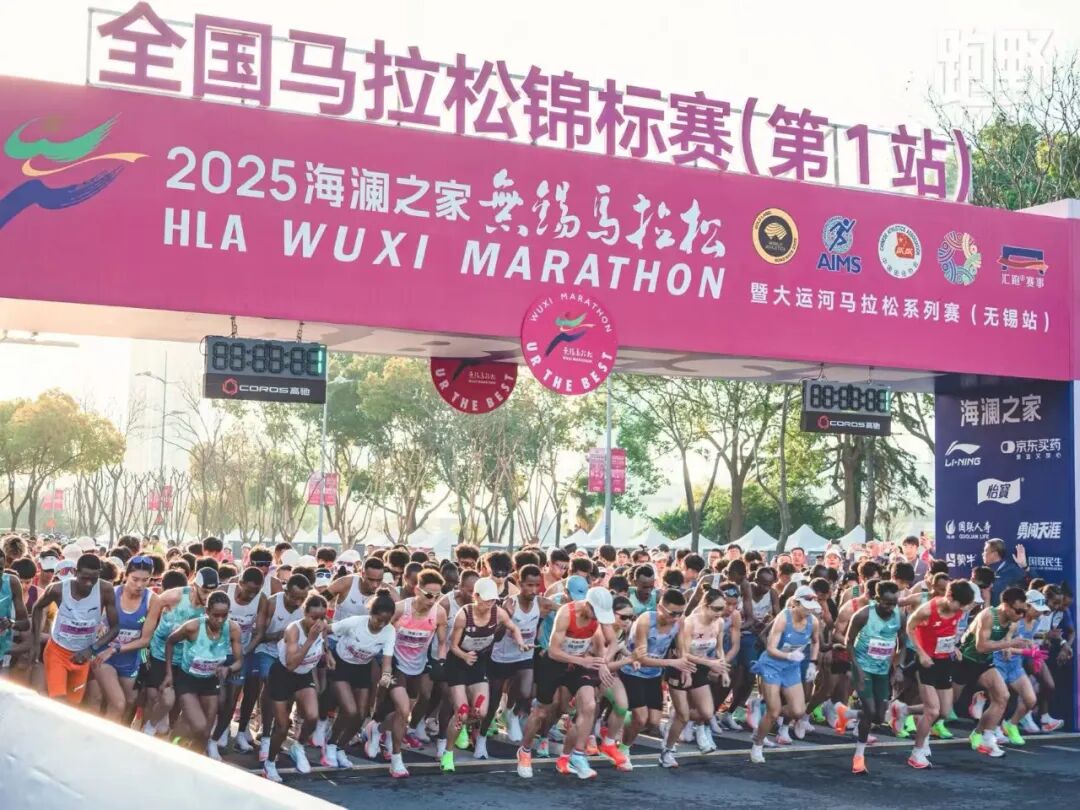
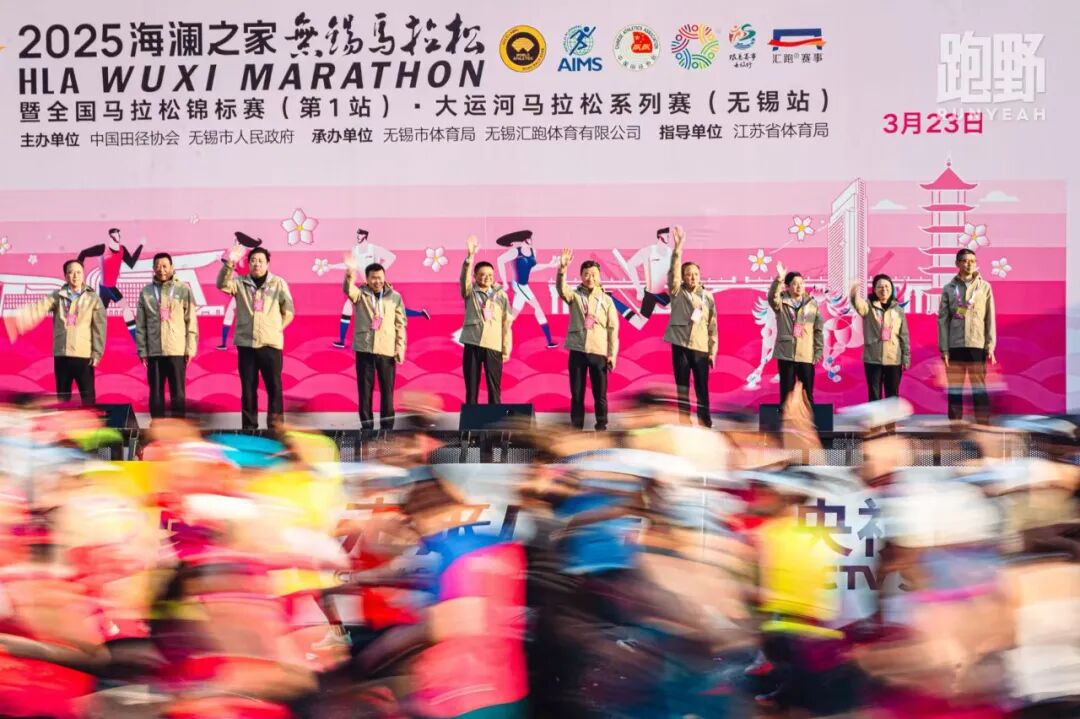
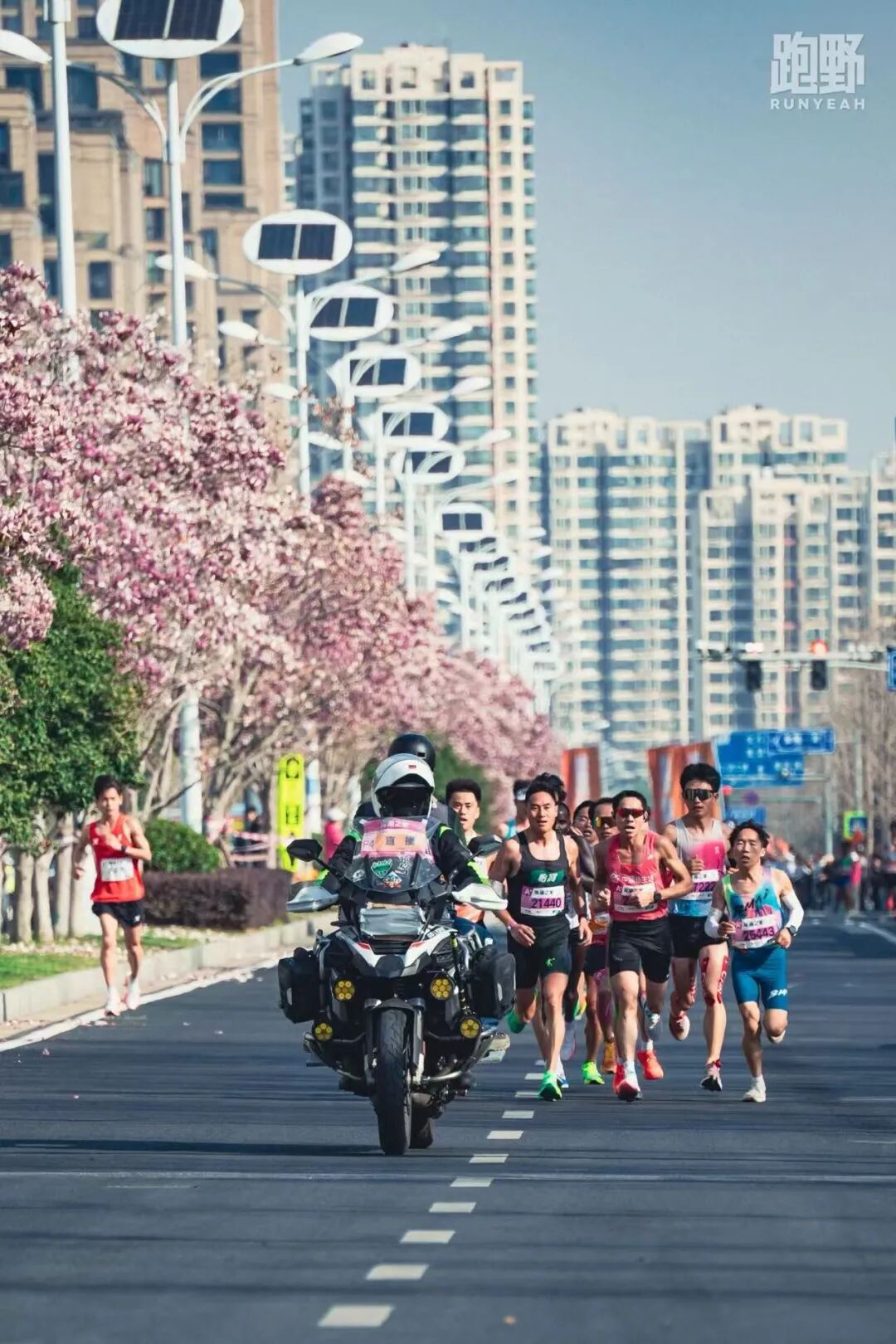
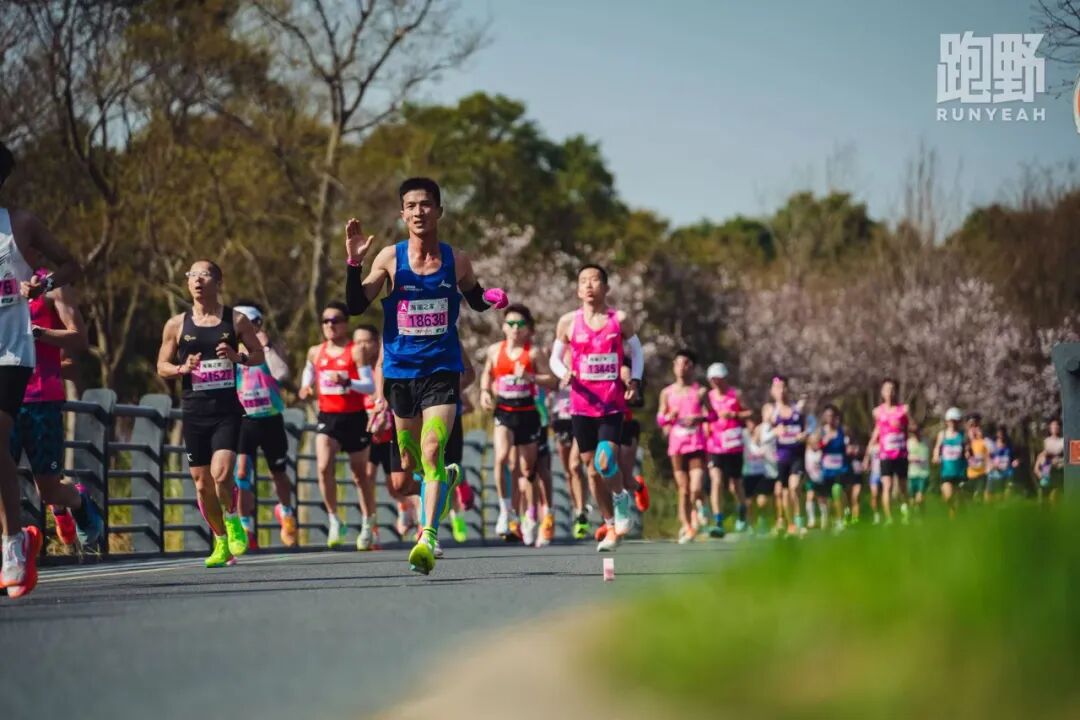
This began as a "powerful alliance" and ended in a "peaceful split." As a leading operator in China's road running industry, Wuxi Huipao Sports Co., Ltd. (hereafter "Wuxi Huipao") is closely associated with that famous pink glove and the cherry blossom rain that falls every March. However, on the track of capital, the company that built the "zero-complaint" Wuxi Marathon has just undergone a major equity change.
On October 23, Qujiang Cultural Tourism (600706) issued a notice that the board approved a proposal for the performance-guarantors (that is, Huipao’s original management and shareholders) to repurchase 55% of Wuxi Huipao’s equity. After the transaction is completed, Wuxi Huipao will no longer be included in Qujiang Cultural Tourism’s consolidated financial statements.From a high-profile entry in 2021 to a subdued exit in 2024, what exactly happened over these three years? As state capital retreats, it leaves not only a transfer payment of RMB 77,012,500 but also a profound question about the commercial value of China's road running event companies.Turn the clock back to 2021. At that time, China’s marathon market was enduring the torment of repeated COVID outbreaks, but the capital market still had confidence in the future of the road-running industry. Qujiang Cultural Tourism, through a capital injection and equity transfer, spent 68.75 million yuan to acquire 55% of Wuxi Huipao, securing absolute control of this high-profile road-running company.The logic at the time was appealing: Qujiang Cultural Tourism had state-backed resources and scenic sites, while Huipao had top-tier event operations and a strong IP reputation. The combination was supposed to be a complementary win-win.However, the reality proved far more complicated. According to announcements, the two parties had signed a stringent earn-out agreement (performance commitment). Under the original plan, Wuxi Huipao was required to achieve net profits ranging from 8 million to 16 million yuan each year from 2021 to 2024. Force majeure disrupted the rhythm: widespread cancellations and postponements in 2022 pushed net profit into the red. Even after the agreement was adjusted and the timeline extended to 2026, reality remained harsh — in 2024, affected by changes in event policies and obstacles to business operations, Wuxi Huipao’s completion rate of its performance commitments was only 39.61%.Rather than draining each other over unattainable KPIs, it made more sense to cut losses. Qujiang Cultural Tourism chose to "take the money and run," not only recovering its principal but also earning interest and dividends, while Huipao’s management regained control of the company through a buyback.The most eye-catching figure in this deal is the 77.0125 million yuan equity transfer payment. What does this amount include?According to the announcement, this is the repurchase price negotiated based on objective circumstances. One intriguing detail is: the annual reasonable profit rate was lowered from the originally set 10.37% to about 7%. This means Qujiang Cultural Tourism conceded on the yield in order to smoothly take the money and leave, while Huipao's management bore substantial financing costs to redeem their independence.So, how much is Wuxi Huipao worth now? If we simply back-calculate from this transaction's 55% equity consideration of 77.0125 million yuan, Wuxi Huipao's post-money valuation is about 140 million yuan (approximately 77.0125 million / 0.55).Compared with the roughly RMB 125 million valuation at the time of the 2021 acquisition, it superficially appears slightly higher, but considering this includes three years of financing interest costs, the company's intrinsic valuation hasn't undergone a qualitative leap.This figure may reveal the awkward predicament of China's road race event operators:Revenue ceiling is low: Even events like the Wuxi Marathon that generate tens of millions in registration fee revenue and attract top sponsors still see net profits hovering at the "million-level" after deducting high security, materials, publicity and operating costs. Relying on a few flagship events alone is far from enough to sustain a higher market valuation.Non-standardization problem: A marathon is not a standardized industrial product. Wuxi's success is hard to simply replicate in other cities, as HuiPao experienced in the turnover of Xi'an Marathon operating rights. Each city's course, government relationships and sponsor ecosystem need to be reworked and accumulated through "building up race volume."High policy dependence: the announcement explicitly cites "2024 event policy changes" as the reason for missing targets. In China, the road-running business is essentially a hybrid serving both the government and runners; once the organizer—acting as the client—cuts its budget or changes decisions, the event company's performance, as the contractor, can hit a "wall."With Qujiang Culture & Tourism's exit, it may not necessarily be a bad thing forHuiPao. Freed from the pressure of listed-company financial statements, Li Changzheng (founder of HuiPao) and his team might be able to recover the geeky spirit of "doing it only to make it better," no longer contorting their actions just to hit profit numbers. However,looking at the industry as a whole, Zhimei Sports (01661.HK) has already seen its share price sink to the bottom, and established players like ZhongAo Sports are scrambling to transform.The single "event operations service provider" model no longer appears "sexy" to the capital markets.For leading Chinese event companies like 汇跑, the future commercial value may not lie in "selling the company to a state-owned enterprise", but in whether they can find ways to break through the current industry bottlenecks.Whether event companiestruly own the event IP rather than merely acting as "operational agents" for a few years could become an important breakthrough,At present, most city marathon IPs in the country belong to the government, and operators can be replaced at any time.In addition to simply organizing races, event companies need to extend the industry chain—running training camps, integrating races with local tourism, and selling merchandise and related products—to enhance their industry value through high-margin supplements.Finally, beyond the mass texts sent before and after races, could event companies that hold vast runner data consider deeper forms of collaboration and connection?For the everyday runner, the capital-level power plays may seem distant, but they directly affect our on-course experience and the quality of race services.The split with Qujiang Cultural Tourism marks the end of the road-running industry's "land-grab" era. Capital has realized that the marathon is not a get-rich-quick business — it's more like an ultramarathon, requiring immense patience and a strong appetite for risk. HuiPao bought back its freedom, but also took on debt. Will new investors appear? It's very likely.We look forward to this newly independent "pink glove" continuing to bring surprises to Chinese runners on future courses. After all, beyond the commercial finish line, what runners care about most will always be that finisher's singlet and the sound of the starting gun.What do you think of this valuation?
Text:Trail Lightning / Editor: DavidPhoto:Trail Running Big Bang / Design:Five-YearTrainee