On January 11, 2026, just as runners around the world were still poring over their PBs and regrets from the 2025 season, the U.S. sports-business world dropped a major bombshell at the start of the new year. According to multiple authoritative financial outlets, the world’s largest social network for athletes Strava has secretly filed for an initial public offering (IPO) with the U.S. Securities and Exchange Commission (SEC) and has hired Wall Street heavyweightGoldman Sachs to lead the listing process.
This news is not only a hot topic in the tech world, it will also have far-reaching implications for hundreds of millions of endurance athletes worldwide. At the same time, traditional sports giants like Nike, lululemon, and Under Armour have been active at the start of 2026 — a capital drama about the “business of sport” is now playing out.
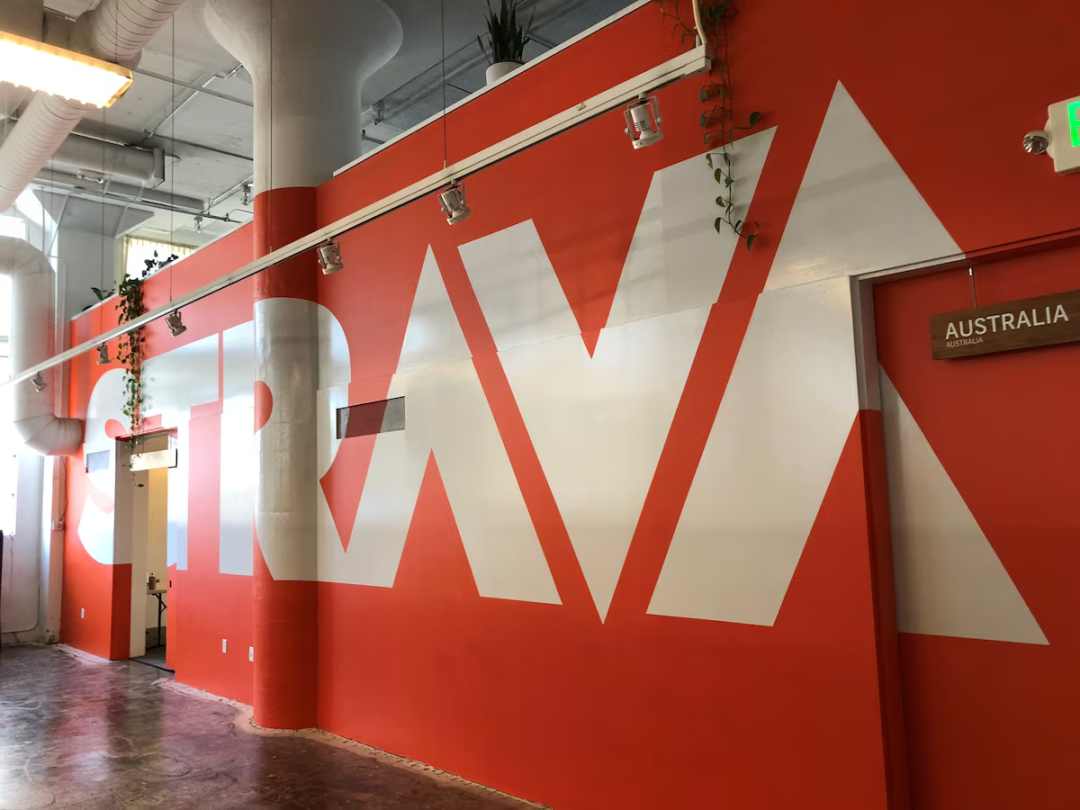
For every runner who gets up at 5 a.m. to pile on the miles and who uploads their data immediately after a long run hoping for "likes," Strava's iconic orange logo has long been part of life. According to recently disclosed information, the company founded in 2009 has finally taken a key step toward going public.
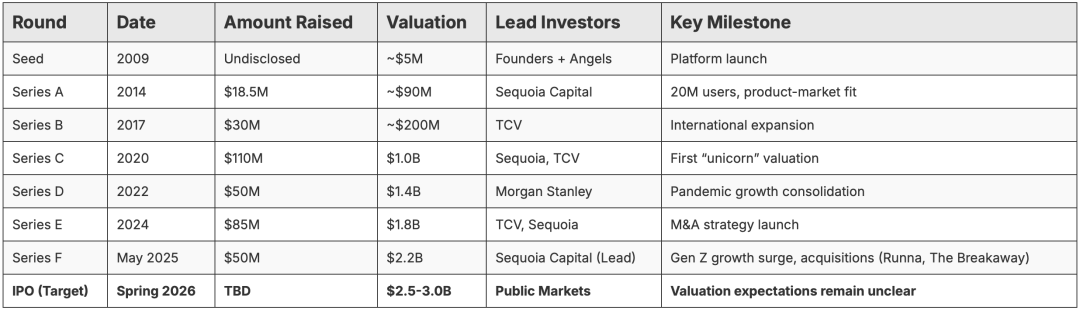
Insiders say Strava's valuation ahead of this IPO has recovered to $2.2 billion or so, not shrinking much compared with its pandemic peak and instead showing greater resilience thanks to solid operations. Even more encouraging, reports show Strava achievedrevenue growth of over 50% in 2025 and successfully crossed into profitability. For a tech company long known for its "community vibe" rather than aggressive monetization, this is a very persuasive business signal.
Strava's IPO is not a spur-of-the-moment decision, but the result of a series of carefully planned moves throughout 2025.


In October 2025, on the eve of submitting its IPO, Strava sued hardware giant Garmin over patents related to the Heatmap and Segments. Although the lawsuit was withdrawn just 21 days later, the industry read it as a defensive show of force intended to firm up the valuation of its intellectual property before going public.

If Strava represents the rise of digital sports platforms, then the physical-equipment giants represented by Nike and lululemon have looked rather unsettled at the start of 2026. Strava's listing has come at a delicate moment as traditional sports brands collectively seek to reposition themselves.

As the undisputed leader in running shoes, Nike went through a period of weak share performance at the end of 2025. To steady confidence, Nike internally staged a rare buy-the-dip move: the CEO and independent directors increased their shareholdings, and the company also sold its NFT platform.


Once a sportswear legend, lululemon has plunged into a far fiercer power struggle. After CEO Calvin McDonald left at the end of 2025, company founder Chip Wilson launched a proxy fight, attempting to completely overhaul the board. At the same time, activist investor Elliott Management has also amassed more than $1 billion in shares, aiming to push for a management shake-up. This boardroom drama (boardroom spectacle) has left lululemon's future full of uncertainty.

By contrast, Under Armour has gained a powerful ally. Investment giant Fairfax Financial disclosed on January 8, 2026 that it had significantly increased its stake to 22%. The news sent Under Armour's stock sharply higher. This long-term capital injection could provide the strategic stability the brand—long searching for a path to revival—urgently needs.
Strava's IPO is undoubtedly one of the biggest events in sports tech in recent years. But what does it actually mean for us ordinary runners?
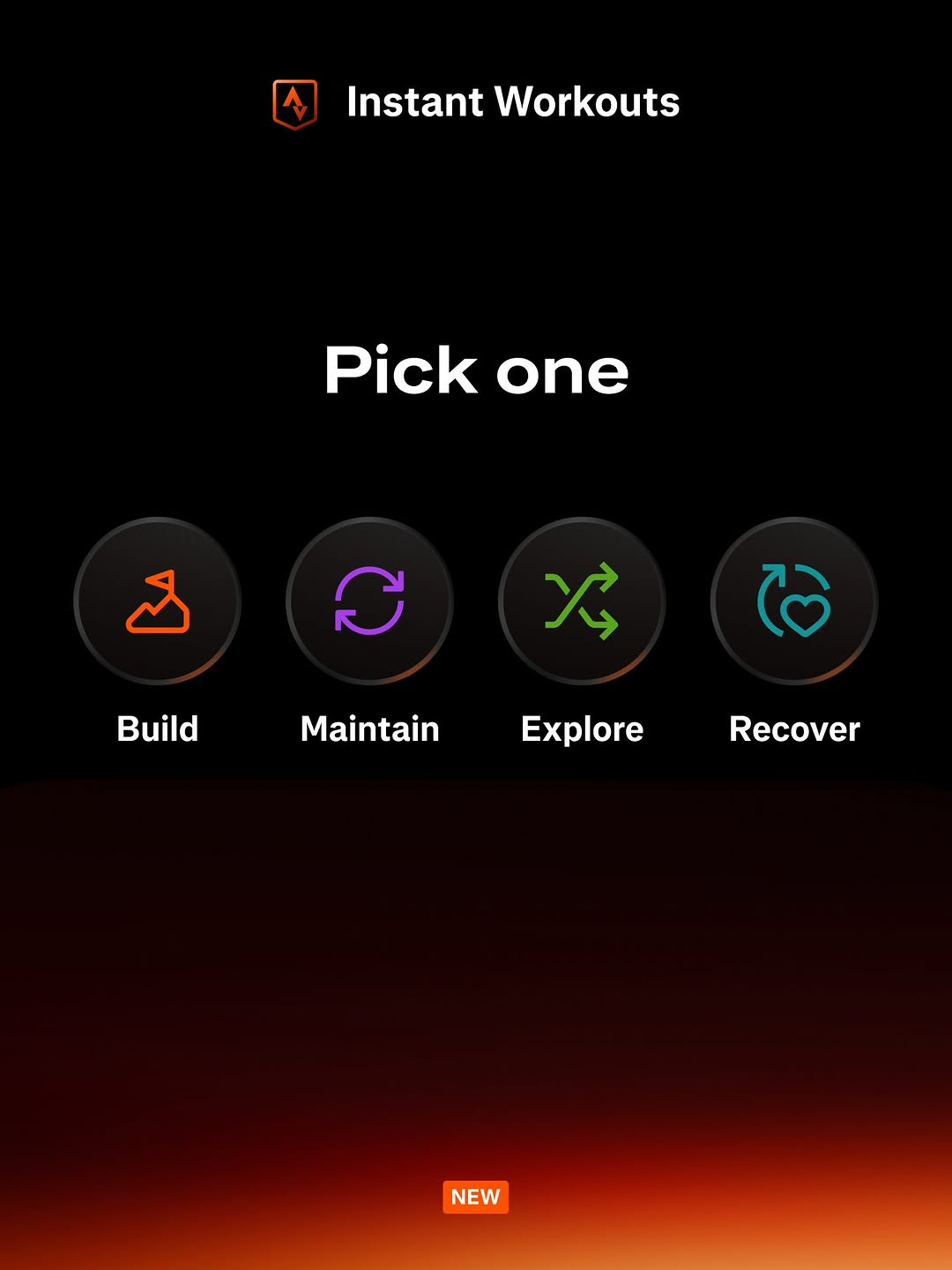
First, more powerful features and ecosystem. Going public means having more abundant capital. We can expect Strava to accelerate the integration of Runna’s training plans—perhaps soon your Strava will no longer just tell you "how fast you ran", but, based on your heart rate, pace and fatigue, tell you "how to run tomorrow" like a real coach. In addition, API integrations with hardware makers (such as Garmin, Coros, Apple Watch) may become deeper and more stable.
Also, monetization pressure and “data walls” Capital is profit-driven. A publicly listed Strava will inevitably face quarterly earnings pressure. Regular runners may encounter these questions: will current free features be further pared back? Will premium analytics rise in price? For revenue, will our clean timeline (Feed) start to show more shoe ads or sponsored challenges? As the company that owns the world’s largest database of activity traces, how Strava balances commercializing data with protecting user privacy will be a major ethical test.
2026 is bound to be an extraordinary year for the running community.
On one hand, digital platforms represented by Strava are attempting to redefine our understanding of sport by connecting people and data; on the other hand, traditional giants like Nike, lululemon and others are struggling to pivot during the capital winter.
For runners, no matter how turbulent the capital markets are, the road beneath our feet remains honest. We welcome Strava gaining more resources to improve its products, but we also hope it can hold on to its original mission of “recording pure sweat.” After all, Kudos (likes) are nice, but what truly keeps us going is the self that keeps pushing past its limits.

Strava's equity structure has the typical characteristics of a Silicon Valley high‑tech startup:
Founders and management: Founders Mark Gainey and Michael Horvath hold significant shareholdings.
Although their stakes have been diluted through multiple funding rounds, they retain significant influence via long-term control and board seats. Current CEO Michael Martin (appointed in 2024, formerly at Nike and YouTube) as a key executive also holds a considerable amount of options or restricted stock. Institutional investors (major shareholders): Strava has undergone multiple funding rounds from Series A to G (and debt financing). Major institutional shareholders include:
Sequoia Capital:one of the key lead investors.
TCV (Technology Crossover Ventures):lead investor in the 2020 Series F round and a major supporter in later-stage financings.
Jackson Square Ventures:an early investor.
Dragoneer Investment Group:a growth fund that joined in later-stage rounds.
Other participants:including Madrone Capital Partners, Sigma Partners, Go4it Capital, and others.
Employee share ownership (ESOP): As a mature tech company, Strava maintains an employee option pool, typically representing 10%–20% of total equity. On secondary markets (such as the Nasdaq Private Market), shares of some long-standing employees are occasionally traded.