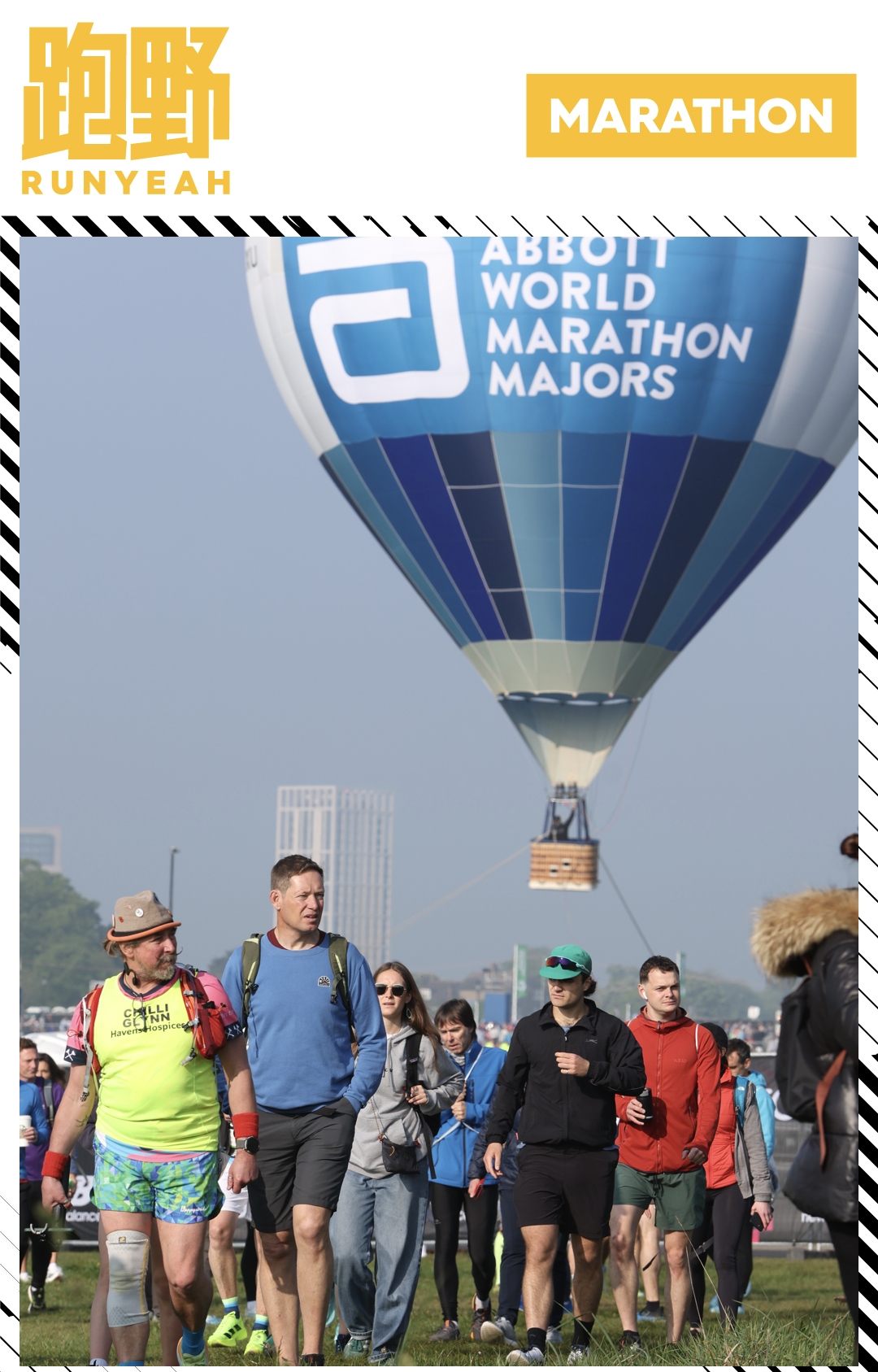
In the history of the crossover between technology and sporting events, March 16, 2026,was destined to be a milestone day.London Marathon Events officially announced,Apple has officially joined the sponsor roster of the TCS London Marathon, becoming the Official Performance Technology Product Partner for the 2026 event.
What seismic effects will Apple's partnership with the London Marathon have on the sports-tech industry? What does the future strategic evolution of Apple's core product lines mean?

In the traditional marathon sponsorship ecosystem, official timing or technology partners are usually dominated by specialist sports-watch brands or established watchmaking giants. Apple has broken industry convention by landing the headline partnership with the TCS London Marathon; behind this, the core driving force is a strong alignment between the two on the concept of "mass-market health", as well as a strategy to capture both the long-tail market and the elite segment.
London Marathon Events CEO Hugh Brasher said when announcing the news: "We are delighted to welcome Apple as an official partner of the TCS London Marathon. Inspiring people of all ages and abilities to get active is a core mission we share, and this new partnership echoes our commitment to helping people live healthier lives."
From a commercial perspective, 1.13 million entries not only represent the global influence of the London Marathon, but also constitute an extremely large and highly targeted pool of high-value users.
Among these runners are newcomers who have just started 'racking up mileage', those hoping to complete their first marathon, as well as runners wearing the latestcarbon-plated running shoes, chasing optimal pace and aiming to set a new PB (personal best) on the course — serious competitors. London Marathon entries are largely secured through charity spots, and these runners' purchasing power is considerable.

Apple's Vice President of Fitness Technologies, Jay Blahnik, also confirmed this strategic intent:
"The London Marathon is one of the greatest sporting events in the world, and a hugely influential celebration for the global running community. Apple's technology, through powerful tools and data insights, supports runners of all levels, helping them stay motivated, track progress, and gain a deeper understanding of their health and fitness. We are incredibly excited to be a partner of the 2026 TCS London Marathon."
Apple is focused not only on the 42.195 kilometers of the marathon course, but also on the months of preparation that runners undergo, the extreme challenge of race day, and the post-race recovery. This is a complete commercial closed loop covering data tracking, lifestyle interventions, and hardware-software integration.

Apple's entry as the "official sports performance technology partner" is undoubtedly a disruptive blow to the traditional sports-tech industry. For a long time, the sports-tech market has tended to focus on single-dimensional competition: longer battery life, more accurate dual- or multi-constellation GPS, or more complex professional training data analysis.
However, Apple brings a combined package of offerings — as emphasized in the official statement, Apple provides an advanced suite of health and fitness tools designed to support every stage of a runner's journey.





Apple's deep partnership with the London Marathon is, in effect, a top-tier real-world rehearsal for its core hardware ecosystem. This is not merely a marketing slogan, but rather a clear guide to the future development direction of product lines such as the iPhone, Apple Watch Ultra, and the next-generation AirPods.

As stated in the announcement, Apple's technology is designed to support "advanced athletes who push the limits." In this dimension, the Apple Watch Ultra is undoubtedly Apple's core weapon in its push to conquer the field.
For serious runners, the marathon is a precise calculation in the battle against the body's limits. When faced with the complex urban environment of the London course (for example the dense tower cluster around Canary Wharf), GPS signal drift often causes runners to misjudge theirpace. Future Apple Watch Ultra models will inevitably further optimize their dual-frequency GPS algorithms to ensure they still provide pinpoint-accurate pace feedback in urban canyons.
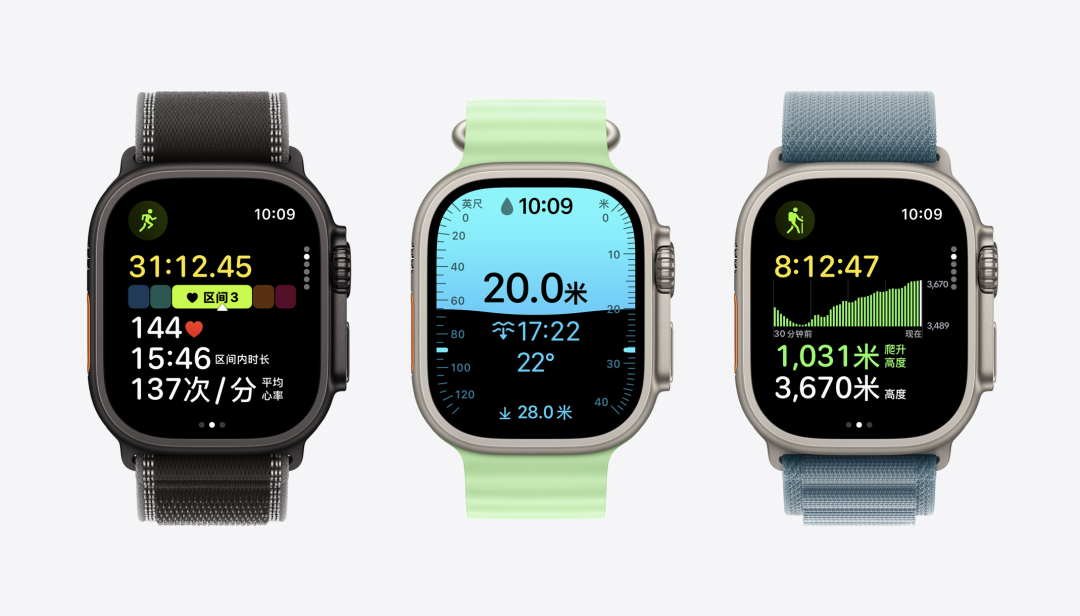
Moreover, when coping with the fearsome "hitting the wall" phase in marathon racing, the Apple Watch Ultra should be more than just a recording tool — it needs to evolve into an "intelligent on-wrist coach".
By continuously monitoring runners' running power, cadence, ground contact time and vertical oscillation — key running economy metrics — the Ultra can issue scientific stamina-allocation alerts before a runner reaches a physiological breaking point, helping them successfully cross that threshold. The collaboration with the London Marathon will accelerate validation and iteration of these professional features on real elite courses.

If the Apple Watch is the frontline scout on the course, then iPhone is the runner's central brain for marathon preparation. Apple emphasizes that its tools can help runners "gain a deeper understanding of their health and fitness status".
In future product strategies, the iPhone's built-in Health and Fitness apps will carry deeper analytical capabilities than ever before. Marathon preparation requires scientific periodized training; runners need to build up mileage over months to improve their aerobic base.building up mileage to boost their aerobic base. The iPhone may introduce more advanced "training load" and "recovery insights" models, integrating runners' sleep data, resting heart rate (RHR) and heart rate variability (HRV).
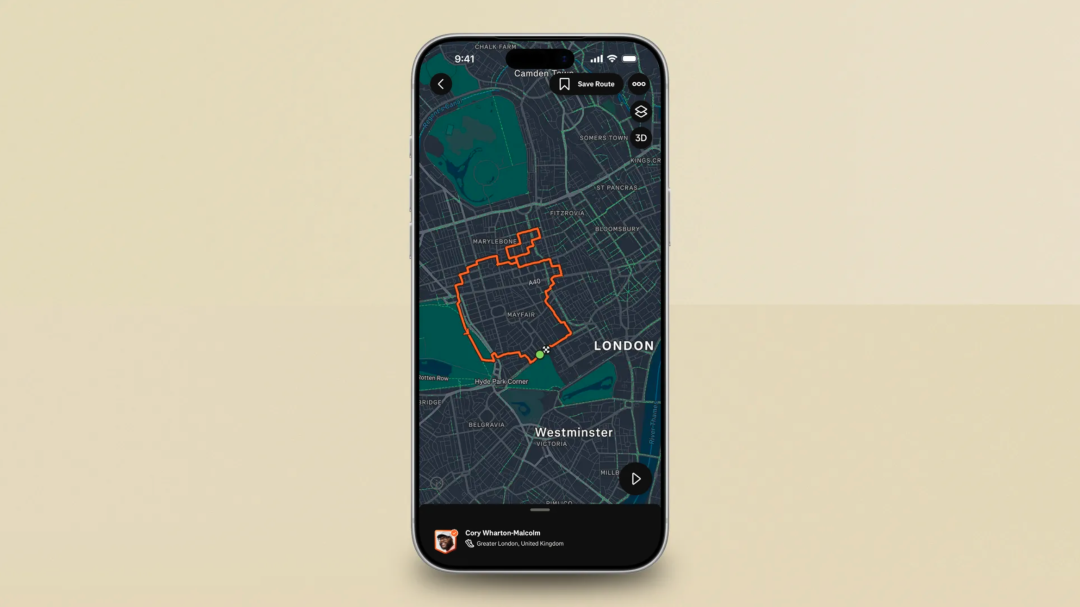
Moreover, with rapid advances in running shoe technology, many runners frequently rotate shoes during training. The iPhone's future software ecosystem might be able to use subtle changes in gait data to provide runners with equipment wear assessments and injury-prevention advice. As an "official technology ecosystem hub", the iPhone will piece together scattered health data into a complete picture of the body's condition, ensuring runners take their places on London's start line at 100% peak condition.

A marathon is not only a test of physical fitness but also a psychological battle. Apple VP Jay Blahnik specifically mentioned in his remarks the importance of helping runners "stay motivated". During long-distance running, auditory feedback is key to maintaining focus and motivation.
Against this backdrop of strategic collaboration, the next-generation AirPods will be positioned as far more than "wireless earbuds." Combining Transparency mode with active noise cancellation, future AirPods will offer runners a safer outdoor road running experience—both blocking external noise to help maintain focus and allowing clear hearing of traffic conditions or the cheers of spectators along the course.
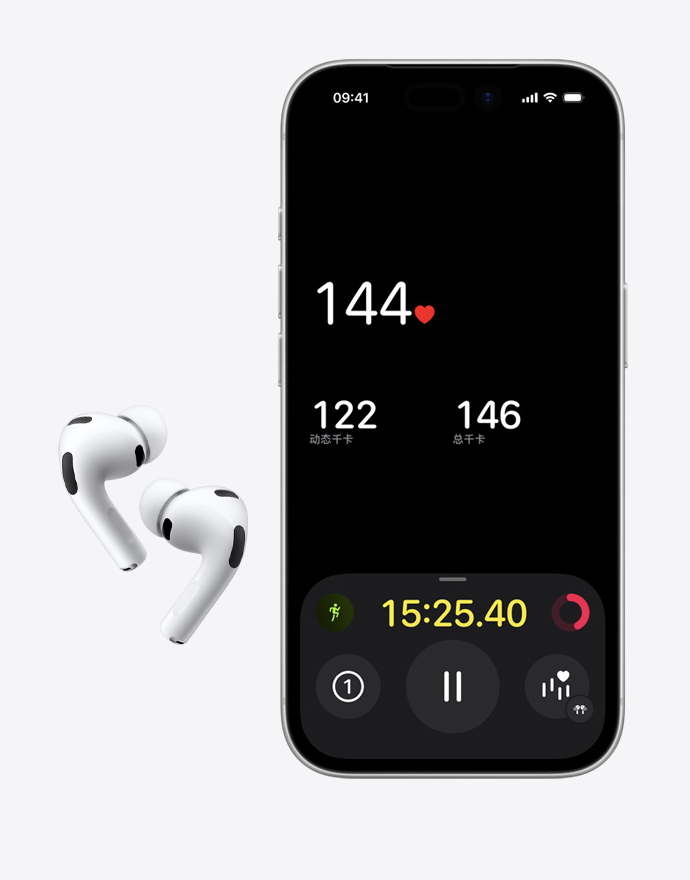
More importantly, AirPods will become the voice interaction terminal within Apple’s fitness ecosystem. When a runner is grinding on the course, there’s no need to raise a wrist to check the watch — AirPods can combine current real‑time heart rate with the targetpace, and automatically voice actionable strategy suggestions. For example: "Your current pace is 10 seconds faster than your target PB pace, and your heart rate has entered the anaerobic zone — consider easing off slightly at the next aid station." This seamless, human‑centred technological companionship is exactly the moat that sets Apple apart from pure hardware makers.

The essence of business is solving pain points and creating value. In the past, many beginner runners were intimidated by taking on a full marathon, while hardcore athletes often felt that mainstream smartwatches weren’t "hardcore" enough.
Apple's partnership with the London Marathon aims to use a single ecosystem to remove the barriers between these two groups.
For beginners seeking motivation, Apple reduces the tedium of running through social sharing, achievement badges, and a seamless music experience. From finishing 5K to a half marathon and then a full marathon, the system provides continuous positive feedback, turning the once-grueling process of "building mileage" into an achievement-driven progression game.
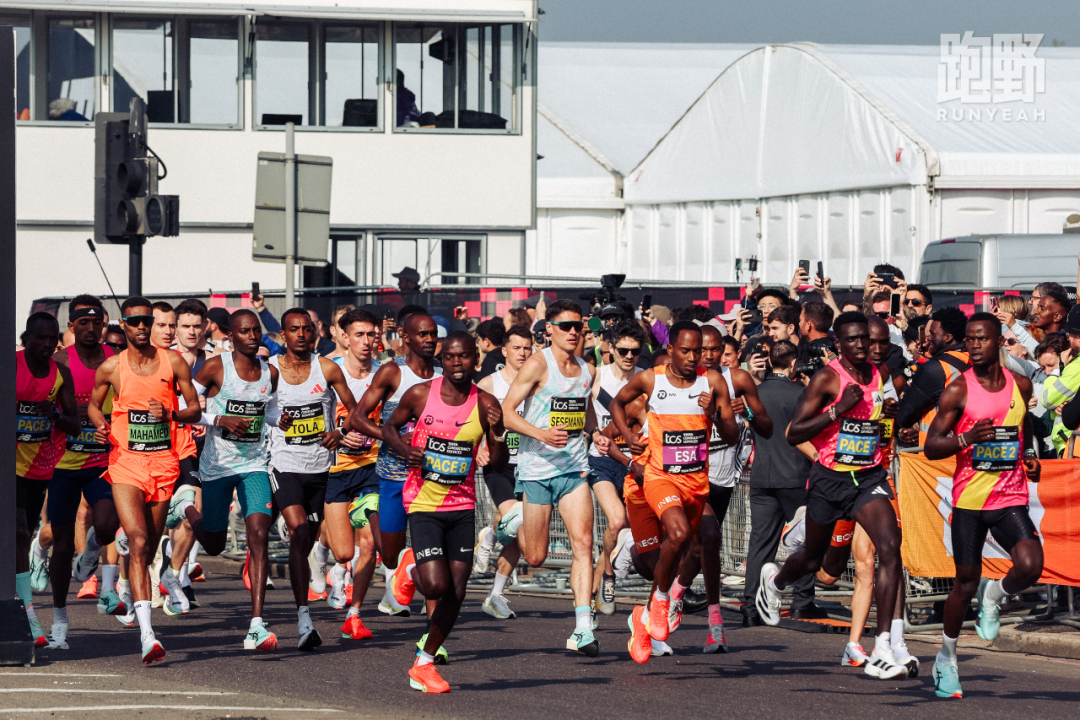
For elites pushing their limits, deep metric customization, high-precision sensors, and the ability to seamlessly link with third‑party professional training platforms make the Apple ecosystem capable of supporting scientific training plans for strict Sub-3 and even higher goals.
The more than 1.13 million entrants for the London Marathon are the perfect embodiment of these two groups. By becoming the official technology partner, Apple has effectively planted a single idea in the minds of those 1.13 million potential customers: Apple can provide professional companionship.

With its partnership with the London Marathon, Apple's next commercial move is very clear: it not only wants to be the world's leader in consumer electronics, but also the indispensable "personal master of health and athletic performance management" for hundreds of millions of sports enthusiasts around the globe.
For Garmin, Suunto and COROS, this may be the first real "moment of crisis" they've faced in the past decade. As for Huawei and Huami, they're familiar with this kind of warfare, but this time the opponent is Apple.
When a company with the world's strongest hardware, software and ecosystem-integration capabilities starts taking "running" seriously, this industry can never go back to what it was.