
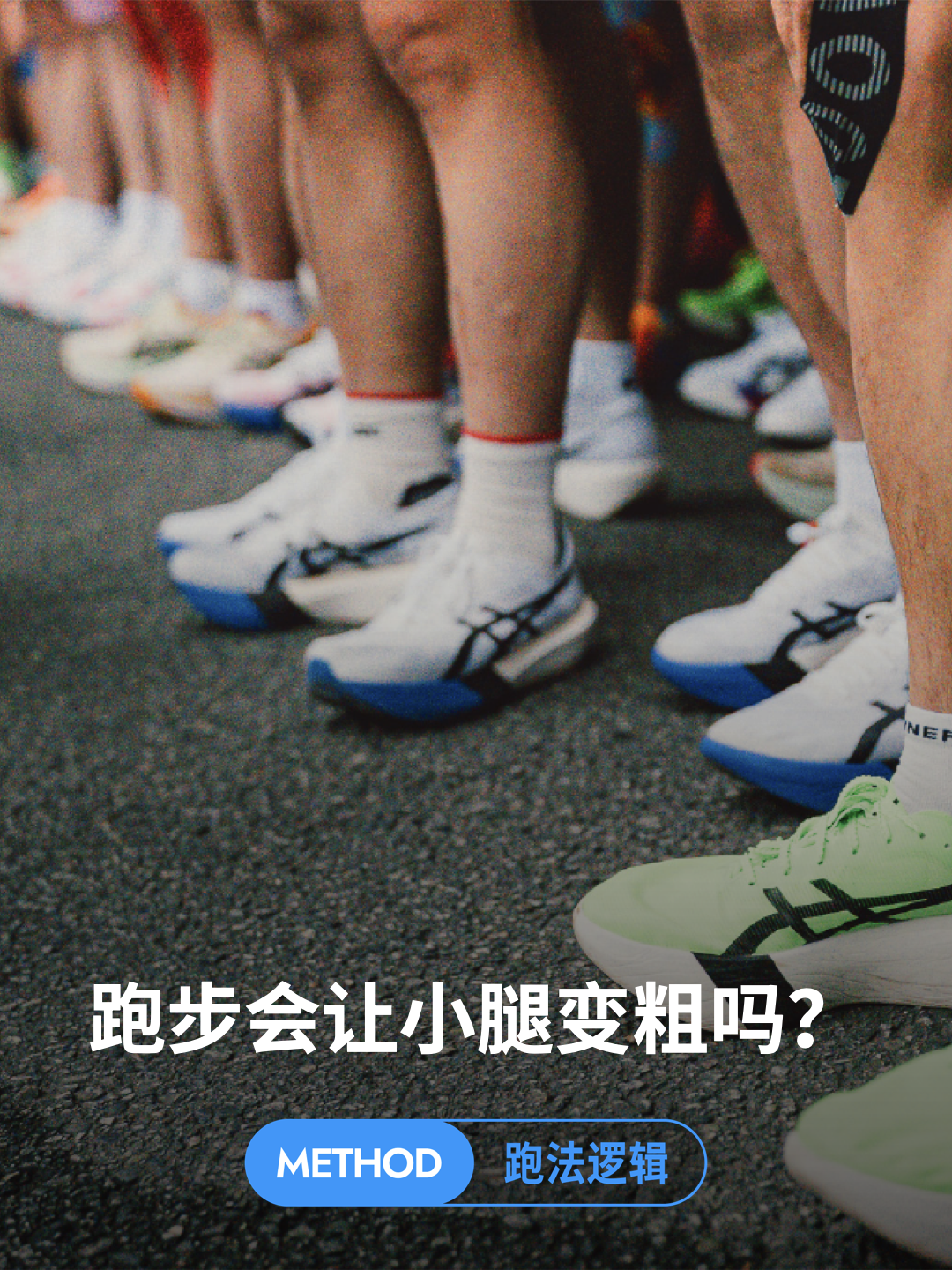
Many runners start running to lose fat and tone up, especially hoping their legs will look slimmer and more defined. But after a week or two they find their calves actually look "bigger." Especially after a run, if you touch them the back of the calves can feel tight and hard, even noticeably sore and achy.
So many worry: Oh no, will running make my legs bulkier? Some even quit running because of this.
In fact, short-term calf swelling and hardening doesn't necessarily mean your muscles have grown; it's the body adapting to new load. Causes include local increased blood flow, slight fluid retention, delayed-onset muscle soreness and muscle tightness.What needs attention is if this swelling and tightness persists long-term. If it doesn't ease, you should re-examine your training.
01
New runners' calves "getting bigger"
Mostly a short-term adaptation
Calf reactions early in running are very common. The gastrocnemius and soleus on the back of the calf take part in landing shock absorption, ankle stability, and push-off.
For people who rarely exercise, these muscles suddenly take on greater loads than everyday walking, so acute reactions naturally occur. The most immediate change is local congestion: more blood flows to the working muscles, making the calves look fuller for a short time. Add slight swelling and glycogen-related water retention, and the calves temporarily appear thicker and more bloated.
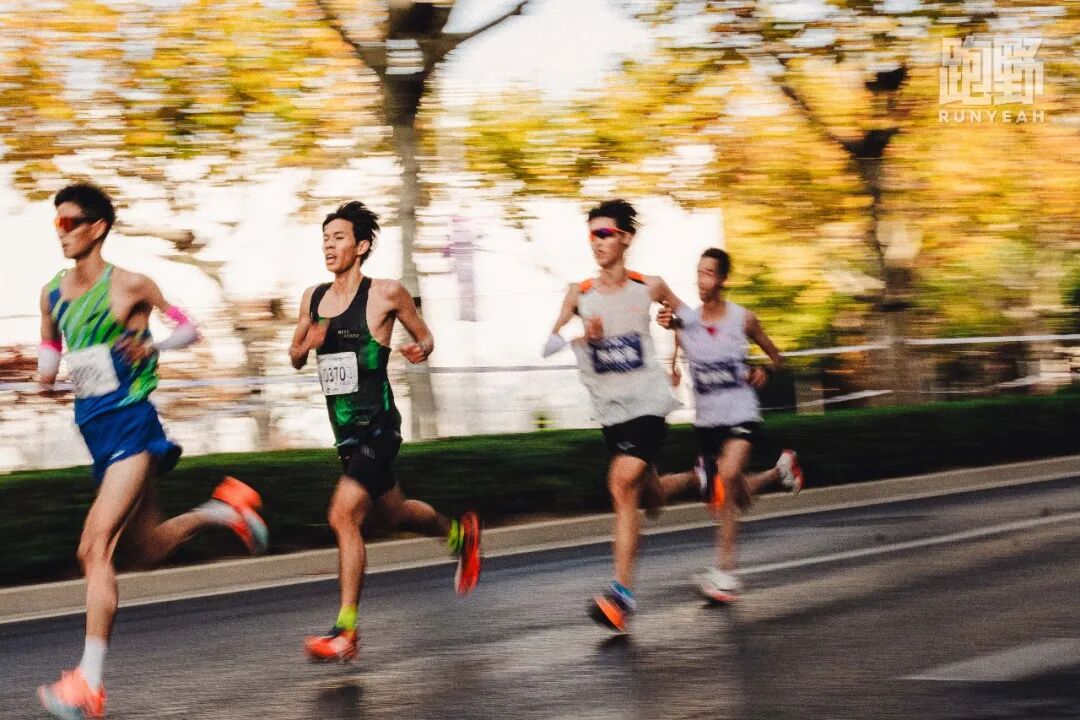
As long as mileage isn't excessive and recovery keeps up, this feeling usually eases as you adapt.
02
Calf tightness and hardness
are often related to soreness
Many beginners not only feel their calves have thickened but also feel them hard to the touch and sore when walking. This is usually related to delayed-onset muscle soreness (DOMS). With each footstrike in running, the calf muscles perform eccentric contractions — they lengthen while controlling the body's descent and stabilizing the ankle.
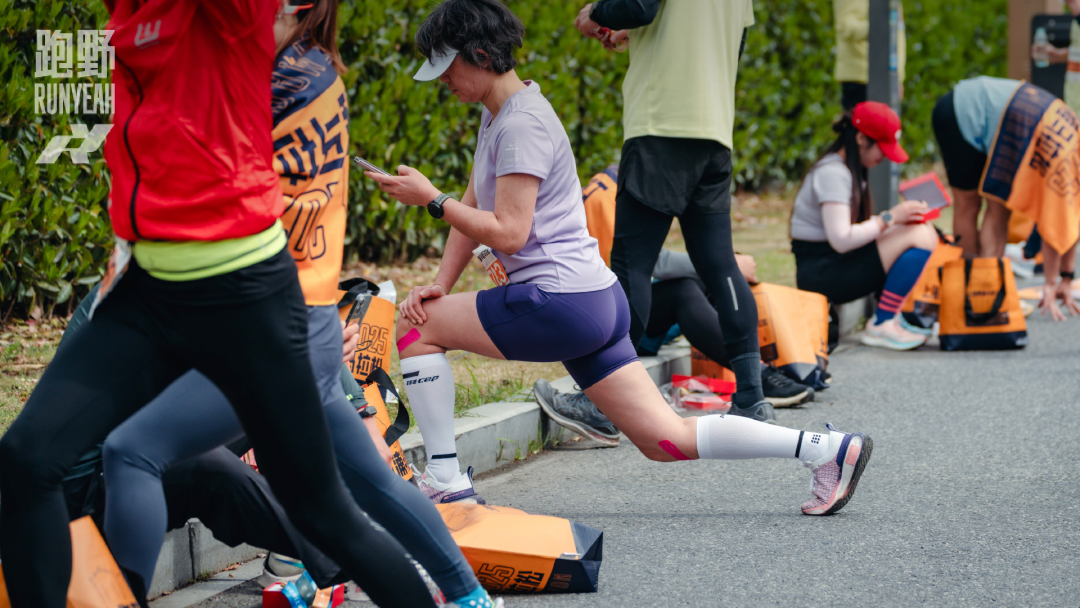
When you haven't adapted to the load of running, these contractions can cause microdamage to the muscles, leading to soreness, stiffness and tightness 24 to 72 hours after running. When muscles are sore, the body keeps those muscle groups under some tension to avoid further tearing of damaged tissue.
This is a protective response, but it also makes the calves "not relaxed enough." If you lack post-run stretching, relaxation and recovery, the tightness becomes more obvious. The key is to observe whether it gradually lessens; if you're severely sore after every run and it affects the next training session, then mileage, intensity or recovery need to be adjusted.
03
Long-term calf tightness,
beware of compensatory loading
Short-term swelling and soreness are mostly normal adaptation. But if after weeks or even months your calves remain constantly tight, hard, or have persistent dull pain, you can't just blame an "adaptation period." A more common problem is over-reliance on calf power during running.
Efficient running involves coordination of the core, hips, glutes, thighs and calves. The core stabilizes the torso; the glutes and thighs handle support and propulsion; the calves mainly provide ankle stability, elastic buffering and assist propulsion. Many beginners lack core and glute/leg strength, so they can't engage the large muscle groups effectively; the body shifts propulsion downward and relies more on calf and ankle pushing.
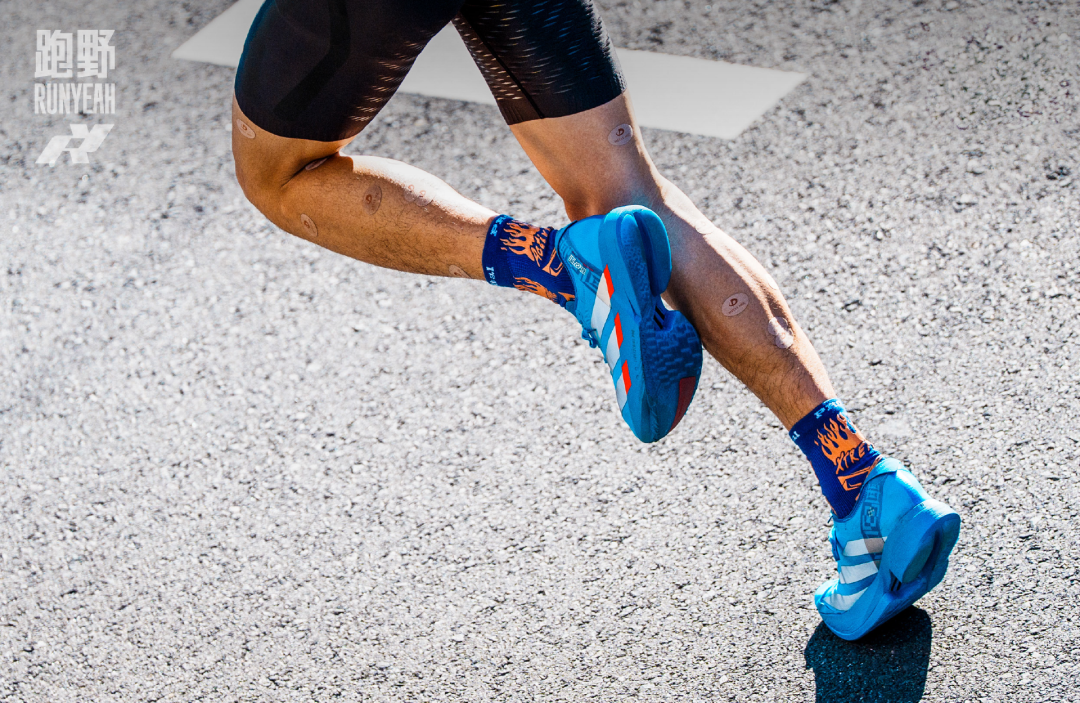
Typical situations include purposefully running on tiptoe or suddenly switching to forefoot striking. If the calf strength, Achilles tolerance and plantar stability are insufficient, running like this long-term can lead to Achilles, medial tibial or plantar issues.
So chronically tight calves aren't necessarily because you've "trained them up"; it may be your body using calves to compensate for work that should be done by the hips and thighs.
04
Overstriding,
makes the calves work harder
Besides over-relying on calf power, a low cadence is another common problem among beginners.
Many people subconsciously lengthen their stride to try to run faster. When stride length increases, the foot often lands in front of the body's center of mass, creating a pronounced braking effect. Each footstrike doesn't let the body roll smoothly forward but "brakes" it, then you have to push forward again.
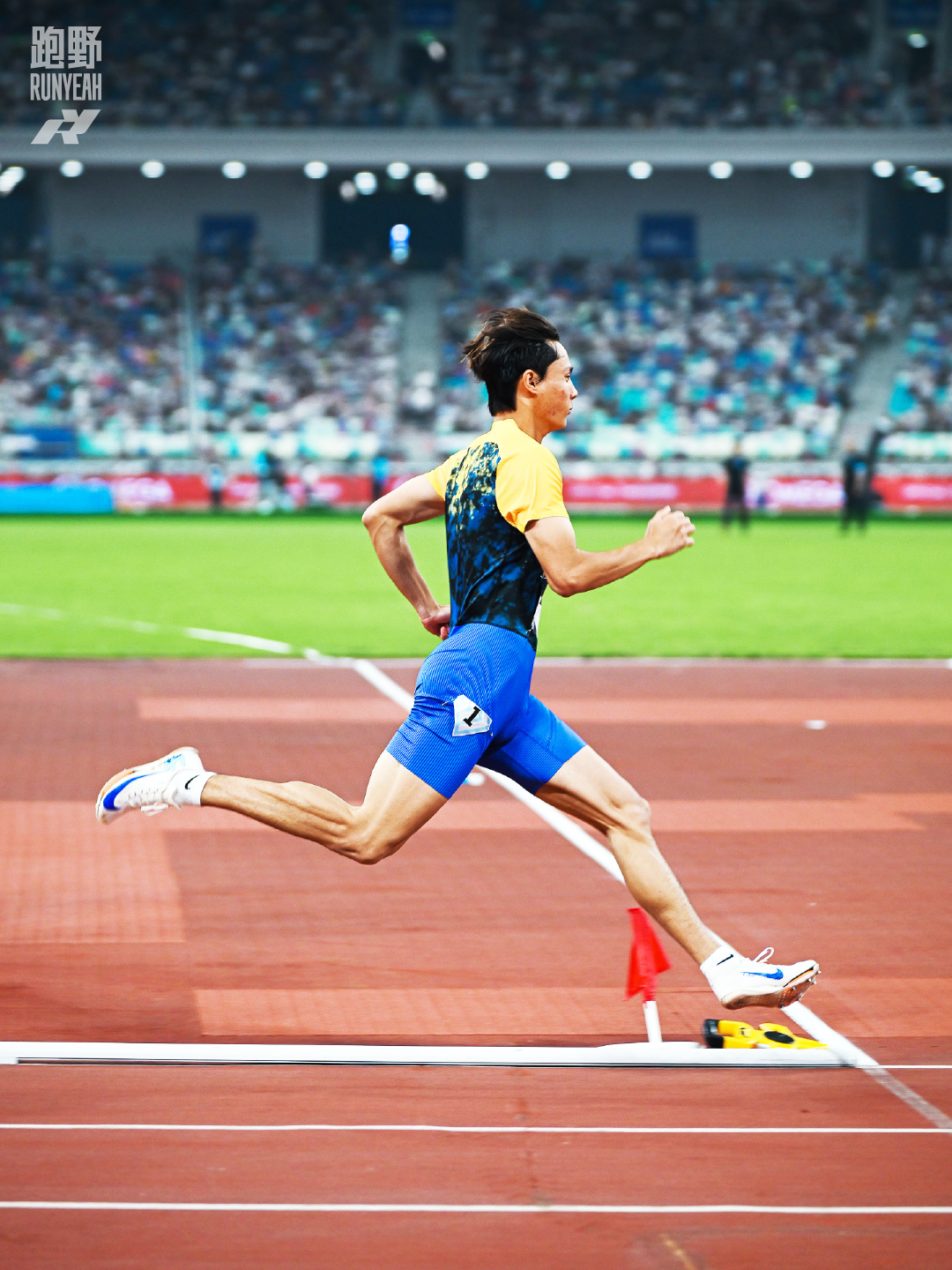
This increases ground reaction force and lengthens single-leg ground contact time. The calves must do more work to stabilize the ankle, absorb impact and push the body up again, so over time they naturally become tighter and more achy.
Recreational runners don't need to chase a fixed cadence blindly, but avoid clearly overstriding. Try not to land the foot too far from the body; don't strike too heavily — don't run as if each step is "hitting the brakes."
05
Running won't necessarily make your calves bigger
When you see calves thicken and harden after you start running, don't be quick to reject running itself. Long-distance running is an endurance sport and doesn't readily build calf muscle in the same way strength training does.
What you really need to watch out for are chronically improper training methods and force patterns. If the swelling and soreness occur only in the first week or two of starting to run, you can lower the intensity and progress gradually. After running do some moderate stretching or use a foam roller to gently relax the back of the calves and promote muscle recovery and relaxation.
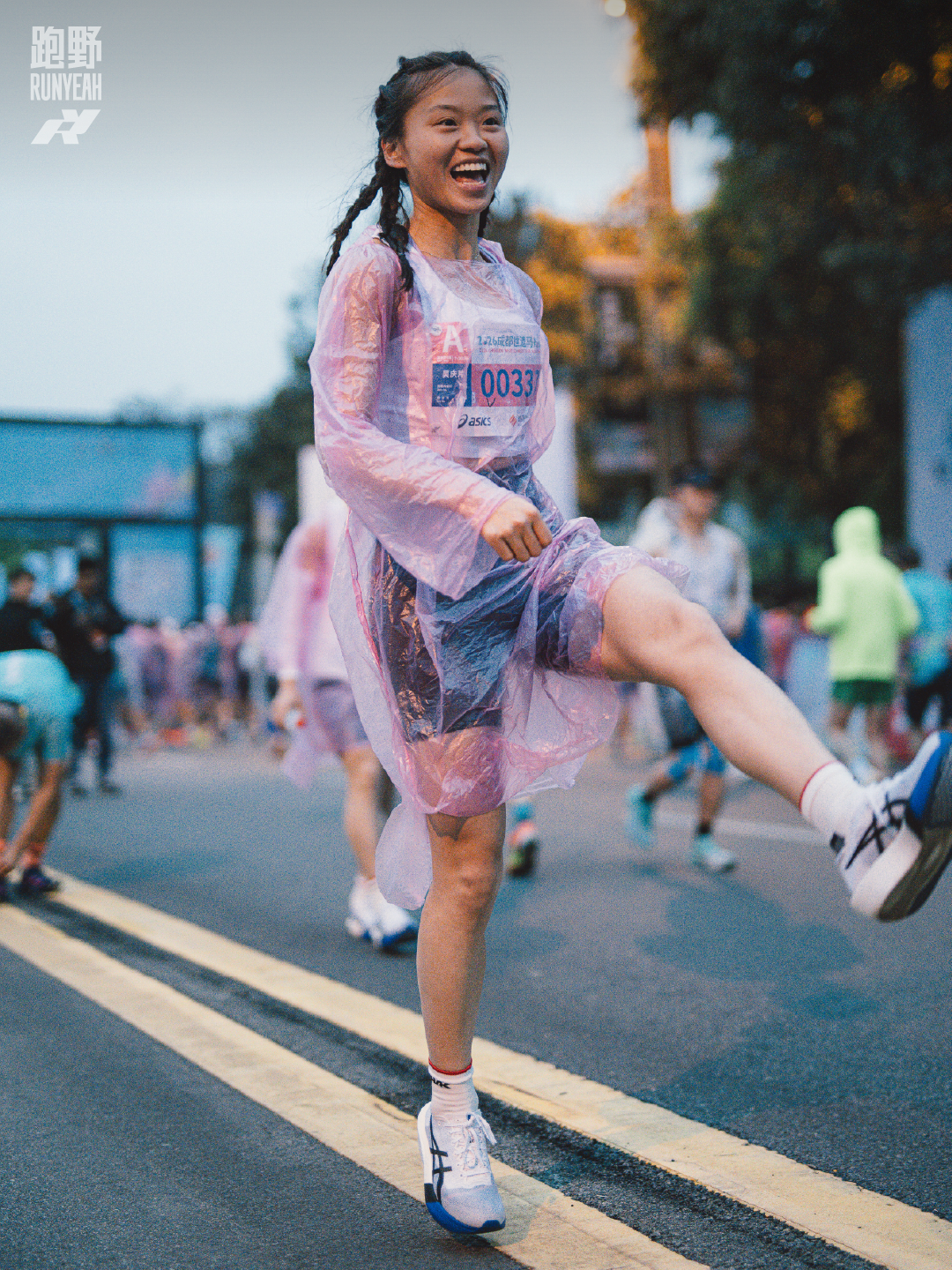
If your calves remain tight long-term, reduce tiptoe-style pushing, don't intentionally mimic forefoot striking, avoid constantly overstriding, and appropriately increase core, glute and hamstring strengthening. When the hips and thighs can take on more propulsion, the calves naturally won't have to work at high load all the time.
In the end, what you'll get won't be a pair of "ever-growing" legs, but a lighter, more stable running style.
[End-of-article discussion]
#When you first started running, did you experience calf swelling, hardness, or worry you'd get bulkier? Did this resolve naturally, or improve after changing mileage, running form or strength training? Share your experience in the comments. #
Text/Editor:Jonathan
Images: 跑野大爆炸
Visual: MAX