

In today's digital running era, people are paying attention to an ever-wider range of running data: pace, heart rate, cadence, stride length, ground contact time, and so on,Many runners have therefore developed an added layer of anxiety: why is my cadence only 160? Do I have to reach the so-called 180 / 185 of the"golden cadence" to be considered correct?
In fact, for recreational runners, suitability is more important than "correct",blindly chasing a higher cadence not only fails to improve performance, but can disrupt one's rhythm and even increase the risk of injury.

“180 goldencadence” can be traced back to 1984 年洛杉矶奥运会。At the time, American running coach and exercise physiologist Jack·Daniels (Jack Daniels) observed elite distance runners during competition and found that many athletes had cadences reaching 180 steps/per minute (hereafter referred to as cadence 180), or even higher.
Later, with the spread of Daniels' Running Formula, “cadence 180”gradually came to be understood by many runners as“ideal cadence”or“golden cadence”.
However, most people overlook one key issue,Daniels was observing“elite long-distance runners on the Olympic stage”. These athletes typically race at paces under 3 minutes per kilometer; they possess exceptional cardiorespiratory fitness and muscular strength. At such extreme competitive paces,a cadence of 180 or even higher is the inevitable result that allows them to sustain such high speeds.
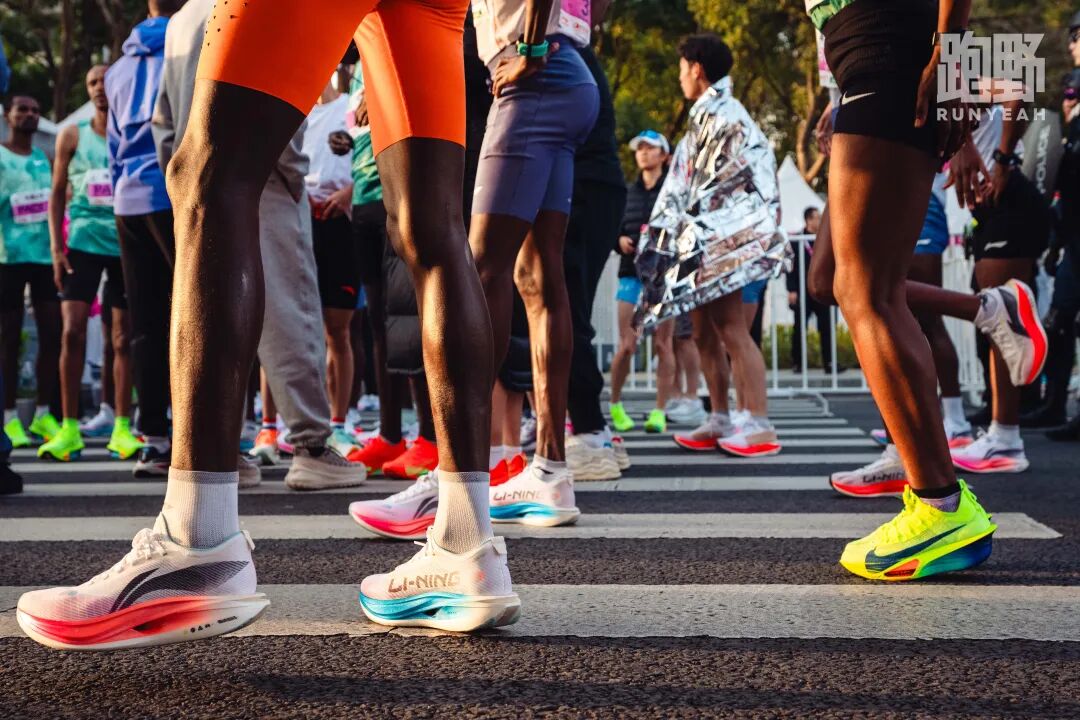
Therefore, directly applying this data to all recreational runners, especially during easy runs, recovery runs, or novice training, is logically incorrect.
For a novice runner who normally runs at around a 7-minute-per-kilometer pace, forcing their cadence to maintain 180 often results in an excessively shortened stride, choppy mechanics, and a rapid rise in breathing and heart rate. This not only fails to improve running efficiency but can disrupt the runner's natural rhythm.

Although recreational runners don't need to force themselves to chase 180 steps/minute, but that doesn't mean cadence is an irrelevant metric. On the contrary, paying reasonable attention to cadence helps us understand our running rhythm and can help reduce the injury risk caused by overstriding.
Running speed can be simply understood as: speed = stride length × cadence. In other words, at the same pace there is a reciprocal relationship between cadence and stride length. When cadence is low, if a runner still wants to maintain the same speed, they need to increase their stride length to do so.
This is the common "overstriding"running style, especially when cadence stays consistently below 150 steps/per minute, and when a runner is trying to hold a faster pace, the body will readily and unconsciously land the foot ahead of the center of mass, producing a noticeable braking effect. This running form often leads to a host of problems.
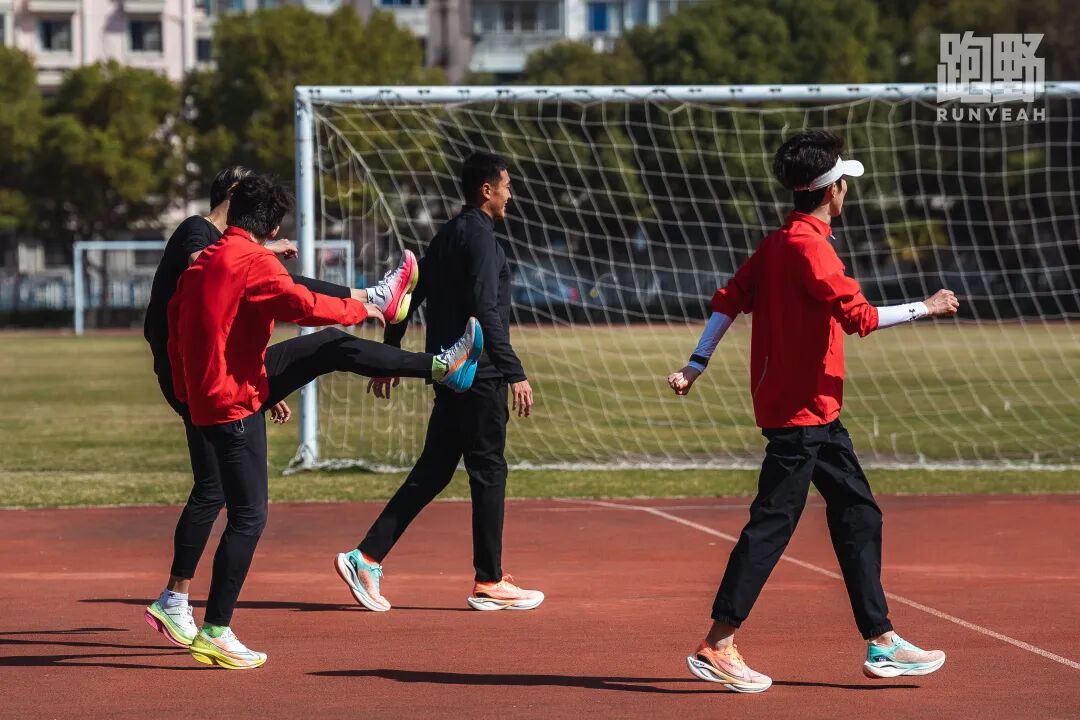
First, the foot strike tends to land too far forward. In an ideal running posture, the foot typically lands under or just slightly in front of the body's center of mass, allowing the body to more smoothly complete support, cushioning, and forward roll. But if the stride is too long, the foot will clearly land ahead of the body, making it more likely that the heel will strike hard at touchdown.
Second, the impact per footstrike increases. When the foot lands well in front of the center of mass, the lower limb has difficulty forming effective elastic buffering, and ground reaction forces are more likely to transmit upward through the lower leg, the knee, and the hip. Over time this can increase the risk of common running injuries such as medial tibial stress syndrome, patellofemoral pain, and iliotibial band syndrome.
Overstriding also creates a noticeable braking effect. Every time the foot lands ahead of the body, it's like stepping on the"brakes". The runner not only has to push the body forward but must also overcome that backward braking force. The result is running becomes more effortful, movement heavier, and efficiency lower.
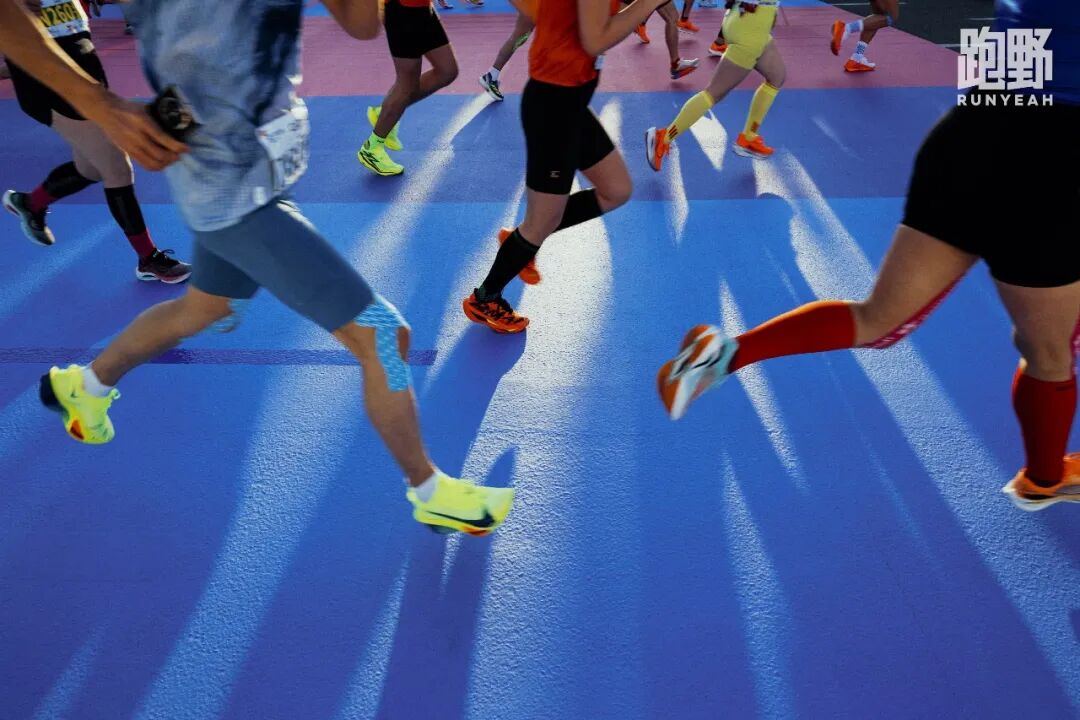
Therefore, we pay attention to cadence not to chase a particular number, but to use cadence to evaluate whether your running form is overly sloppy, your stride length is too long, or your footstrike is landing too far in front.
For many recreational runners, moderately increasing cadence can naturally shorten stride length and move the footstrike closer to the body's center of mass, thereby reducing the feeling of braking, lowering per-step impact, and making running feel easier and more continuous.

Since 180 is not an absolute standard, how should you determine a reasonable cadence? The key is to consider the following four factors.
First is height and leg length.Generally, taller runners with longer legs tend to develop a longer stride and may have a relatively lower cadence; smaller runners with relatively shorter legs are more likely to maintain rhythm through a higher cadence. Expecting 1.90 m and 1.60 m runners to both reach 180, which doesn't account for individual differences.
Second is pace.The faster you run, the more the body usually needs a higher cadence and a more powerful stride to increase speed. For recreational runners,6 min 30 sec per km or even slower easy runs, cadence 160-165 may be a fairly natural state; when pace increases to tempo runs or interval sessions, cadence will often naturally rise to 170 or above, and can even approach or exceed 180.

Third is strength and neuromuscular coordination. Increasing cadence means the body has to complete lifting the leg, swinging, landing, support and push-off in a shorter time. If beginners lack strength or have unstable running form, forcing a higher cadence can instead lead to raised shoulders, choppy steps, a floaty feeling underfoot, and disrupted breathing.
Fourth is fatigue level. During long-distance training or the later stages of a race, as muscle fatigue increases and core stability declines, many runners will see cadence drop, stride length shorten, and ground contact time lengthen. Therefore, cadence not only reflects running rhythm but also indicates the body's ability to maintain control across different distances and fatigue states.

For most beginner runners, cadence 160-175 can serve as a relatively reasonable reference range. This is not a hard rule but a window to help runners observe their running condition. If you feel relaxed, your breathing is steady, and there is no obvious braking sensation at foot strike while running within this range, then there is no need to be overly anxious aboutyour cadencewhether it reaches 180.
However, if your cadence remains below 150, or even approaches 140, you should pay attention.Thisisa signthat you may be overstriding, landing too far ahead, or spending too long on the ground. Adjusting your running form becomes especially important when you're not running fast but frequently feel pronounced impact on your knees, calves, or hips.
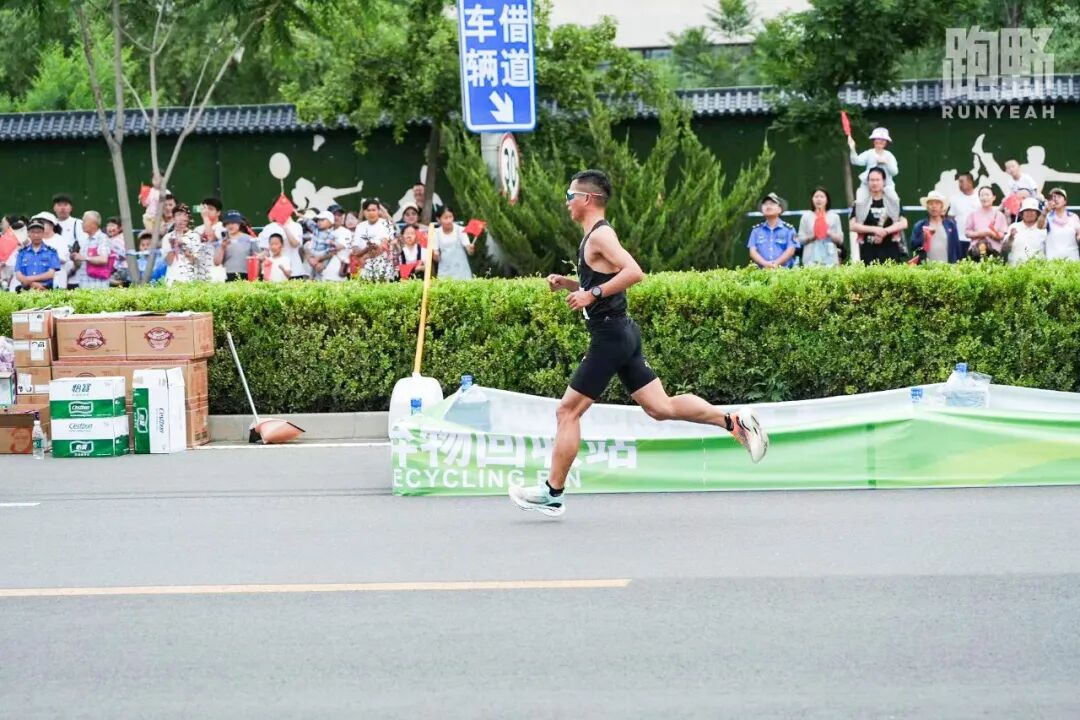
Cadence adjustments should be a gradual process, not an overnight change. Jumping your cadence from 155 up to 180 steps per minute is often difficult for the body to adapt to; a more reasonable approach is:
Small incremental adjustments,We recommend increasing your cadence by 3–5 steps per minute, allowing your body a few weeks to gradually adapt to the new rhythm.
Actively shorten your stride,the essence of cadence adjustment is often"drawing the stride back"。在轻松跑中,将注意力从“我要跑多快”转移到“我的脚落在哪里”。保持原有配速,但让每一步稍微短一点,使脚尽量落在身体重心下方,而非远远伸到身体前方。步幅自然缩短后,步频通常会随之increase.
Note'Light contact, quick takeoff', for runners with low cadence and a pronounced overstride,During the transition pushing off forcefully may make your movements stiff, you should let the ball of your foot touch down lightly and then quickly leave the ground to reduce ground contact time,As contact time shortens and the braking sensation decreases, an increase in cadence will come more naturally.
Strength training support,increasing cadence requires core stability, glute strength, and elasticity in the calves and Achilles as a foundation. On a daily basis you can add basic exercises such as glute bridges, squats, lunges, calf raises, jump rope, and high knees — start with low loads and strict form. Once your body’s supporting capacity improves, raising cadencewillbesafer.

When you focus on training, strength development, and controlling your running form, the cadence that suits you will often emerge naturally,rather than being the result of forcefully "stepping to a beat".
For novice runners, what's really important is not blindly chasingcadence 180, but first find a stable, comfortable, and sustainable running rhythm. Cadence 160-175 can be used as a reference, but the ultimate criterion should return to bodily feedback, running form quality, and the training goal itself.
Text:trail running / Editor:xiaocai