

In today's society, stress is almost everywhere. Performance reviews, mortgages and car loans, interpersonal relationships, parenting anxiety... like an airtight net that tightens around people. Thus, "depression" and "anxiety" have quietly become modern illnesses—not physical wounds, yet they ache more persistently than any injury.
Because of this, on social media, health forums, and even in casual conversations among friends, more and more people have begun to praise an apparently simple solution: running. Some say“After running 5 kilometers, the stone on my heart is moved,” someone wrote, “After sticking to morning runs for three months, I cut my anxiety meds in half.” It seems running has become a folk remedy for depression and anxiety.

So, running— an action that's just "lifting your legs, swinging your arms, and breathing" — can it really become your remedy?
The answer is: Yes! And the scientific evidence is solid, the mechanisms clear, and the effects considerable—but it's not a cure-all, nor a quick-acting tranquilizer. Today, we're going to use simple, easy-to-understand language to discuss "runningas a treatment for anxiety".

Many people think running treats anxiety because "When you're tired from running you don't have time to overthink." In fact what truly takes effect is an internal "biochemical revolution and neural remodeling".
·Turn off the distracting"alarm"
The essence of anxiety is "the sympathetic nervous system sounding the alarm continuously"— it's like the home alarm system is broken,24 hours, beeping around the clock. Regular low-to-moderate intensity jogging can directly reduce the sensitivity of the sympathetic nervous system while activating the parasympathetic nervous system responsible for 'rest and digestion.' Running doesn't just cover up the alarm; it helps you "reset the alarm threshold"。
·Give the brain'fertilizer'
In the brains of people with anxiety disorders, a substance called BDNF (brain-derived neurotrophic factor) is significantly lower. It is known as the "fertilizer" for the brain, responsible for neuronal growth and hippocampal repair — and the hippocampus is the core area for emotional stability.
Research found that each 30 minutes or longer of aerobic running can significantly increase BDNF, and running continuously for 16 weeks, hippocampal volume can increase by 2% or more — this is what MRIscans show.

· Unleash the Natural"Anti-anxiety cocktail"
While running, "endogenous cannabinoids" increase — they can cross the blood-brain barrier, producing a calm, euphoric, time-slowing buzz,which is what runners often call the "runner's high".
At the same time, "dopamine, serotonin, norepinephrine" are released together; they are the key biological factors targeted by antidepressant and anti-anxiety drugs. Running is like building a natural 'pharmacy', gently and continuously boosting these feel-good substances.
Such a natural compound formulation is as effective as SSRI class antidepressants, but without drug side effects such as weight gain or decreased sexual function.
·End the stress cycle
Modern people's sources of stress are work and interpersonal relationships. When we find ourselves'overwhelmed' and unable to 'escape', stress hormones (cortisol, adrenaline) build up in the body, causing palpitations and muscle tension — which in turn amplify anxiety and create a vicious cycle.
Running conveniently performs the 'escape' action, burning off excess stress hormones and allowing your body to complete the stress response. After a run, muscular fatigue brings deep relaxation — the body quiets, and the mind follows.

You might hear someone say, "I tried running, but it only made me more anxious!" That's very real, and it's far from an isolated case. Because running, like any good medicine, comes with a "dosage guide," and using it the wrong way can have side effects.
Running itself doesn't create anxiety, butan obsession with running can—just like someone who leans on alcohol to cope and ends up drinking excessively; or someone who shops to relieve stress and ends up in debt.

Here are several reasons why running can make you increasingly anxious.
·Goal distortion:From "running because it feels good" to "must PB", "must go sub-3:30", "must check in every day". When running becomes a new KPI, it turns from a pressure-release valve into a source of stress.
·Overtraining trap:Long-term high-load running raises cortisol, which can worsen insomnia, irritability, and low mood — this is known as "injury depression," a real dilemma for many serious runners.
·Social comparison harm:Scrolling past others showing off their pace, body-fat percentage, or medal walls — what should build confidence in the sport instead triggers body anxiety and self-doubt.
So, remember this bottom line: the healing power of running only exists within "controlled stress" — namely easy runs (Easy Run), natural outdoor runs, and breathing rhythms without checking your pace.



One last noteYes,If you have been diagnosed with moderate to severe anxiety or depression, be sure to take medication as prescribed and follow the treatment plan provided by your doctor.Running is an excellent complementary therapy, but it cannot replace professional treatment.
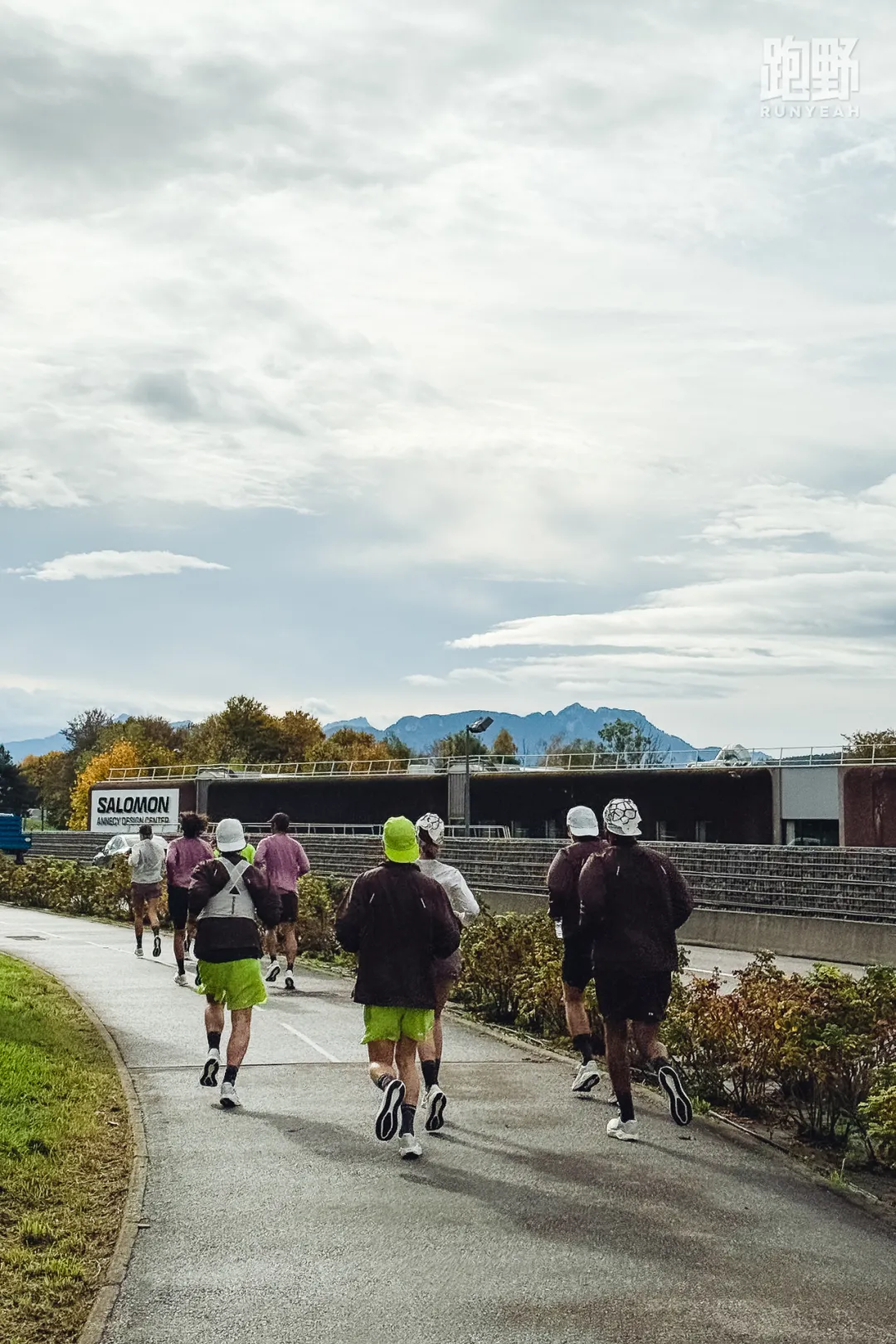
Running won't instantly erase your worries, but it can give you a certain, tangible strength: when you've measured with your own legs 1 kilometer,3 kilometers,5 kilometers... as time goes by, you'll realize— however hard the road, it is completed step by step; however turbulent the emotions, they will ebb and flow like breathing, and will eventually pass.
Anxiety isn't your flaw; it's your body's cry for help. And running is yourenergizingresponse:"I am here, I move, Ikeep moving forward."