
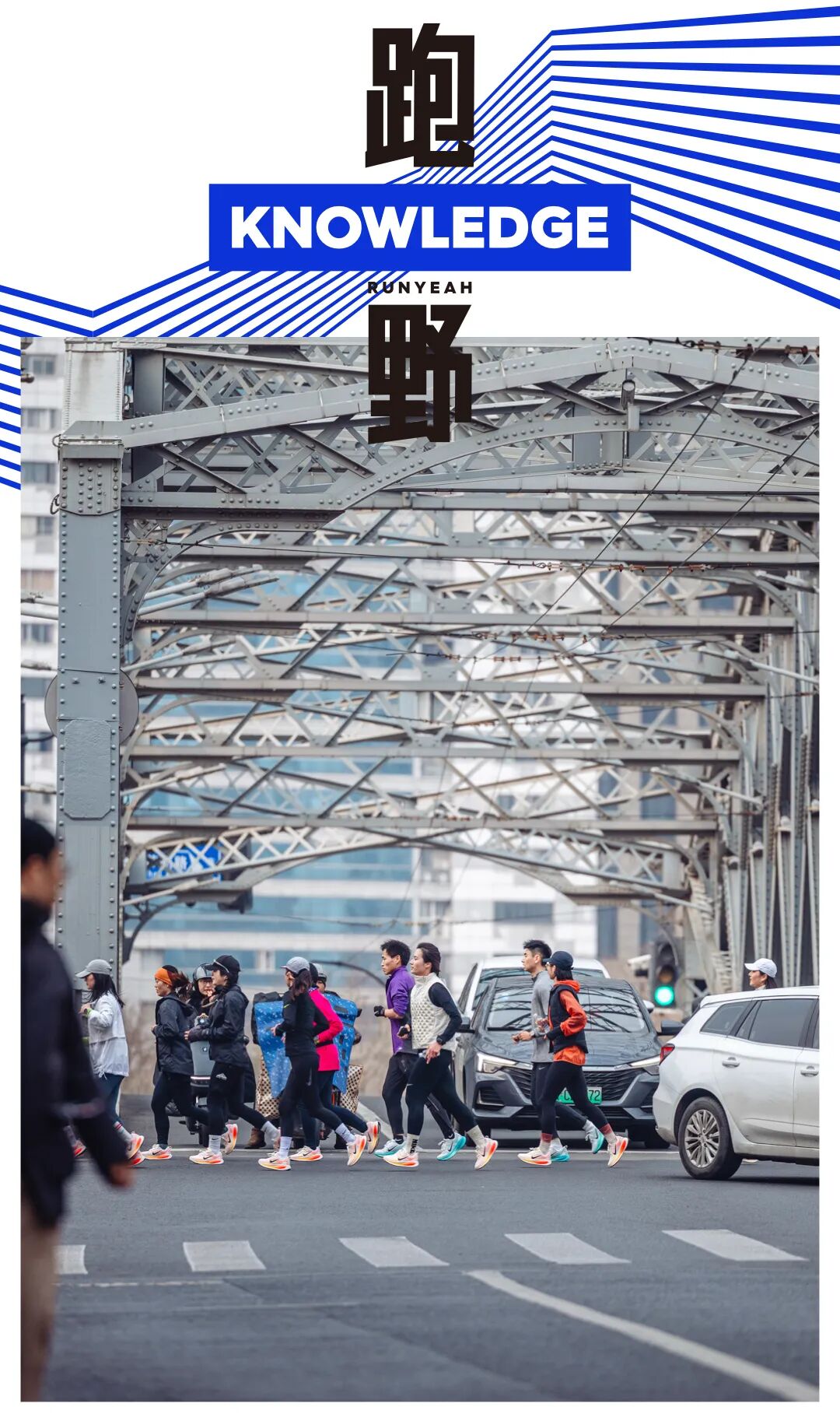
These days, major sports brands are reshaping their running shoe lineups—carbon-plated racers no longer hold center stage; cushioned and supportive running shoes have become the focus for runners this summer.
For newcomers to the running scene, “recommend a pair of running shoes” is still the most common question. Experienced runners usually advise: for your first pair of running shoes, choose a cushioned easy-run shoe.
But the question is — are easy-run shoes really as “magical” as the marketing claims? What exactly can they help runners with?

As long as people are alive, there's a risk of injury, and that goes doubly for during exercise. When it comes to running, there have always been many "myths" — the most widespread is that "running ruins your knees."
In fact, running can cause a wide range of injuries: muscle strains, ankle sprains, knee injuries, tibial (shin) injuries, plantar fasciitis, Achilles tendinitis, and so on...
At first glance, it looks pretty alarming.
However, injuries rarely occur without cause. Running is an individual sport with virtually no physical contact, so the majority of injuries stem from factors intrinsic to the runner.

Beginner runners with weak muscle strength have poor stability while running and knees that collapse inward, which can easily lead to iliotibial band syndrome; runners with higher body weight experience excessive joint impact. Not warming up before running leaves muscles and joints inactive, causing strains; skipping post-run stretching leads to lactic acid buildup, muscle stiffness, and slower recovery; a sudden jump in training load overloads muscles and joints, causing patellofemoral pain, tibial stress syndrome (pain at the front of the lower leg), and plantar fasciitis.
Other causes of injury include limited ankle mobility, which restricts stride and increases compensatory movements. Foot pronation (rolling inward) and supination (rolling outward) can also cause discomfort and injuries when running.
After ruling out internal causes, there are external ones too — for example, wearing the wrong shoes also increases the risk of injury. Even runners with an athletic background face injury risk when they use unsuitable running shoes. For beginners or heavier runners, shoes that lack support and cushioning increase stress on the feet, ankles and knees, making injuries more likely.
So, do the cushioning-and-support ranges on the running-shoe market actually work?

While running, each foot strike generates an impact force of about 2-3 times your body weight. This also depends on running speed and the surface: the faster you go, the greater the impact; and compared with concrete, asphalt is clearly more suitable for running, with synthetic tracks being even better.
Those forces are transmitted through the ankles, knees and hips to the rest of the body. The primary role of cushioned running shoes is to use materials, structure and design to absorb, disperse and attenuate ground impacts, thereby reducing pressure on the knees and soft tissues during running and lowering the risk of injury.
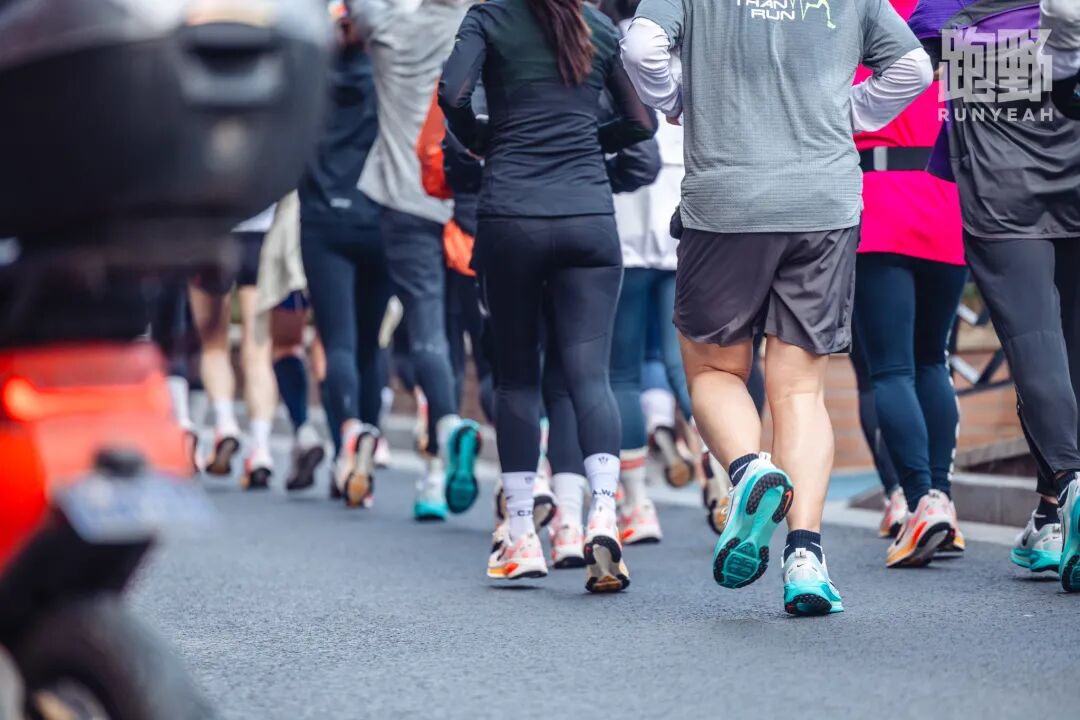
Cushioned, or shock-absorbing, running shoes typically use highly resilient materials in the midsole that deform to absorb impact energy, reducing the reactive forces transmitted directly to the joints. Common materials include EVA, TPU, Nike's ZoomX, adidas's Boost, and ASICS's FlyteFoam foams. In addition, by letting the material share the impact load, they can reduce sustained tension in muscles and tendons, delay fatigue, and lower the risk of injury caused by altered movement patterns.
Beyond the materials, cushioned shoes often include stability systems: ASICS's GEL cushioning gel, Brooks's GuideRails, HOKA's rocker/roll balance technology — these guide the foot's natural roll while cushioning and reduce excessive pronation. Also, varying density distributions can effectively balance pressure distribution at footstrike.

Additionally, for asphalt, concrete and technical outdoor trail running with loose stones, cushioned running shoes can compensate for surface imperfections, thereby better protecting muscles and ankles.
However, cushioned running shoes are not a cure-all; over-reliance on them can lead to deterioration of intrinsic foot function. Excessively thick cushioned midsoles may also increase the risk of ankle sprains. When combined with foot muscle training, cushioned shoes do not significantly weaken foot function.

Many people worry about getting injured before they even start running. In a controlled environment and with scientific training, running is a low-cost, safe aerobic activity that can be done long-term.
First, control intensity and progress gradually — increase weekly mileage by no more than 10% to give your body time to adapt. Also, don’t just run: include appropriate cross-training such as cycling, swimming, stair climbing, hill repeats, etc., to reduce joint stress.
Secondly, understand your body and address weaknesses.
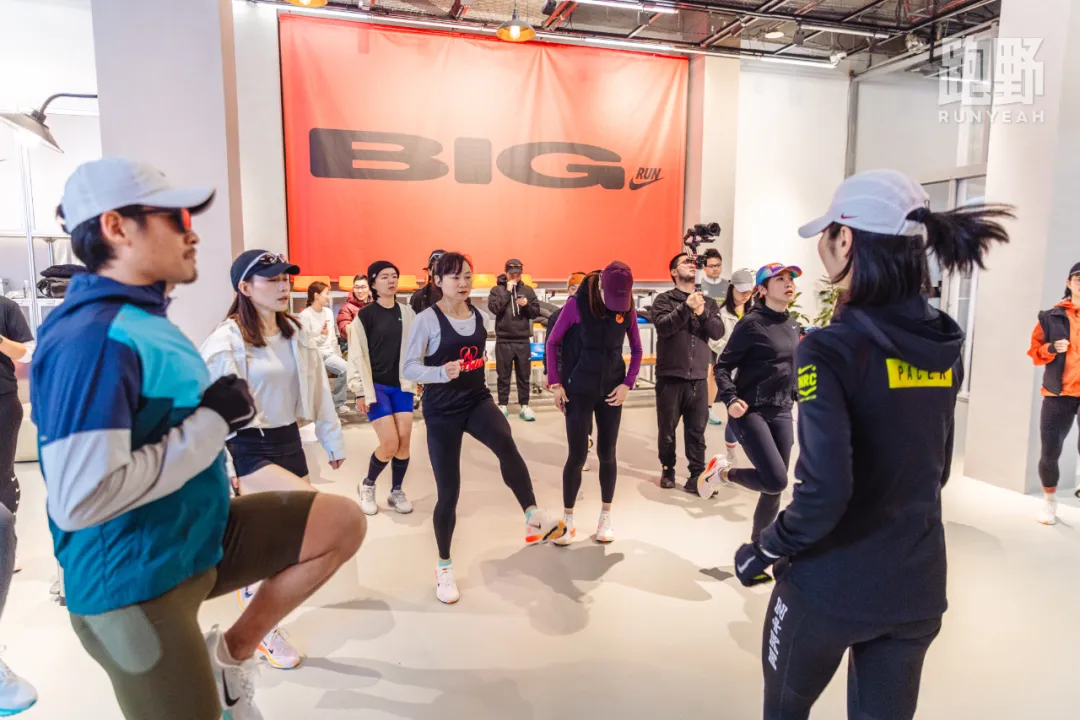
Increase strength training — from the core to the lower limbs and ankles — to comprehensively improve muscle and joint strength. Work on dynamic flexibility as well: use dynamic hip activation drills before running to wake up the joints, and use static stretching after runs to maintain muscle elasticity. Avoid static stretching immediately before running, as it can temporarily reduce muscle power.
Finally, although every runner’s form differs, we always emphasize that as long as you run comfortably, that’s the form that suits you. However, incorrect form over the long term leads to improper loading — a hunched back, knees caving in, landing too heavily, and so on — and these should be corrected bit by bit during easy runs.
Finally, let’s talk about choosing running shoes.

For beginner runners or those who run mainly for health, fat loss, or recreation, shoe choice should prioritize "protection" and "comfort". Carbon-plated shoes can provide propulsion in races and help conserve energy, but their firmer midsoles and more aggressive designs can not only fail to deliver benefits for people with insufficient muscle strength or an unstable gait, they may also increase the load on the knees, ankles and calves.
Easy-run shoes (cushioned running shoes) are recommended as the first pair because they strike a balanced point in midsole thickness, material responsiveness and stable support:they can both reduce landing impact and keep the feet comfortable during long runs.
When choosing shoes for easy runs, note a few key points:
Cushioning thickness: a thick sole isn't necessarily better — overly thick cushioning can increase the risk of ankle rolls, while too thin offers little protection. A moderate midsole thickness provides enough cushioning without compromising foot stability or ground feel.
Shoe last and fit. A properly fitting last is crucial: too tight will compress the arch and toes, while too loose will allow the foot to slide inside the shoe during runs, increasing friction and the risk of blisters. When trying shoes, wear the socks you normally run in to ensure an accurate fit.
Support structure. Runners with mild overpronation or heavier runners can opt for shoes with medial reinforcement or a guidance system to reduce excessive twisting of the ankles and knees.
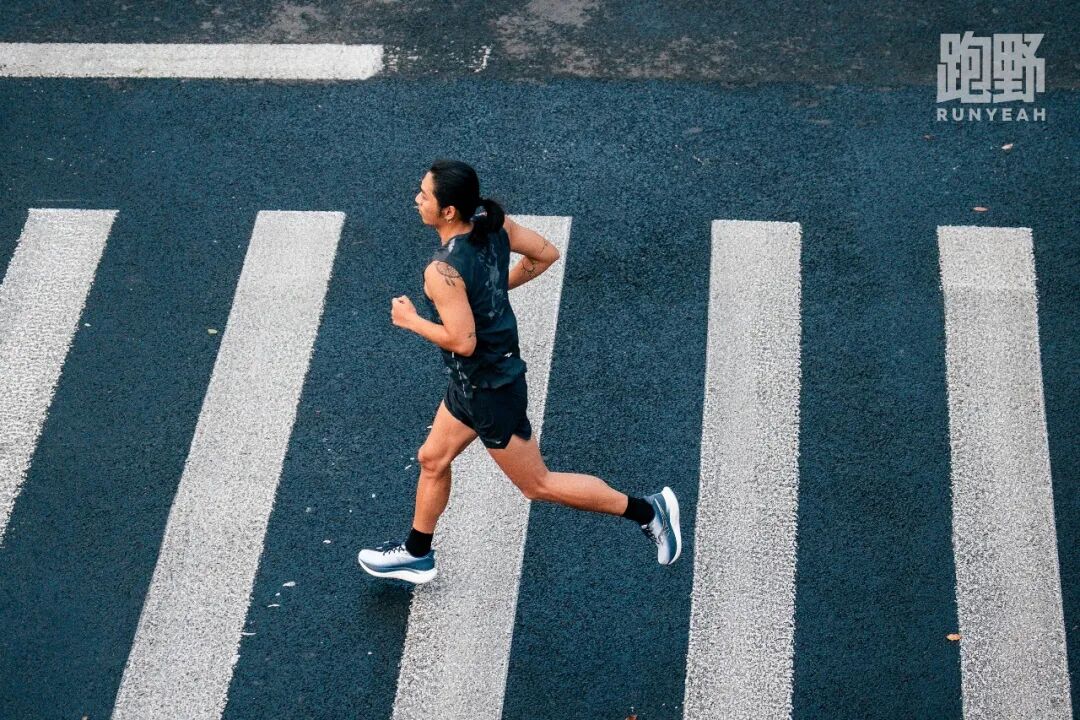
Weight and rebound. Beginner runners don’t need to chase minimal shoe weight; instead they should focus on the rebound characteristics of the cushioning material. Moderate rebound can help reduce fatigue and make long-distance easy runs feel more comfortable.
Surface suitability. If you mainly run on synthetic tracks or asphalt roads, you can choose lighter road running shoes; if you often run on concrete or uneven outdoor surfaces, opt for models with deeper outsole tread and better grip.
Running shoes are just a tool; they can help reduce risk and improve comfort, but the core of avoiding injuries will always be gradual, progressive training, proper recovery, and correct running form.
A well-fitting pair of jogging shoes is like finding a good companion for your running journey — they won't make you faster overnight, but they will quietly look after every start and landing, helping you run longer, farther, and with more joy.