
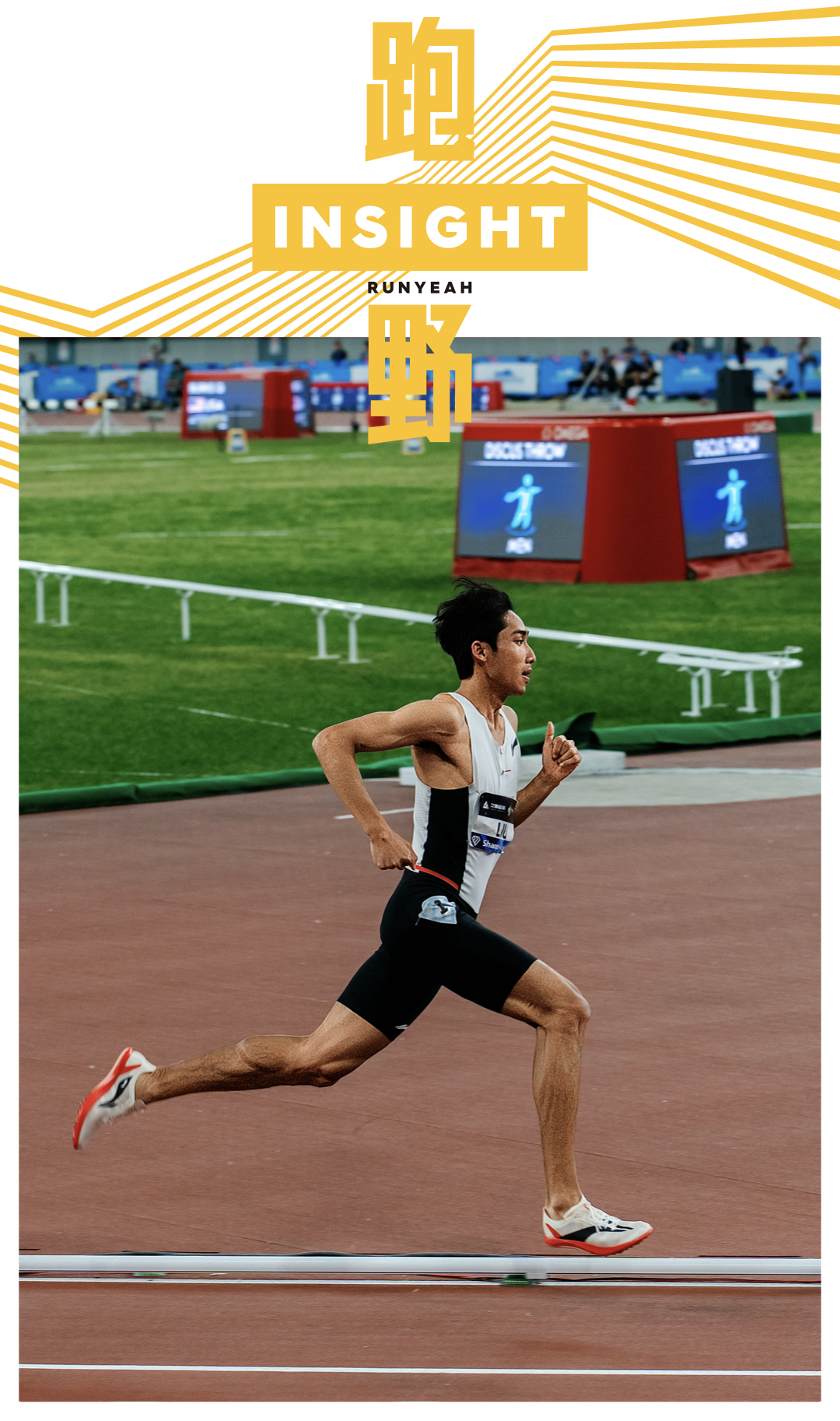
The Diamond League Shanghai/Keqiao and Xiamen meets in May kicked off the 2026 World Athletics Diamond League season. This is not only a stage for the world's top track and field athletes, and, as the most commercially successful athletics tour, it has also become a collective commercial platform for domestic brands to make their voices heard.
At these two China-based stops, some clear signals are visible: Chinese sports brands such as Anta, Xtep, and Li-Ning have begun to rapidly expand into sprints, hurdles, and middle- and long-distance events.
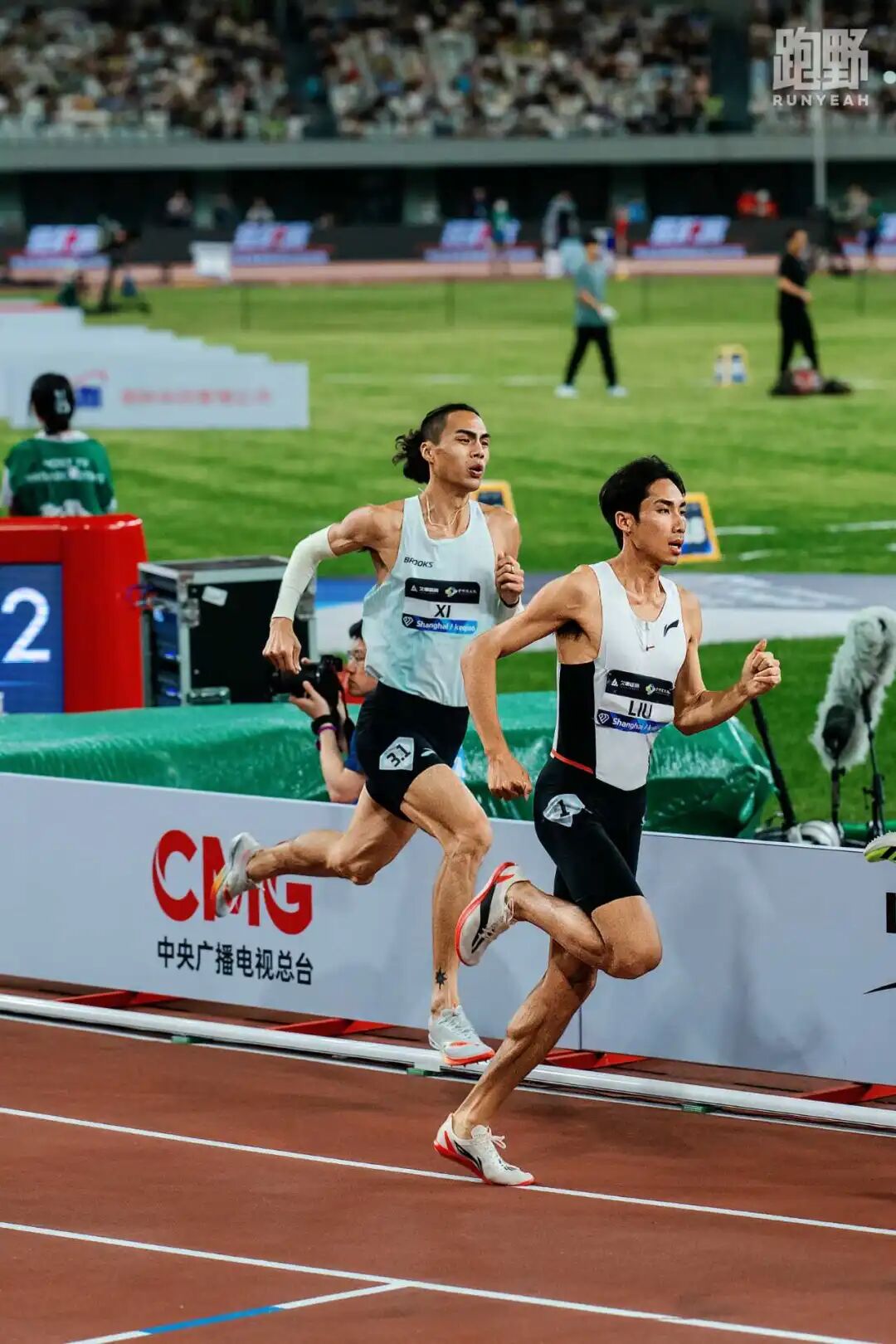
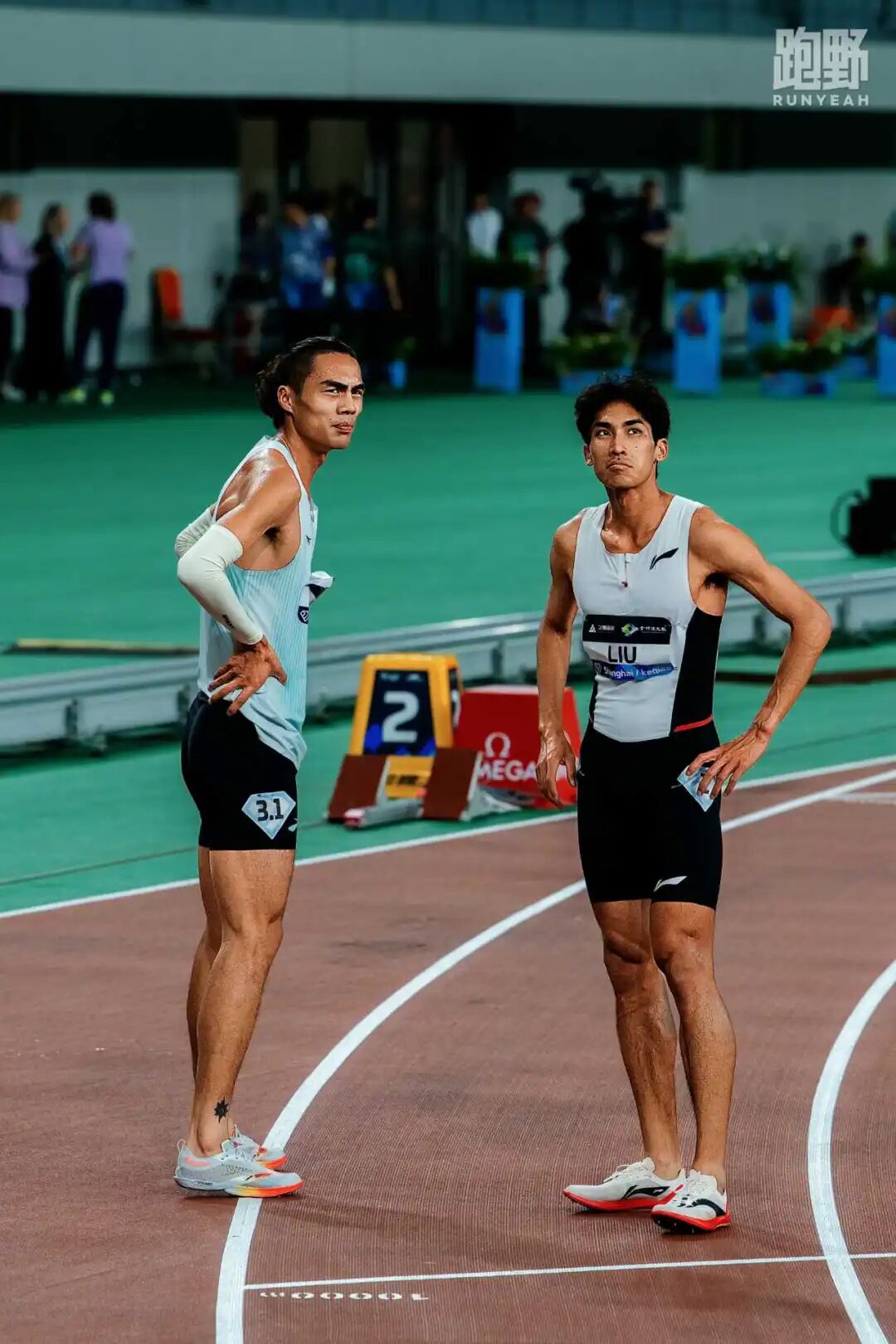
Anta has partnered with athletes Chen Yuxie, Luo Xia, Wu Hongjiao, Liu Junxi, and others; Xtep has joined forces with Liu Jingyang and Gong Debin for their Diamond League debut and is the Diamond partner for the Xiamen meet; Li-Ning has teamed up with middle-distance star Liu Dezhu. Even overseas brands like Brooks and adidas have signed athletes such as Xi Xiaoheng, Wu Yanni, and Shi Yuhao, emphasizing Chinese elements and targeting the Chinese market.
Although most of these athletes aren't new partnerships, the level of concentration is unusual,for a time, track events seemed to become the new frontline in the brands' rivalry.
Domestic brands are clustering to target sprints and middle-to-long distance events — is this a short-lived trend, or a long-term strategic move? The answer likely leans toward the latter.
First, in recent years China's road running market has become extremely saturated, with annual participant numbers holding steady at around 7 million. Major brands have pushed carbon-plated racing shoes to a technical ceiling, and claims like "adoption rate" and "helping athletes win" have entered a stalemate.
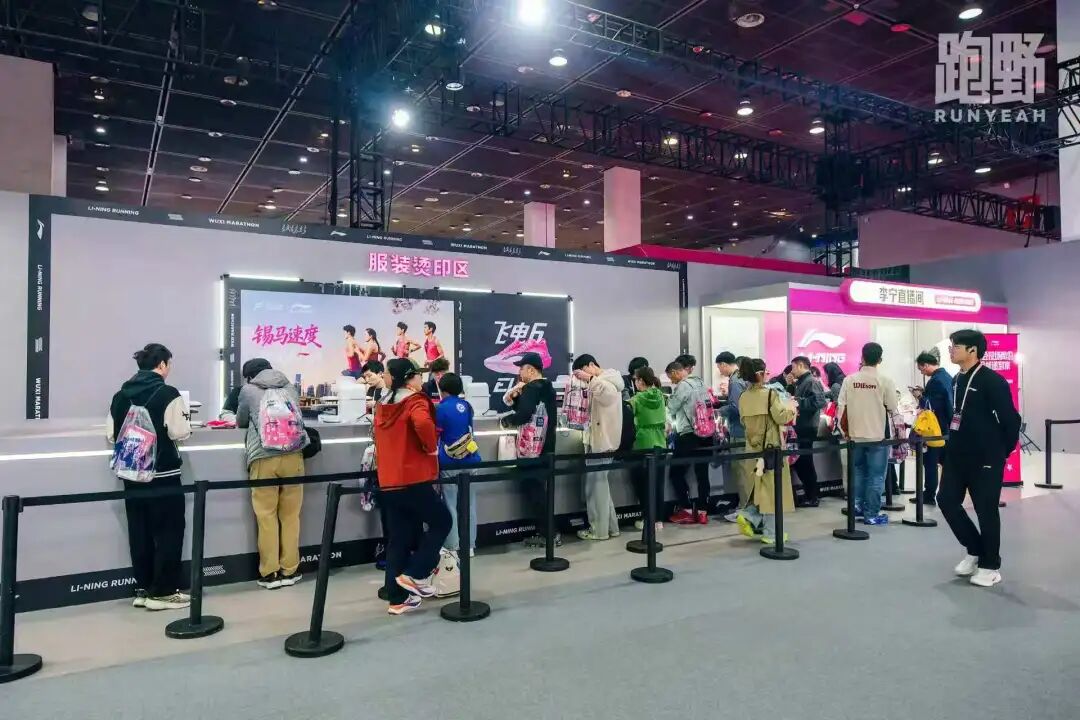
Seeking new professional arenas to validate technology, build brand moats, and elevate brand stature has become a natural choice. And the spikes used in sprints and middle-distance events have long been a weak spot for domestic brands.
For a long time, domestic brands were almost nowhere to be seen on World Athletics' list of compliant spikes; professional team athletes' spikes were largely dominated by foreign brands. Now a notable change is underway, Anta, Li-Ning, and Xtep have all released multiple sprint and middle-distance spikes in World Athletics' footwear registry. We've even seen domestic brands put considerable effort into sponsoring provincial teams in recent years.
These product moves are highly synergistic with their signing of athletes in corresponding events on the Diamond League. Without compliant, high-performance spikes, a brand finds it hard to earn genuine professional endorsement at the top level. Conversely, without top athletes' real-world testing and exposure, even good products struggle to reach the market and consumers' attention. Events, products and athletes appearing together — that's the tried-and-true “playbook.”
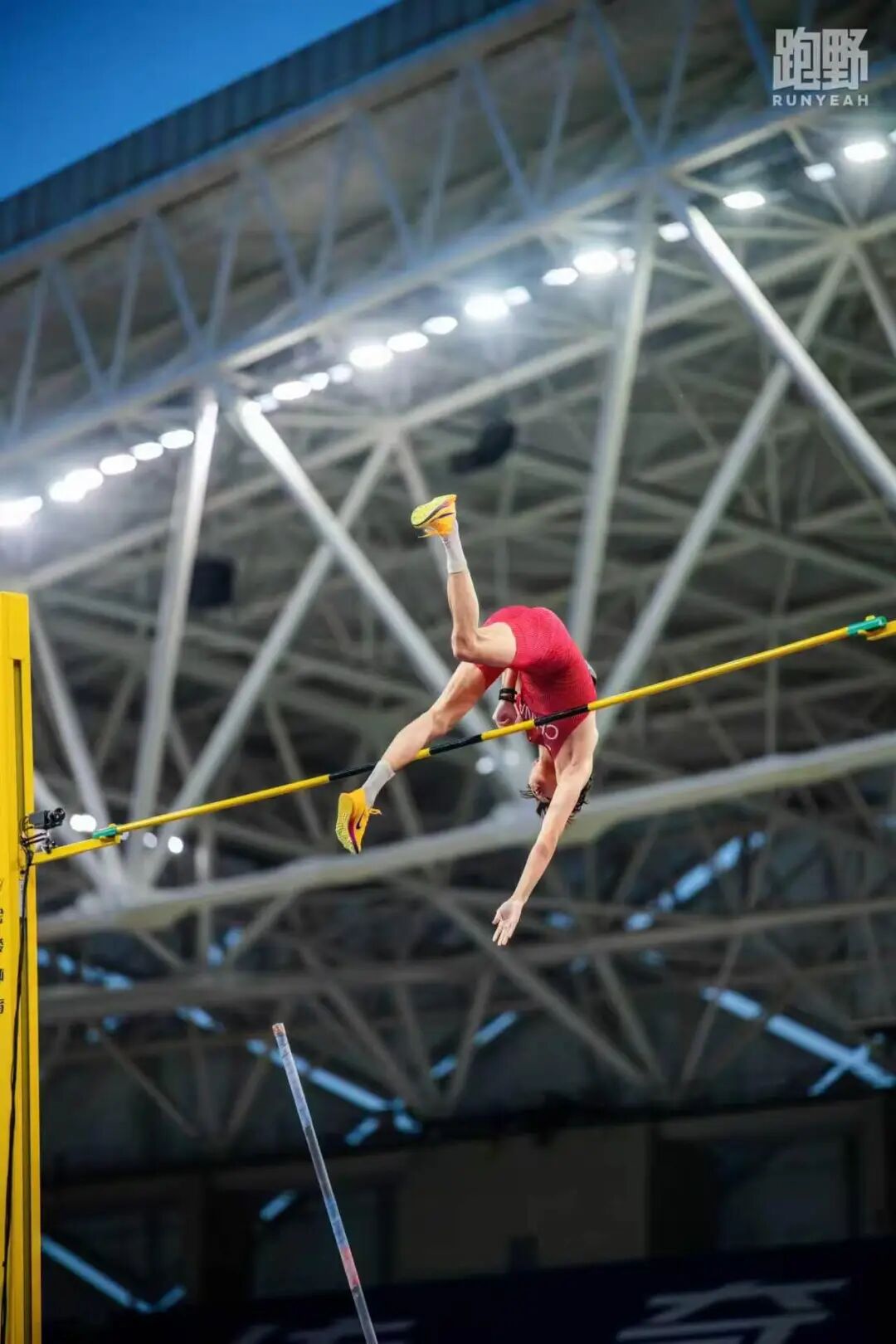
From a marketing perspective, marathons and track events do target different audiences. Marathon participants, spectators and consumers overlap heavily,and people who follow the running scene are very likely the direct consumers of running shoes.By contrast, many track-event spectators are pure athletics fans, and they may not have a need to buy extremely specialized products like spikes.
In other words, brands releasing athletics-specific products are not doing it to"sell", at least not to sell to the people in the stands. Since that's the case, why do brands still invest in building a presence?
You can look to the logic of F1 racing for reference: the technical sophistication of spikes often reflects a sports brand's R&D capabilities. Being able to produce products that elite athletes trust on the biggest stages means the brand has reached world-class levels in upstream materials, design and other core areas. That technical expertise and systemic advantage can then be fed back into the brand's broader consumer product lines.
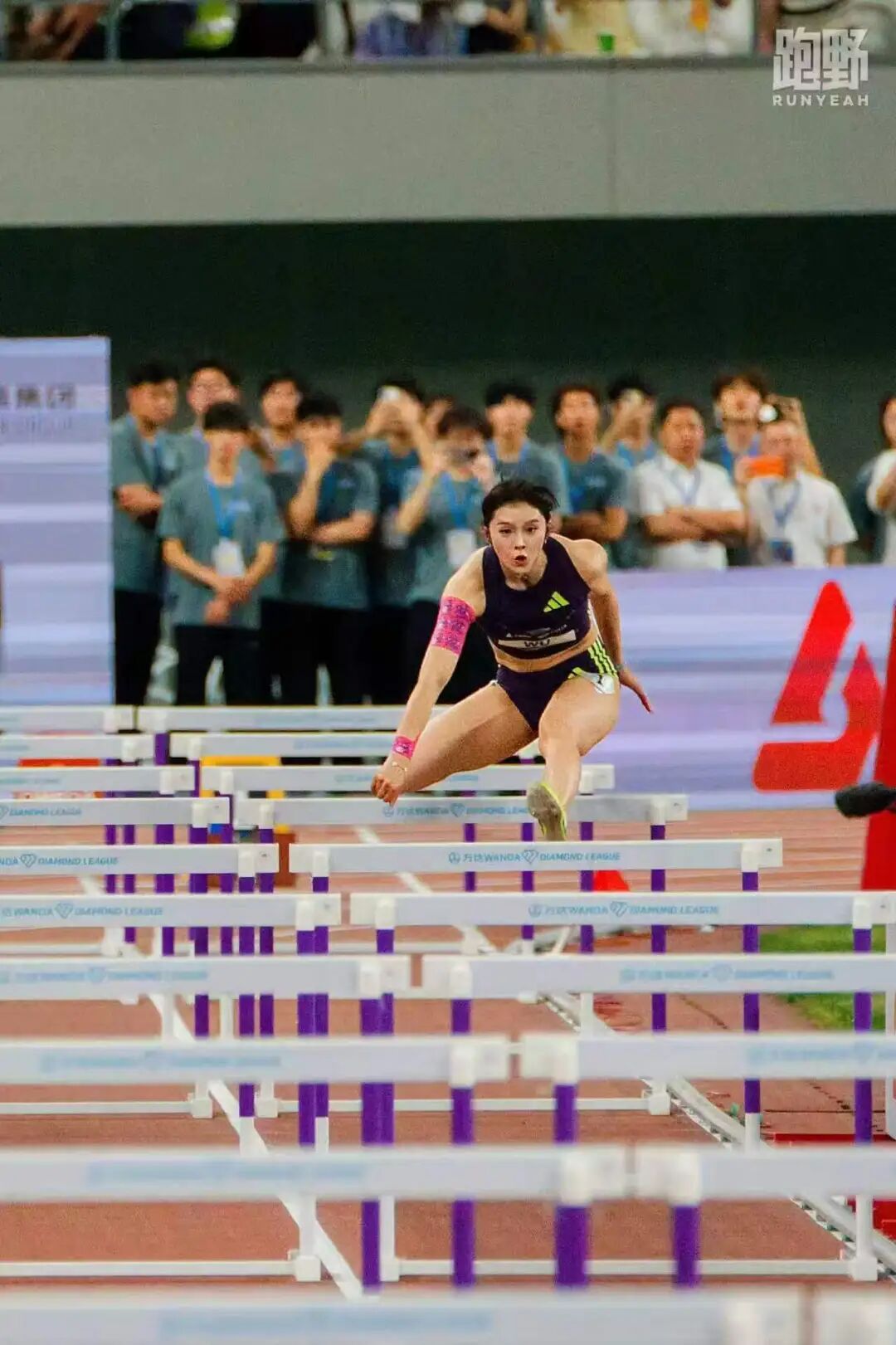
Consumers might not buy a pair of spikes, but seeing a brand's technical strength on the top track and field stage makes them more trusting of its everyday shoes. This is a typical"technology spillover" effect, and it's the playbook long used by international giants like Nike and adidas — domestic brands are now copying this path.
In addition, athletes' commercial value is being reactivated. In the past, commercial value in Chinese athletics was severely polarized. Marathoners could secure stable deals thanks to the hot mass road-running market, while sprinters and middle-distance runners found it hard to attract brands unless they reached the phenomenon-level success of Su Bingtian or had personal pull like Wu Yanni.
Nowadays, athletes like Liu Dezhu, Wu Hongjiao, Liu Jingyang, Liu Junxi, and Yan Ziyi have secured brand partnerships. Domestic brands sign them partly to preemptively position themselves for potential future breakthroughs, and partly because these athletes hold significant influence among dedicated track and field fans and younger audiences. They can bring a'professional, pure, hardcore' aura to a brand, which is very important for changing the past consumer perception that 'domestic brands just make shoes and lack sporting spirit.'
Two additional perspectives are worth noting. First, the shoe-and-apparel official partner for the Shanghai/Keqiao stop is 海尔斯, a long-established company that has long focused on track-and-field equipment and apparel. Although it doesn't have the profile of Anta or Li-Ning, it has consistently maintained a presence within the professional track-and-field community. This shows that the commercial value of track events has never disappeared—it's merely upgrading from traditional forms to a more systematized brand competition.
Second, Brooks' signing of Xi Xiaoheng indirectly confirms that middle-distance track events have become a battleground. Even foreign brands that in the past focused more on road running in the Chinese market are opting to use local athletes to break into track events, which shows how the competitive landscape is evolving.
Is a second growth curve being quietly laid out beyond the marathon? Domestic brands are completing the transition from “road-running specialists” to “full athletics-matrix players.” Perhaps the change is already underway.