
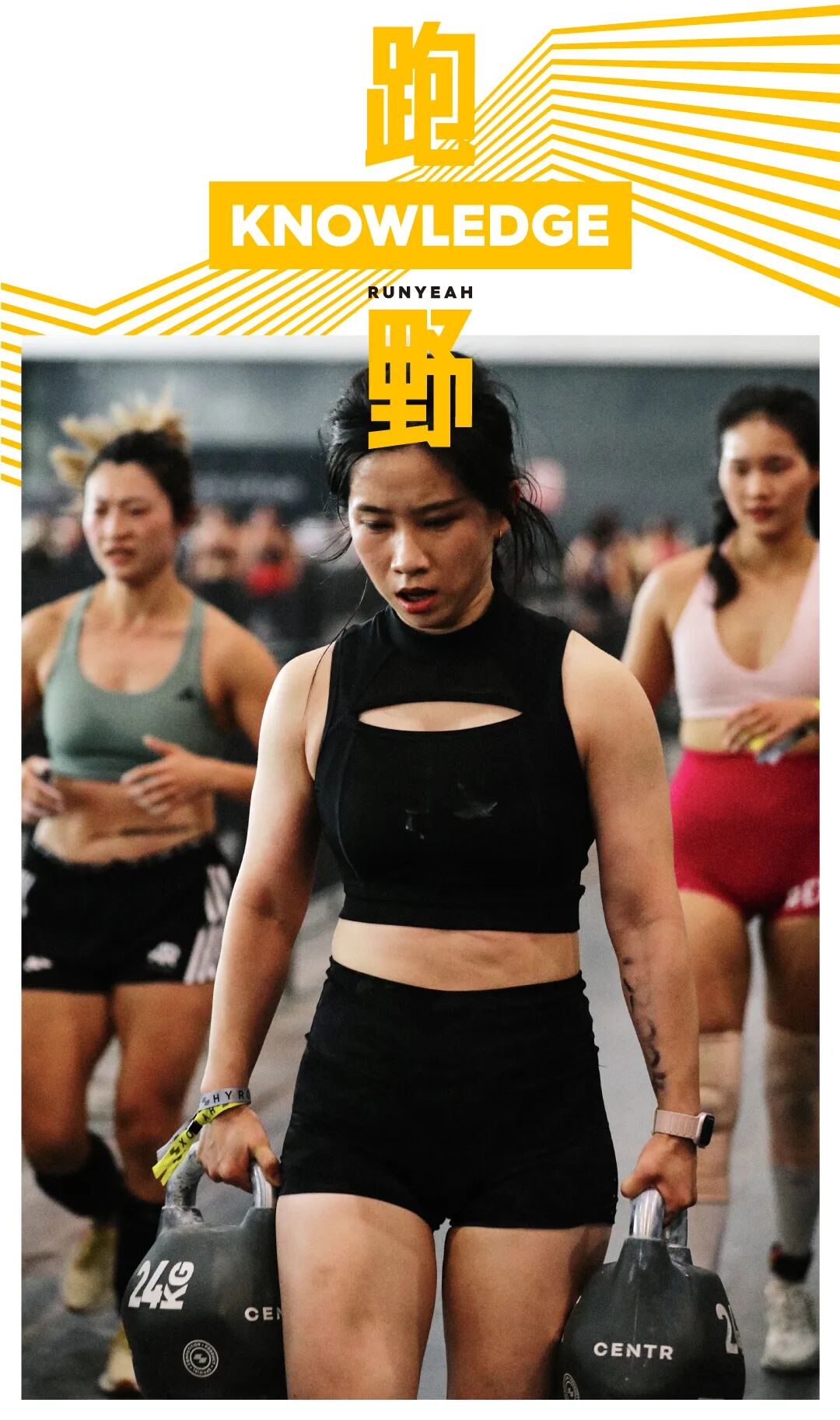
For many women who are new to fitness or who only occasionally run or do yoga, stepping into the strength training area often requires a lot of courage.You might worry:"If I start lifting weights, will I'buff Barbie'?"Or get overwhelmed by a variety of complicated suggestions:"Do I have to adjust my training plan to follow my menstrual cycle?"
In Huberman Lab podcast episode, Stanford's Dr. Andrew Huberman invited a leading expert on muscle growth and female physiology Lauren Colenso-Semple PhD.This episode uses scientific data to debunk long-standing myths in the fitness world.If you're a recreational athlete interested in trying strength training, or already lifting but still have doubts, this article is for you.

Many women’s biggest concern about lifting weights is that they’ll end up with exaggerated, bodybuilder-like muscles.
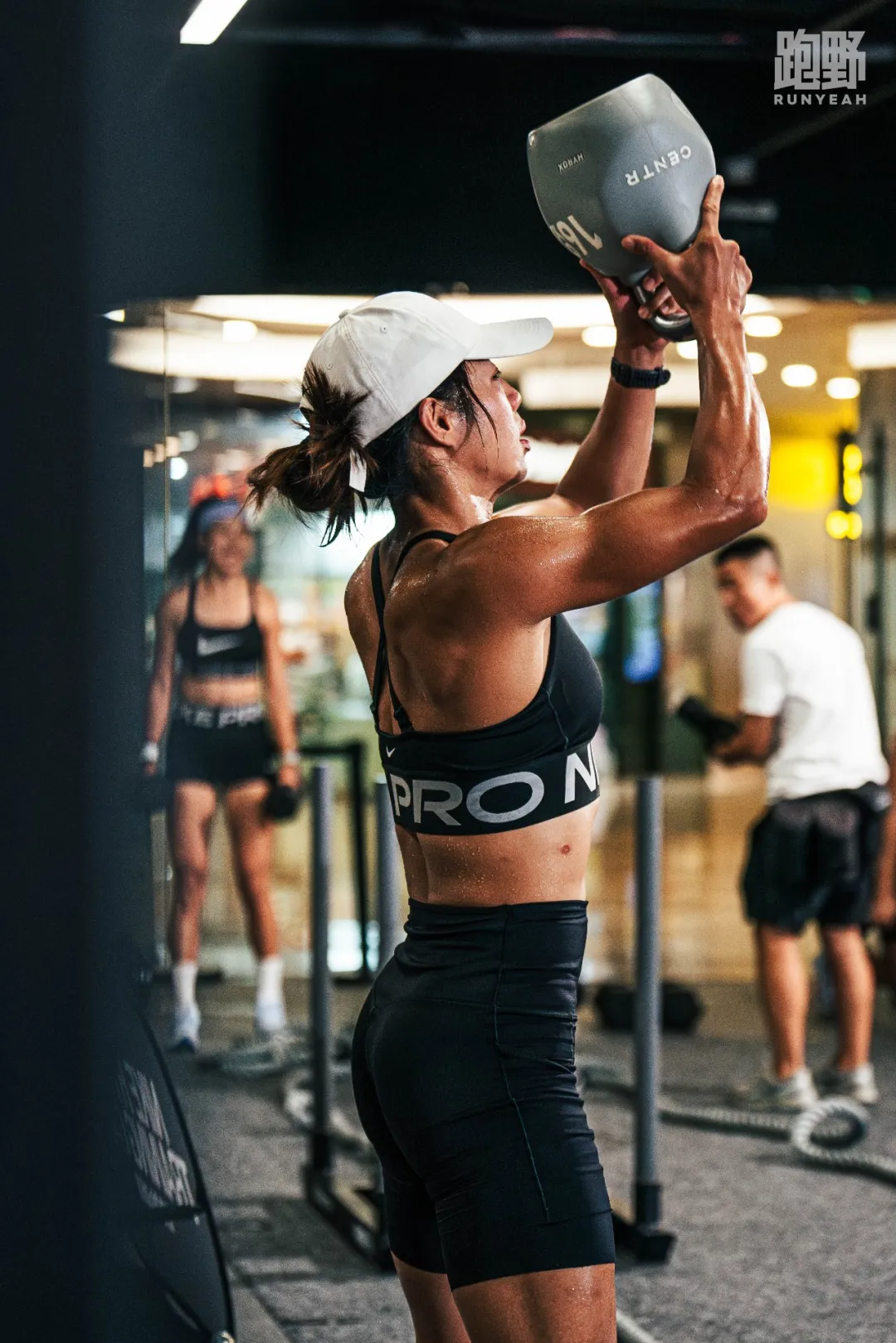
Colenso-Semple the doctor gave everyone a reassuring message: natural resistance training will never, unintentionally, turn you into"muscle-bound woman".To reach that level of muscularity typically requires exogenous hormones (for example, steroids).
For the average woman, regular strength training will only make your lines firmer; not only will it not make you"bulky", but rather it can help boost your basal metabolic rate, helping you burn more calories every day.

You may have heard “Men have higher testosterone, so they build muscle more easily, while women find it harder to build muscle”. That statement is only half true.
At the cellular level, men's and women's muscles respond to exercise in exactly the same way.The difference is at the starting line: during puberty, men gain a larger baseline muscle mass because of a surge in testosterone levels.

However, when it comes to the ability to gain muscle (that is, the proportion of muscle added through training), women and men are actually the same. And you don't need to worry about your testosterone level in order to gain muscle. The doctor points out that as long as it's within the normal physiological range, your everyday testosterone level doesn't determine how much muscle you can build. So, don't be discouraged by the saying "women are naturally unable to build muscle".

Misconception 1: You must adjust training according to your menstrual cycle
There’s a popular idea right now called “menstrual cycle-synced training”, which means you should switch up your training across different phases of your cycle — for example, only doing yoga during your period and lifting weights during ovulation.
But the scientific data do not support this practice. Although when you have menstrual cramps or are especially tired, you should listen to your body's signals and rest or reduce training load, from a physiological standpoint your muscles do not"stop growing". So there's no need to overcomplicate your training plan; as long as your body feels OK , go ahead and lift.
Additionally, for women taking hormonal contraceptives, or those going through menopause, strength training remains completely effective and extremely important. Muscle loss during menopause is often due to"moving less", rather than simply because estrogen has decreased.
Misconception 2: Fasted cardio is better for fat loss; cardio will"cause muscle loss"

You don't need to spend every day in the gym, nor push yourself to the point of exhaustion. Based on scientific evidence, a PhD has outlined this minimalist training guide suitable for recreational runners:
1. How many times per week should I train?
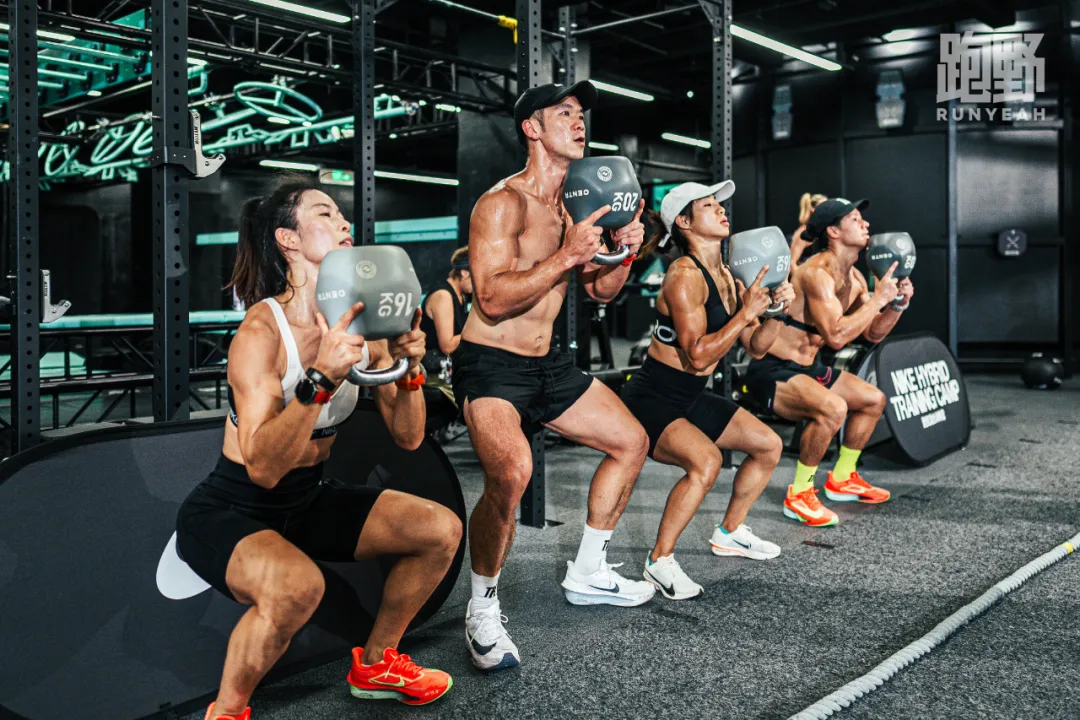
For most people, doing 2 to 3 sessions of full-body strength training per week is already highly effective.Each session lasts about 45 minutes to 1 hour, a highly efficient use of time.
2. How many sets should you do for each exercise?
3. How long should the rest between sets be?
For heavy lifts like squats and deadlifts, it's best to rest 2 to 3 minutes. Don't think of rest as wasted time — it allows your nervous system to recover and ensures you can lift the same weight on the next set.
If you want to save time, try"supersets": for example, after completing a set of chest presses, immediately do a set of bent-over rows. Because these two exercises work opposing muscles, you save time without compromising effectiveness.
4. About nutrition supplementation
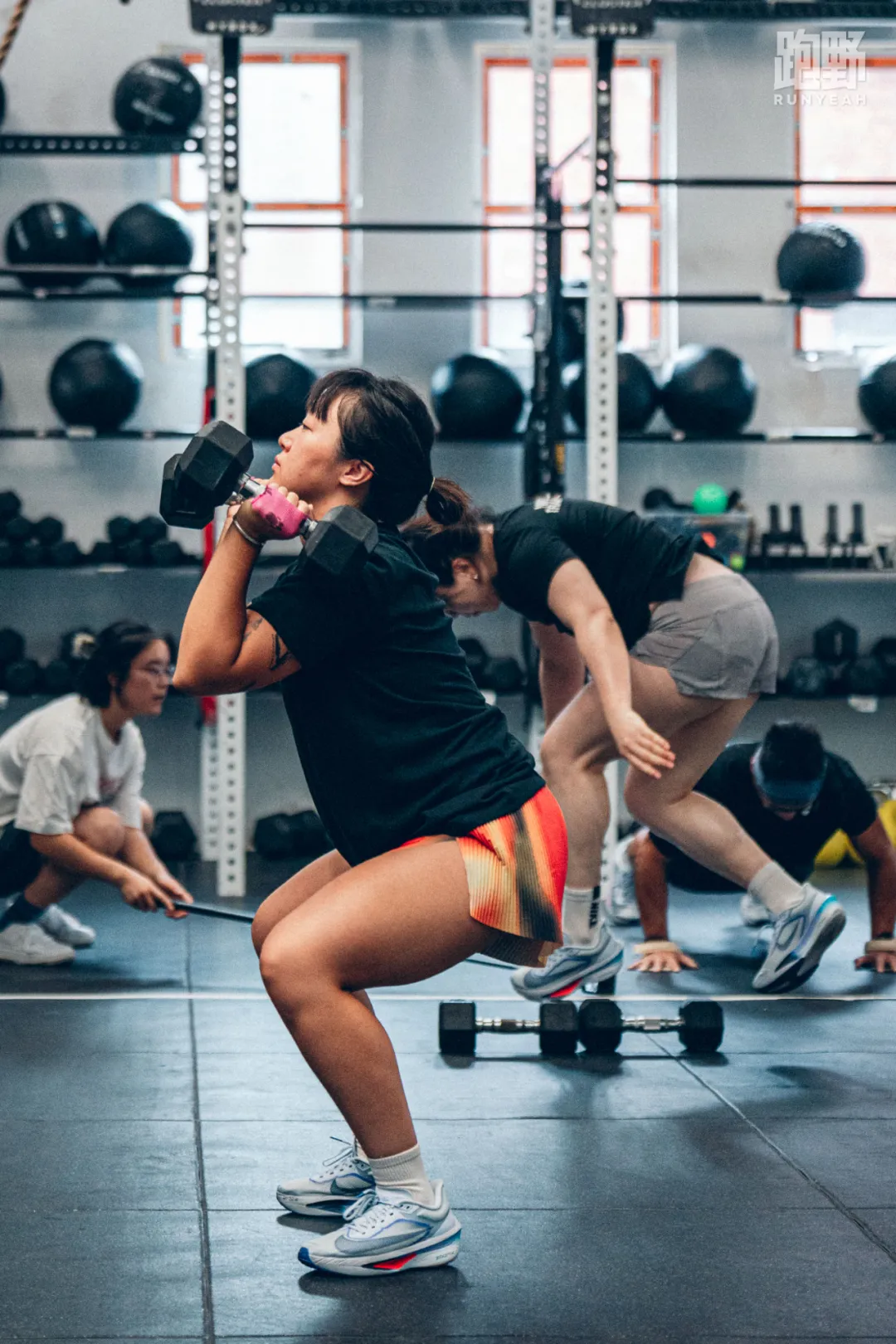
Supplements on the market can be overwhelming, but Dr. Colenso-Semple recommends creatine monohydrate (Creatine Monohydrate). Add 3-5 grams into your water. Not only can it help increase strength, it can also benefit brain health. Stick with the plain powdered creatine; avoid those flashy"creatine gummies", because they often contain little actual creatine.

Strength training shouldn't be a male-only pursuit, nor should it be made intimidating by pseudoscience. For the average female enthusiast, lifting weights is accessible and delivers huge benefits. It not only helps you stand taller and look more toned, but also protects your bones and joints.
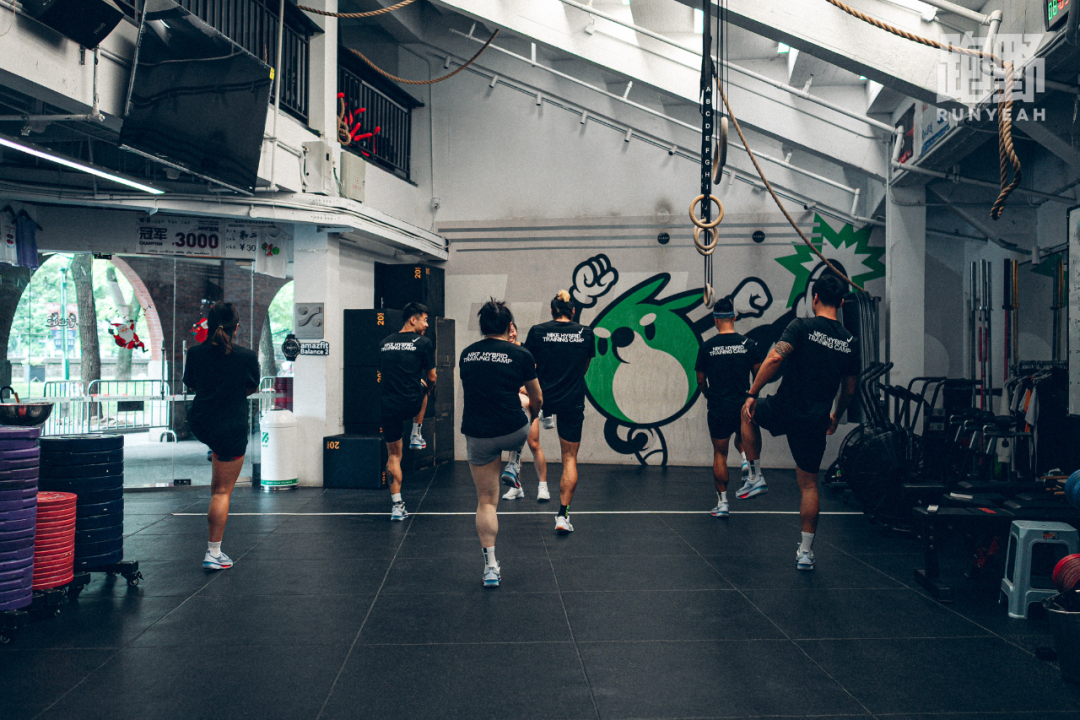
Don't be intimidated by complicated terms and myths. Start with two sessions a week, pick a few easy-to-use pieces of equipment each time, and feel strength grow in your body.You'll find that lifting weights brings not just changes to your appearance, but also a confidence in taking control of your body.
(This article is based Huberman Lab podcast episode:Dr. Lauren Colenso-Semple: The Science of Muscle & Strength Training for Women compiled and written.)