Chinese sports brands expanding overseas is no longer new, but how they do it, the ways they enter, and whether they can ultimately be truly accepted are still matters worth continued observation.
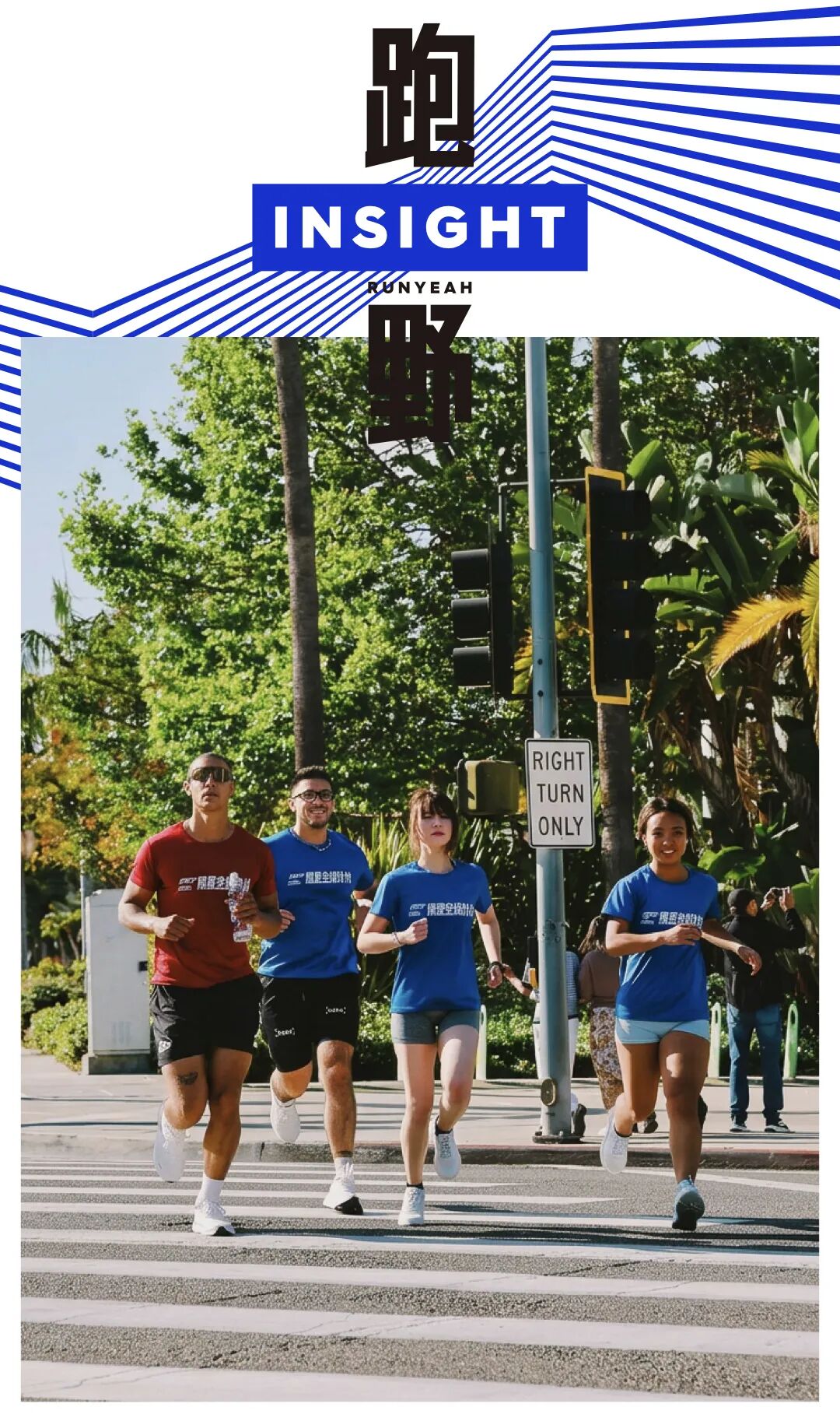
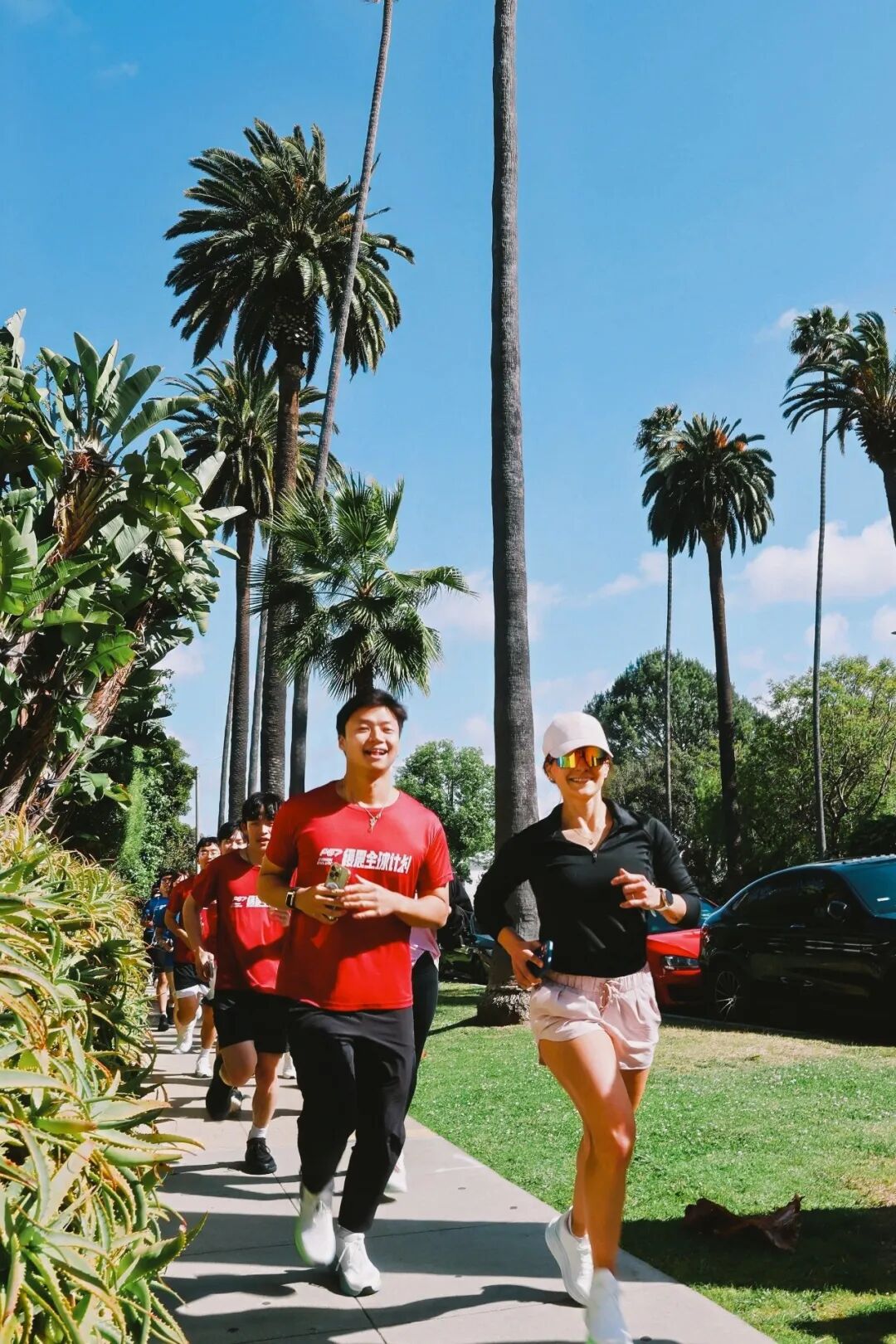
These past two days, on the streets of Beverly Hills in Los Angeles, Chinese and American runners together completed a somewhat different kind of city run. There was no set pace and no race; if they were tired they walked, if they wanted to take photos they stopped.
This isn't a race, nor even a running event — it's more like a slice of life. So the question is: when speed breaks its limits and the world cheers as records are rewritten, and a running event is no longer about speed, what is it about?

Over the past two years, Anta's frequency of moves and choices of approach in overseas markets have gradually formed a relatively clear and distinctive blueprint for going global.
Anta's Beverly Hills flagship store opened in North America this February, the PG7 Los Angeles City Run, is a microcosm of a Chinese brand establishing itself overseas. Since last year PG7 successfully launched abroad, Antahas been deeply cultivating overseas communities and continuouslyoperate"PG7 Cushioning Global Program",In just over a yearhasvisited Shanghai, San Francisco, Chicago, Boston, New York, Los Angeles, Hanoi, Dubai, Addis Ababa, Kuala Lumpur, Bangkok,andManila, totaling 12 cities。
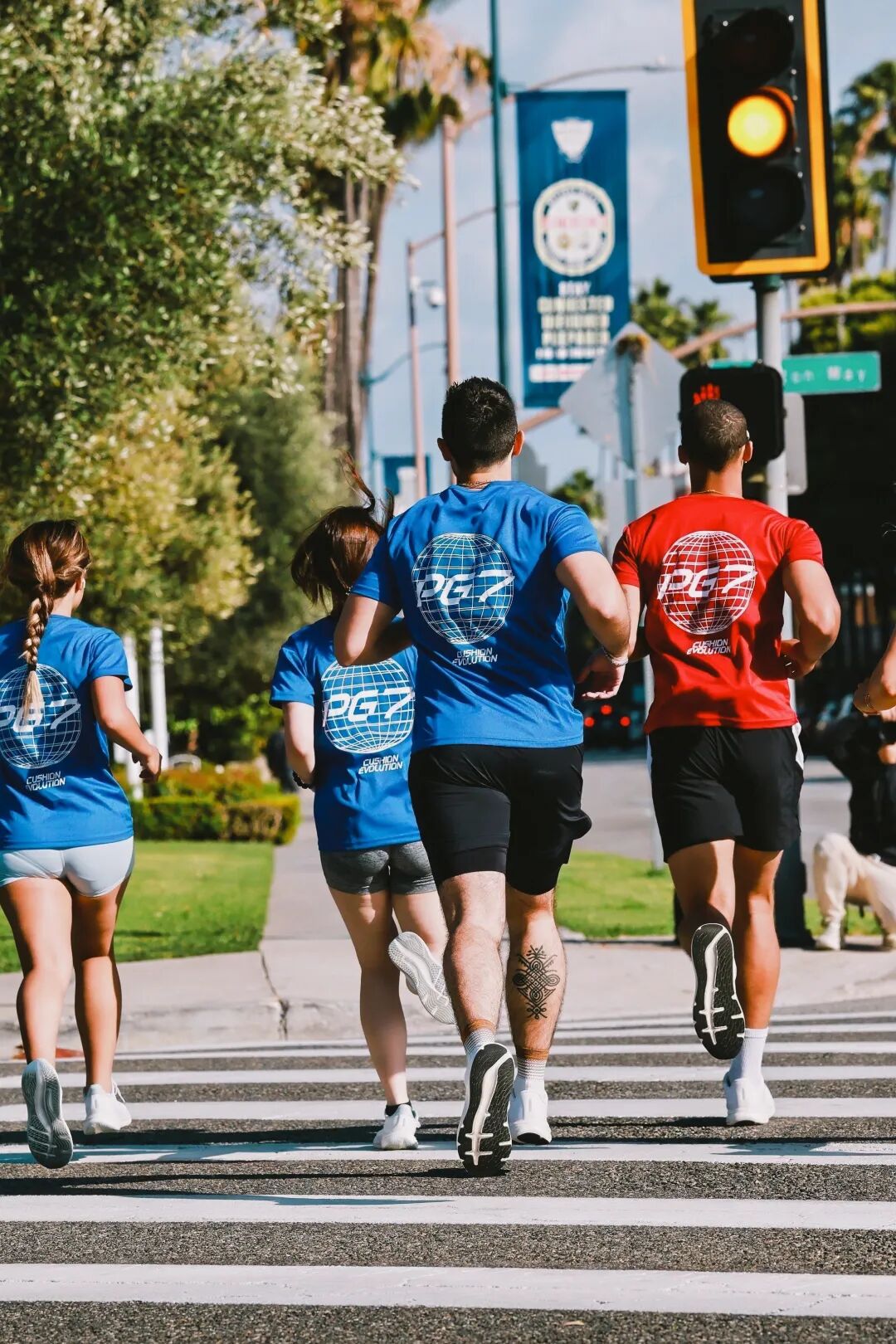
This year, the first relaunch stop felt more like an open city experience,with PG7 treating overseas markets as one of its key touchpoints. It no longer centers on a single drop; instead, through a combination of urban jogs, in-store experiences, and social content, it builds a complete experiential framework. What runners participated in was more than just a workout — it was a relaxed, no-pressure running culture.
At the event, international students from UCLA and USC ran alongside local overseas runners who had worn the previous two generations of the PG7 Travel series. There were no strict distance requirements and no pace expectations — they set off from Anta stores and completed a thoroughly relaxed urban jog along the streets.
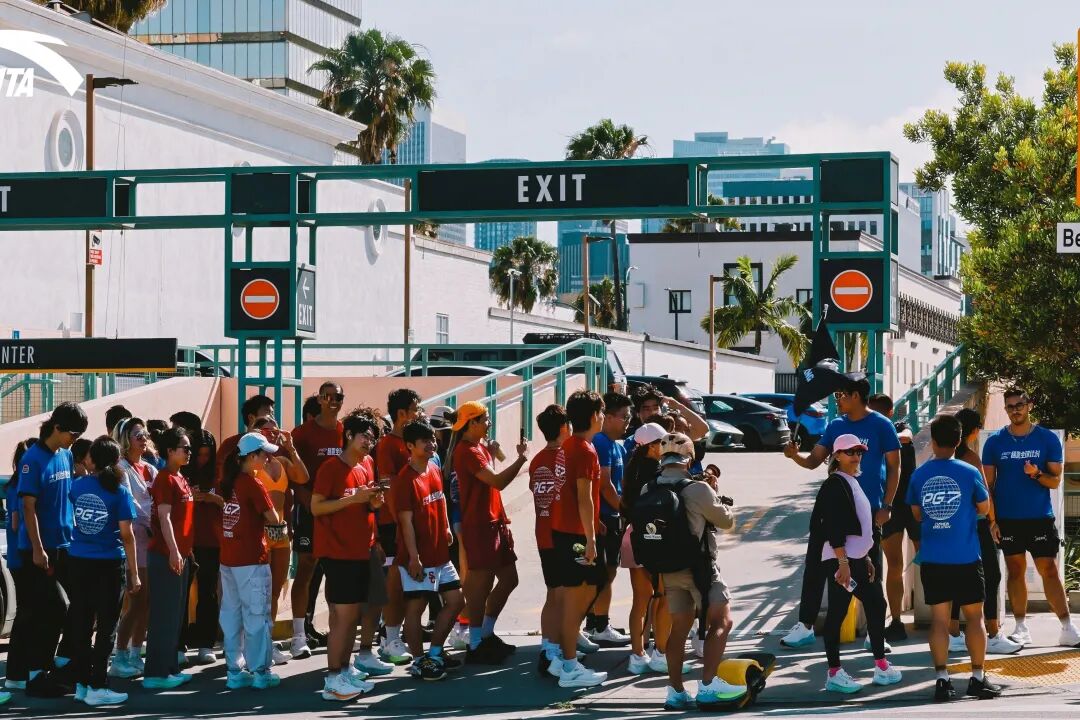
The PG7 and the "PG7 Cushioning Global Program" are key vehicles for Anta as a domestic brand to engage internationally. Compared with specialized racing products, it has a lower threshold, a wider range of applicability, and is easier for users from different cultural backgrounds to understand and accept. In other words, on Anta's globalization path, the PG7 plays the role of an "entry product," letting more overseas runners try it on first and then gradually understand it. This shift in approach is also reflected in the relationship between the product and its usage scenarios.
At the same time, the product itself is taking on a greater role in popularization. Compared with professional running shoes that emphasize speed and performance, the PG7 emphasizes comfort and everyday adaptability. Therefore it lowers the barrier to entry for running, making putting on running shoes feel more natural.
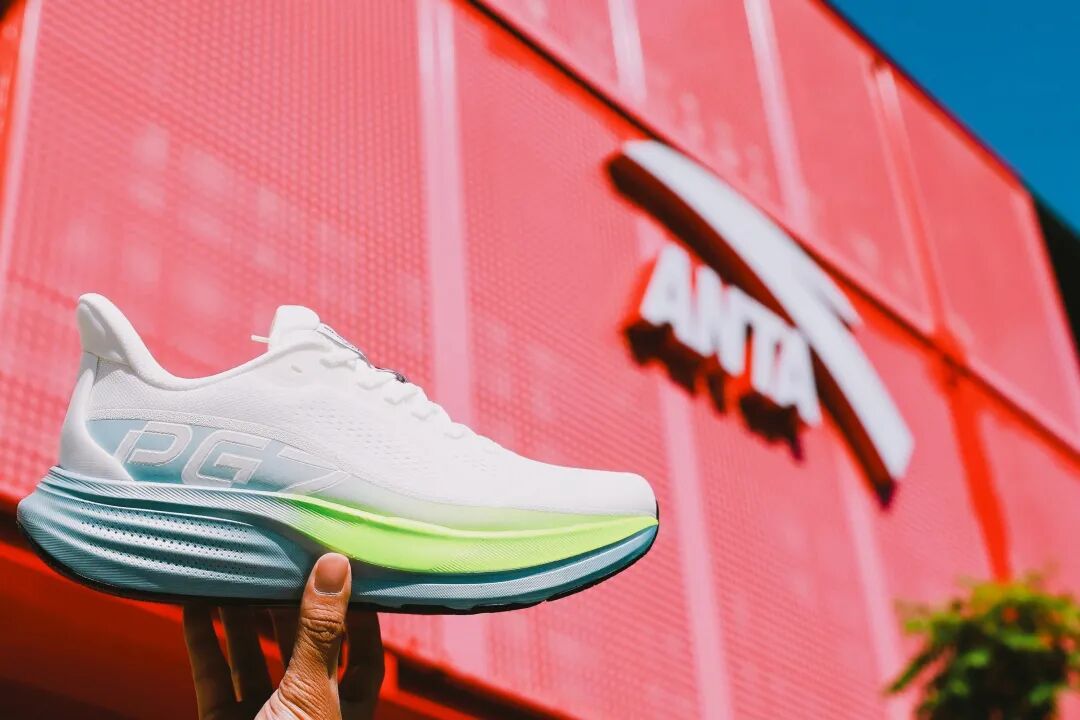
Anta's strategy was already built on a foundation. Over the past year,the PG7 Travel series has completed initial market validation. In 2025, the Anta PG7 line sold over 4 million pairs across the year, and since entering the U.S. market in April 2025 it has entered the top 30 on Amazon's running shoes chart in overseas channels.
From ramping up domestically, to testing the waters overseas, to rolling out in real-life scenarios,the path of PG7 represents not only Anta products being sold abroad, but the start of entering the everyday life of different cities in a lighter way.
When store spaces, running routes and social interaction are naturally linked together, they form a complete participatory scenario. It is in these kinds of settings that we find, Anta is doing far more than sudden product launches; it is steadily exporting a Chinese brand's lifestyle.

If the Los Angeles city run is an entry point, what matters more is the entire globalized system operating behind it.
In 2024, the PG7 midsole technology platform was launched, breaking the industry's cushioning-technology barriers, and the Travel Step series equipped with Anta's self-developed technology received rave reviews.
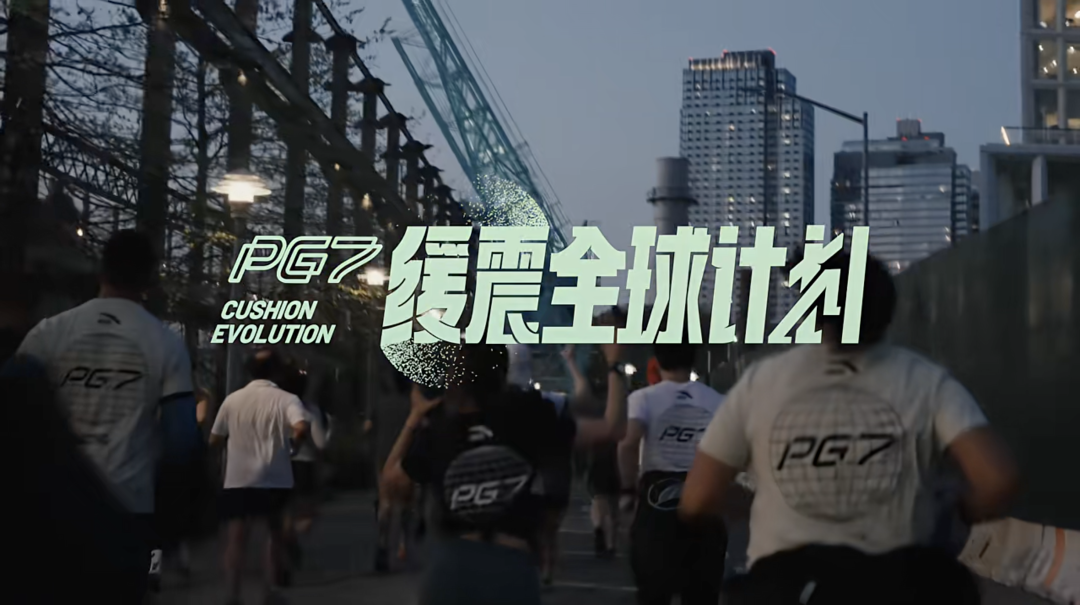
In 2025, the "PG7 Global Cushioning Initiative" officially launched. Across different cities worldwide, PG7 did not stop at product showcases; by testing together with local runners, the cushioning technology was experienced in real-world scenarios — turning specs into sensations, and products into everyday feedback. At the same time, Anta's running-shoe lineup made concentrated appearances on international platforms such as TRE, reinforcing its presence in the professional running field.
Entering 2026, the “PG7 Cushioning Global Program” enters its second season, extending from China into more overseas cities. This time, it’s no longer a trial but a sustained global rollout. In this process, we can see Chinese brands completing some key changes.
First is the move from a manufacturing advantage to product-definition capability.The new 安踏 PG7 Lvbu 3rd generation begins to redefine use scenarios: can one pair of running shoes cover more life situations? In mature Western markets, the “faster, lighter, springier” racing logic has become highly saturated; 安踏 did not simply choose to follow the market, but proactively switched lanes. PG7 has opted to shift from performance competition to everyday comfort, from the specialized runner to the general consumer.
Moreover, 安踏 did not rush to emphasize brand messaging; instead, it tried to gradually integrate into the local lifestyle.In 2025, the "PG7 Cushioning Global Program" set off from Shanghai and brought the PG7 to the United States for the first time, proactively embracing overseas consumers. Choosing North America as the starting point was supported not only by its own venues but also by the runners cultivated through 安踏's ongoing community activities at its Los Angeles store. There, it became part of jogging, photography, and social life, and part of local runners' choices. At this point, 安踏 completed a shift from cultural export to cultural adaptation.
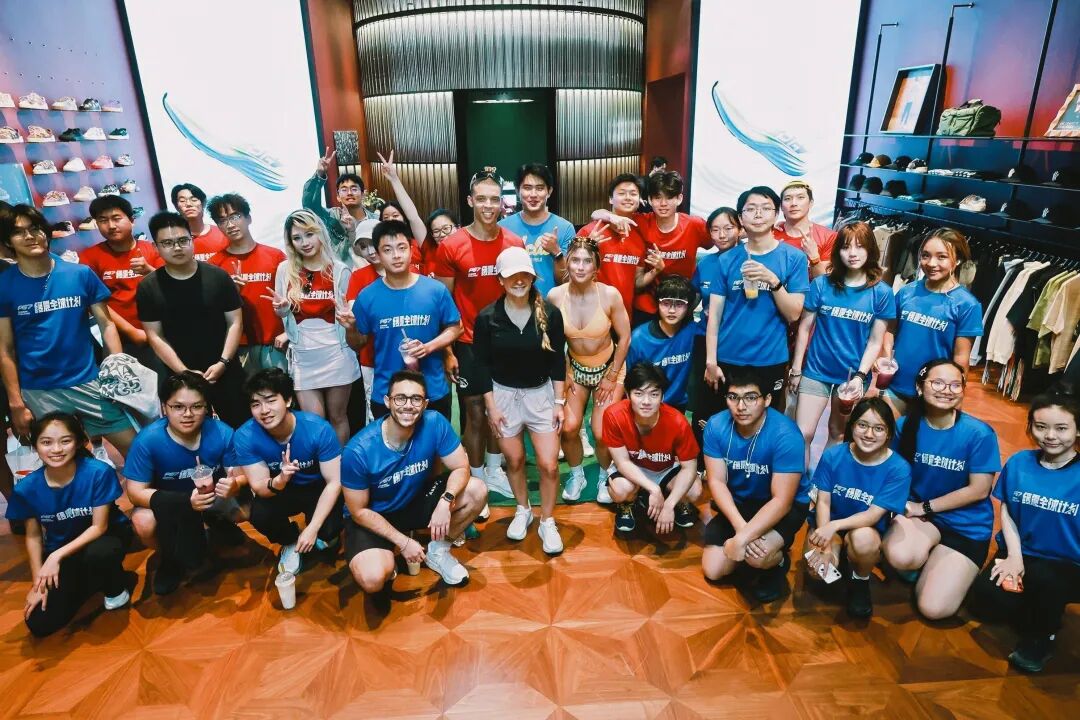
From this it is clear that,PG7 has gradually established a fairly clear path: from the product, to on-the-ground activations, to runners' experiences, with content fermenting and continuing to spread, and with overseas feedback reinforcing brand recognition in return.
If one sentence could summarize this phase of change, it's that Anta is not merely selling products to the world—it is helping to define a global lifestyle.
And when a brand becomes part of people's lives, the product itself must hold up. The question becomes straightforward:Can the PG7 really cover a runner's entire 24 hours?

If the PG7's changes were merely a product upgrade, then its significance would be underestimated. Its more essential change lies in the expansion of "use scenarios"—from running-specific contexts to all-day wear.
In today's lifestyles, running is no longer an isolated moment,and the PG7 is built for that rhythm — it doesn't force runners into an athletic state, but lets running happen naturally within life.
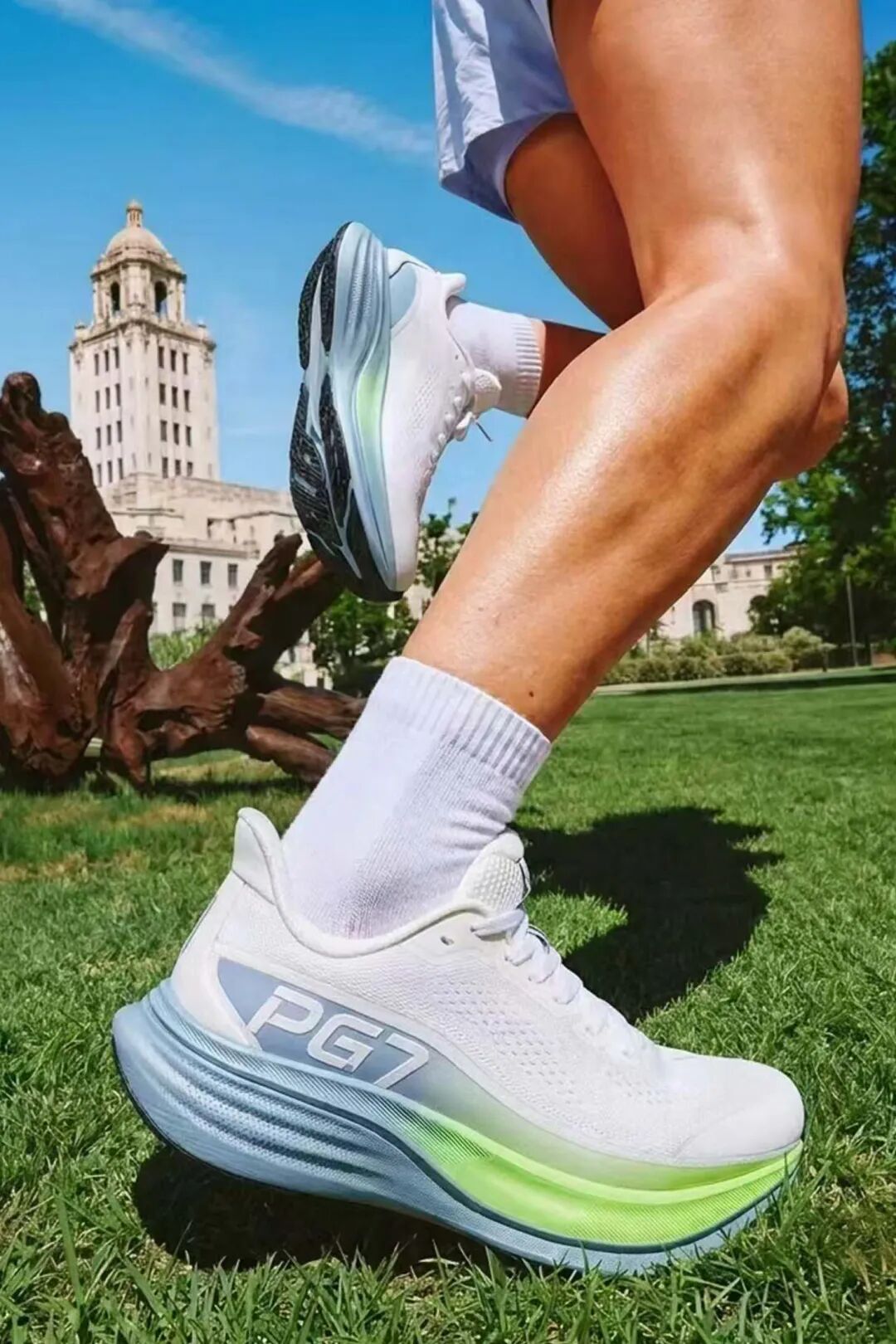
On the other hand, sports gear has shifted from purely functional products to everyday essentials. When one pair of shoes can cover most scenarios throughout the day, its role changes accordingly. Users no longer need to switch shoes frequently; they rely on a single pair to complete the entire journey from leaving home to returning.
Running shoes are no longer prepared only for running, but have become a more everyday choice. Yet all expressions about " 24 hours/around-the-clock" ultimately must come back to the product itself.
What exactly has been upgraded in the third-generation PG7 Lvbu?
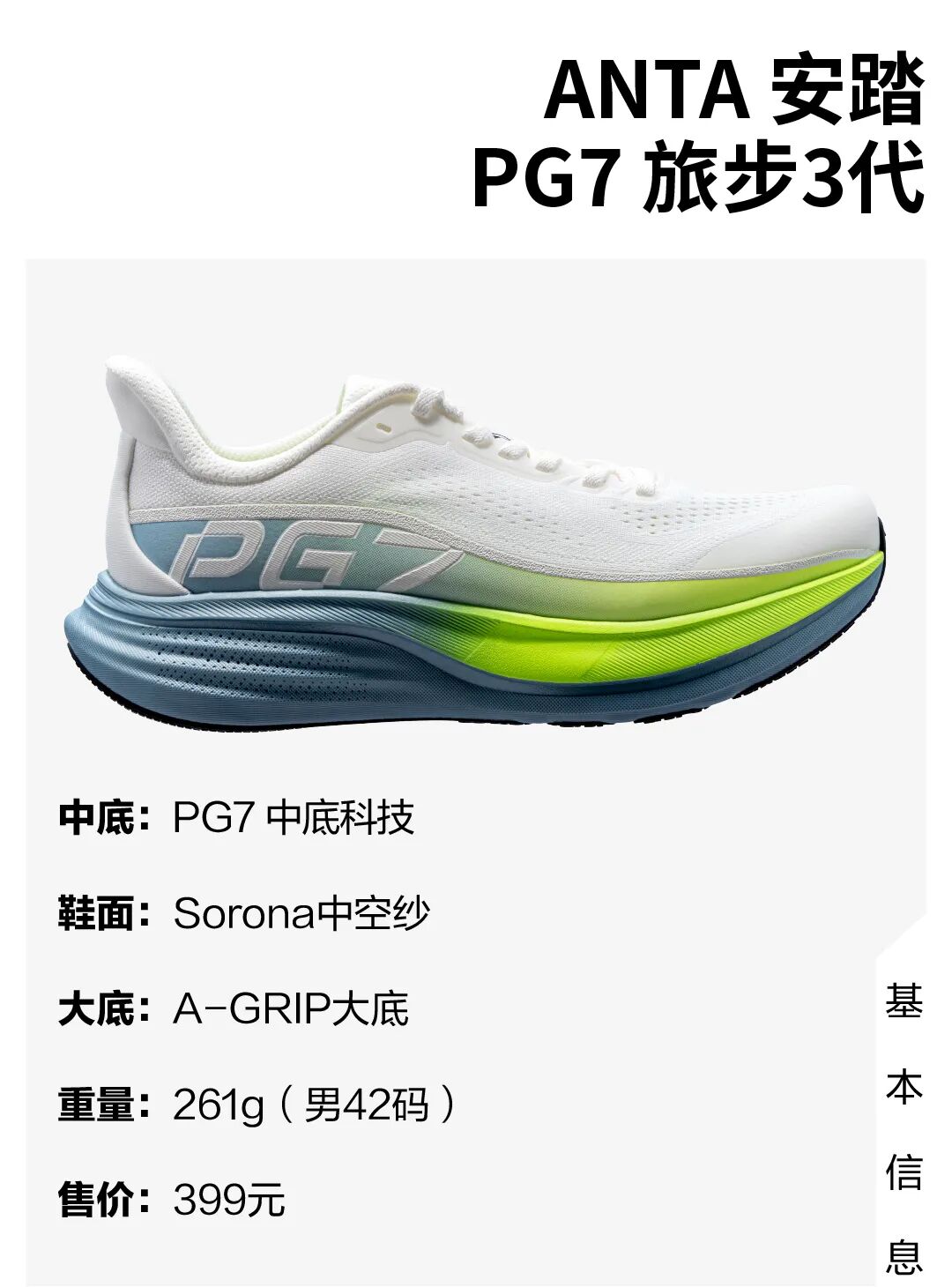
On the midsole, compared with the previous generation each shoe is about 30g lighter, reducing the sense of burden during long periods of wear. The PG7's cushioning has been improved in sync, with a damping G value reaching 7.6 — the landing feels light and not jarring, and switching between walking and jogging remains consistently stable and comfortable.
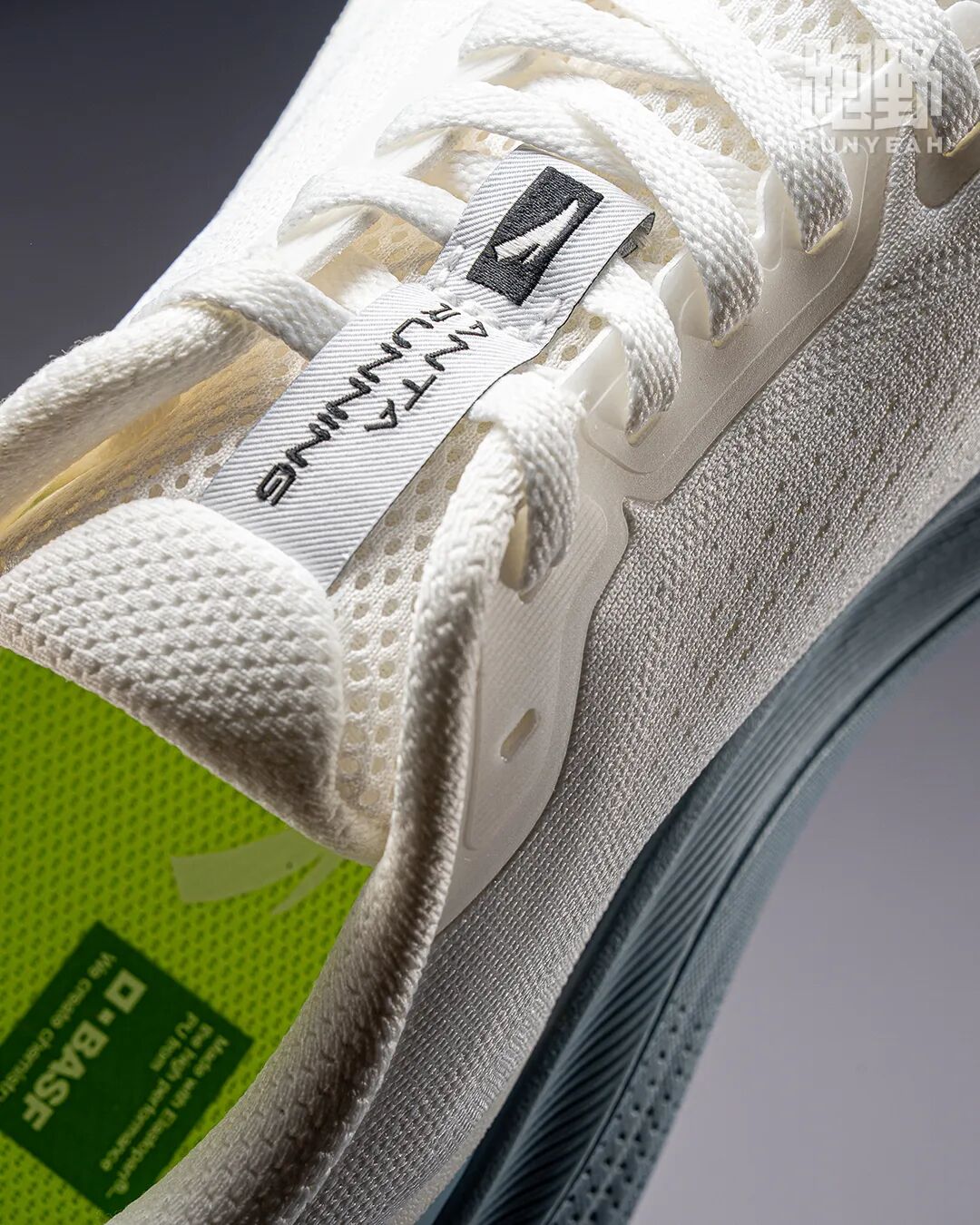
The upper uses a Sorona hollow-yarn structure that enhances air circulation through the internal spaces of the yarn. Heat dissipates faster and the shoe is less prone to feeling stuffy; at the same time it maintains a relatively steady cool sensation, keeping long periods of wear comfortable.
Many colleagues who do trail running are PG7 loyal fans; videographer and heavier runner @Diego favors the PG7 series, "When I travel for work, this pair is basically all I need — they work for work and running."
Some even choose it as their go-to gift for family and friends — editor @CC has gotten pairs for her parents and relatives, "Very stable, good cushioning — the PG7 is also well suited to light exercise for older people."
Outside high-intensity sessions, editor @David uses it as his go-to for everything else, "Comfort is the most important thing in life — a casual jog or strength training are both covered."
"24 hours" is no longer just a concept; what the PG7 tries to do is make a shoe that isn’t only for running, but one that accompanies you through the whole day. At this point, the role of a running shoe has quietly started to change.
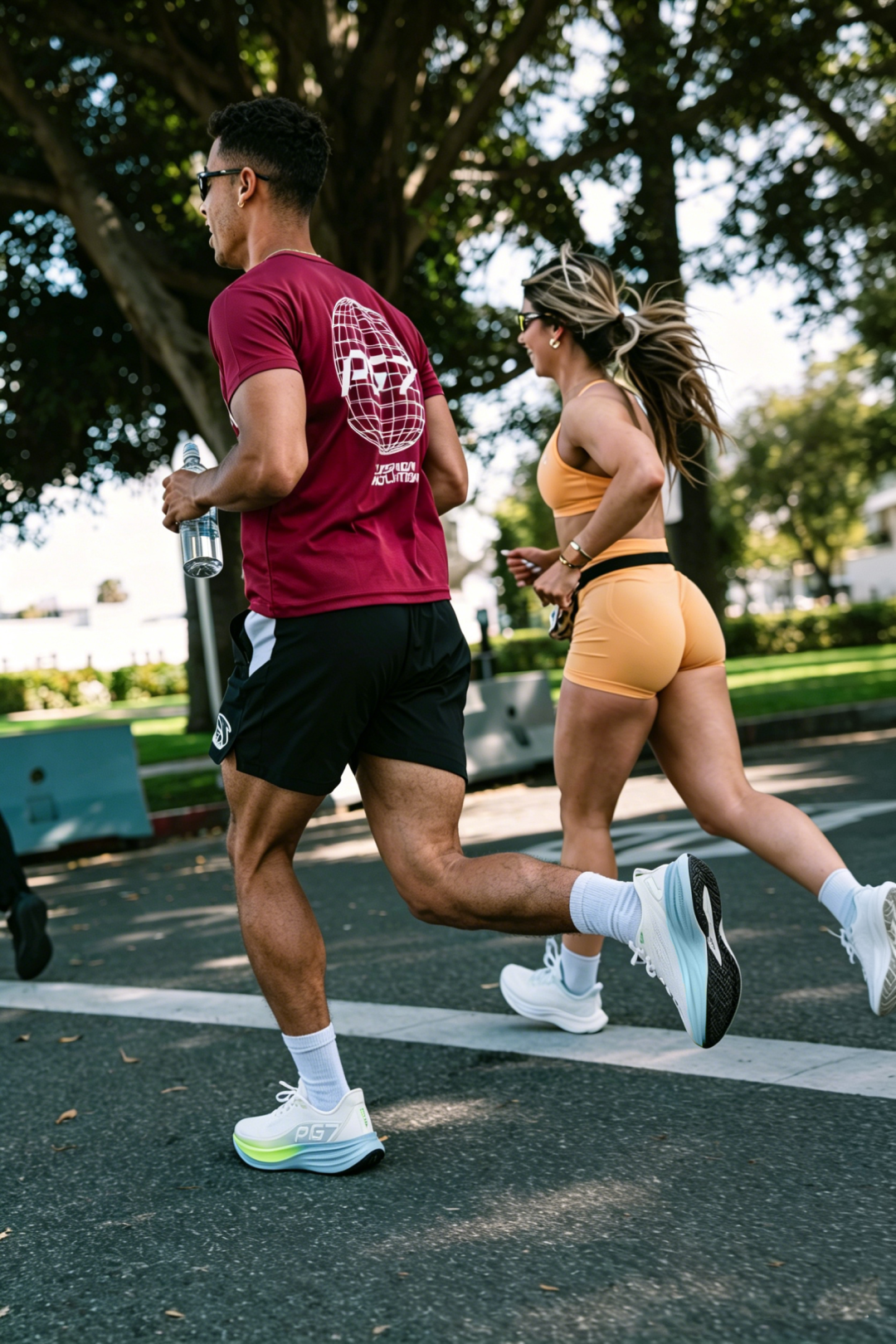
From the first stop of the 2026 PG7 cushioning global program in Los Angeles, it’s clear that Anta is trying to enter the global market in a lighter way—not only by focusing on the competitive results of a small elite group, but by starting from each person’s everyday life. The PG7 itself is communicating an elevation in value from a Chinese running shoe to global cushioning equipment.
When a pair of shoes can accompany you through every scenario of the day—from stepping out in the morning to returning at night; from daily commuting to an easy jog—it carries more than function. It becomes an expression of a lifestyle.
And this, perhaps, is exactly what Anta and PG7 are telling in the process of globalization: another kind of story.