
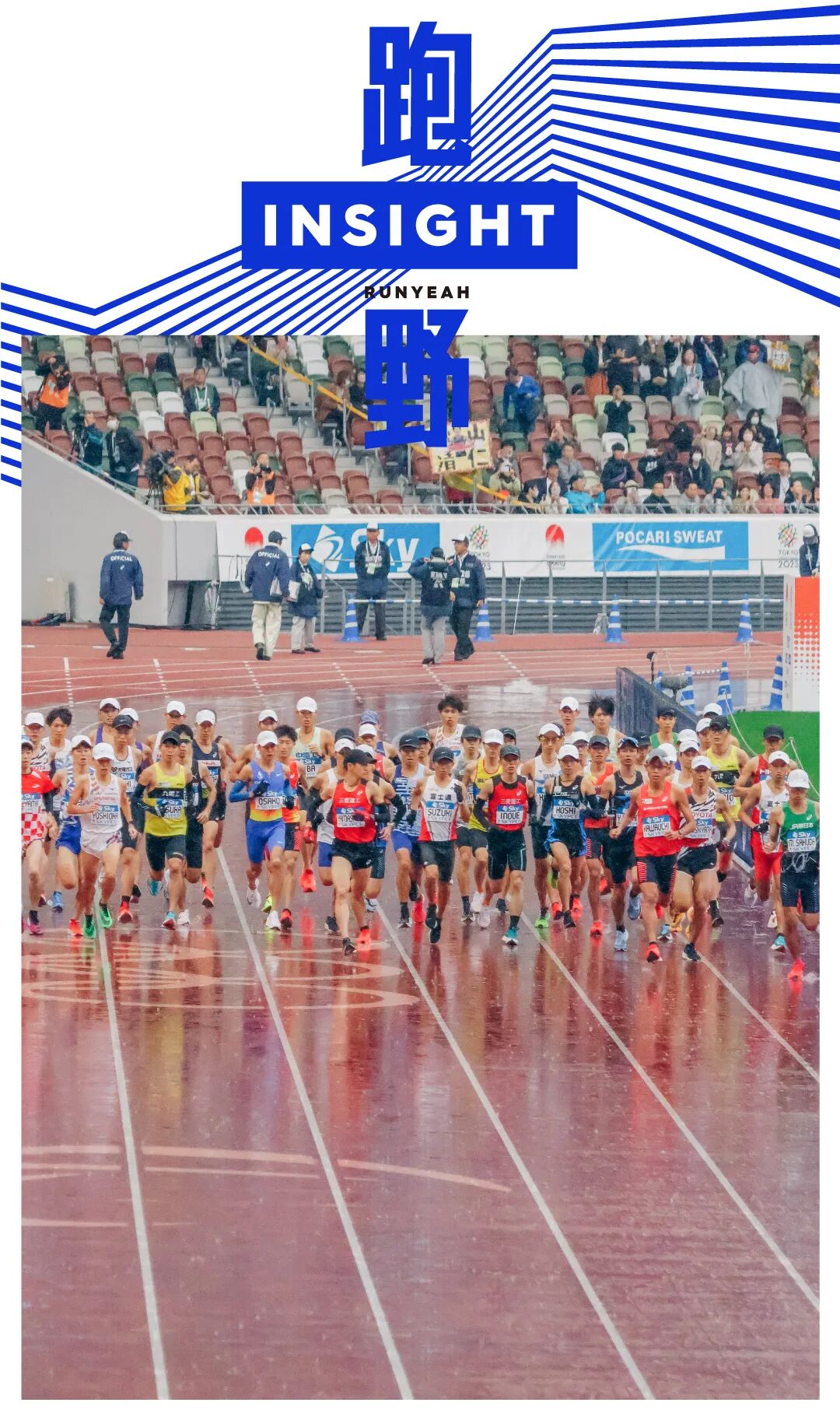
Since 2023, China's marathon records have been repeatedly rewritten — a clear trend. After a long slump, Chinese marathon running has finally found a runway for takeoff, and Japan, currently the powerhouse of Asian middle- and long-distance running, is bound to face a greater challenge.
For a long time, Japan's middle- and long-distance running has given the impression of being powerful and hard to beat. So how strong are they, exactly? Where does that strength come from? And would they be as dominant on the world stage?

When talking about Japanese marathon running, one word that always comes up is “heritage.” Founded in 1920, the Hakone Ekiden is almost a microcosm of Japan’s long-distance running culture. A century of accumulation has brought Japanese public participation in and enthusiasm for the marathon to unprecedented levels. If African athletes run partly to change their fate, Japanese runners’ persistence in the sport is more strongly influenced by their national culture.
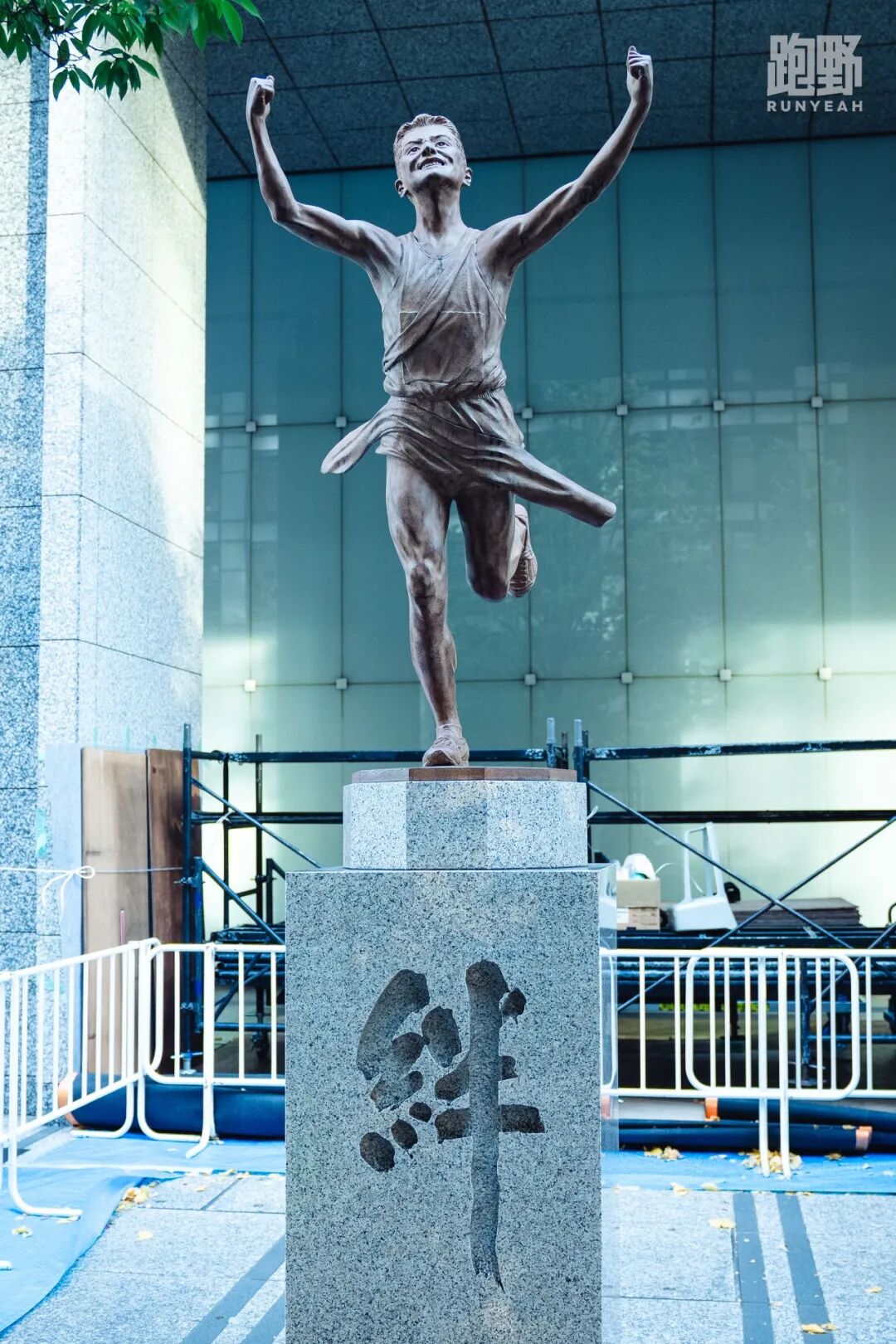
This long-term accumulation has laid a deep foundation for Japanese marathon running.Suguru Osako’s 2:04:55 and Honami Maeda’s 2:18:59 represent the current “ceiling” for East Asian runners, but with the gradual rise of Japan’s post-2000 generation of athletes, new challengers will surely emerge.
According to World Athletics’ official data,Japan has produced 233 athletes who have run sub-2:10, while China has produced 18. The United States, often thought to have strong marathon standards, has actually seen only 47 athletes break 2:10 so far.
The rising third pole of East Africa: Eritrea has 37 athletes who have run sub-2:10, Uganda has 19, and Tanzania has 13. (This article was written before the 2026 Boston Marathon)
Leveraging IPs like the Hakone Ekiden, wave after wave of young runners have entered the marathon scene — from recent years' Gaku Hoshi, to later Kiyozumi Hirabayashi, Asahi Kuroda, and more recently Ryota Kondo. Japan's debut marathon records have been pushed forward almost every year.
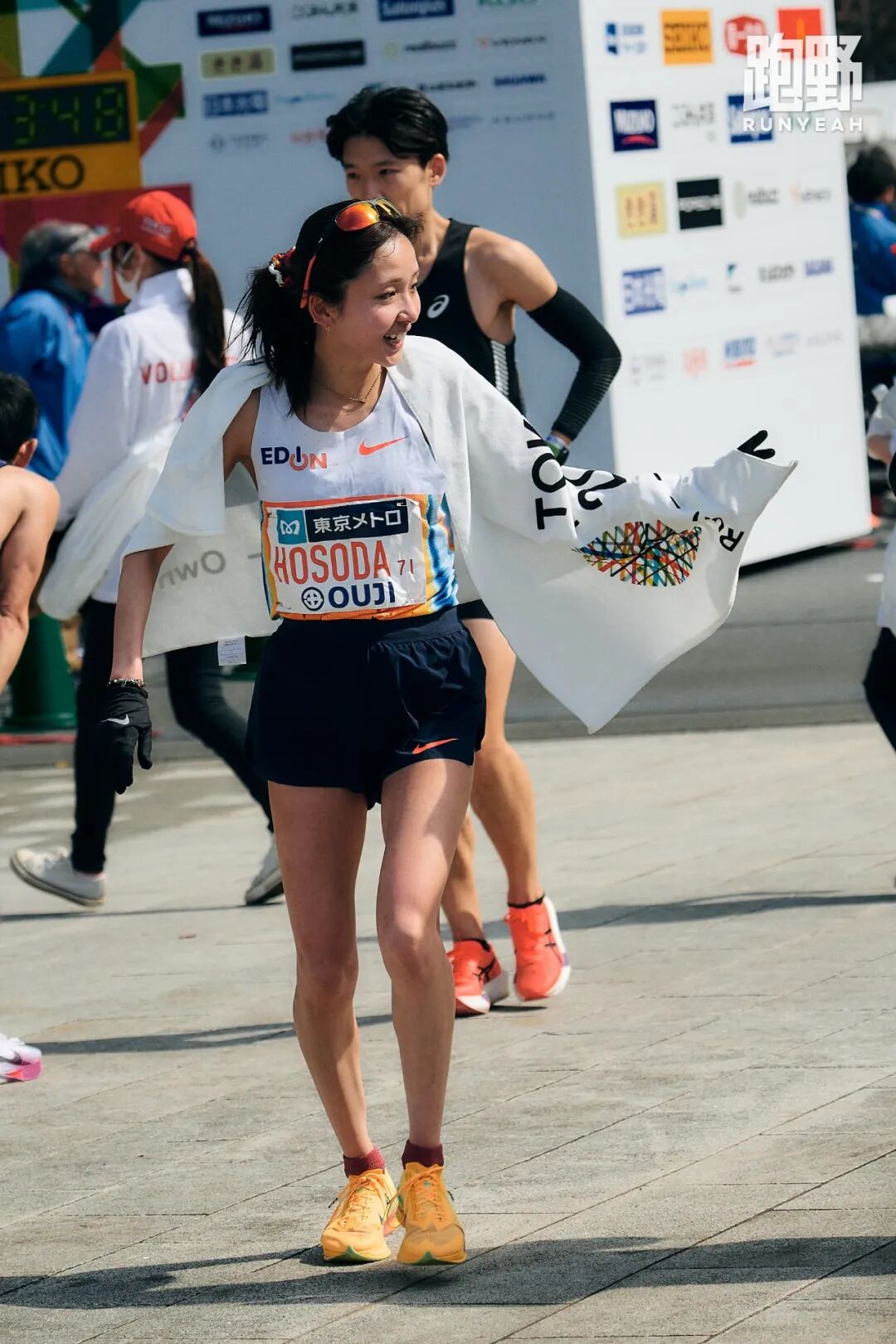
Compared with the current Chinese women's struggle around 2:25, Japan's current women's field is much deeper under 2:25. But with accomplished runners like Mizuki Matsuda, Mao Ichiyama, and Ai Hosoda retiring early, Japan's marathon strength has also taken a substantial hit.
However, Japanese marathon running isn't without problems. As the data above shows, while Japan appears dominant in Sub-2:10, it isn't as strong when it comes to breaking 2:05.
Conner Mantz, who rewrote the American record last year, is already 12 seconds faster than Japan's national record. And after the Boston Marathon, everything shifted again. Uganda and Tanzania have national records of 2:02:23 and 2:03:00 respectively — numbers that Japan's younger generation dream of challenging.
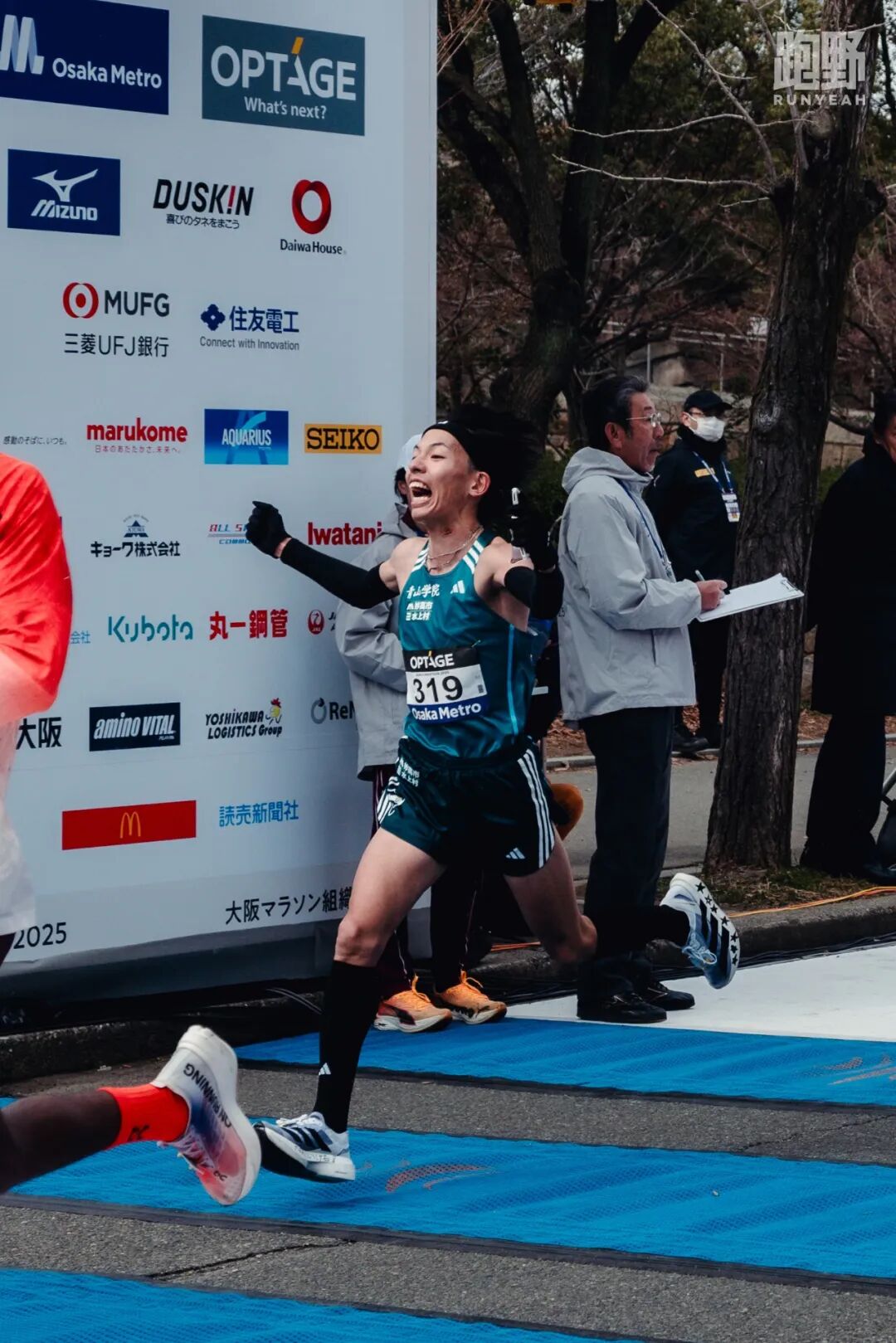
Still, Japanese runners are closing the gap quickly. Nationwide, 100 athletes have half marathon times under 61 minutes, and 60 of those were recorded in 2025–2026. With only a quarter of 2026 gone, 36 have already gone sub-61. Tomoki Ota and Kotaro Shinohara both ran 60 minutes at the same race in 2025, becoming the two fastest in Japanese history.
For Japanese marathon running, how to turn such a large participation base into more world-class athletes still seems to lack a clear best path.

Japanese marathon progress isn't limited to the full marathon and half marathon; depth at 10,000 m and 5,000 m is also increasing. Aoyama Gakuin keeps rewriting the outbound-leg, return-leg and overall course records.This year at the 102nd Hakone Ekiden, Rikkyo University — the last team to finish — recorded a time of 11:05:58; that result would have been good enough for a top-four finish at the 92nd edition, so a seeded spot is securely theirs.
In the Hakone Ekiden, which places great emphasis on 10,000m times, in 2020 a team whose ten runners averaged 28 minutes for the 10,000m was already considered a top school, but bythe 102nd edition, 19 teams averaged 28 minutes — almost everyone averaged 28 minutes.
Chuo University's ten-man average reached an astonishing 27:55.98. 27-minute 10,000m performances have gradually become the norm: Chuo had six runners in the 27-minute range, and Aoyama Gakuin had five.
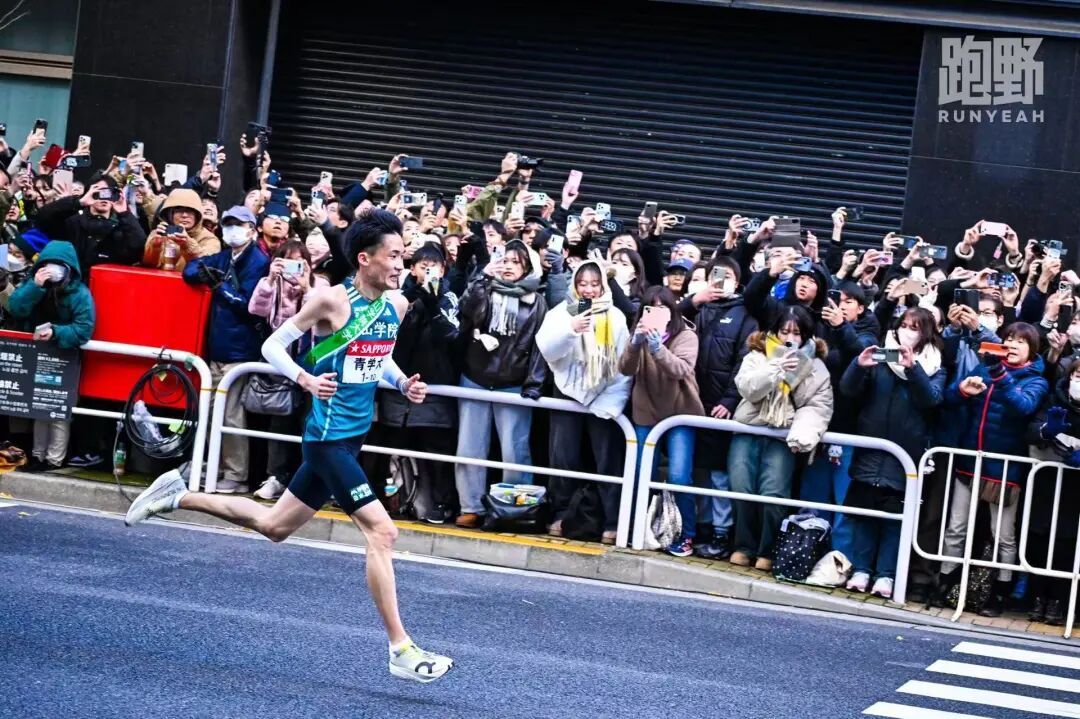
Although the domestic competitive level in Japan has been steadily rising, another harsh reality is that the rest of the world has changed just as dramatically. When Japan’s top athletes step onto stages like the Olympics or the World Championships and find themselves surrounded by European, American and East African contingents, a feeling of being outmatched remains evident — and the shorter the event, the greater the competitive pressure.
In the last two Olympics (Paris and Tokyo) and the last three World Championships (Eugene, Budapest and Tokyo), Japan’s marathon scene has still seen relatively strong performances from athletes like Suguru Osako and Akasaki Akira.
The struggle is even more pronounced at distances below 10,000 m: Ren Tazawa’s 15th place in the men’s 10,000 m final in Budapest is the best finish by a Japanese man since 2020, and Japan hasn’t had a single runner make the start line of a 5,000 m final.
Japanese women face a similar situation at the World Championships and the Olympics; even Nozomi Tanaka, hailed as Japan's record breaker, finds it tough to reach finals in events like the women's 1500m and 5000m, Ririka Hironaka's seventh place in the women's 10,000m at the Tokyo Olympics and the Budapest World Championships already stands out as an absolute career highlight.
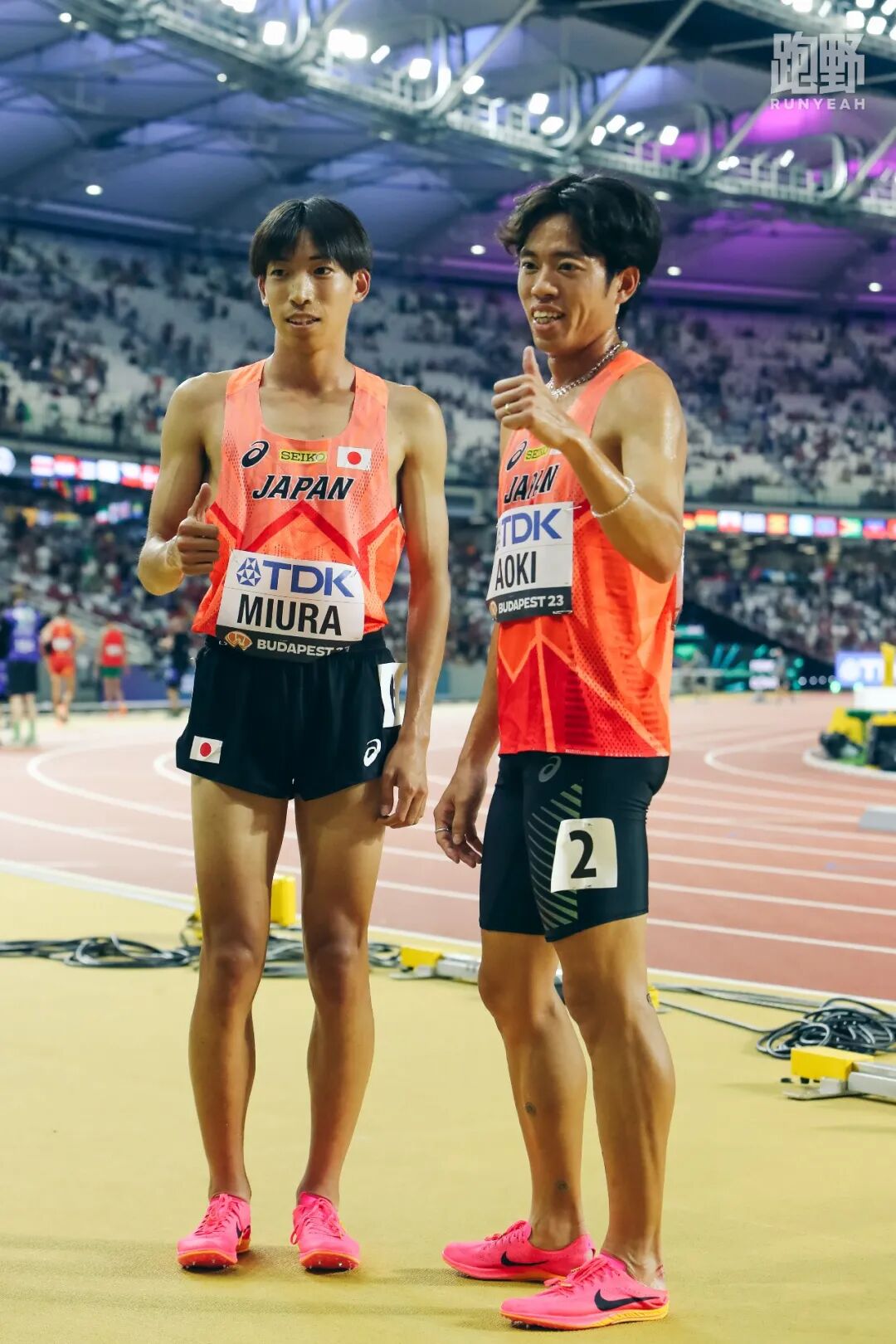
Interestingly, Ryuji Miura, once Juntendo University's ace, has been consistently underwhelming at the Hakone Ekiden, a sharp contrast to expectations; he even led his team to the following year's "Airport Showdown" at a key point in the 100th Hakone Ekiden. But it's undeniable thatMiura is a genuine world-class steeplechaser for Japan in the 3000m steeplechase, capable of reaching the finals at both the Olympics and the World Championships and finishing in the top eight, and he has said in interviews that ekiden and track racing are actually hard to reconcile.
Returning to the starting point of Japan's marathon culture, the Hakone Ekiden is both a cradle and where the problems lie. When Japan's middle- and long-distance running aims not only to produce excellent athletes but to challenge the world elite, is its model still the optimal solution?

Suguru Osako, who has always set his sights on the world stage, has been an outlier in Japanese middle- and long-distance running. He has stated clearly that he doesn't like ekiden races, and early in his career he broke away from Japan's traditional corporate team model to go to Oregon and to Kenya.
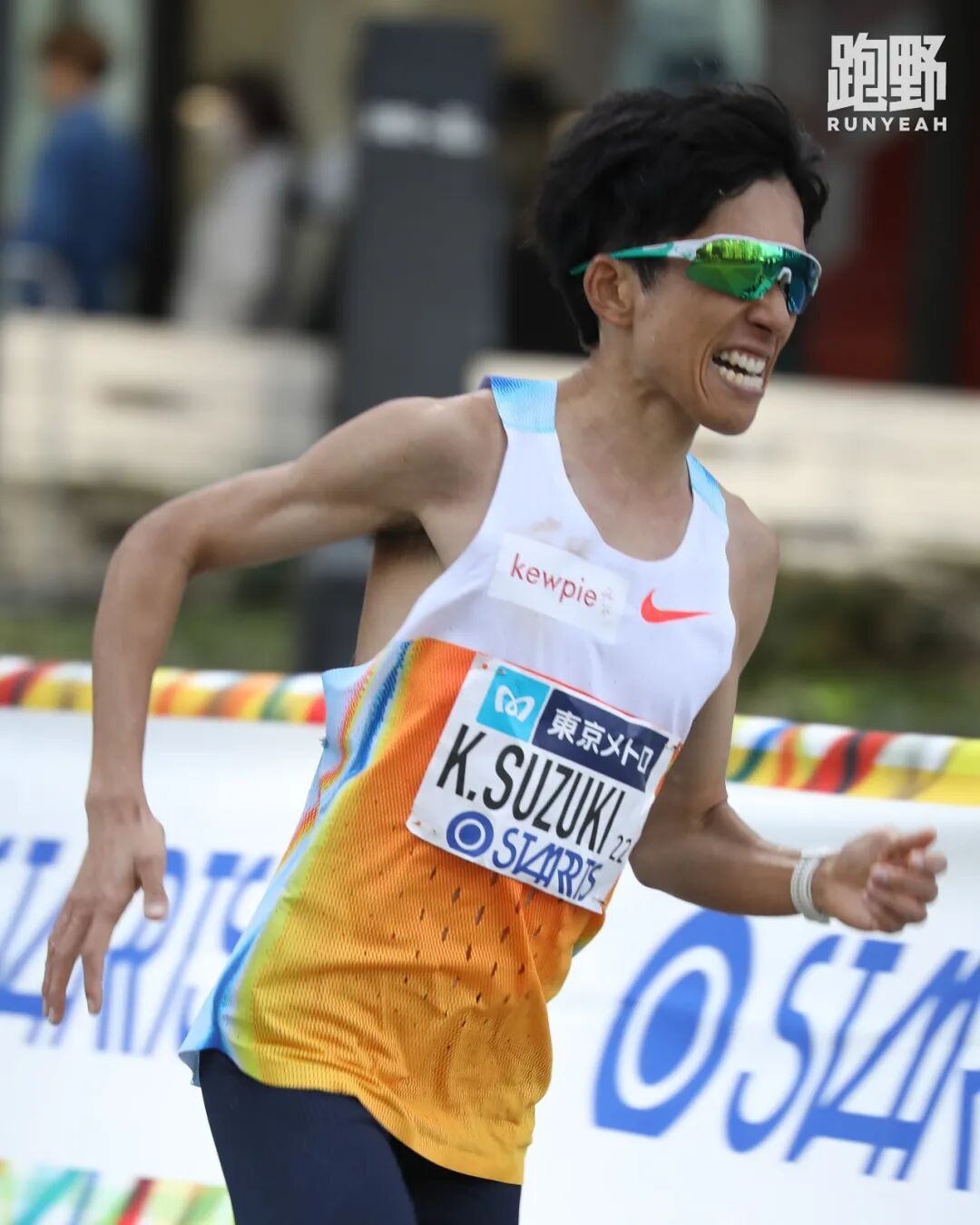
With Osako breaking the Japanese national record three times, his path has at least been proven worthwhile. Among the 233 Japanese men who have run sub 2:10, only Suguru Osako and Kengo Suzuki have cracked the 2:05 barrier. Coincidentally, former Japanese national record-holder Kengo Suzuki announced in 2025 that he was leaving the Fujitsu corporate team and would become, like Osako, an "independent athlete."
Komazawa University graduate Keita Sato has chosen a path similar to his predecessors; the 21-year-old Japanese prodigy has joined Nike's Swoosh Track Club.
Can he go further down this path? We may not be able to answer that, but from the choices made by these athletes regarded as prodigies in Japan, we can catch a glimpse of their ambition and mindset — the corporate team system seems unable to contain their potential.
When some leave, others come. Twenty-six-year-old Nozomi Tanaka chose to return to Toyota. Japan’s social structure isn’t particularly friendly to female athletes: from last year to early this year, top Japanese women in their prime such as Mao Ichiyama, Mizuki Matsuda and Ai Hosoda have opted to step back into family life and marriage. This is closely linked, to some extent, with the career burnout brought on by the corporate team system and the pressure and fatigue produced by the MGC’s punishing grind.
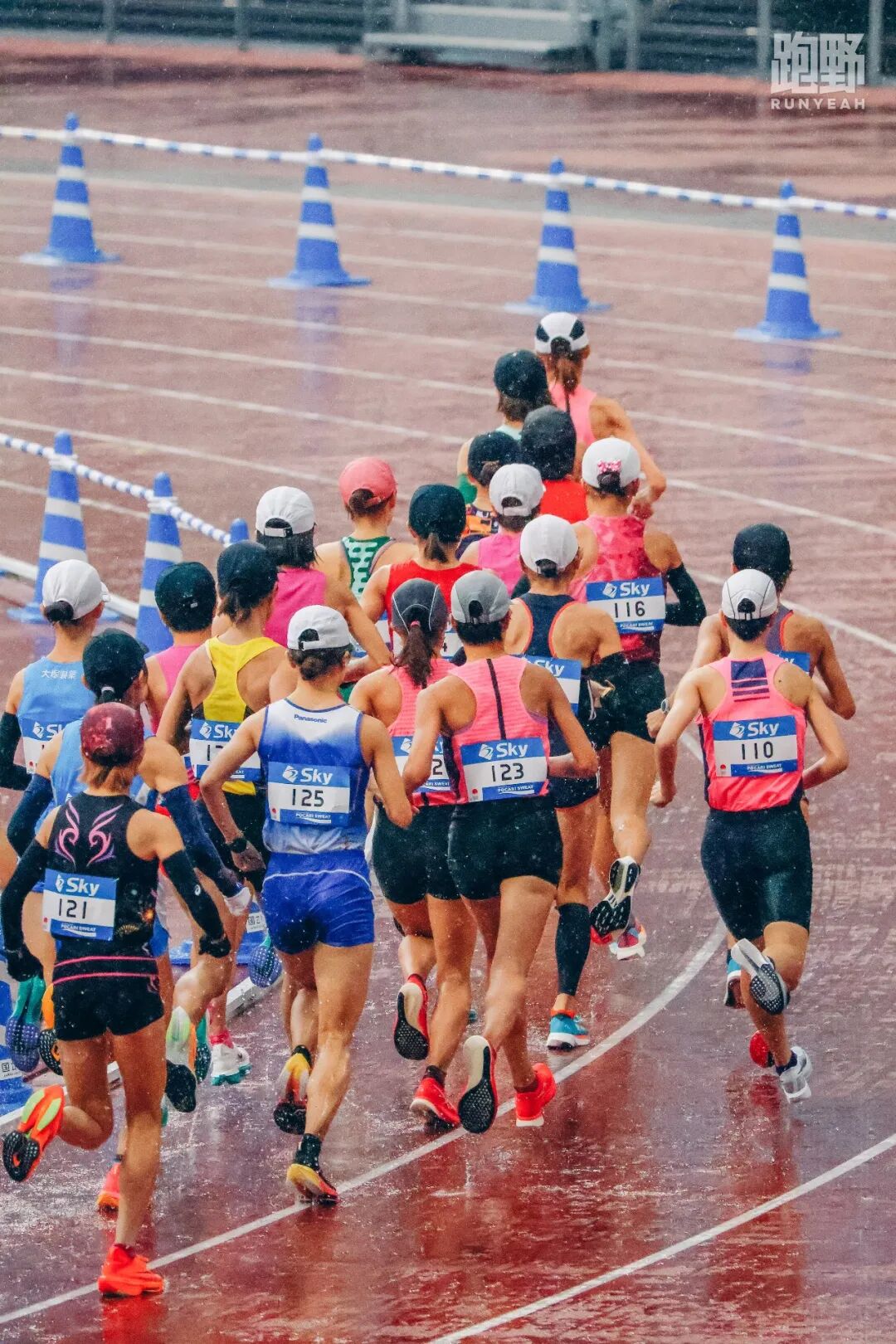
Japan's middle- and long-distance running is strong; their strength comes from a broad grassroots base and cultural identity, which gives them a depth of athletes that ranks among the world's best.
However, the world is constantly moving — as Japan's distance running improves, the rest of the world may advance even faster. To keep up with the global pace, a single Suguru Osako is not enough. If Suguru Osako is the Sakamoto Ryoma of Japanese distance running in this era, will his "Shipboard Eight-Point Plan" really change the future of Japanese distance running?