The Boston Marathon, the oldest marathon. As its 130-year history is flipped page by page like a book, the layers of history and those iconic moments seem to cross time and reappear before our eyes.
The Boston Marathon course has produced countless champions and shaped countless stories. Today we take a closer look at some of the race's most iconic moments.
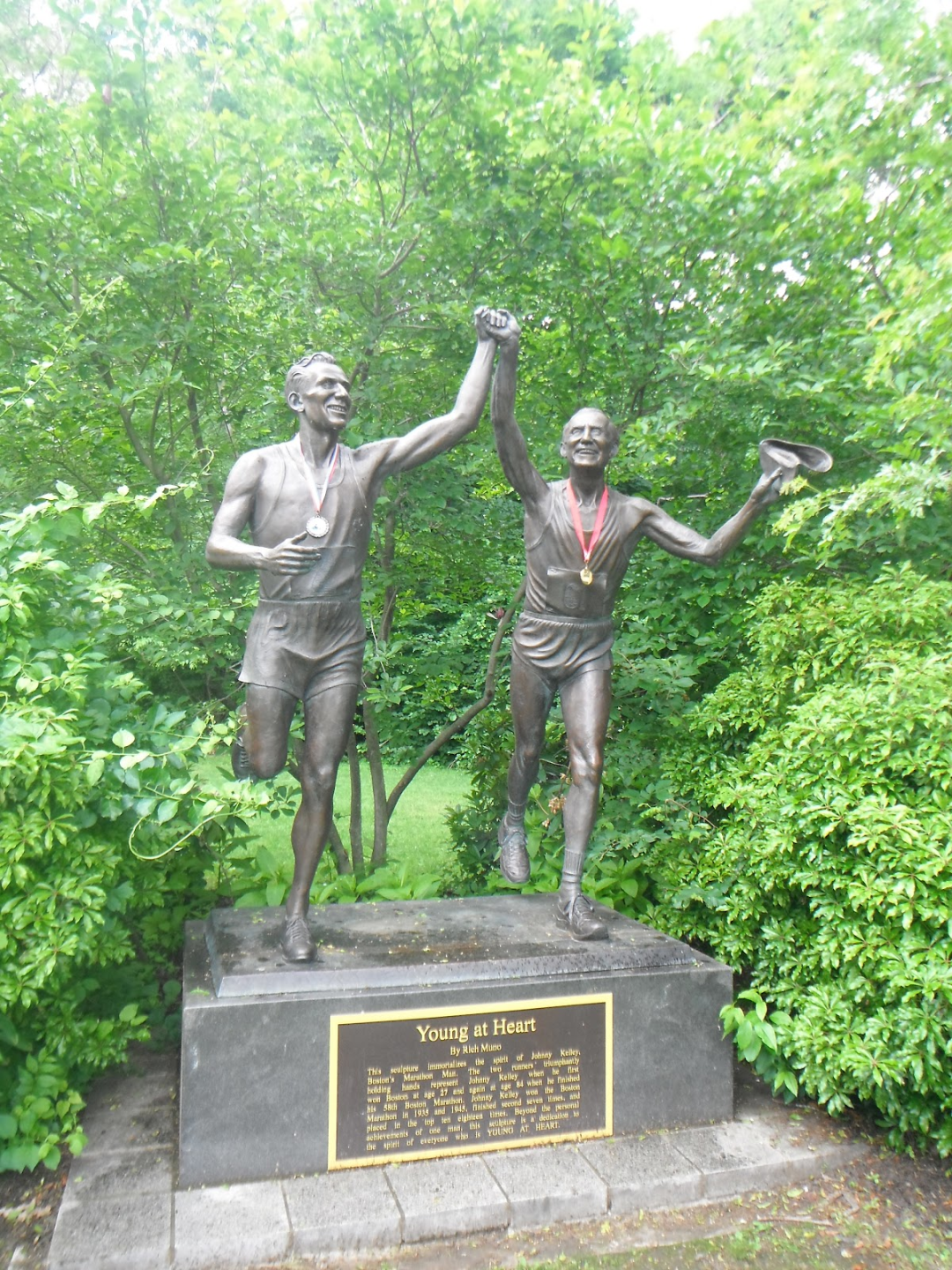
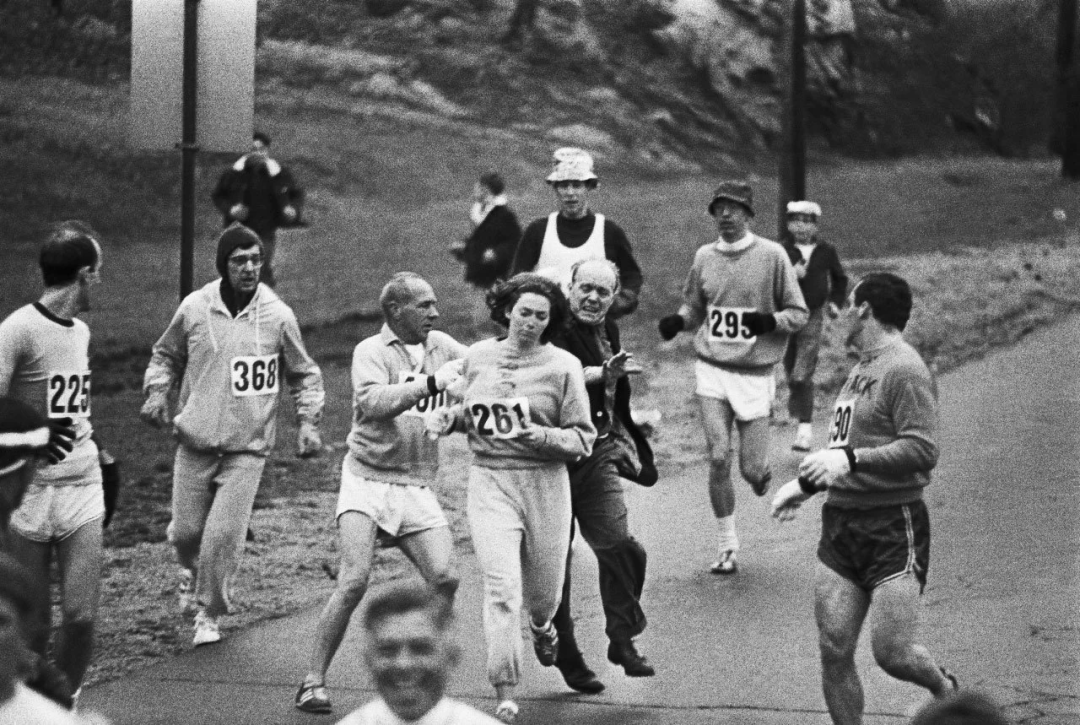
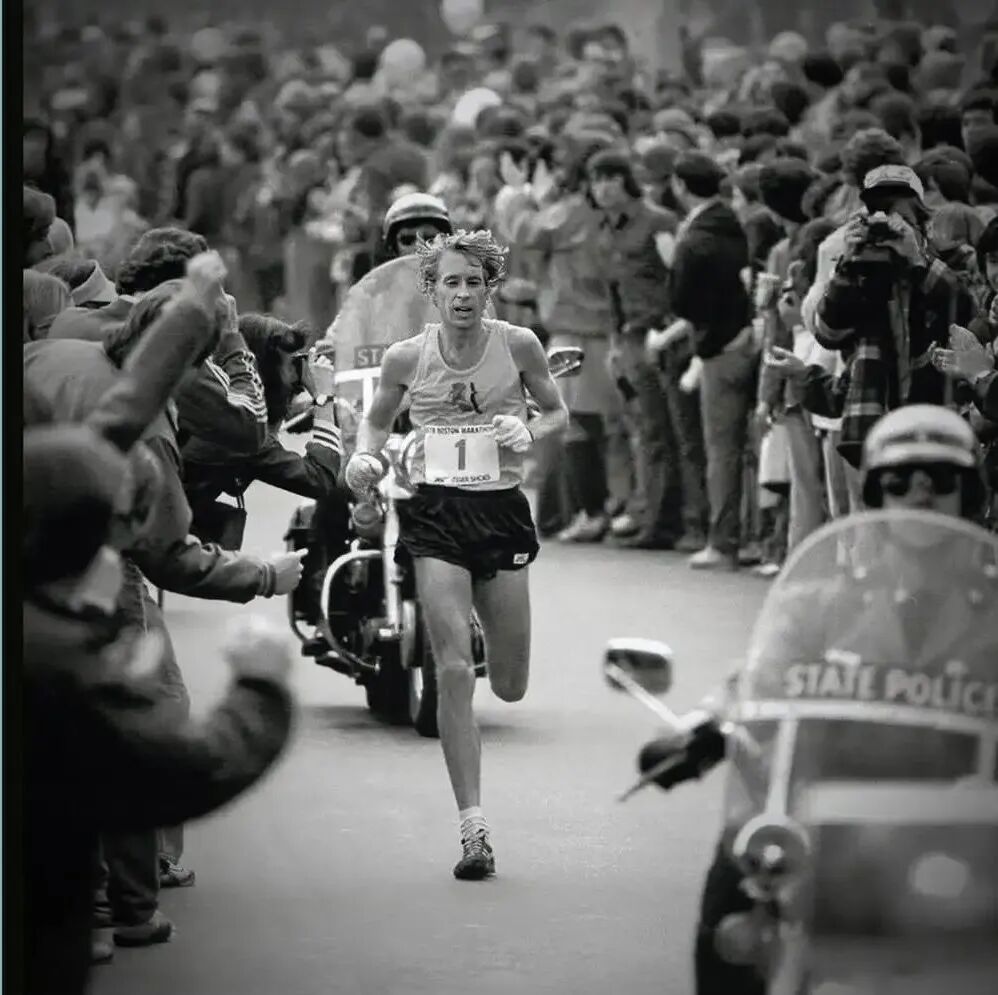
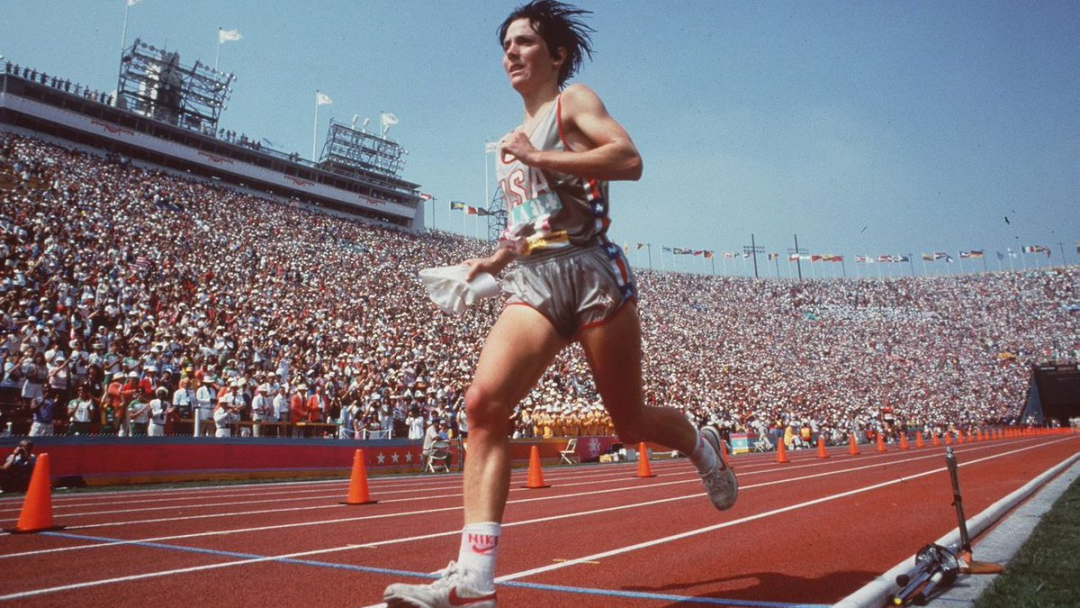
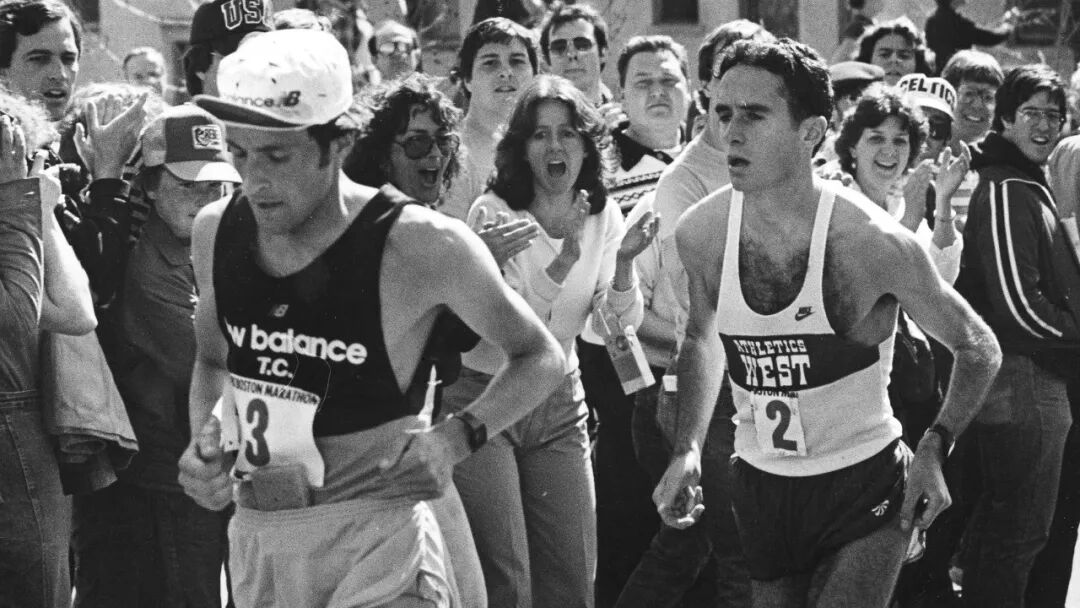
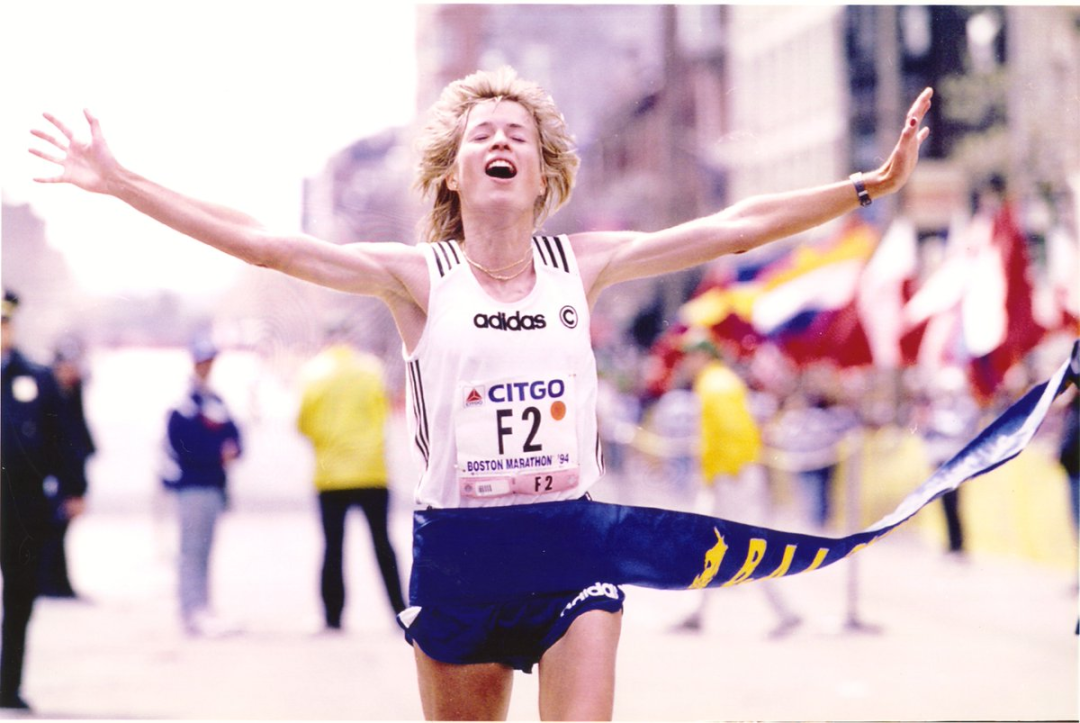
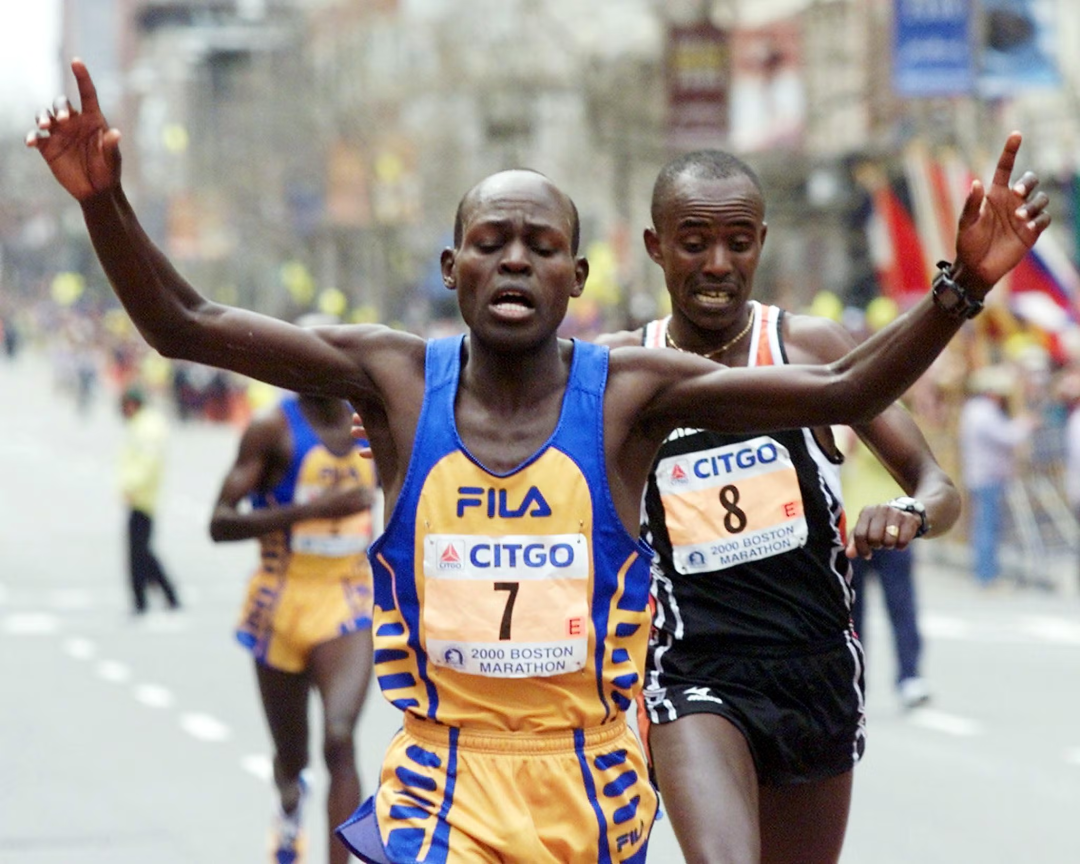
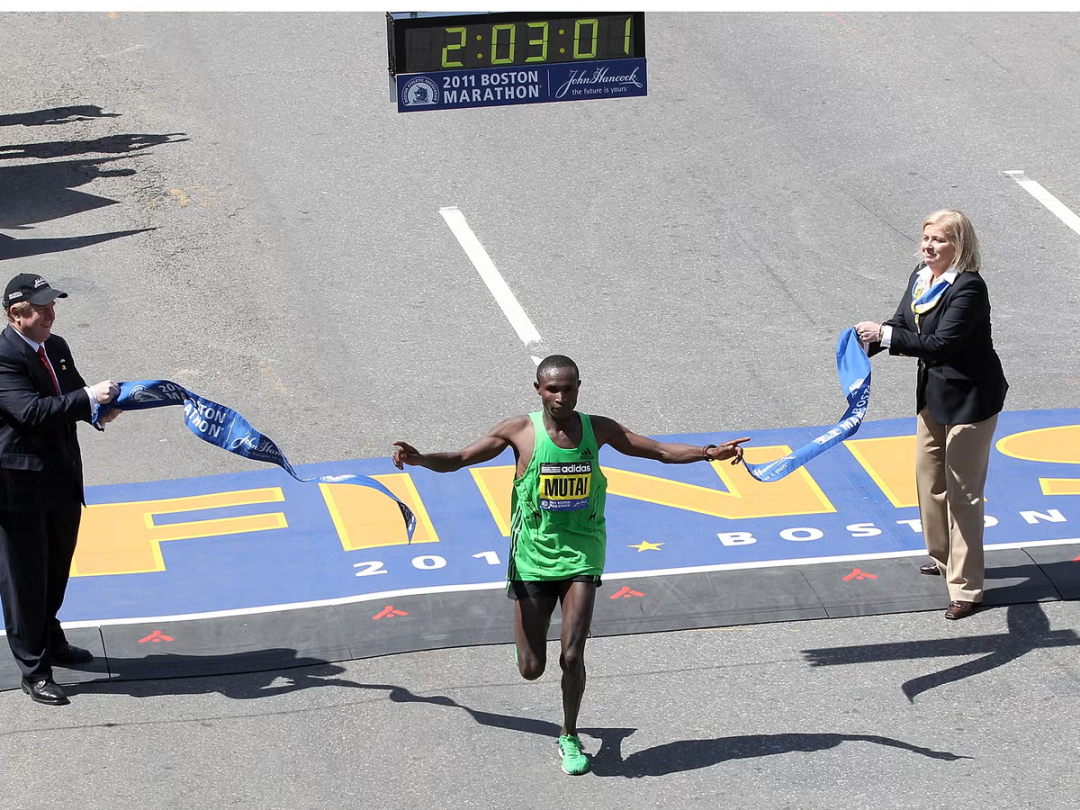
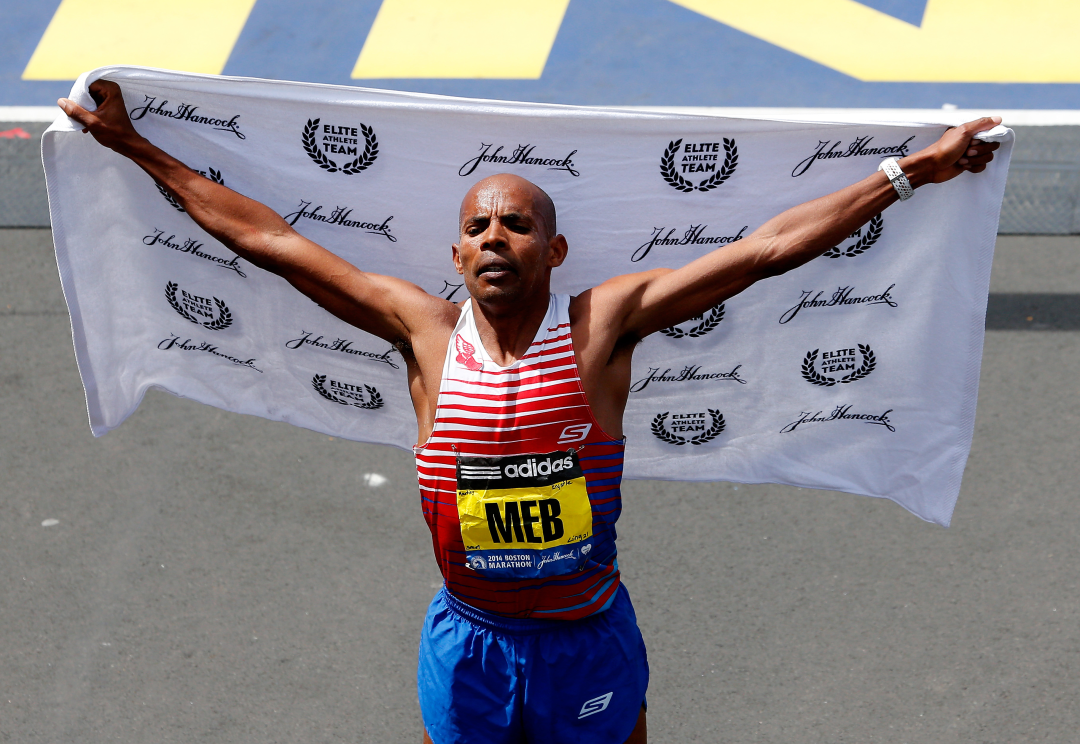
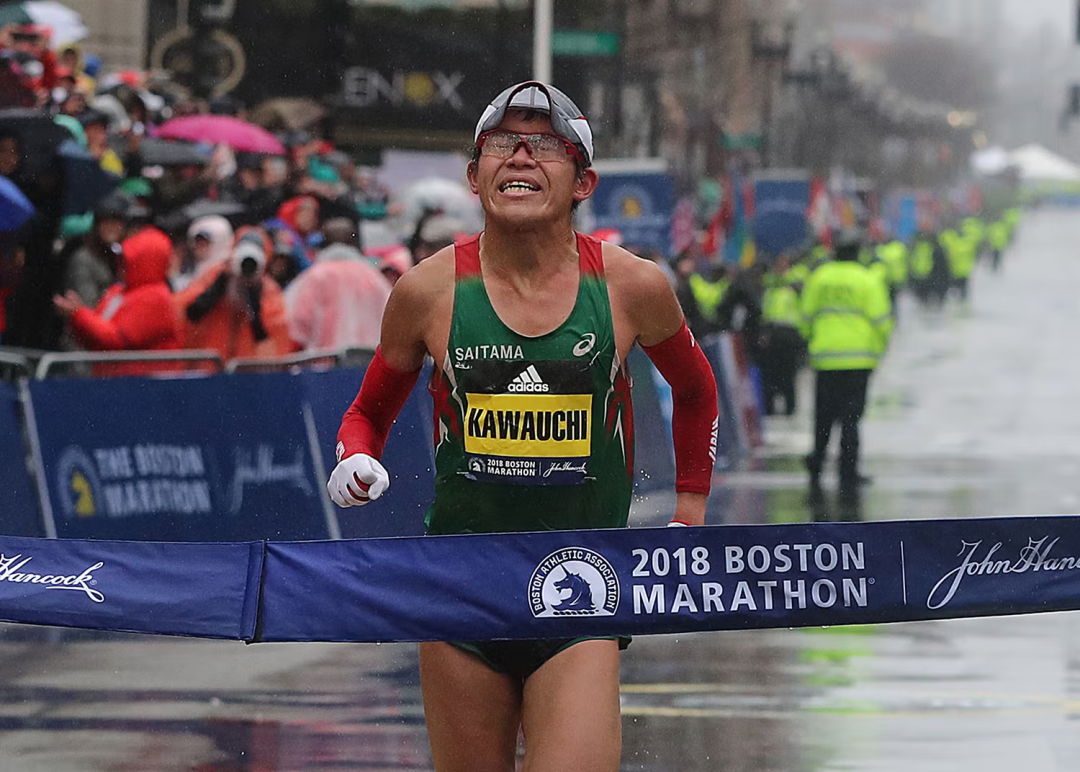
On the final slope of the Newton Hills, whether out of concern or provocation, John Kelley lightly patted the Native American runner ahead — Brown, nicknamed "Tarzan" — on the shoulder. That sparked the latter's fighting spirit, and he ultimately turned the tables and beat Kelley. The gesture left Kelley "heartbroken", but it made him famous forever."Heartbreak Hill" — three short words that may be one of the most successful pieces of copy in sports history. It gave an ordinary hill a life, and from then on it drew runners from around the world like a magnet.As an emblem of the Boston Marathon (two-time champion, 61 starts, 58 finishes), Johnny Kelley was honored with a statue near Heartbreak Hill in his eighties. Perhaps behind it there should be another statue — of "Mount Tai" — its finger extended toward Kelley, about to touch but not quite.The timing of the "Kathrine Switzer" incident perfectly coincided with the second wave of feminism in the United States in the 1960s. But few people have wondered how Kathrine managed to get a Boston Marathon bib at a time when women were explicitly banned from competing.The man involved, Jock Semple, oversaw registration, rules enforcement, course patrols and timing for the Boston Marathon. He was fiery by nature, clear in his likes and dislikes, and utterly opposed to cheating. He had "thrown" countless rule-breakers off the course, and Kathrine was just one of them. On race day, in his eyes she was not a "woman" but a "cheater".Even so, he could have shown more chivalry. It’s hard to say the rough behavior wasn’t tinged with chauvinism. And Kathrine insisted that registering under the abbreviated name "K. Switzer" carried no ill intent, which smacked somewhat of feigned innocence. Ironically, the public ultimately believed the more sensationalized media version: a professional-wrestling-style fiasco sparked by blatant discrimination.No one cared how Kathrine finished the race amid humiliation. "Everyone was silent," she said, "you could only hear coin-sized snowflakes falling on the leaves and the sound of runners' feet striking the road." Nor did anyone care how a dutiful doorman (also regarded by Boston runners as the best physio) had spent half his life taking the blame for rules that discriminated against women.Jock and Katherine ultimately reconciled, which is no surprise—they are kindred spirits who stand up for their principles. In any case, women have finally passed through this "Rashomon" and entered the marathon world.The premise is: in a society that responds to reason, persistent voices will surely be heard.Despite winning the Boston Marathon four times, Bill Rodgers never produced what you might call a heart-stopping race. That was precisely his style. In the 1975 race, he stopped twice to tie his shoes and stopped four times on the Newton hills to drink water.He likes to run at his own rhythm, follow his whims, making the world's most solemn marathon feel like a game — yet he still broke the American record. He glorified the Boston Marathon, and seemed to mock the Boston Marathon. This kind of playful, postmodern approach has only been truly inherited by Sifan Hassan.He liked to do laps alone at Jamaica Pond, but never refused a run with others (which often delighted those invited); he smoked and hit the bars when young, but decisively quit after committing to training; he occasionally raced wearing a slightly comical knit cap. Countless people began running out of love for and admiration of "Boston Billy".From his time onward, running in America moved from being eccentric to fashionable. He ushered in a nascent golden age of running caught between amateur athletic clubs and commercial giants. He flowed like a spring through the woods—measured and relaxed—fulfilling his talent without ruining his life. He may not have been the greatest runner, but he was the person every runner most wanted to be.On Monday, April 18, 1983, Patriot's Day in the United States,Joan Benoit with 2:22:43 captured the Boston women's title, thisastonishing result meant that the world record set in London on April 17 by Norwegian Grete Waitz lasted only one day.This was the last world record in Boston Marathon history. You can imagine with what competitive spirit Joan Benoit ran to finish the race, while the victory party on the other side of the Atlantic perhaps hadn't even gotten underway.Joan Benoit's first Boston title came in 1979, with a time of 2:35:15 — before that no one in Boston had broken 2:40. Joan single-handedly ushered in the 2:35 and 2:25 eras at Boston. From the late 1970s to the early 1980s, Joan's marathon talent stood out like a volcanic island jutting out of the sea.In 1984, she actually won the U.S. Olympic trials just two weeks after a knee arthroscopy! Then in Los Angeles she beat Grete Waitz head-to-head to take Olympic gold. Now, more than four decades later, even with advances in running shoe technology and the talent of East African athletes, the women's course record at the Boston Marathon has only moved forward by about five minutes (and in the vast majority of years the winner still doesn't match Joan Benoit's time).Dick Beardsley and Alberto Salazar were not on the same level. The latter was handsome and charismatic; at 22 he ran 2:09:41 in his New York Marathon debut, just 40 seconds off the world record at the time. Dick was just a Minnesota farmer, plain-looking, and his marathon debut was only around 2 hours 47 minutes.Salazar in 1982 didn't regard anyone as a threat. Nine days before the Boston Marathon he even went all out against Kenyan Rono in a 10,000m race and injured his left hamstring. Dick, by contrast, conserved his energy and was fully prepared to ambush the golden boy.The sun blazed that day, with temperatures reaching as high as 27°C. The two shook off all their rivals, and in the final 15 kilometers they ran like each other's shadows — in fact they were constantly using those shadows to gauge one another's moves.Boston came to a standstill. The city's mood rose with the temperature, building to a boil over the two men's more-than-two-hour close contest. It was an era when spectators could get right up next to the athletes (much like today's UTMB); the pair seemed to be running in separate red seas, flanked by waves of people and heat. Dick even got 'smacked' twice by the crowd (two drunks).Salazar, who ultimately won by a two-second margin, didn’t even break a sweat. Like the proud Achilles who felled Hector without realizing his own ankle had been mortally wounded—the heat had permanently flipped some “switch” in his brain. From then on he went from a supercar to a one-gear bumper car. Equally exhausted, Dick suffered a major Achilles injury not long after and retired.Salazar had previously pushed himself to the point of collapsing into a post-race coma; at the time some even administered last rites. Dick, meanwhile, sank into long-term drug addiction after retiring. The former was morose, the latter upbeat—their personalities were like ice and fire, yet on the question of susceptibility to obsession they were two sides of the same coin. After an obliteration that shouldn’t have happened yet felt fated, their brilliant light faded to dimness.Some say that if one side had sensibly backed off that day, perhaps they would both have enjoyed more successful careers. But this is the Boston Marathon — retreat was simply not an option. As Melville's portrayal of Captain Ahab in Moby-Dick goes: “My body is but the residue of my higher existence. Whoever wishes to take my body, let them take it. Be it a wrecked little boat or a battered body, to crush my soul — not even Jupiter is able.”Nowadays, marathon gossip is old hat. The old lines about Paula Radcliffe “taking it easy” while she ran are long past their sell-by date. These days, only when a female runner has blood on her legs do you know she means business.At just 9 km into the 1996 race, blood was streaming down the legs of East German Uta Pippig, accompanied by severe abdominal pain. People assumed she was having menstrual cramps, but in fact it was a condition called “ischemic colitis” — the blood was coming from her intestines.There have been numerous accounts in Boston Marathon history of runners finishing the race while enduring the pain of a fracture. This is not a sports arena; it's a battlefield. "If that kind of situation happened again today, even if I were leading, I would stop," Uta Pippig later said.At the 35 km mark, she was still less than 200 metres behind Tegla Loroupe (one of the first generation of Kenyan women marathoners, later a two-time world record holder). But the incredible happened: Loroupe seemed to hit the wall and, without warning, began to slow by about twenty seconds per kilometre.A reversal requires both athletes to have problems; the key is the order. As Uta Pippig gradually overcame her illness, misfortune seemed to shift onto Loroupe. In the end, Uta Pippig became the first woman in Boston Marathon history to win three consecutive titles. A year later, another race decided by a stomach illness — and which likewise determined a three-peat — went down in history in Salt Lake City as the “Flu Game”.When a "German" "female" "marathoner" has lived for twenty-five years under the rule of one of the most powerful totalitarian governments in human history, it's hard to imagine anything in the universe that could knock her down. It's reasonable and logical that the iron-willed woman who leads humanity out of the abyss in the film The Rescue Plan is played by an East German actress.Imagine you're an actuary at a bookmaker — what odds would you set on the following events?Someone you know loses thirty jin (about 15 kg) in a year (not that unusual, roughly 10-to-1), then finishes a marathon (about 1 in 50?) — the combined probability of both is 1 in 500 — that's not even absurd, I actually know someone like that. Then he wins that marathon — now the odds skyrocket to 5,000,000-to-1 (note: following Fangbo doesn't count as knowing them...).Final condition: the race he won was the Boston Marathon. Okay, I'd set the odds at 100,000,000-to-1, with one caveat: the bettor can't be Kenyan.In 1993, a doctor told Elijah Lagat that he had the "three highs." The 27-year-old Kenyan got off the couch and began jogging. At that age, the prodigy Alberto Salazar was already semi-retired. Four years later at the Berlin Marathon, Lagat won with a personal PB of 2:07:41 — a time Salazar never ran in his life. Seven years later, Lagat won the Boston Marathon in 2:09:47.Years ago I heard that an American reporter had seen at Eldoret's track a farmer named David Kuttania run barefoot and beat Eliud Kipchoge in interval training, then quietly disappear. When I looked into Lagat's history for this article, I confirmed that it was no mere rumor.Many of the world's major problems, to some extent, boil down to the utilization rate of talent (resources). Even a genius like Bill Rodgers had moments of self-doubt. While working with individuals with intellectual disabilities, he realized that the ability to run freely is not something to be taken for granted but a gift from God, and wasting it is a sin.However, when someone like Alberto Salazar 'abuses' talent and crosses certain boundaries, it's hard to say that's not another kind of sin punished by God (Salazar ultimately turned to religion to find inner peace). We can scarcely tell whether the moment Bernard Lagat resolved to cultivate his talent was also ordained by God.Until now, the Boston Marathon's official website still lists Lagat's narrow 2000 victory as 'the closest.' In fact, that distinction, to the naked eye, should belong to Cherono's 2019 finish. He and two-time champion Desisa weren't separated until the last three steps to the line.When Geoffrey Mutai crossed the line in a staggering 2:03:02, Bill Rogers called it unbelievable, "I once ran Boston with a tailwind and clocked 2:09:55. His time was over six minutes faster than that!"Boston is hard to run — at least much harder than Berlin. It's like calculus in the Newton–Leibniz era: not rigorously proven, yet treated as almost axiomatic. That's also why Mutai remained indignant. But without the world record ratification rules introduced in 2004, you can imagine all kinds of absurd "downhill + tailwind" courses being created (even the Boston Marathon was forced last year to limit the elevation drop on BQ courses).Mutai was like an innocent passenger who missed his flight because of tedious security procedures — the screening wasn't directed at him, but at the shadowy terrorists it was meant to guard against.That year's women's sprint was one of the most thrilling in Boston Marathon history. In the final kilometer, Desiree Linden (then unmarried and racing under her maiden name Davila) and Kenyan Caroline Kilel exchanged the lead six times, and in the end the Kenyan had the last laugh. Desiree was at the peak of her powers; her 2:22:38 would have been enough for a win in most years — however, fate repaid her in an unexpected way seven years later.Meb Keflezighi. Say it again: "Ka-FLEZ-gee." His lengthy surname sounds like an unfriendly riddle; the short first name, "Meb," is the kindly answer.At the 2014 Boston Marathon the field included defending champion Lelisa Desisa and Dennis Kimetto, who would soon break the world record in Berlin. Meb was nearly 39, entered with only the 15th-fastest qualifying time, and had just run the worst race of his career at the New York Marathon.When Meb surged away and was leading alone as early as the 9 km mark, the crowd's first reaction wasn't “he wants to win,” but “he doesn't want to win.” It's like Eliud Kipchoge leading the New York Marathon in 2025: a veteran with no real shot at victory making a near-'suicidal' move to savor one last moment of glory.But things quickly became delicate. The large elite pack behind Meb seemed collectively put under some kind of dark spell: everyone was scheming and nobody wanted to surge. On the rolling course of the Boston Marathon, Meb had already disappeared from view (I suspect some had already forgotten he existed).While giving his all and nervously clinging to the lead (the chasers were only a few seconds back) up to Boylston Street, Meb felt like he was about to vomit: "I couldn't vomit to the side, nor could I let Chebet see my condition... so I had to tilt my head back and swallow it."2:08:37, Meb ended a 30-year drought for American men at the Boston Marathon. And, just two weeks shy of his 39th birthday, he improved his personal best by 31 seconds. Apart from the legendary Clarence DeMar from a bygone era, he is the oldest champion of the Boston Marathon.I will never forget the image of Meb running alone on a Utah highway to the accompaniment of 'Eye of the Tiger.' He may be Eritrean, he may be American, but perhaps neither; as Borges said, he is a tiger that exists only in our imagination.All the hardship endured in marathon training is, to some extent, meant to buy you some retrospective capital — whether to brag to others or to comfort your own soul. But the proliferation of marathons is destroying all of that. Constantly going on about your marathon experiences will almost certainly make you the most annoying person at a party.But when it's from a finisher of the 2018 Boston Marathon, I'm willing to listen — their credibility probably lasts about thirty years.A bleak, cold rain showed how weather can stretch the definition of the marathon to the point that it almost becomes a different sport — only the Boston Marathon possesses that kind of magic, because its course, which pays tribute to the marathon's origins in Athens, and its timing in New England's unpredictable spring both carry a kind of irrational innocence.Japan's near‑obsessive "cold‑proofing" culture, combined with an amateur runner's consistently high body-fat percentage, somehow produced a butterfly effect that decided the winner. It's like an obscure song suddenly becoming a hit years later after being featured in a film — wonderfully strange.Marathon runners are, after sailors, the people who care most about the weather forecast; a two- or three-degree change on race day can make them tear their hair out. But if the past could be replayed, who would refuse to jump back into that washing machine of a race?In her autobiography Linden wrote: "After winning, life seemed to be divided into 'before' and 'after.'" Anyone who ran the 2018 Boston Marathon (including Yuki Kawauchi and Des Linden, of course) can rightly declare — to borrow the title of my favorite sportswriter, the Bostonian Bill Simmons's baseball book (about the Red Sox breaking the 84-year Curse of the Bambino):
Text: Shi Jiebo / Editor:David
Image:Internet Visual: Max