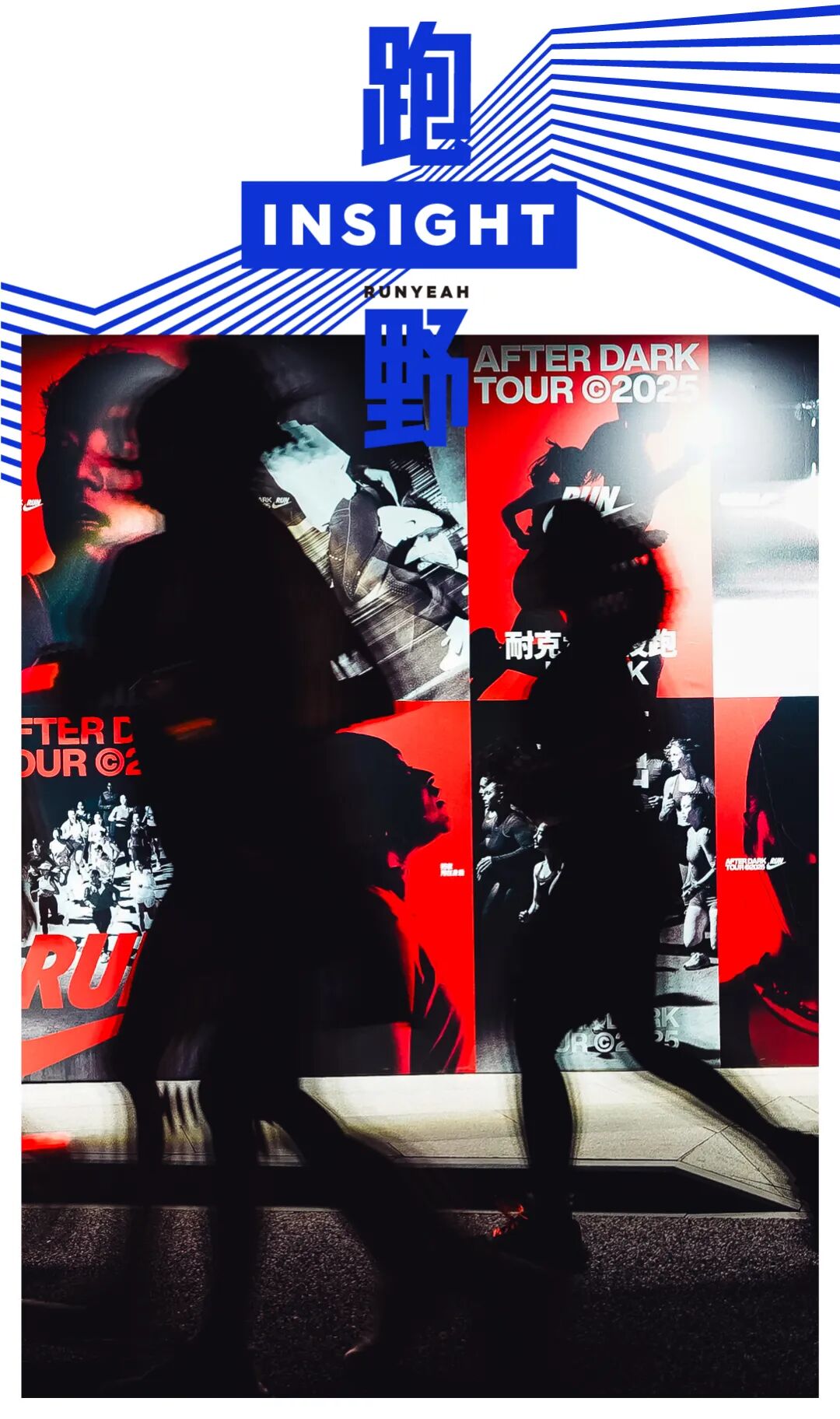
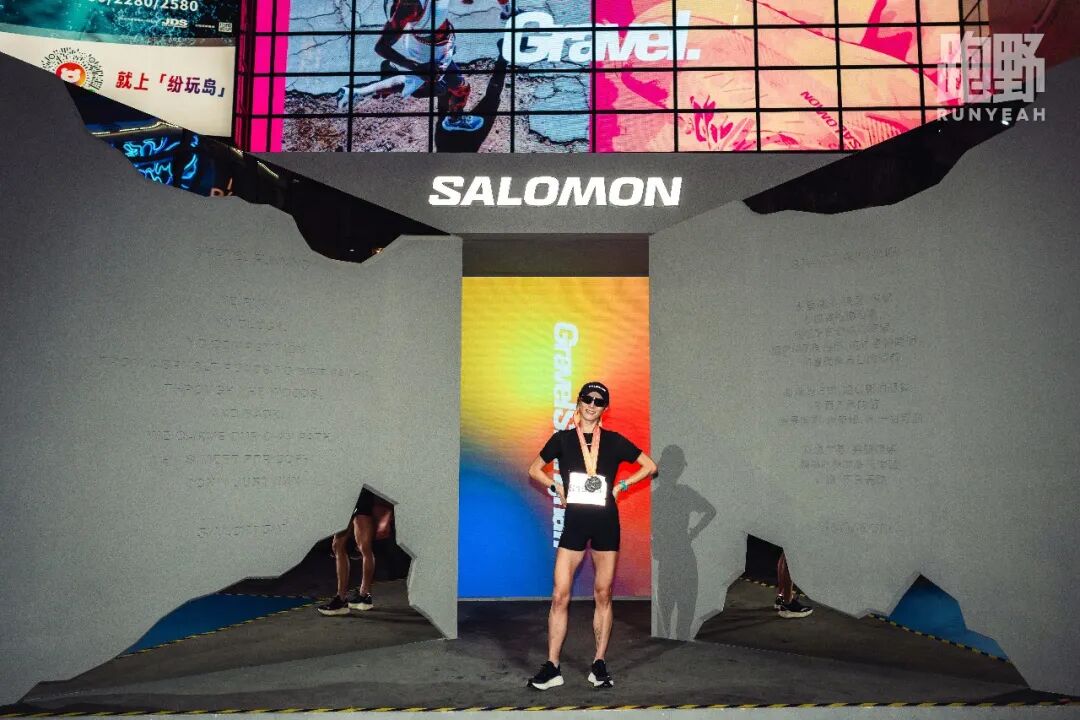
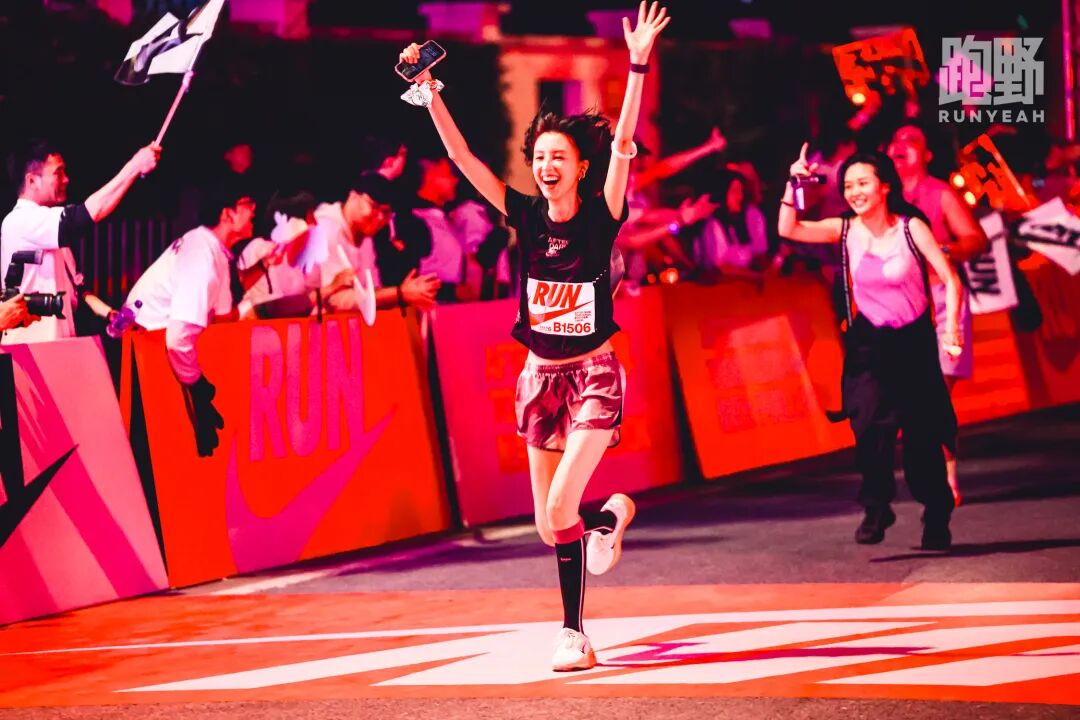
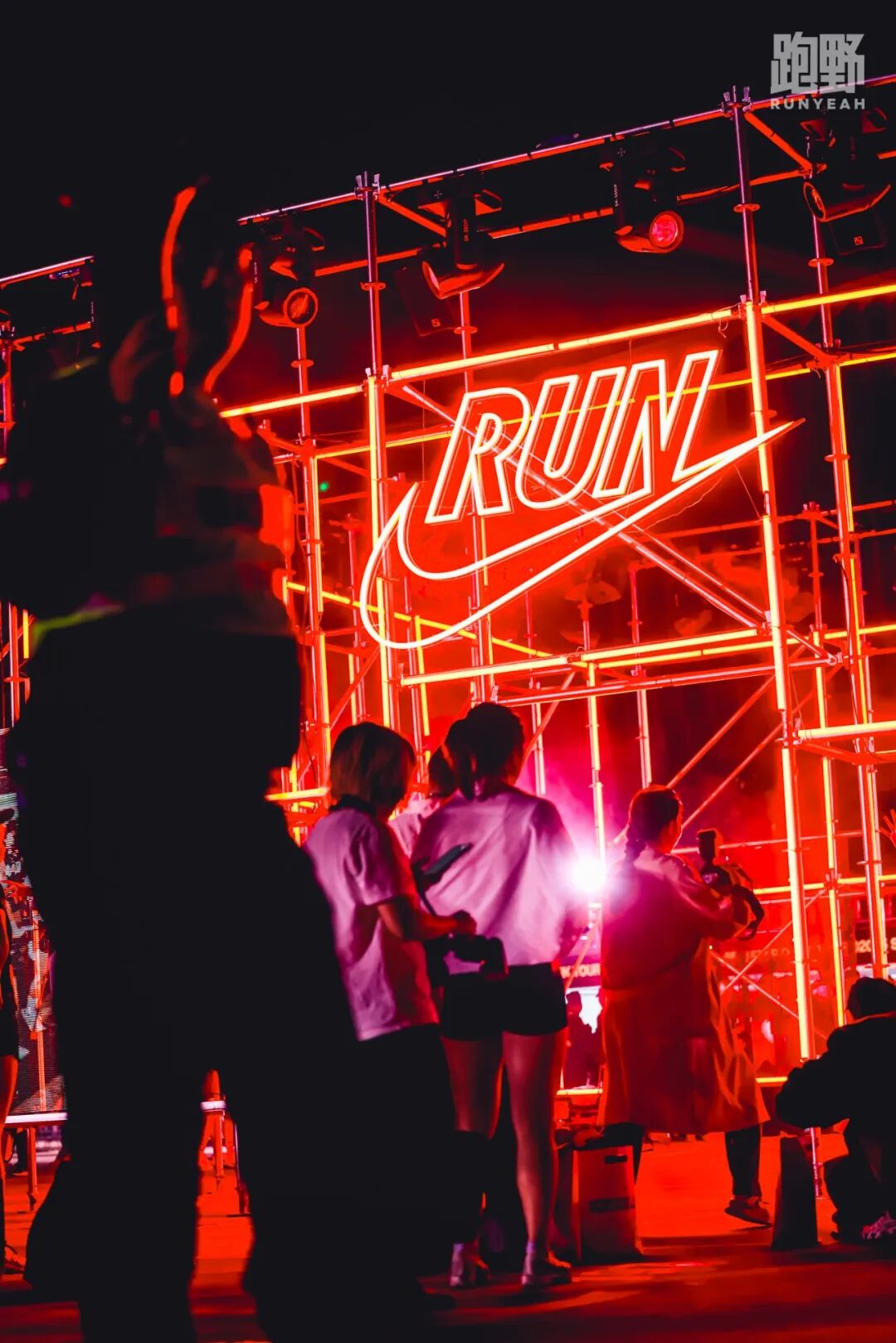
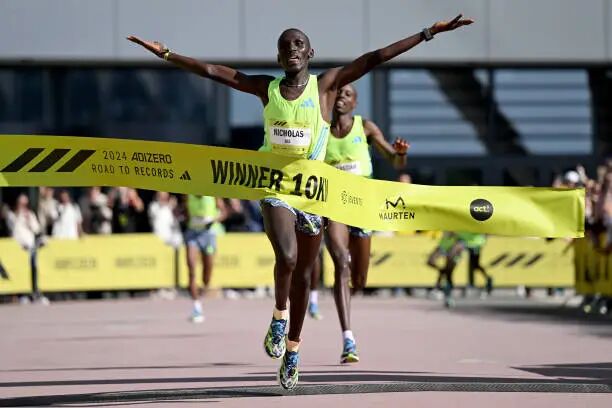
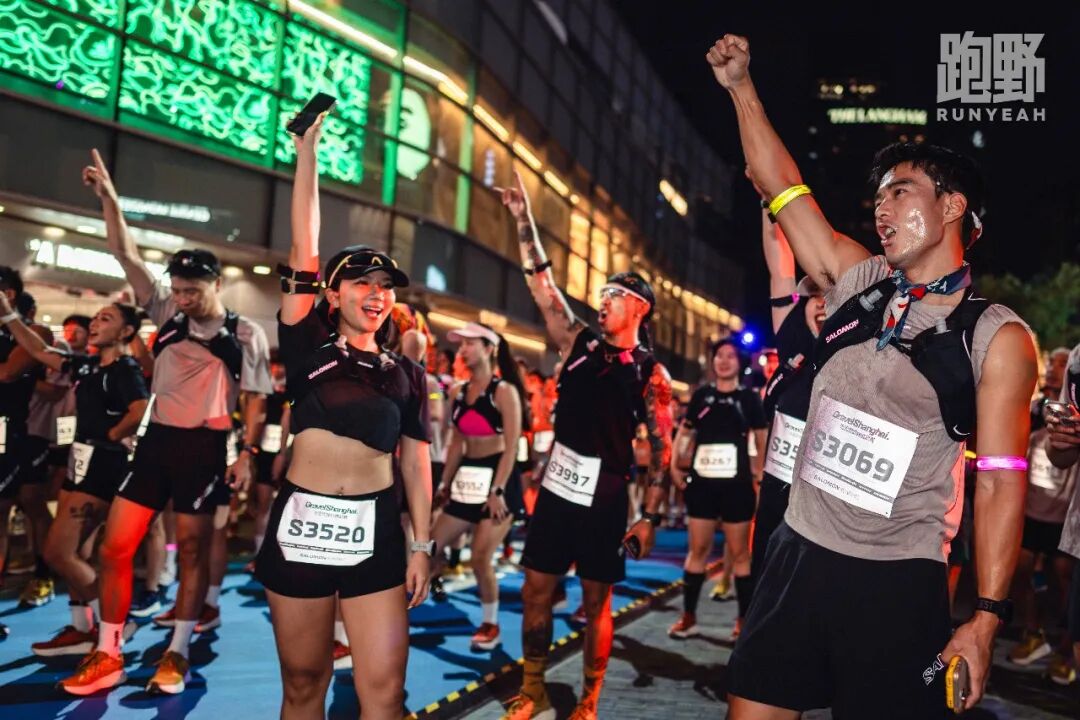
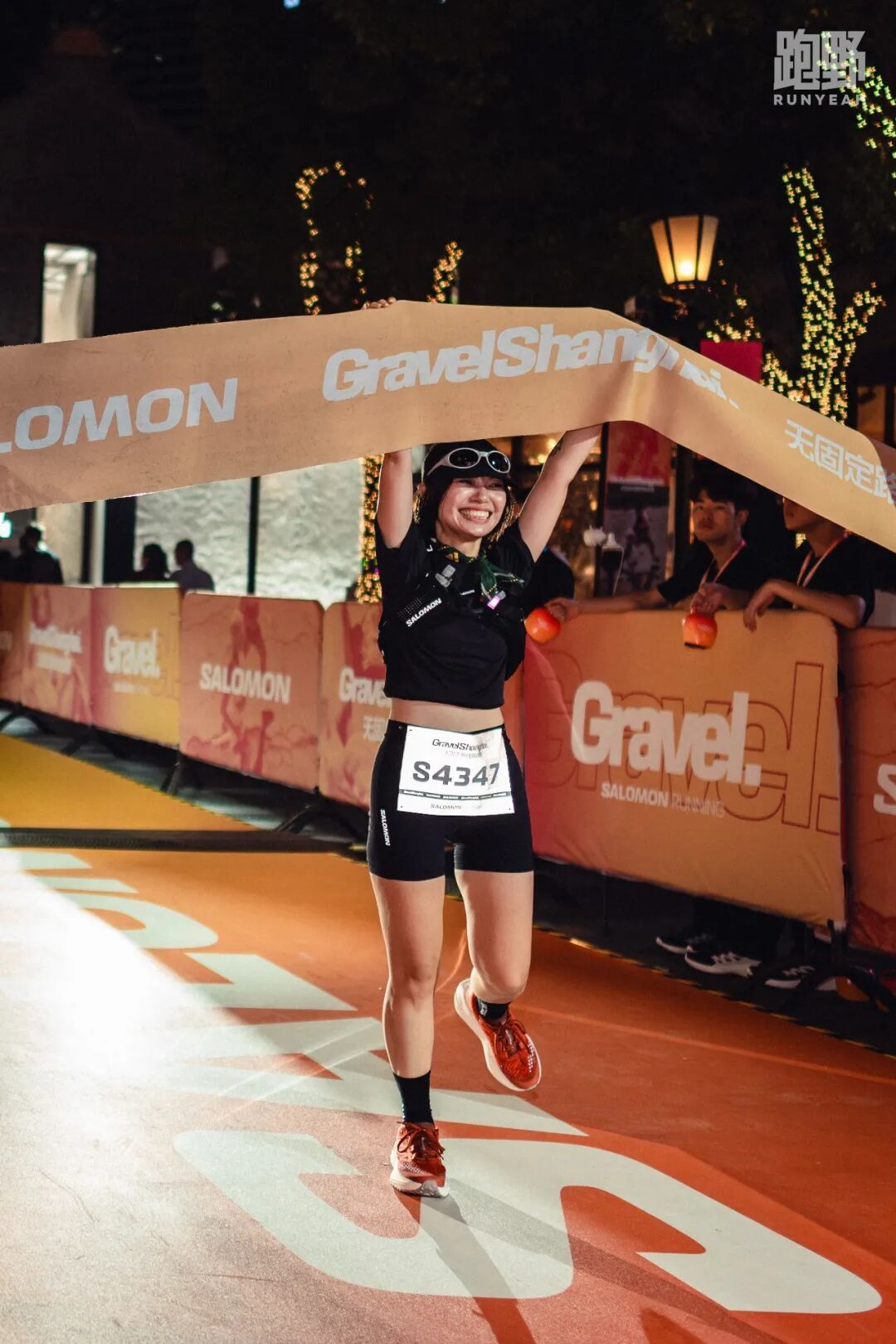
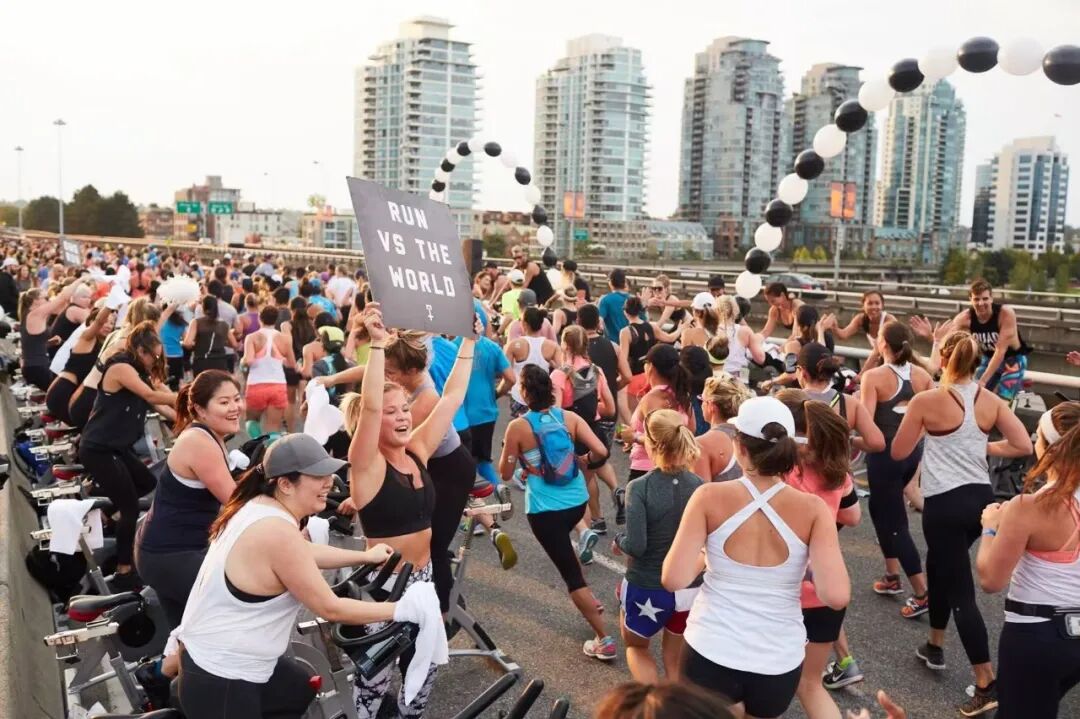
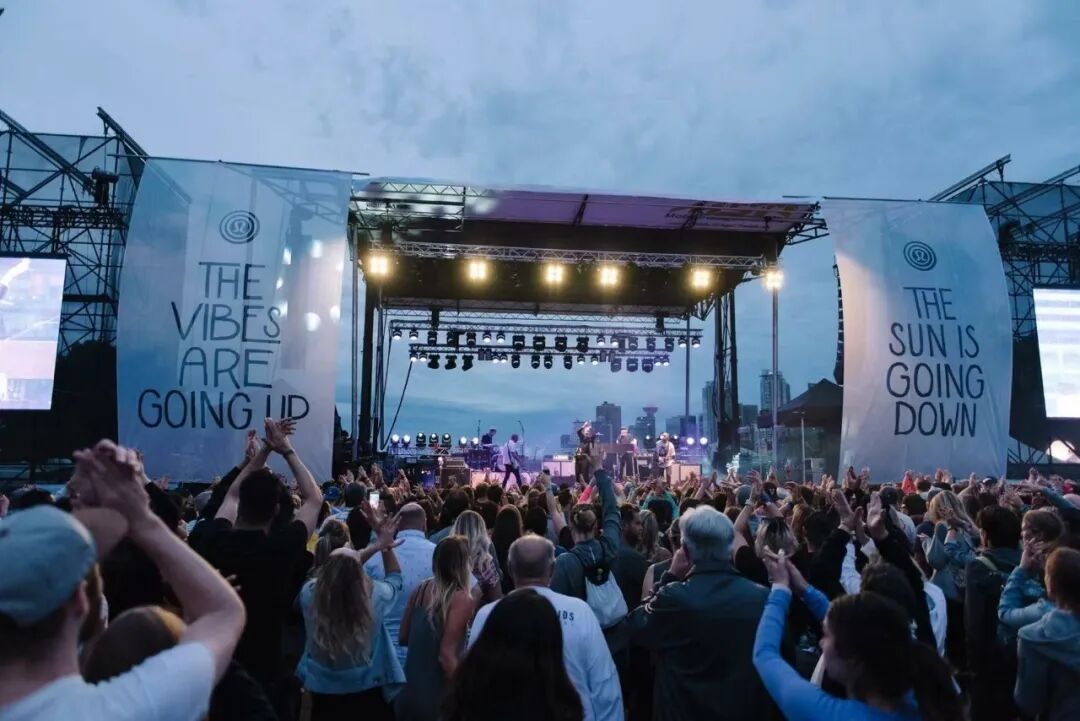
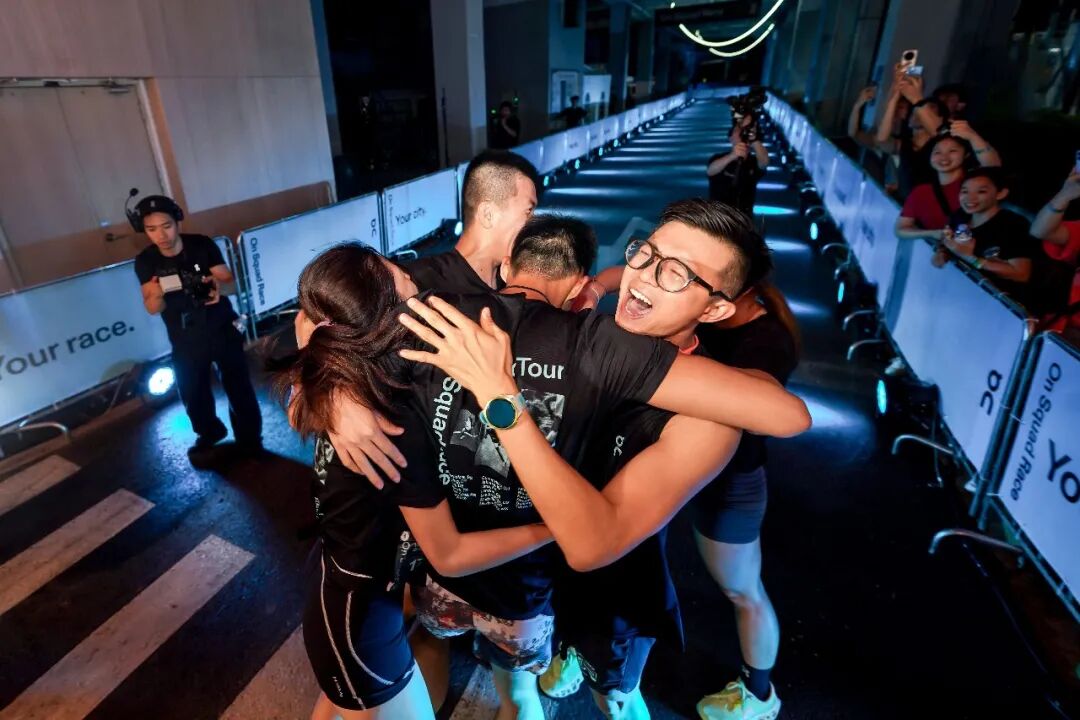
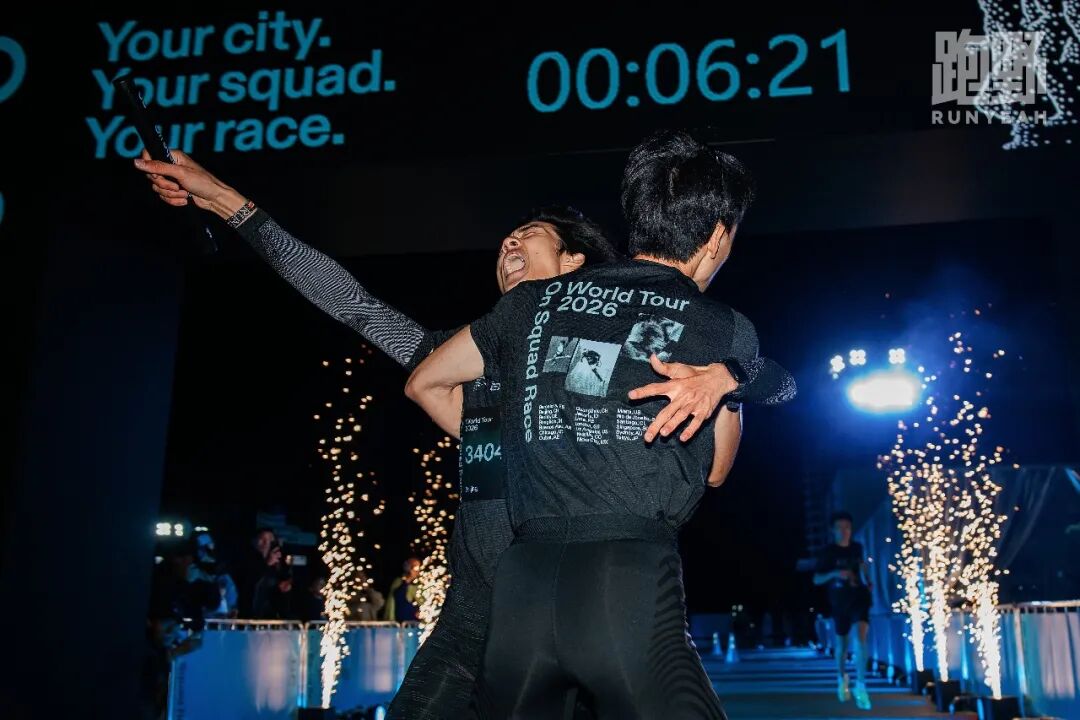
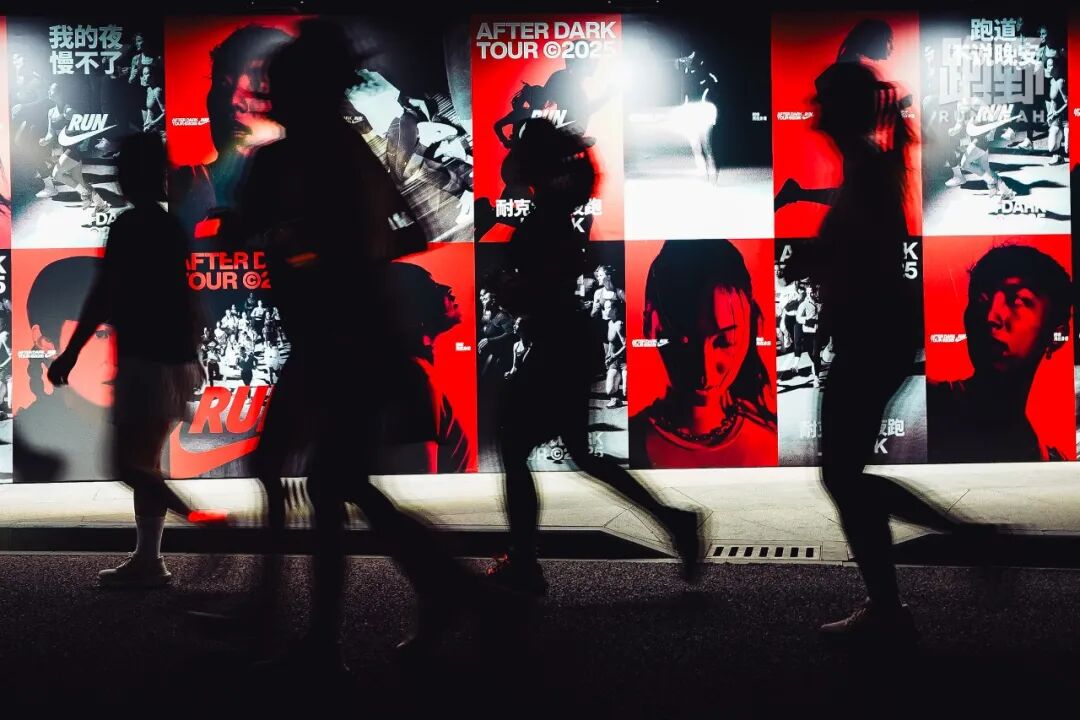
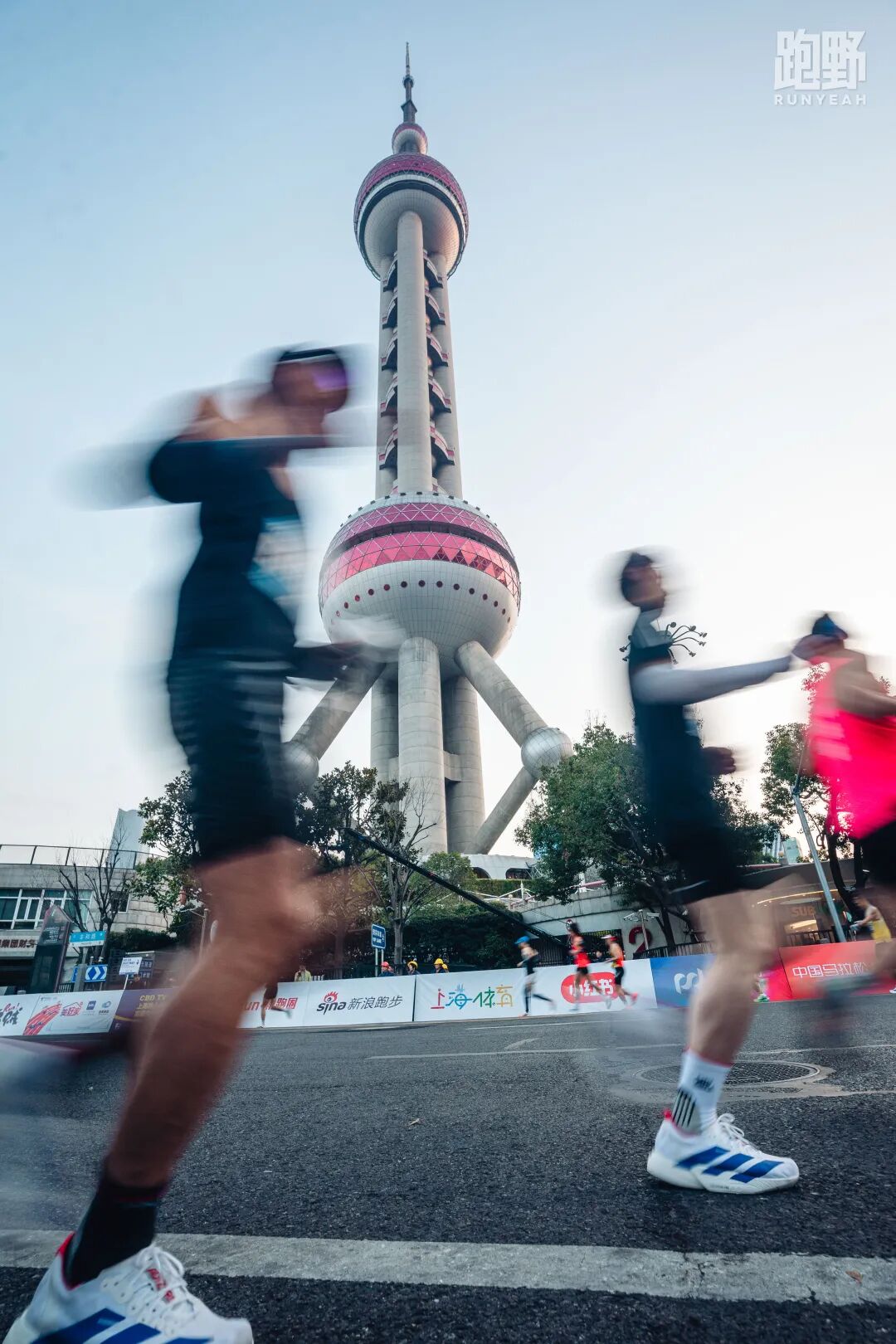
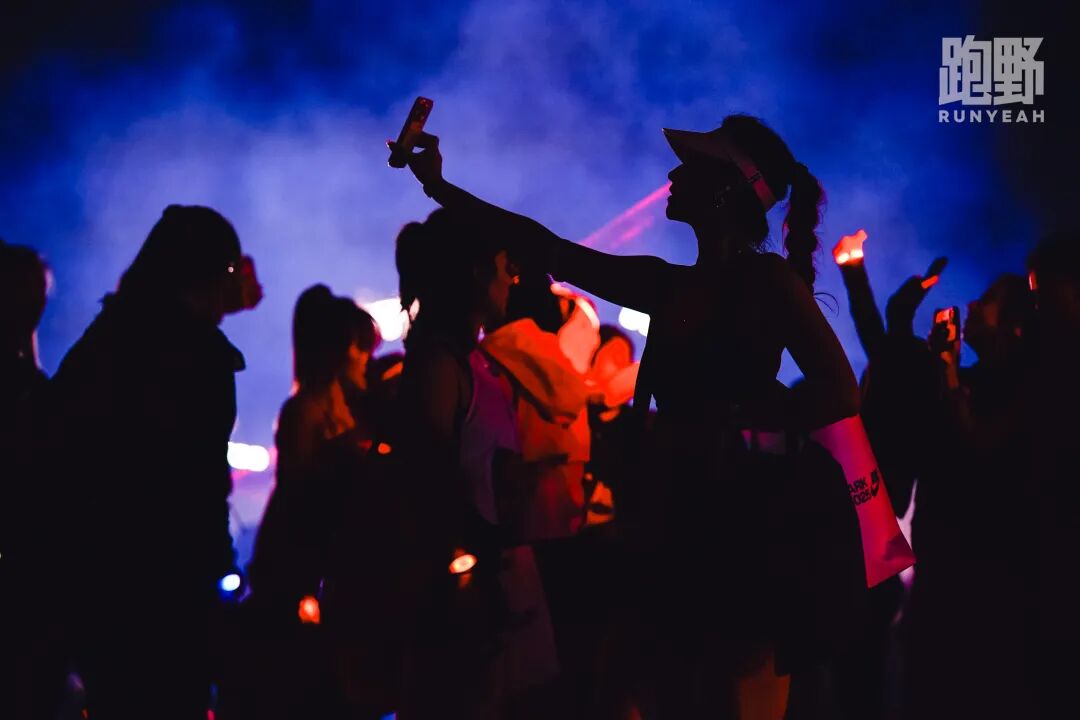
For a long time, the most common and safest way for brands to enter the world of runners was to appear in an already established race. Marathons, trail running events, obstacle races. Brand logos appeared on start/finish arches, on bibs, and beside aid stations, sharing an already formed event with runners. But in recent years some changes have slowly been taking place. They're often not just "sponsor exposure" but more like on-site activations built by the brands themselves. Women-only races that start at night; a "Record-Breaking Day" inside a corporate campus; the Shanghai Xintiandi challenge with no fixed route that relies on check-in points for scoring; Vancouver's half marathon that feels like a ticket to a weekend party... Although they're all running events, their character, memorable moments, and even the role runners play on site are beginning to diverge noticeably. In Nike's After Dark Tour, the first thing about running isn't "warm-up" but "arrival." It pushes running into the night, schedules events on weekends, and moves exercise onto a timetable closer to nightlife. This is a global series for female runners — Sydney, Shanghai, Seoul, Mumbai, Los Angeles, Mexico City, and London. If you treat it merely as a "multi-city tour," you risk overlooking what it was really designed to do: it turns running into a "nighttime event". For example, the keywords for the Los Angeles stop — "girls’ weekend", Expotique, and pre-race experiences that are closer to urban consumption and social gatherings. These details change runners' psychological expectations of "participation": you’re not here to complete a distance; you’re more like someone invited to an evening. So its greatest strength isn’t the "run" itself, but the "shareable evening". Lights, music, styling, photos, finish-line celebrations — it naturally encourages runners to turn the experience into content. When runners recall it, they often remember the atmosphere first, then the results. But this kind of "eventization" also amplifies the risks. When running is packaged as a nighttime lifestyle experience, any small flaw in organization will be scrutinized more harshly: queuing, flow management, check-in, delays — all will be interpreted directly as the quality of the "brand service experience", rather than as a "race organizer's mistake". The core of After Dark isn't subtle: it tries to make running happen at night, to let women runners occupy the city after dark, and to make "participating" look like a more modern, stylish way to go out. It puts runners into the story — runners are not spectators, they are part of the content. If After Dark makes running feel more like urban nightlife, then Road to Records, held since 2021, does the opposite: it strips away everything unrelated to running. It took place in Herzogenaurach, Germany, home of adidas's headquarters. True to the stereotypical image of Germany, the race created an enclosed, stable, and controllable environment—almost laboratory-like in its precision. At the 2025 edition, Agnes Ngetich ran a women-only 10 km in 29:27, becoming the first athlete to break 30 minutes in a women-only race. World Athletics called it a 'barrier-breaking' record moment. This sense of presence is strong, but it isn't the kind of strength that comes from noisy excitement. It's a force that pulls attention toward the same thing: what was actually achieved today. As a result, the messaging becomes singular and sharp. There's no need to explain "why it's worth coming"—the result itself provides the explanation. For running media and the results-obsessed, it's almost naturally a source of content: records, pace, splits, limits. In 2025, Shanghai introduced a setup unlike the previous two: the route was not fixed. GravelShanghai was billed as Salomon's global debut of a Gravel no-fixed-route challenge. The repeated insistence that "no fixed route" was not a gimmick but the core rule was deliberate: runners had to check in at at least six scoring checkpoints within 2 hours; the higher the points, the better the placing, and there was also a lottery component. What's interesting about this set of rules is that it breaks running into two abilities — running and choosing. Being able to run fast is, of course, important, but it no longer decides everything. What may matter more is how you pick the route, which spot to hit first, how to avoid congestion, when to take risks, and when to play it safe. In this kind of live scene, runners will feel more like they're playing a game. This also explains why it's more likely to generate buzz. Because it doesn't produce a single results screenshot, but rather a wealth of discussable content: route recaps, strategy sharing, fragments of the city, photos of check-in spots. When runners post their route maps, that line itself becomes a story. At the same time, questions arise: when everyone runs different routes, what is the basis for comparison? Is it more of a challenge or more like a race? These kinds of questions won't disappear because of official explanations; rather, they become part of the discussion — which is also why it feels like a "pioneering experiment". Perhaps it's not so much bringing trail running into the city as it is bringing a sense of "exploration" into the city. SeaWheeze has a different vibe: it’s not a race focused solely on results. Organizers previously announced it will return in August 2026, describing it in the event information as “a two-day party — the half marathon is at the core.” This changes runners' understanding of "participation." Entering an event is no longer just signing up for a distance; it's more like booking a weekend: who you go with, how long you stay, where to go after the race, what to wear, how to take photos, and how to turn the experience into memories.Running is the entry point; beyond that is a whole lifestyle narrative. In 2026, when SeaWheeze returned, the discussion quickly turned to a practical issue: the price. The entry fee, converted to RMB, exceeds 1,600 yuan, which put it into discussions as "one of the most expensive half marathons in North America." But ticketed experiences also raise new questions: when a weekend experience is priced and scarcity is manufactured, does a sense of belonging grow, or does it instead become narrower? The scene shifts to the On Squad Race, which is a stark contrast to the earlier scenes: running is handed entirely back to the team. The 2026 On 昂跑 Squad Race team-speed global series' Beijing and Guangzhou stops both put the course inside multi-level parking garages. The temporarily converted racing corridorsundulate constantly: ramps, turns, level changes, and teams of four relay to complete the race. For most runners, the initial feeling is not "familiarity" but "weightlessness"—familiar urban infrastructure redefined as the site where sport happens. In traditional road running, the runner is first and foremost an individual. On Squad Race pushes that solo narrative one step further. Here running is no longer just an individual output, but becomes a form of team expression that requires coordination. On the same course, different running squads produce entirely different performances. Some treat it as a serious competition, treating each leg as a tactical phase that must be executed precisely; some treat it as an offline gathering; others care more about how to be seen—matching kits, striking slogans, stylized handoffs, these all make "who we are" part of the race. So the most interesting thing about On Squad Race may not be the 'holding a race in a parking garage' itself, but that it put running club culture front and center like this for the first time.Different organizational approaches, different value orientations, and different community temperaments can appear simultaneously on the same course. Runners are not just there to complete a race; they are watching one another, comparing themselves, and recognizing each other. In that sense, what On Squad Race is contestingis more like the visibility of “team relationships themselves” as running content. The five cases are like five completely different answers. After Dark is about the mood of the night and the city;Road to Records is about speed and authentic record moments;GravelShanghai is about narratives of exploration and the freedom to choose;SeaWheeze competes to be the gateway that turns running into a weekend lifestyle; On Squad Race competes for the sense of team and belonging associated with running. They're of course different, but one thing connects them: the stage isn't borrowed; it's built by the runners themselves. The rules aren't carried over; they're redesigned. Runners aren't passive "participants"; they're entering an orchestrated experience. The advantage of established race IP often lies not in "novelty" but in "stability." It offers a set of routines runners are already familiar with: registration, the course, aid stations, cut-off times, PB, and annual anticipation. It also has something harder to replicate: repetition. Runners remember it because it happens every year; they trust it because people around them go every year; countless participations and stories form a collective memory. When a brand appears in an established race, what it often borrows isn't the "event stage" itself but the trust and inertia behind that stable order. But this borrowing also brings limitations: the stage is shared, narratives aren't single-threaded, and runners' attention is divided among multiple brands and pieces of information. When a brand builds its own scene it's the opposite. It has a more complete space for expression and bears more of the reputational pressure. It can focus runners' experiences into a particular emotion or story, but it must also answer for itself "why it's worth coming and why people should come again". When running is designed as a nighttime event, an urban mission, or a weekend ticket, does the order and sense of continuity offered by traditional races become more important, or do they simply feel more monotonous? When the route can be unfixed and the rules can constantly change, what boundaries does the word "race" still require? As brand-run events become more mature, what is the core competitiveness of a sports event IP — scale, history, or a form of trust that’s harder to replicate? There is no standard answer to these questions. Runners are entering a more diverse and more fragmented sporting world. And at the moment a runner stands on the starting line, perhaps only one detail has truly changed: this time, are you entering a competition, or entering an experience? Do you think the above are competitions or events? Text:Rowan /Editor:xiaocai Image:Trail Running Big Bang & online/Visual: Max