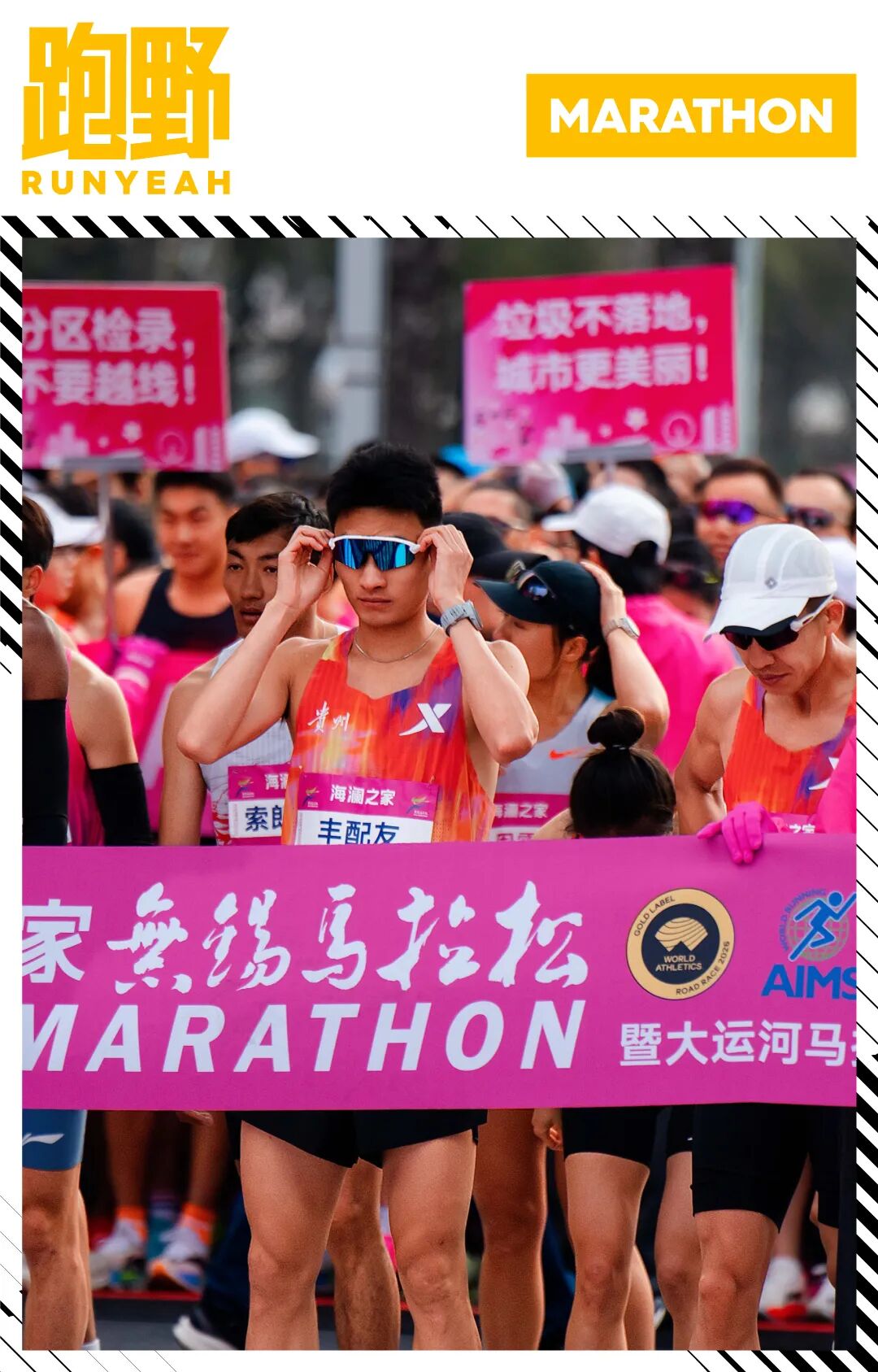
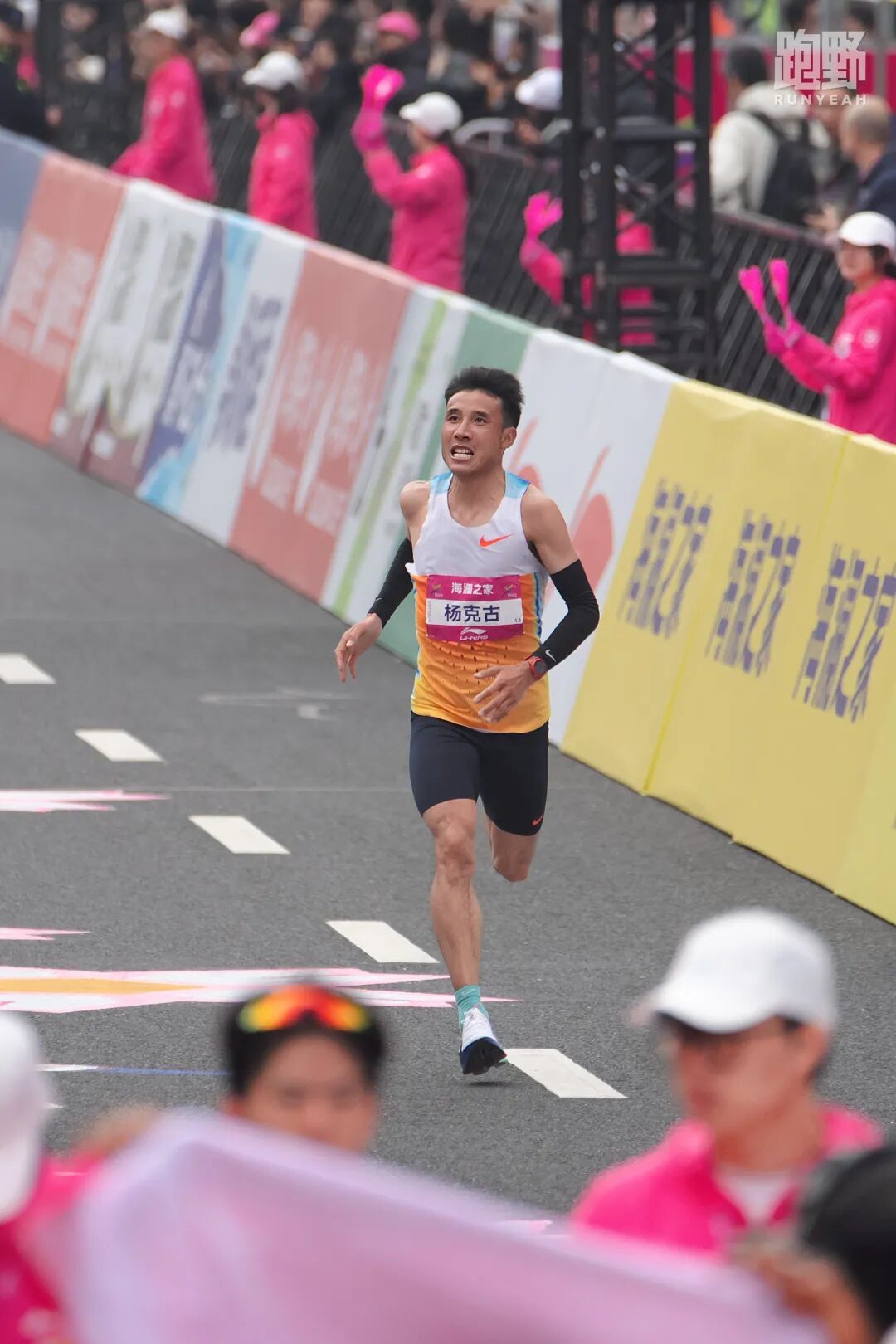
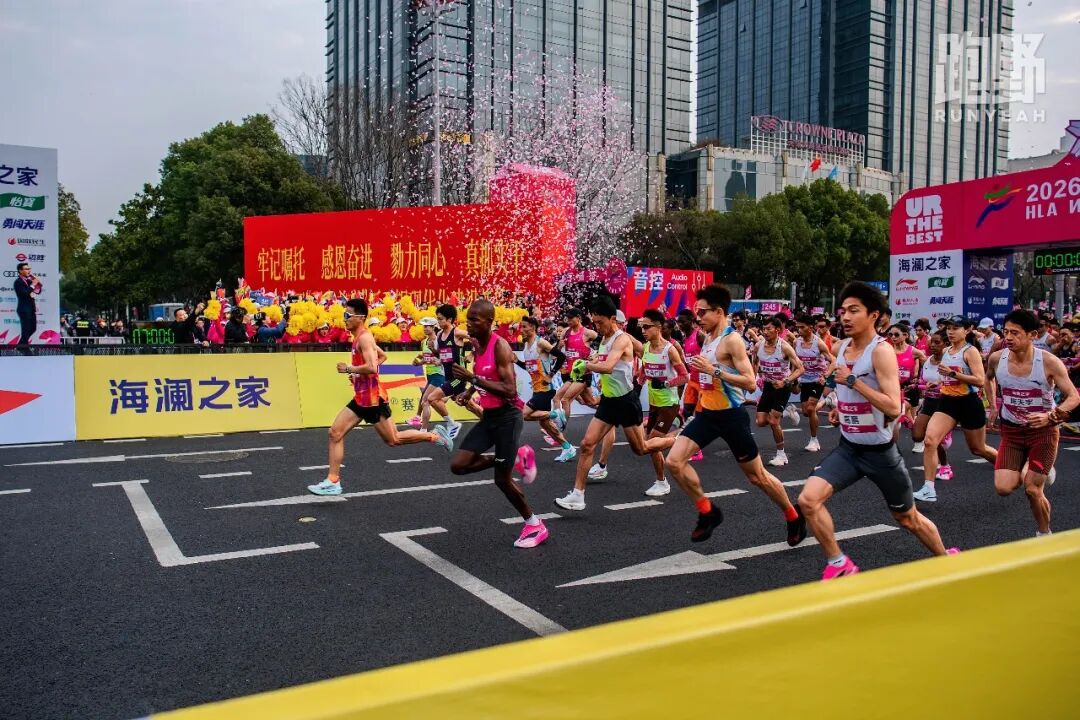
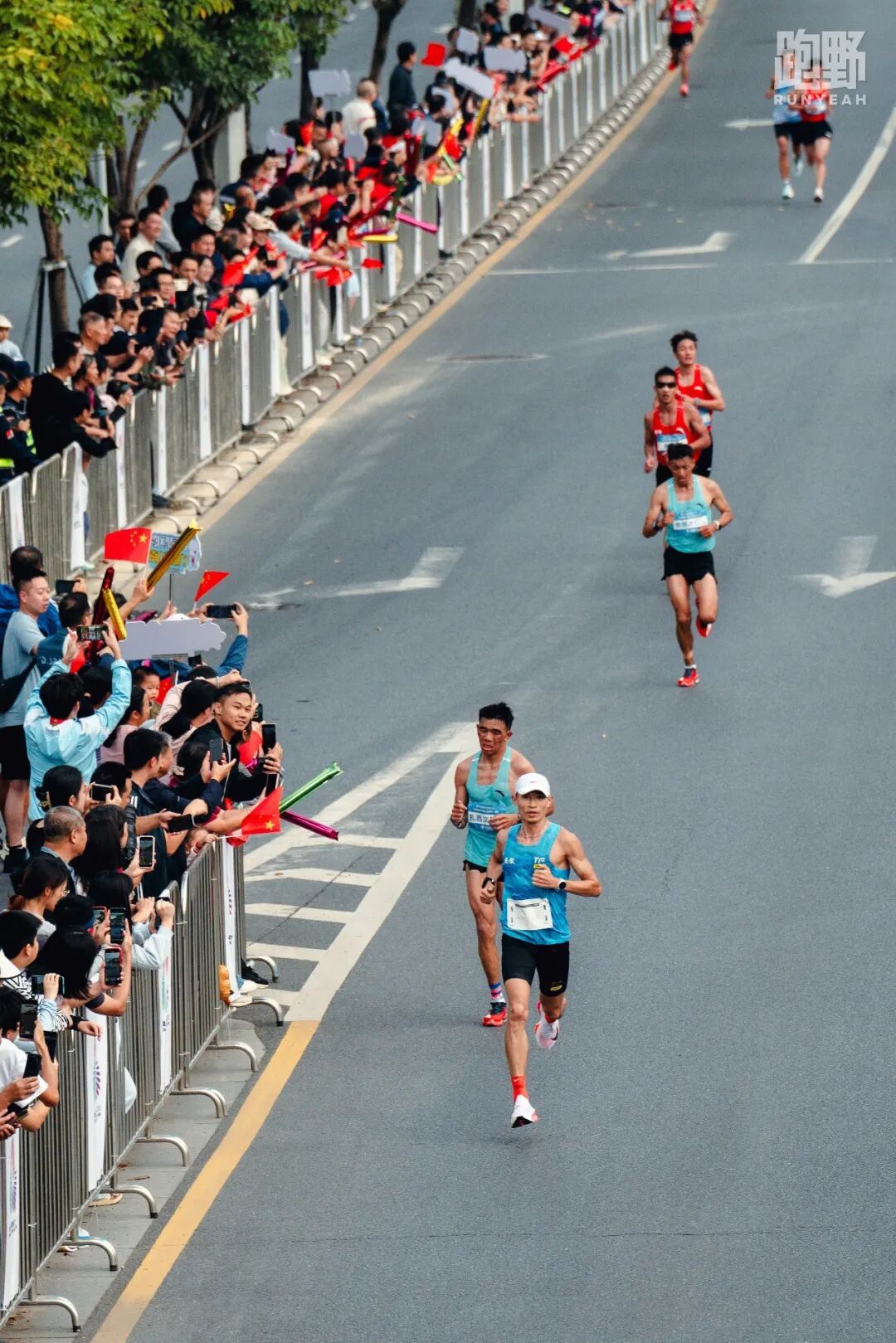
"He kept leading until I couldn't keep up. By then it was already past 35 kilometers." Hong Yue recalled this race that changed his running destiny after the finish, mentioning one detail. The pacer he was referring to up front was Feng Peiyou. At that time Hong Yue knew he had a chance to PB, but he didn’t have complete confidence. After all, there were still 7 kilometers to go — anything could happen. The final scene was revealed on March 22: Suolang Cairen, Yang Kegu, Hong Yue and Zhaxi Ciren all broke the 2:10 barrier. Just last Sunday, Feng Peiyou ran the Yangzhou Half Marathon again, but he felt the accumulated fatigue from consecutive runs soon after the start, so his race goals were adjusted. His season continues, and Chinese marathon running has not slowed: his junior and national debut-marathon record holder Mao Jinhu took silver at the East Asian Half Marathon Championships, while Liang Tiantian and Li Meizhen swept the top two spots in the women’s race. Spring seems to be drawing ever closer. The depth of Chinese men's marathon made a qualitative leap after the Wuxi race. Performances that once seemed untouchable were all easily surpassed in Wuxi. Breaking the 2:10 barrier for the first time, Yang Kegu said that the first person he thanked for such a big breakthrough was Feng Peiyou. He didn’t expect that once they went out his pace would be so steady and so positive. The domestic lead group stretched forward in a long single-file line. Of course, there were many subtle shifts within that steadiness:For example, Yang Shaohui slowed as early as 7 km in, Zhang Bangliu—lacking experience—couldn’t hold the pace, and Mao Jinhu even suffered a side stitch that only eased around 15 km. For example, when Mao Jinhu was just past 24 km he felt the pace up front was a bit slow, so he pushed to the front and increased the pace from 3:05 to 2:52. Even though he remembered the coach’s pre-race warning: no matter how good you feel, don’t surge forward. Save any surges until after 35 km if you still have the energy. After 35 km, Hong Yue couldn’t stay with the leading group; he and Yang Kegu fell slightly behind. But that didn’t stop the two—who both train in Lijiang—from working together and pushing each other. At that point they were rivals, but even more so each other’s staunch supporters in chasing a 2:10. In the end, the pair got what they wanted, achieving the most important victory of their careers so far. But looking back over the long 42.195 kilometers, it was precisely the proactive and steady work of the pacer Feng Peiyou in the first 30 kilometers that allowed Suolang Cairen, Yang Kegu, Hong Yue and Zhaxi Ciren to remain stable for most of the race, conserve energy, and save enough strength for the toughest stages to come. Before Wuxi, Feng Peiyou's plans and thinking were very clear: stay with international athletes, aim for a top-three international finish, even the title. After the Tokyo race, his outlook and mindset have completely opened up. It's clear he is no longer, as before, only pursuing domestic titles. Instead, he is anchoring on Los Angeles in two years, or the Beijing World Championships in a year, and moving forward step by step. In fact, in Feng Peiyou's mind, being strong on your own is not as good as more people advancing together — that's a better look for Chinese men's marathon. So in Wuxi, he used an incredibly steady pace to act as the pacesetter. He hopes "everyone runs better and better". Back in Tokyo, coach Zou Leilei said he wasn't at all worried that Feng Peiyou's national record would be rewritten in the short term. Wuxi was also Feng Peiyou's first race after taking the national record. Still completely free of any idol baggage, he remained himself: when asked about the strategy for running with Mao Jinhu, he boldly said, "Let's see if he can keep up." And after Mao Jinhu finished the race in 2:07, he very candidly described him as "a new king takes the throne." Whether in past track races or road marathons, for many male runners, the omnipresent competitive environment sometimes breeds a few "little schemes" — or simply tactical strategies. For example, He Jie spoke out boldly after a domestic race, saying that the domestic middle- and long-distance running environment is too conservative and that the overall competitive level is not as good as abroad. He was subtly criticizing many track athletes for trying to play it safe once the race starts. Whether it's track races or commercial road races, chasing victories or chasing times—these reflect different mindsets among runners in different environments and roles, and there's no absolute right or wrong. After all, for many professional athletes, races in which they can pursue fast times are few and far between; they must secure placings first in order to have a basis for survival. This is also one reason why it’s hard to post fast times at some domestic races. For example, some of the top-three finishers say after the race that when they run into a no-man’s-land and see no one able to catch them from behind, they will “ease off” to safely protect their placing and save energy for a better performance at the next race. That choice isn’t wrong, but objectively it also prevents athletes from chasing faster times. It’s precisely because the domestic scene makes fast times difficult that many runners seeking results have begun racing more competitive international events. Over time, this has made it even harder to post fast times at domestic races than it was in the past. As a fast course, Wuxi witnessed national records across 2023–2024, so it inherently gives athletes the conditions to post fast times. This year, with weather much more favorable than last year, and thanks to the effort of 丰配友, we saw a collective breakthrough among domestic men breaking the 2:10 barrier. I hope this trend continues in future races and that the competitive landscape among China’s male runners becomes more exciting — only then can Chinese marathon running as a whole enter its next spring of growth. Text: trail running /Editor:David Photo:Paoye Dabaozha/Visual:Max