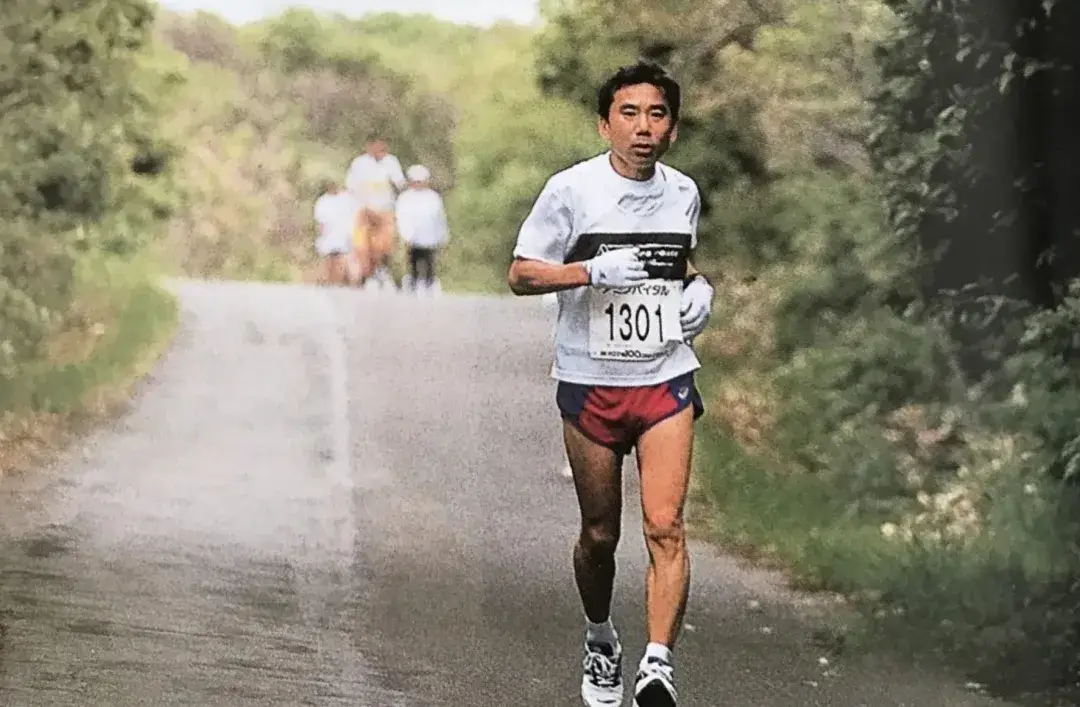
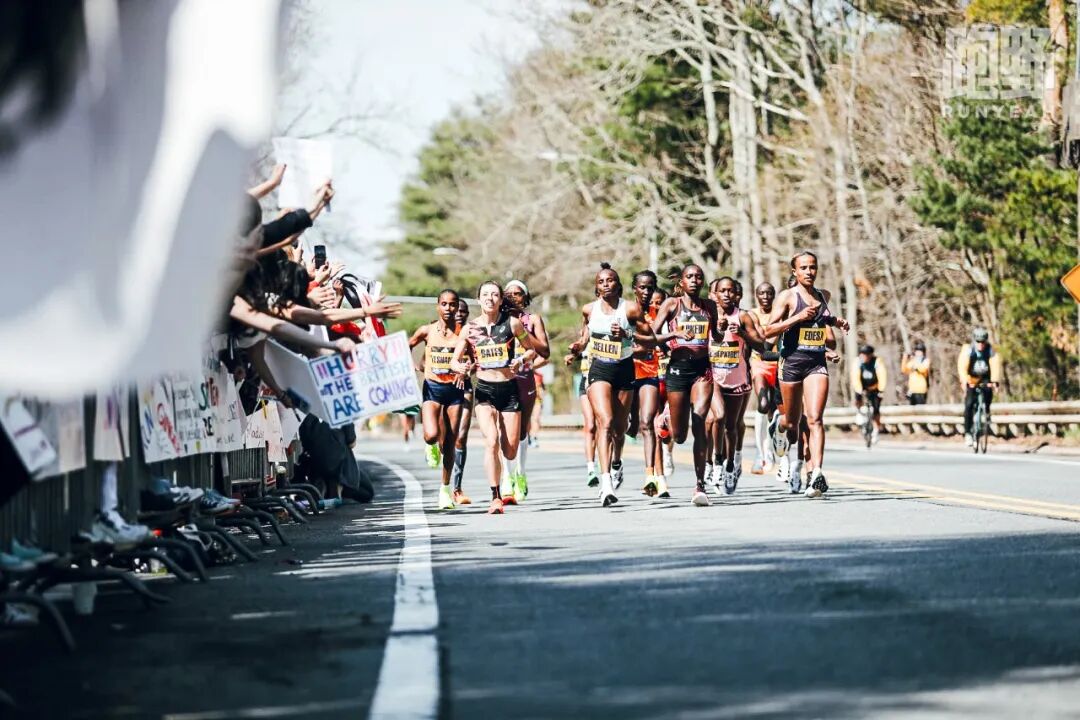
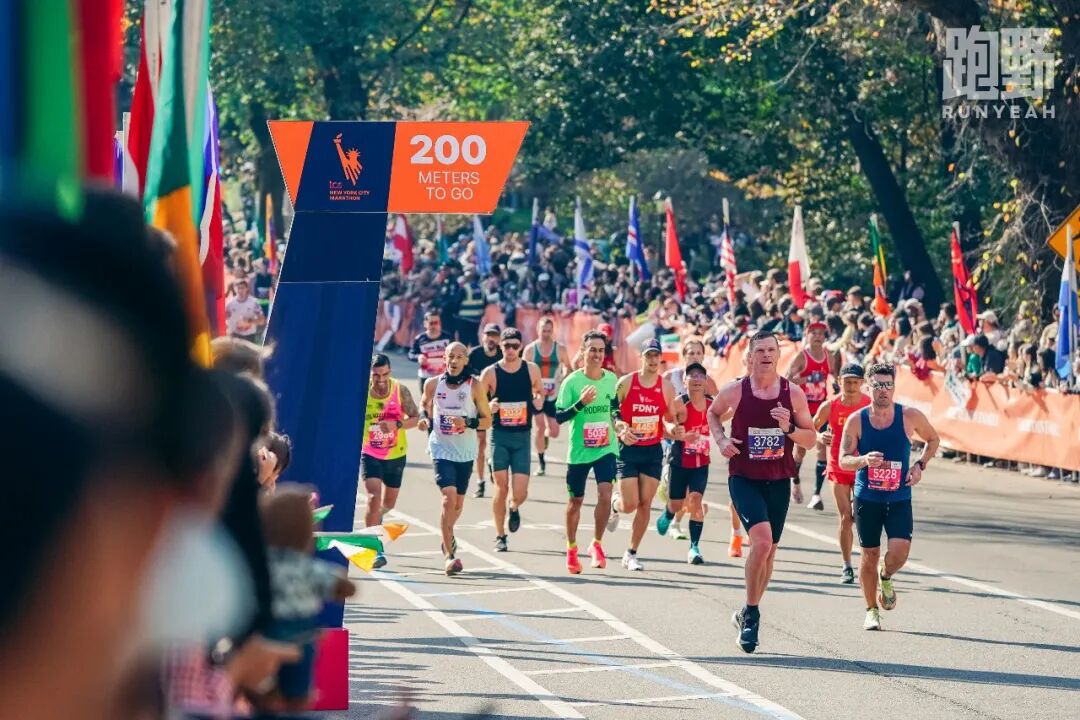
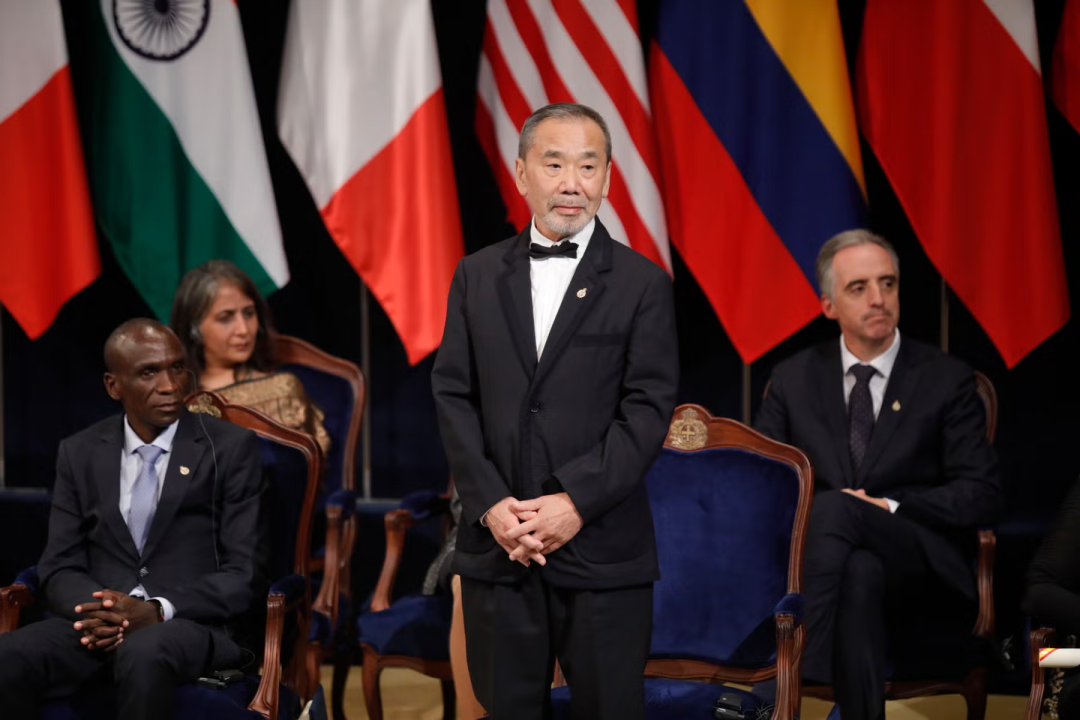
He is not only a perennial Nobel Prize contender in literature, but also a serious runner. With each 5 a.m. breath, on Boston's downhills and in New York's cold winds, Haruki Murakami uses 22 years of accumulated mileage to show us how physical resilience supports the weight of the soul.In the literary world, Haruki Murakami's name is synonymous with Norwegian Wood and Kafka on the Shore; but in our world—the world of runners—he stands for an intensely pure, disciplined, and contemplative way of life.Recently, talk of a certain spiritual resonance between Harry Styles and Haruki Murakami on the subject of running has created a stir, prompting us to turn our attention back to the Japanese writer's in-depth 2005 interview with Runner's World.In that conversation, Murakami—who had been running for 22 years and had completed more than 25 marathons—unreservedly dissected the hidden bond between running and writing, body and mind.For many runners, the starting point of running often comes from a desire to "escape" or "reinvent" their current situation. Haruki Murakami was no exception.Before he became a professional writer, Murakami ran a jazz bar in central Tokyo. It was a period of nocturnal living, with life surrounded by late-night clamor and smoky air. As he recalled in an interview: "At that time I was working late into the night every day in dirty air."When he decided to transition from running a jazz bar to becoming a full‑time writer, a new sense of crisis hit. Writing, which looks romantic on the surface, is in fact a brutal drain on physical endurance. Long hours at a desk meant a sharp drop in physical activity, followed by weight gain and a decline in fitness.“If I don't do some exercise, my body will quickly lose its shape,” Murakami admitted in an interview. To keep his weight in check and to quit smoking once and for all, he made a life‑changing decision: “I'm going to live an absolutely healthy life.”From that point on his daily routine changed dramatically. He started getting up at 5 a.m. every morning, finishing his writing first and then going out for a run. He kept that up for 22 years (as of the 2005 interview). This complete lifestyle shift not only brought his weight back to what it had been before he ran the bar, it also gave him an unprecedented feeling of refreshment.For Murakami, running is not just exercise but a professional discipline. He realized that to sustain high-intensity creative work, he first needed a body healthy enough to withstand that intensity.Why pick running out of all sports? Murakami's answer carries the lone-wolf quality unique to runners. He sees himself as someone inclined toward independence and individualism, and running fits his temperament perfectly."As long as you have a pair of running shoes, you can run anywhere. You don't need anyone else's cooperation."No teammates required, no rivals, no complex gear, and no special venue. This minimalist philosophy of exercise has made running an indispensable part of Murakami's life. He doesn't find it difficult to turn running into a habit, because it's a pleasure in itself. For a novelist used to building universes alone in the world of words, the solitude of running is not a punishment but a privilege.If you think writers only dabble in running, Haruki Murakami's training data will make you rethink that.In an interview, Murakami revealed his target weekly mileage at the time: 60 kilometers. That's a very typical training volume for a serious recreational runner. The usual plan was: run 6 days a week, averaging 10 km per day.Of course, this wasn't a rigid, mechanical routine. He adjusted based on how he felt—some weeks a bit more, sometimes a bit less.Murakamihad a clear approach to pace: in the off-season he ran at a moderate pace, feeling relaxed and comfortable and enjoying the process; during race preparation he deliberately added speed work, focusing on sharpening his competitive condition.It's worth noting that around 2005, Murakami's exercise list included more than just running. He revealed that he began dabbling in triathlon at the time, so he added cycling and swimming to his training menu. As a result, his pure running days were adjusted to 3–4 days per week. This idea of cross-training was progressive in the running community back then: it reduced injury risk from single-sport repetition and improved overall cardiovascular fitness.As a veteran who has completed more than 25 marathons, Haruki Murakami has distinctive sensory memories of the world's major races, especially the Boston Marathon and the New York City Marathon.The charming yet tricky "sanctuary" As of the interview, Murakami had run the Boston Marathon six times. To him, the Boston Marathon is the "most attractive" marathon. The changing scenery along the route and the warm support of the crowd make him feel happy every time he races.But from a technical standpoint, the Boston Marathon is also highly challenging. Murakami specifically mentioned the early downhill on the Boston course. For experienced runners, that opening descent is a sweet trap that can easily disrupt pace strategy. "It's tricky," Murakami admits, "I never know how fast to go. No matter how many times I tackle it, I never leave the race thinking, 'Yes, that's exactly how I should have run it!'"Although pacing strategy is always agonizing, the finish line in Boston is forever "one of the happiest moments of his life" for Murakami. He has a strong post-race ritual: after crossing the finish line at Copley Square, he heads straight to Legal Sea Foods, orders a serving of steamed cherry clams, and follows it with a Samuel Adams. In that moment, all the exhaustion turns sweet.Meanwhilethe New York City Marathon, which is more about "sightseeing" through a gigantic city, presents a different picture for Murakami. He has raced NYC three times and set his personal Best Time here.He treats the New York Marathon as a kind of unique “walking sightseeing.” Measuring this vast, distinctive city with his own two feet, passing through diverse neighborhoods he might not otherwise visit, and feeling the presence of people from different cultural backgrounds — that experience is something you can only get on the New York Marathon course.However, New York also gives him headaches: the long wait before the start. Shivering in the cold while waiting for the gun to go off is a painful memory that every New York Marathon runner cannot forget, and Murakami is no exception.But when asked about his favorite place in the world to run, Murakami’s answer was neither Boston nor New York, but a small Greek island. It was a place where he lived in his early years. As the only jogger on the island, his behavior stood out to the locals. People would often shout at him, “Why do you run?” “Isn’t that bad for your health?” or teasingly invite him, “Why not stop and have a glass of ouzo (Ouzo)?” These down-to-earth interactions became amusing touches in his running memories.What to listen to while running? This is almost an eternal topic among runners. Haruki Murakami’s playlist is very clear: rock.He usually uses an MD portable player, listening to music where 'the simpler the rhythm, the better.' In interviews he listed his favorites:Creedence Clearwater Revival(Creedence Clearwater Revival)、The Beach Boys( The Beach Boys)and John Mellencamp . During an attempt at a 100-kilometer ultramarathon, Murakami had the sudden idea to try to listen to Mozart's opera The Magic Flute from start to finish. He gave up halfway through the race — "too tiring." The experience led him to one conclusion: opera isn't suited to running. Its complex structure and sweeping narrative seem at odds with the mechanical focus required for long-distance running.For many people, running is time for thinking. But for Haruki Murakami, running is more like a way to "reset.""When I run I try not to think about anything in particular. In fact, I'm usually 'running with an empty head.'" Yet wonderful things often happen in that emptied state. When the mind stops pushing itself, certain inspirations "naturally and suddenly creep in." These unexpected gains on the road often turn into key ideas in his writing.But he emphasizes that this is not the purpose of running. His original intent in running is to "cool down" the nerves that heat up intensely during writing. Writing requires intense concentration and mental exertion, while the physical tiredness and mental relaxation brought by running create the perfect balance.At the end of the interview, Haruki Murakami elevated running to the level of a life philosophy.He admits that, as he gets older, his pace has indeed slowed. But he still hopes to keep the habit of running a marathon once a year as much as possible. Because over the past 22 years, running has taught him the most important thing: respect for his own body. "I think realizing this is very important for all human beings," Murakami said.This kind of respect for one's own body can be extended to others. Murakami proposed a grand and idealistic vision: if more people on Earth had this respect for their bodies—and thus for others—terrorism or war might not exist. He concedes it's not that simple, but it is undoubtedly a runner's most profound understanding of peace.Returning to writing itself, Murakami's point is striking: "Without a solid physical foundation, you cannot accomplish anything complex or demanding."In his view, the most important qualities for a novelist are imagination, intellect and concentration. But to maintain these qualities at a high level over the long term, one must not neglect physical reserves. If he didn't run, his work would be completely different from what it is now.Haruki Murakami's story is not one about talent, but about persistence and choice. He proved with his feet that running is not just movement of the body, but an anchor for the soul.Whether you're struggling through intervals to chase a PB, or jogging in the morning breeze to lose fat, remember Murakami's words — build a respect for your body through running. When you cross the finish line and go eat that "steamed clam" and drink that "beer" that belong to you, you've not only conquered the distance, but reaffirmed your control over life.As Murakami said: "If I didn't keep running, I think my writing would be completely different from what it is now."Likewise, if we didn't keep running, our lives might be completely different as well.
Text:trail running / Editor:xiaocai
Photo:Trail Running Big Bang & Network / Visual:MAX