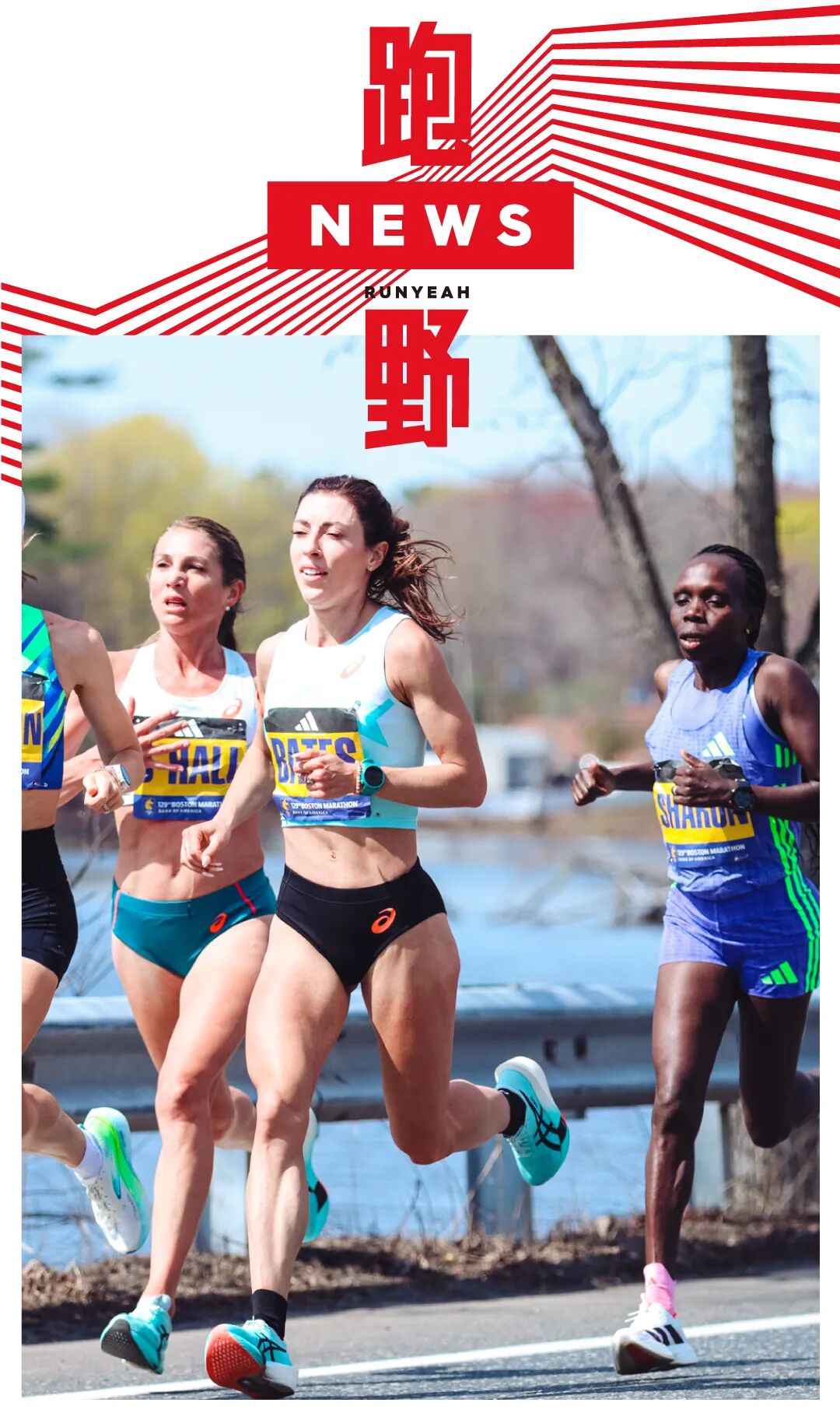
In elite marathon racing, commercial sponsorships are closely tied to athletes' competitive performance. However, the protection of female runners' professional rights when facing childbirth has once again become a focal point of attention within the running community and society at large.
Recently, 33-year-old American distance running star Emma Bates publicly accused her long-time sports nutrition sponsor UCan of unilaterally terminating their sponsorship after learning she was pregnant.
The incident has caused an uproar in the North American running community. As an endurance sports nutrition brand specializing in energy gels, energy bars, and powdered drinks, UCan immediately issued a firm denial, and the two sides have since been locked in a PR tug-of-war, each sticking to their own account.
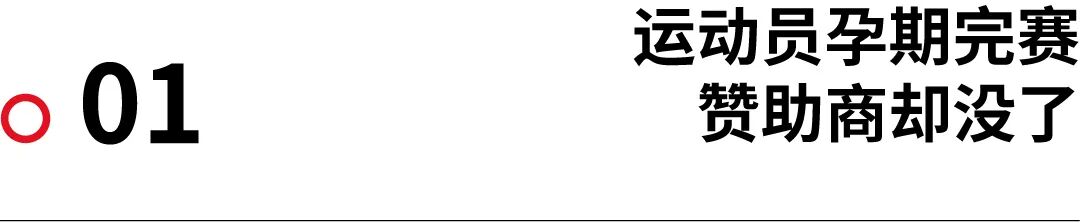
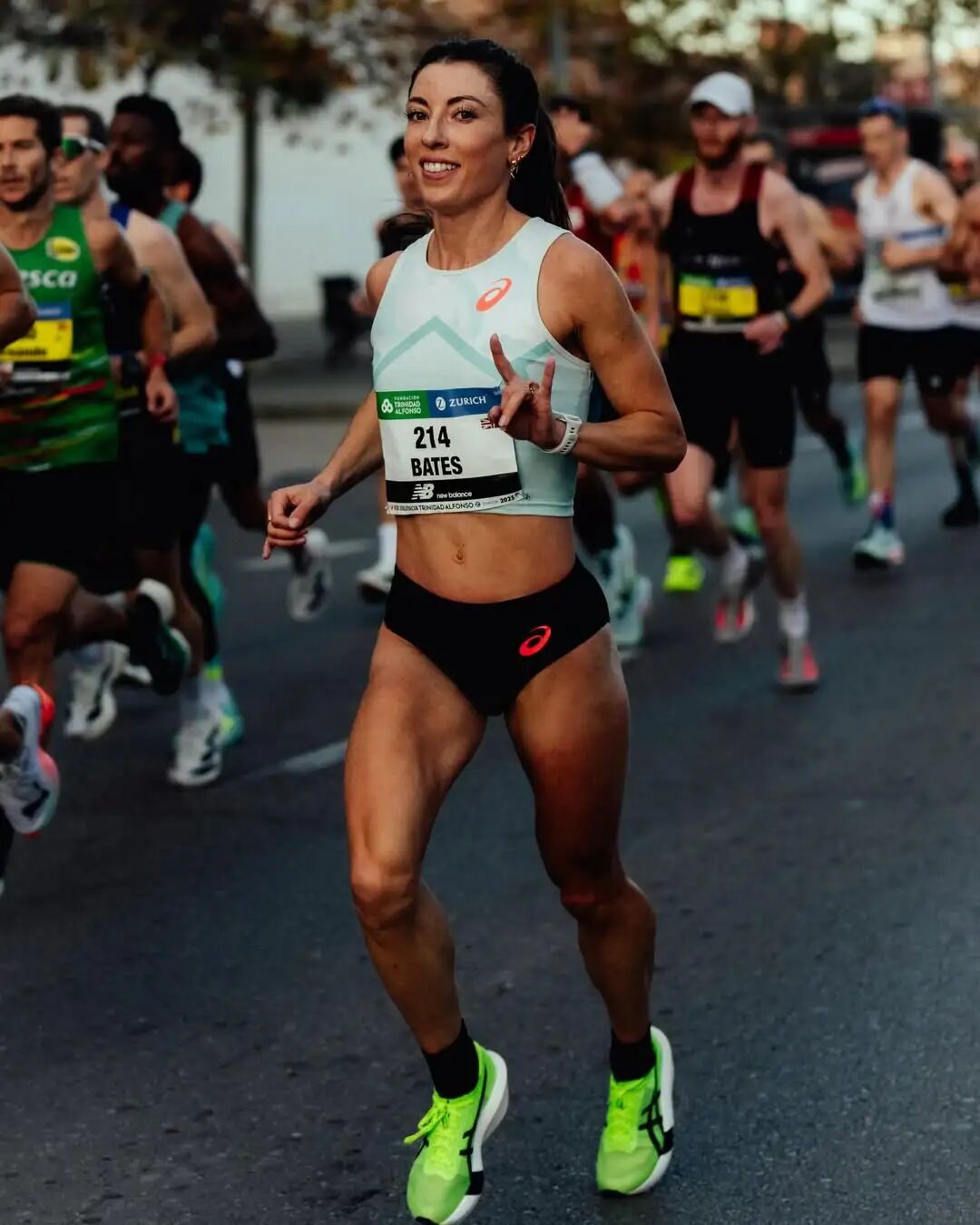
As one of the leading figures in American women's marathon running, Emma Bates has produced strong results in recent years and boasts an impressive résumé. She finished second at the 2021 Chicago Marathon, represented the United States at the 2022 World Athletics Championships in Eugene, placing seventh overall with a PB of 2:23:18, and finished fifth in the highly competitive 2023 Boston Marathon.
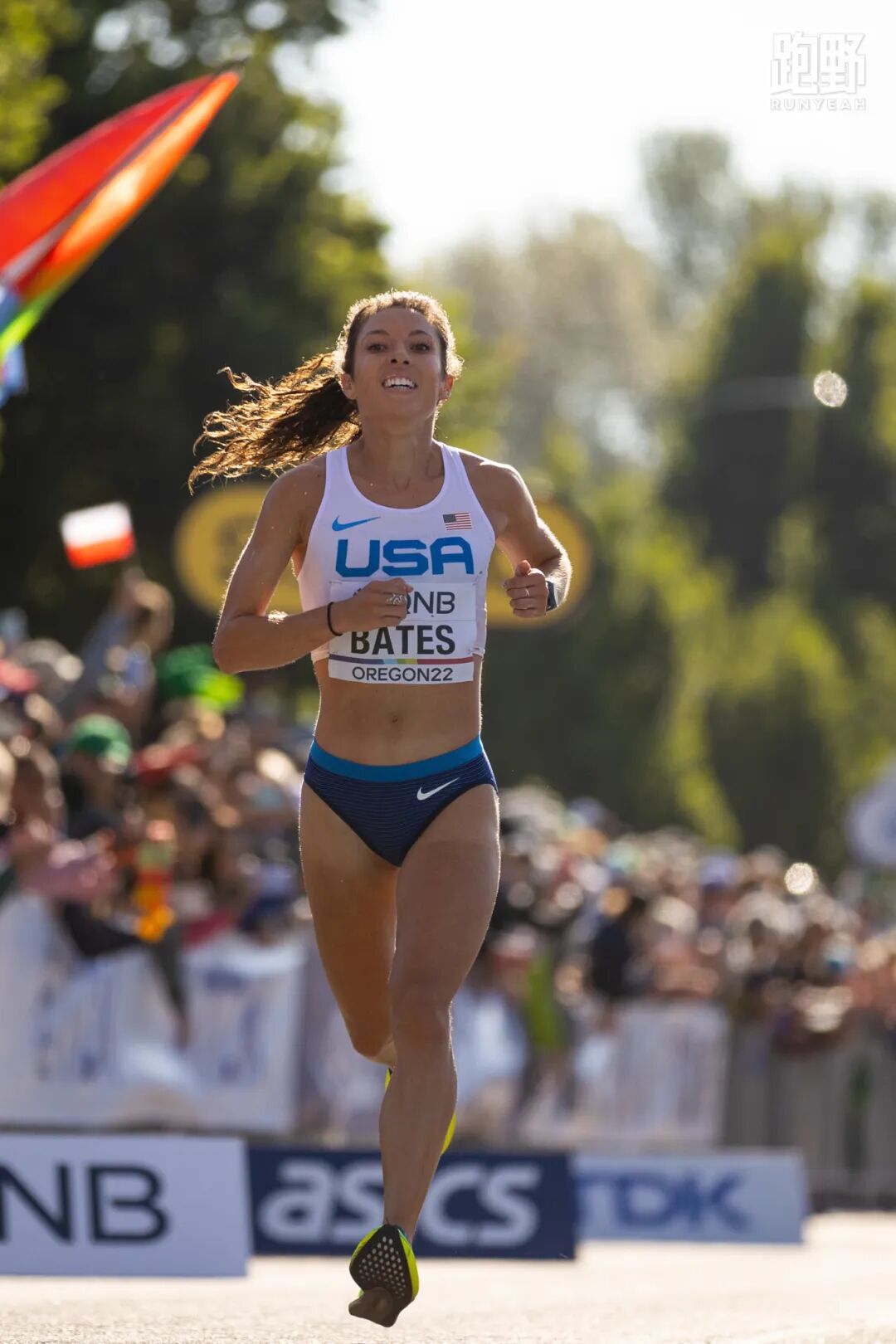
On March 5 this year, Bates shared the news of her pregnancy on social media. However, alongside the joy came an unexpected development regarding her commercial partnerships. In a video posted to her personal social media this Tuesday, Bates said with resignation:
“Ever since my nutrition sponsor terminated my contract after I told them I was pregnant, I've recently been trying all kinds of new energy gels (Gels).”
Remarkably, at last December's Valencia Marathon, Bates had just finished 2:25:51 to finish. She later confirmed that during the Valencia race she was in the “very early” stages of pregnancy.
Facing Emma Bates' public accusations, UCan responded swiftly. In an official statement, the brand offered a markedly different version of events,insisting that the decision to end the partnership was in no way related to Emma Bates' pregnancy.
In UCan's statement, they emphasized that the decision to terminate the sponsorship was made during routine business planning in September 2025. "At that time we were completely unaware of her pregnancy," the statement read. "We had tried to continue working with Emma through a new agreement, but she ultimately chose not to accept that option."
UCan says it had decided before September 2025 to scale back its elite-athlete budget due to a strategic shift, and at that time they were completely unaware that Emma was pregnant.
Then came the Valencia Marathon in early December, where Bates delivered a strong performance. Bates's agency, Flynn Sports Management (FSM), represented by Matt Sonnenfeldt, strongly refuted the brand's account. He told the media: "We were still negotiating after September. But UCan adjusted its contract offer and terms in December (after learning about the pregnancy)."
After that, on March 5, 2026, Bates officially announced that she was pregnant, while FSM also directly denied UCan's claim that “September was already decided.” As of press time, details about the revised offer remained unknown to the public.
The Rashomon-like controversy between Bates and UCan continues.contractual disputeRegardless of the final outcome, it highlights a very important issue in the industry:female athleteswho should defend and guarantee the protection of their commercial value during pregnancy and maternity?
Before 2019, brands did include "performance clauses" in contracts that allowed them to reduce pay or terminate agreements if an athlete was unable to compete due to pregnancy. However, times have changed—today female athletes' contracts with brands typically include a 12- to 18-month pregnancy protection period during which a brand may not cut pay or terminate the contract because of pregnancy, childbirth, or postpartum recovery.
Emma Bates is currently at a new stage in her life and career. Although she has faced setbacks, she has begun actively seeking new sponsorship alternatives. We hope the running industry will provide a more scientific and inclusive professional environment for all female athletes, and ensure that every female athlete's hard work is not undermined by changes in her life role.