

What happens when running shoes meet aerodynamics?
Swiss company SWISS SIDE, founded by a chief engineer with 14 years in F1 teams, has ushered the cycling industry into a new era through aerodynamics. SALOMON, a rising name in road running, teamed up with SWISS SIDE to launch the new S/LAB Phantasm 3 after wind-tunnel testing, aerodynamic optimization, and athlete trials.
What kind of racing shoe is this? We put it through a 100-kilometer test to find out.
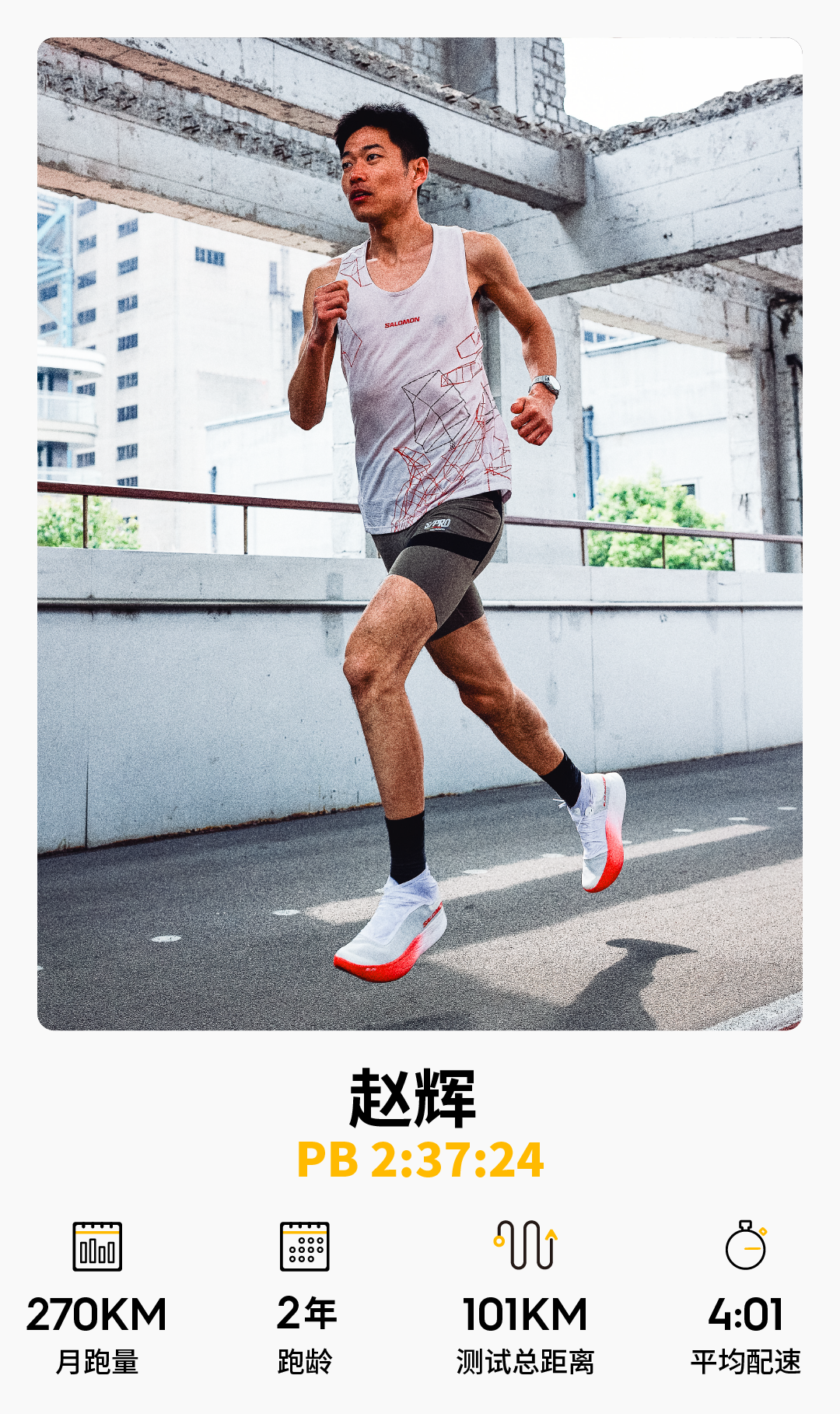

Zhao Hui is no stranger to the S/LAB Phantasm 3.At the 2025 Shanghai Marathon,he wore a pair closest to the retail version and improved his personal best by 11 minutes to 2:37.
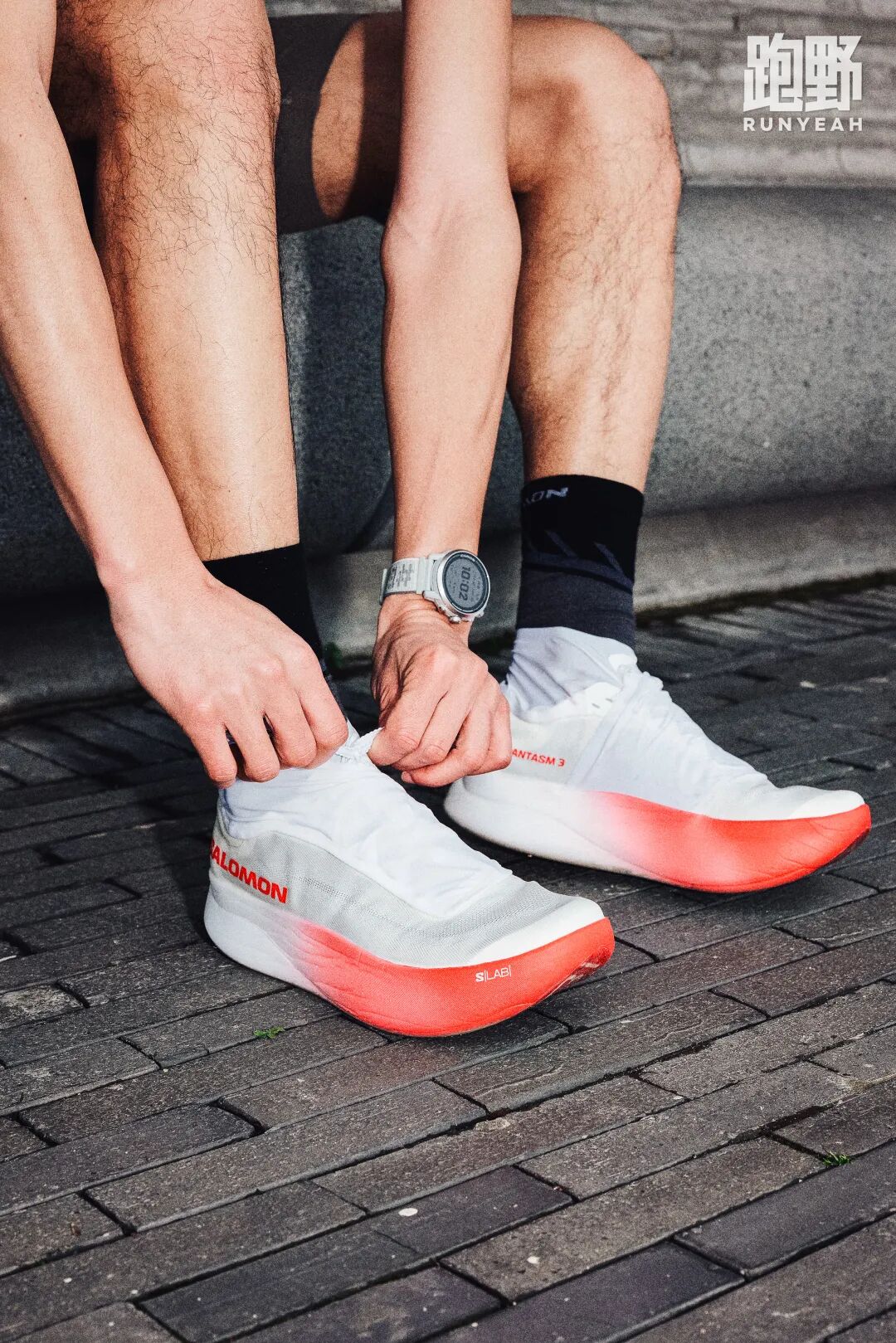
When he got the new retail version for this test and put it on, he immediately noticed the difference. The pair he used in Shanghai had a firmer midsole tuning with differing elasticity between the two layers. In this new version, pressing the lower midsole made the material feel clearly more springy.
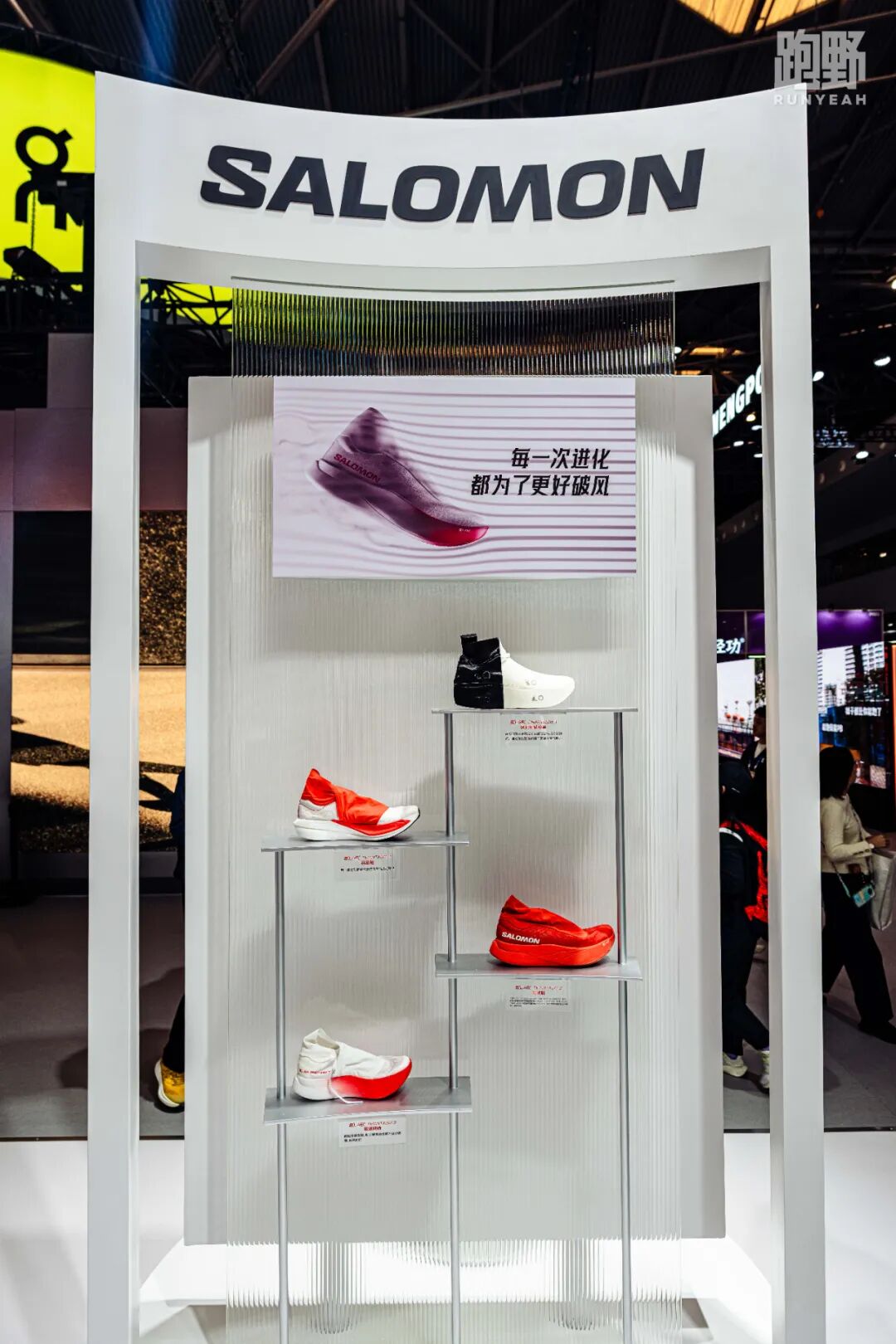
The S/LAB Phantasm 3 went through multiple iterations from the initial wind-tunnel test molds to prototype shoes and test pairs, and even before the official launch SALOMON kept refining it, whichshows that the trail-running king takes making road-running shoes seriously.
The pair he used in Shanghai helped Zhao Hui set that PB, so he had higher expectations for these new shoes.

The basic specs of the S/LAB Phantasm 3 have already leaked through various channels, but let's go over them briefly.
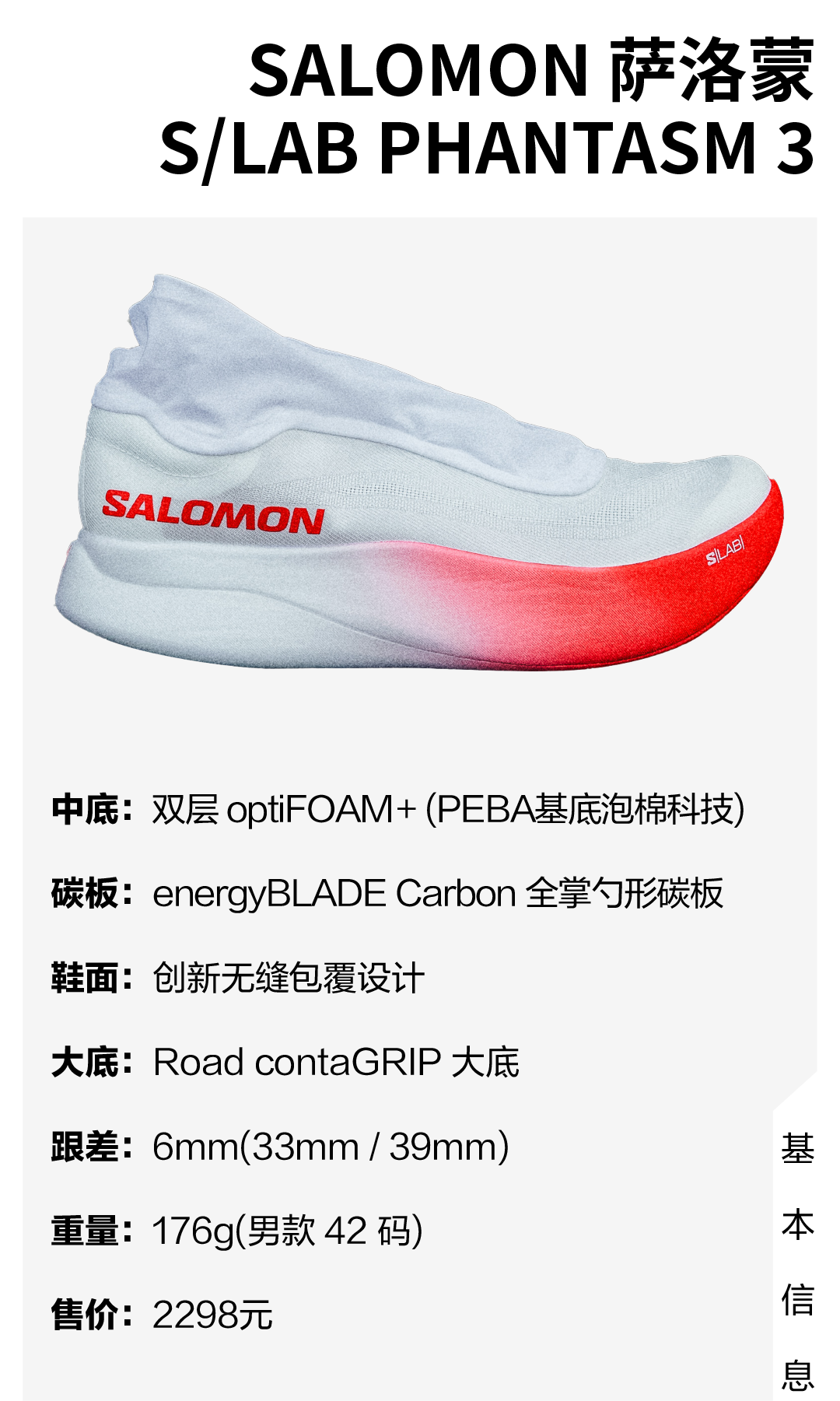
Visually the upper is the most striking part, using an innovative seamless design with a cover that overlays the laces and ankle to create a smooth transition surface. The midsole uses a softer, more responsive optiFOAM+ in a dual-layer construction with a spoon-shaped energyBLADE carbon plate embedded. A men's size 42 weighed just 176 g per shoe in our test, a full 10% lighter than the previous generation.
Numbers are just numbers—only when you put them on can you truly feel the craftsmanship.
You might think that a lace-covering shield would be hard to put on and take off, but it's actually much easier than you'd imagine. Moreoverthe fit wraps like a second skin—there's no pressure across the instep, while the upper hugs the ankle firmly with no slippage.
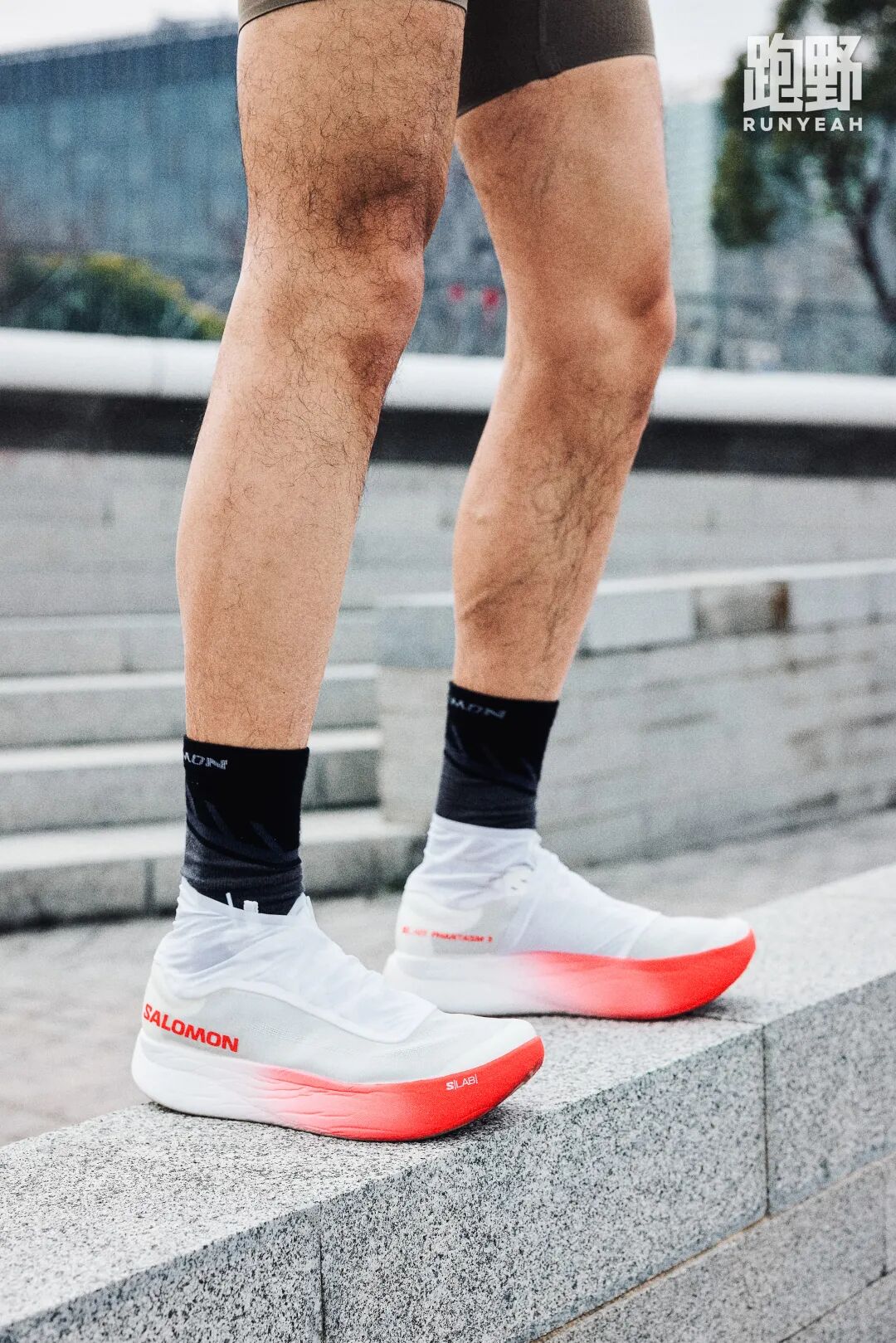
The most immediate impression comes from standing. The low drop of 33mm/39mm creates a clear forward lean that makes your body naturally want to move forward. But what he cared about most was the midsole.“The previous version felt fairly firm; this version is noticeably softer, but soft with real resilience.”This elastic feedback is more immediate than the previous model.
Carbon-plate racing shoes generally lack stability due to midsole material characteristics and typically require strong lower-body strength to handle. The S/LAB Phantasm 3, however, feels very stable on foot—its last is designed to cradle the foot like a boat, providing extra support and stability. In that sense, it significantly lowers the threshold to master the shoe.

At 6 a.m. on a Tuesday with a temperature of 9°C and a light breeze, Zhao Hui started a 10 km tempo run on a road near his home, targeting around 3:40 per km—roughly the pace for a full marathon of 2:34, and a pace that presents a fair challenge in his regular training.

The first 2 km were warm-up at around 3:40 per km. At this stage his biggest impression was the shoe's near absence—176 g made his feet feel almost weightless, and the upper's shield structure didn't feel intrusive at low speeds.
Entering the third kilometer, as the pace tightened to under 3:40, things began to change.
“The most noticeable thing is the carbon plate kicking in.” Zhao said,“At easy jogging it is quiet and almost unnoticeable. But once the pace drops below 3:40, the carbon plate's rigidity shows. It's not a crude shove; it follows the bend of your forefoot and delivers rebound precisely to the sole.”
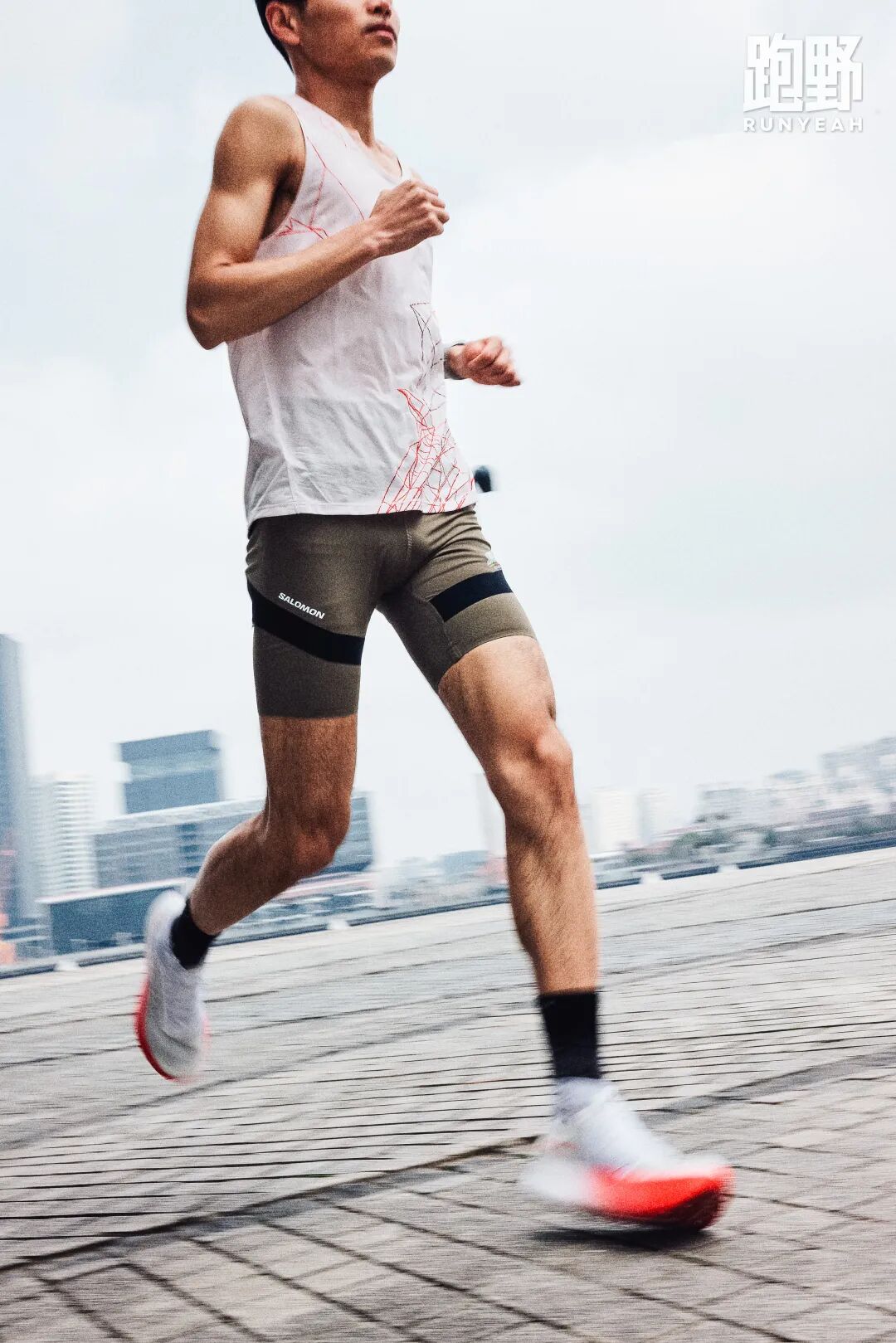
He described the sensation as“precise power delivery”. Some carbon-plate shoes provide overly violent propulsion that requires a hard stomp to activate, whereas the S/LAB Phantasm 3's energyBLADE feels like a smart assistant that gives you a timely push when you need it.
At the 5th km the route entered a headwind section with gusts around 8 m/s. Zhao deliberately kept a normal running posture without crouching. He admits that ordinary runners rarely feel aerodynamic gains directly—you won't shout“Wow, the wind resistance has decreased”.But surprisingly, after running that headwind kilometer he felt a bit lighter than usual.
Maybe that's the real-world expression of the wind-tunnel claim of “reducing aerodynamic drag by 16%-28%.” It's not about making you fly, but about saving a little effort without noticing.
In the final 2 km he accelerated to around 3:33 per km; the carbon plate's propulsion became more powerful, cadence rising from 183 to 190, and every step felt energy returning.
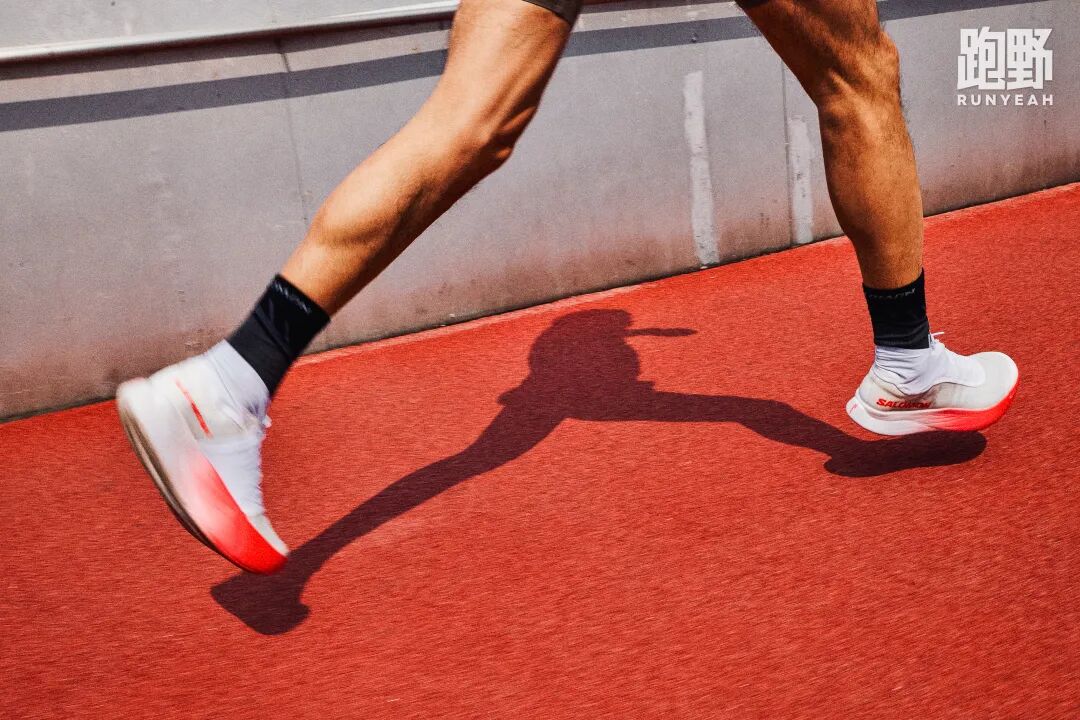
After 10 km the average pace was 3:37 with an average heart rate of 161. Zhao summarized:“this shoe makes every step more economical in tempo runs.” However what surprised him more was cornering—the S/LAB Phantasm 3'sstability gave him confidence to hold the speed.
Because some sections were slippery, he wanted to see how the shoes performed on wet surfaces. The performance wasn't as good as he'd hoped. If a race comes in the rain you may need to pay attention to line choice and try to avoid puddles and painted road markings.

A week later on the same local roads, Zhao completed a 33 km long run targeting about 4:15 per km—around 30 seconds slower than his marathon pace, a typical LSD intensity.
The first 10 km held around 4:40 per km. The optiFOAM+ midsole's long-distance behavior reassured him: “It's not that one-squish-soft feeling; on every landing you can feel the material bounce back quickly. Many soft, springy shoes collapse after a dozen kilometers, but this pair was still stable.”
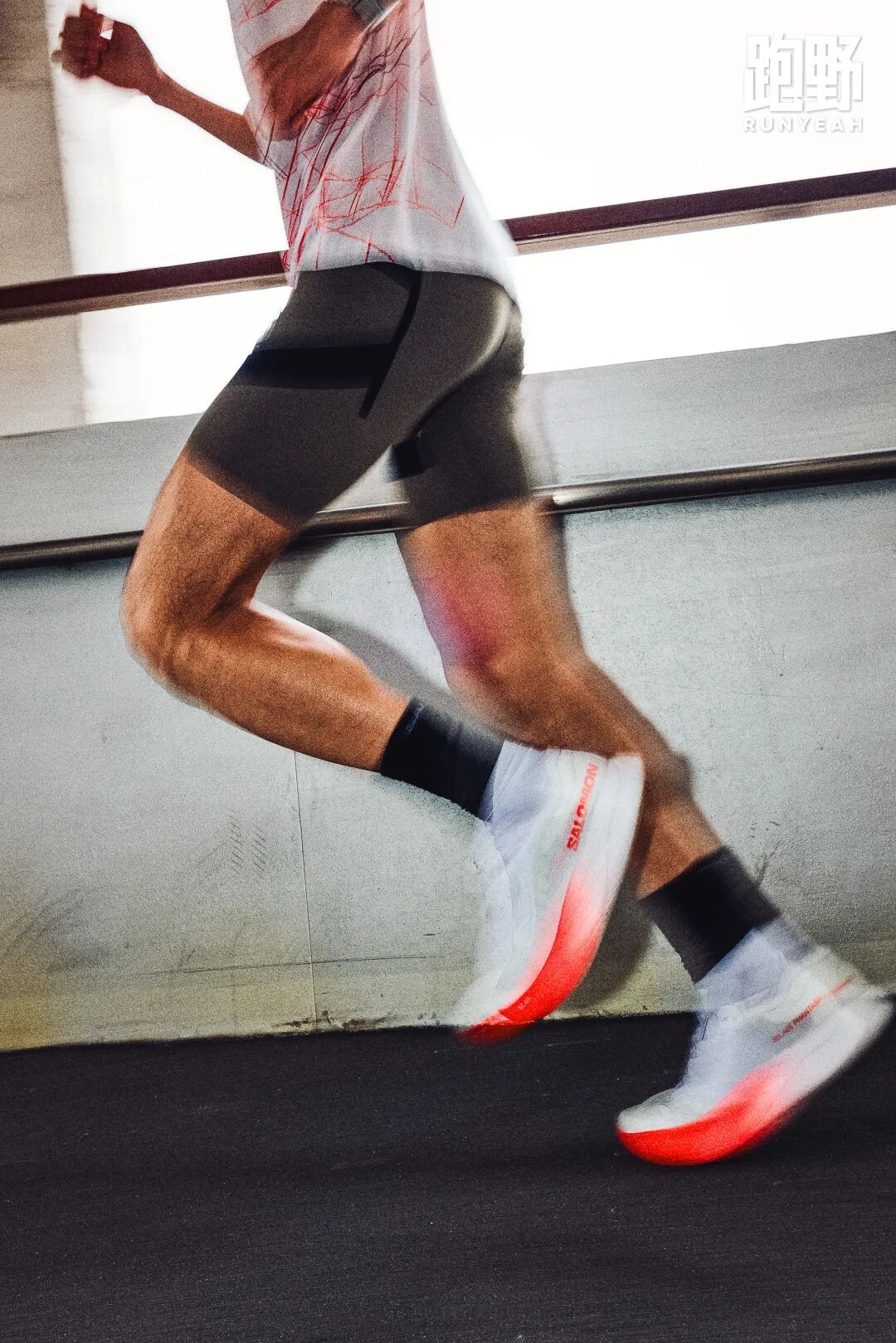
After 15 km he picked up to around 4:20 per km and settled into a comfortable rhythm. Here the carbon plate's advantages began to show: as stride length increased, the spoon-shaped curvature of the energyBLADE aligned with the forefoot's flex point, and each step had a forward“rolling” feeling.
“This is a shoe that fully exploits stride advantage.” Zhao said,“With a long stride the carbon plate engages naturally—you don't have to stomp to activate propulsion. If you're a big-stride runner, this shoe will make you run smoothly.”
After 25 km he focused on midsole degradation. Many racing shoes experience a drop in rebound after 20 km, with the feel becoming harder or even 'stiff.' To his surprise, up to 30 km the optiFOAM+ still retained its rebound.
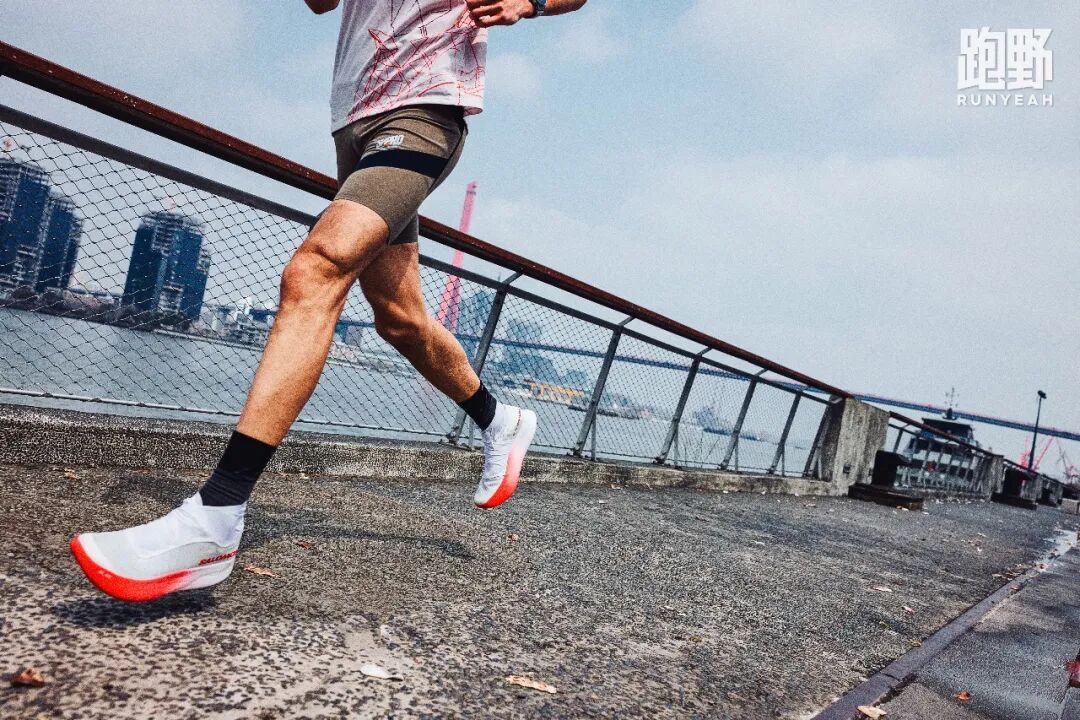
Zhao has a background in materials science and pays particular attention to material degradation. In his view, most materials' degradation is negligible, yet some runners still feel reduced rebound in the latter half of a race. That's often not a materials issue but a sign of insufficient body strength. So it surprised him that optiFOAM+ maintained its rebound. He thinks this is thanks to the shoe's design and the ample material under the forefoot, which particularly benefits forefoot strikers.
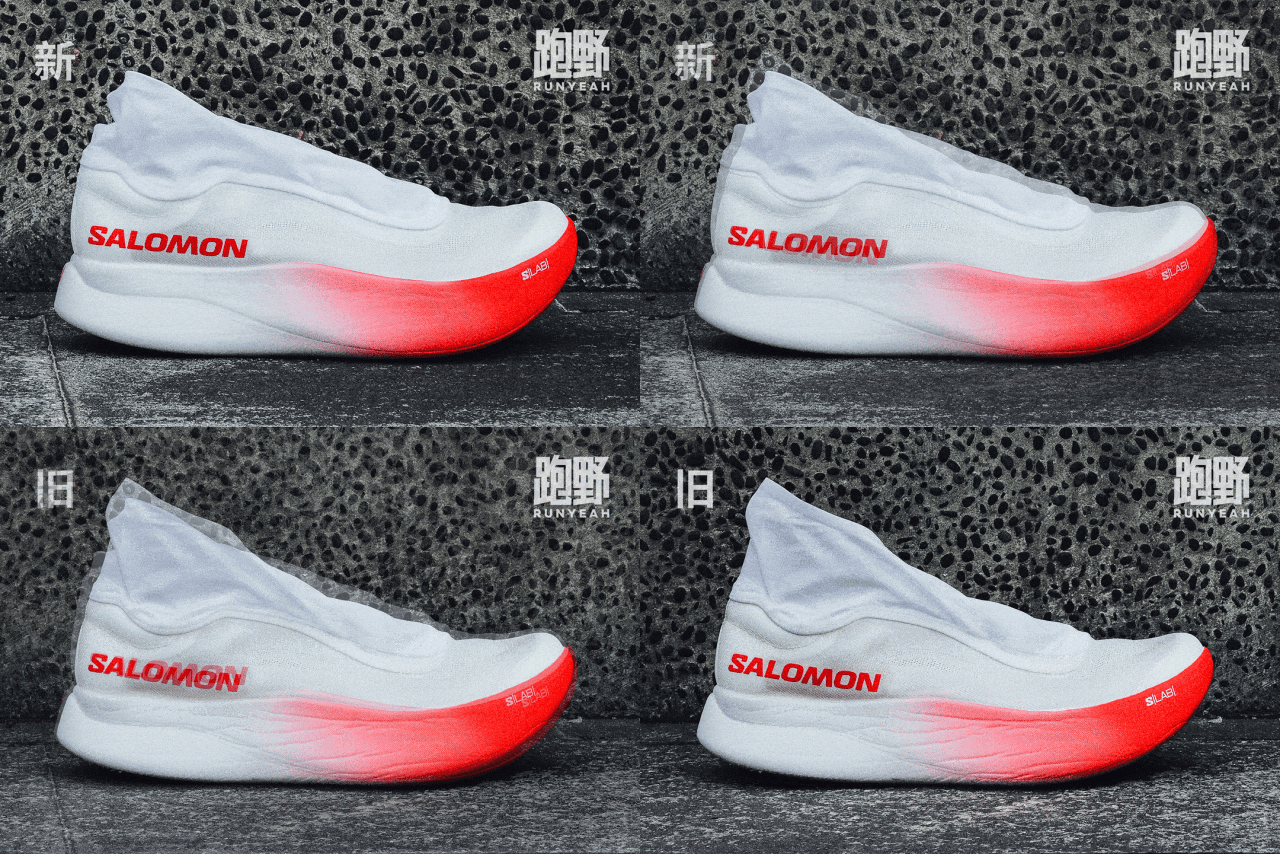
After 33 km the average pace was 4:15 and he ran the final 3 km at 3:30. After taking the shoes off there were no pressure marks or hotspots; the boat-shaped last and seamless upper deserve much of the credit, and the post-long-run comfort is commendable.

At the end of the 100-kilometer test, Zhao had a clear verdict on the S/LAB Phantasm 3. “It's not a do-everything shoe, nor is it one only elite runners can handle. Achieving industry-leading lightness and propulsion while lowering the skill threshold to use it is rare.”
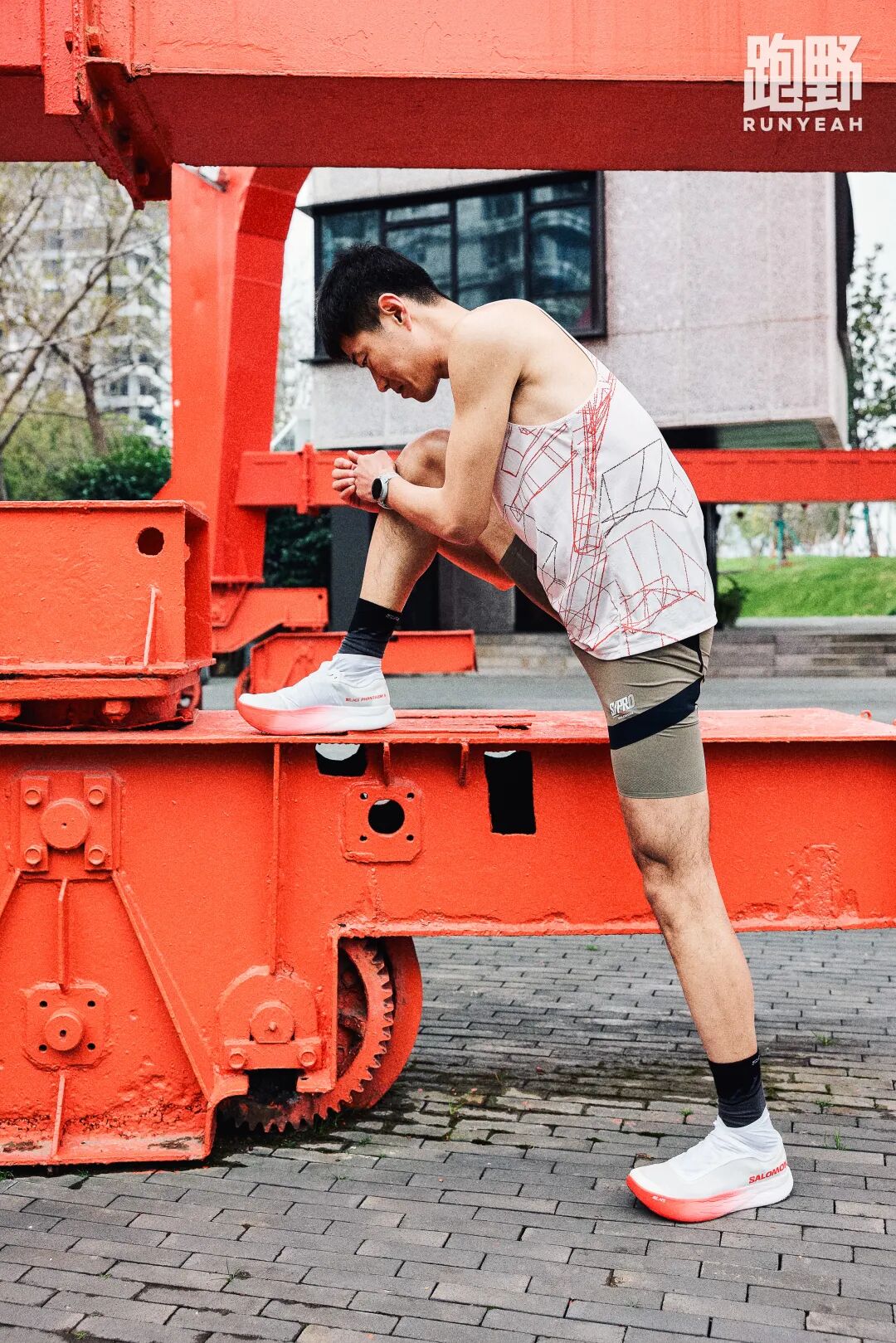
Of course, the shoe's strengths don't end there. At 176 g it feels almost absent; the carbon plate is tuned precisely rather than aggressively; cornering stability is excellent; and the rebound and propulsion hold up well in the latter stages. If grip could be further optimized, that would be even better.
Many runners have long associated SALOMON with trail-running dominance. Now with the arrival of the S/LAB Phantasm 3, SALOMON sends a strong message that making road-running shoes is not a side project—it's ambitious.

Collaborating with SWISS SIDE to bring in F1-level aerodynamics, repeated wind-tunnel refinement, and continuous evolution based on athlete feedback—every step reflects technical accumulation and R&D strength. The upper-locking techniques and understanding of complex terrain developed in trail running are cleverly translated into the road shoe design, and the addition of aerodynamics gives the shoe an unseen competitive edge.
Instead of running against the wind, let the wind run for you. Put on S/LAB Phantasm 3 , this is SALOMON's answer to runners.