
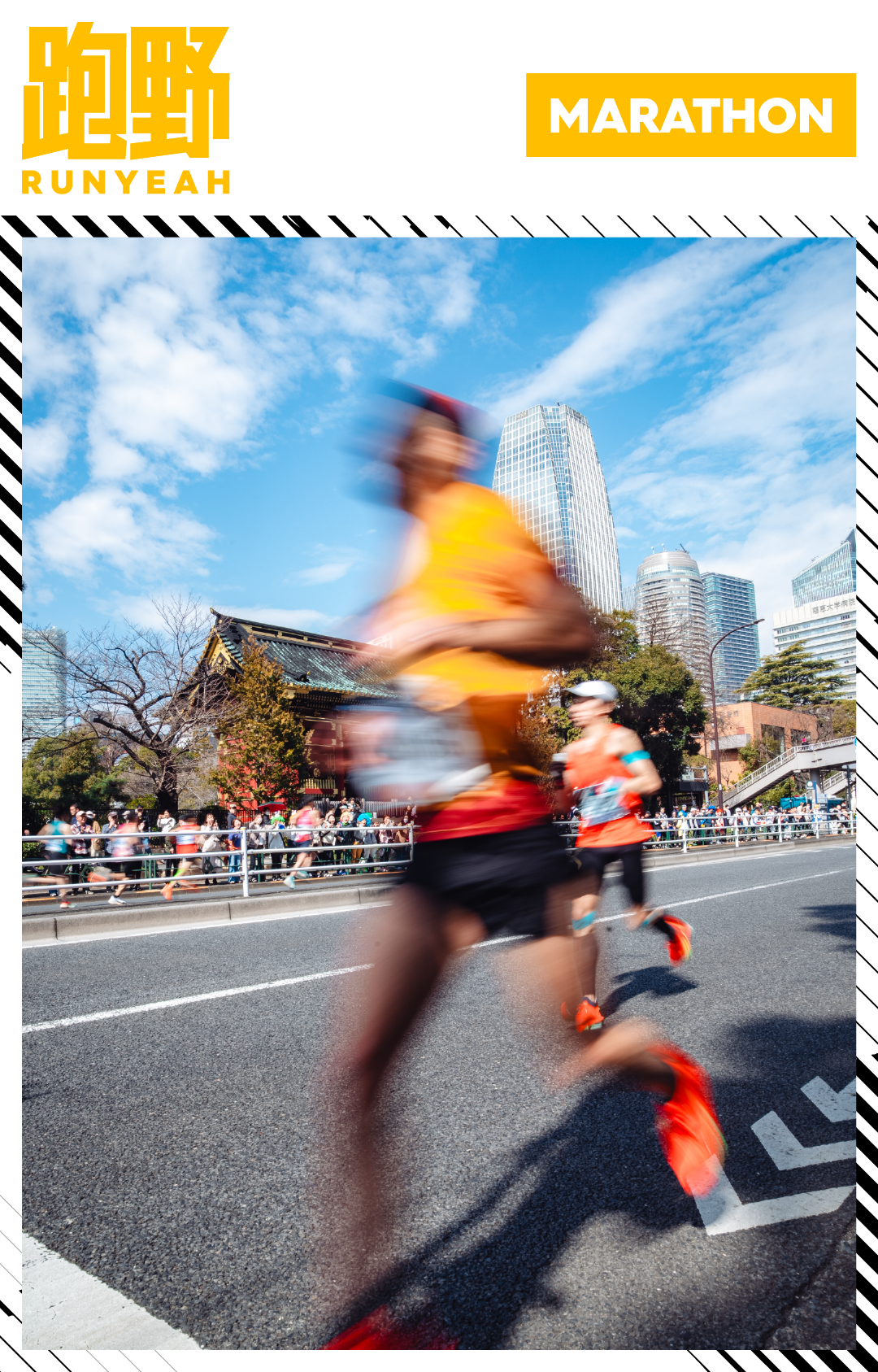
The marathon is not only a contest of muscle and will; it is also a precise duel between human thermodynamics and atmospheric dynamics.
Less than 36 hours remain until the start of the 2026 Tokyo Marathon.Based on global high-resolution meteorological model data as of February 27, the weather conditions on race day, March 1, present a fascinating complexity:it is neither2024 as perfect as 2024, nor is it2025 that brutal.
For38,500 runners about to line up at the Shinjuku start line, this race will be a stern exercise in managing body temperature and pacing strategy.
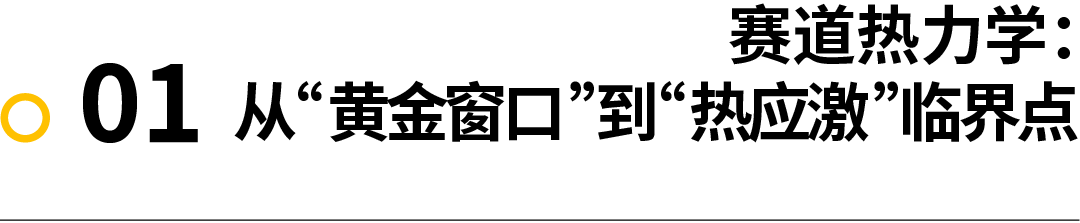
According to the latest weather forecast, race-day temperatures will show a pronounced upward curve, with the predicted range between 8°Cto15°C between. That may seem like a comfortable range, but for marathon athletes pushing the limits, small temperature differences can alter physiological and metabolic efficiency.
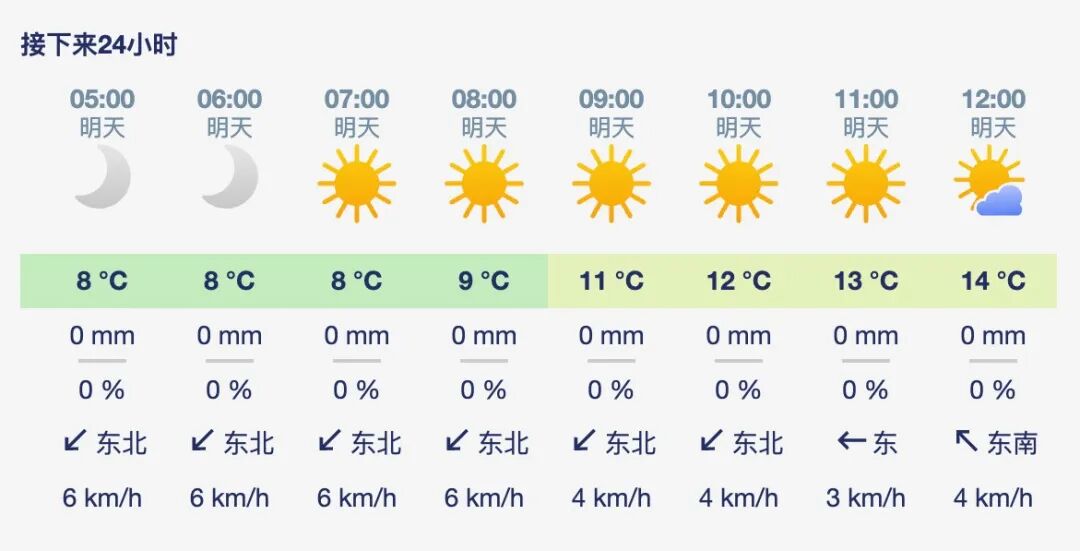
Morning9:10 (local time)At gun time, the temperature at the start in Shinjuku, Tokyo is expected to be 8°Cto10°C. This is the marathon's"golden temperature zone". In this phase, the first5kilometers——that is the section from the Tokyo Metropolitan Government Building in Shinjuku, downhill along Yasukuni-dori to Iidabashi.——will be the best window for runners to establish a pacing advantage.At this temperature the body dissipates heat most efficiently, and glycogen utilization and lactate accumulation are in an optimal balance.
However, the real test begins in the middle of the race. As the sun rises, temperatures are expected, by around11:15 AM(local time) — roughly when the elite athletes are closing in on the finish — to climb to 15°C. For mass runners, when they enter the latter stages (local time12:00-14:00), temperatures may remain at that peak.
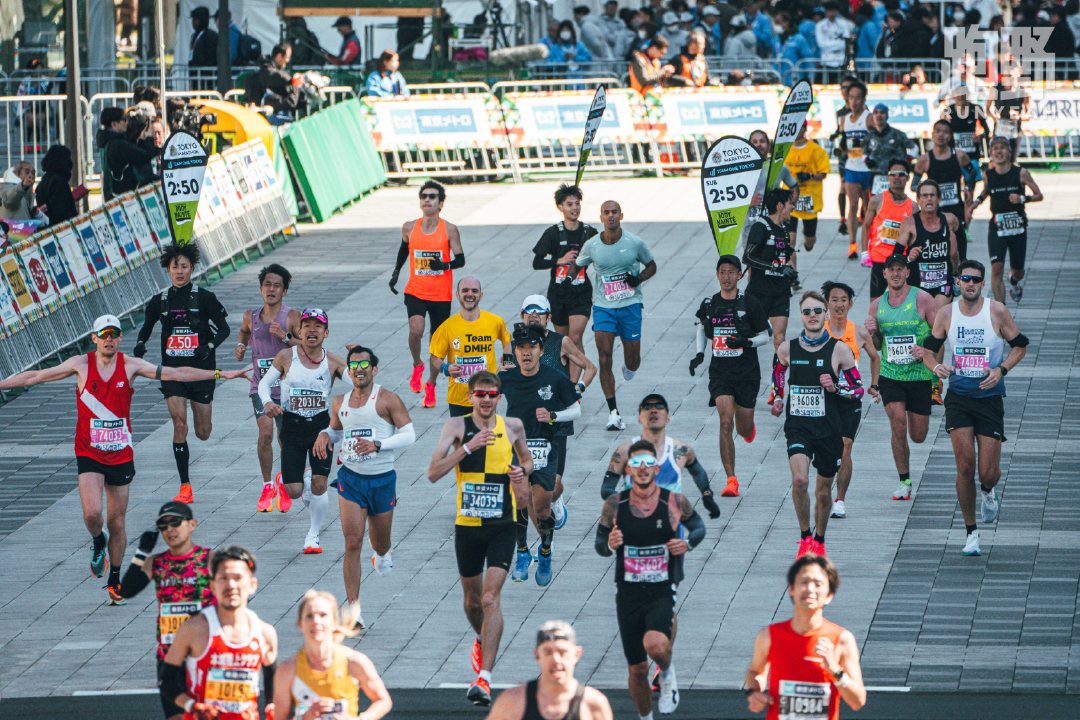
We must be wary of"15°Ctrap". Although this temperature is far lower than last year's extreme conditions, forelite runners at a 2:55/km pace, or for recreational runners chasing a PB, 15°Chas reached"mild heat stress" threshold.
In 32 km to 42 km, the final sprint phase, the cumulative effect on core temperature will be amplified. At this point, any additional radiant heat from direct sunlight can cause heart-rate drift, forcing blood from the muscles toward the skin to dissipate heat, thereby triggering a drop in pace.
Besides temperature, wind is another unseen driver.
Forecast models indicate,the prevailing wind on race day will benorth-northwest, with an average wind speed of 2.7m/s (about9.7 km/h), equivalent toBeaufort 3 light breeze.On Tokyo's course that threads through a canyon of high-rises, the effect of wind will be amplified or altered by the surrounding buildings.
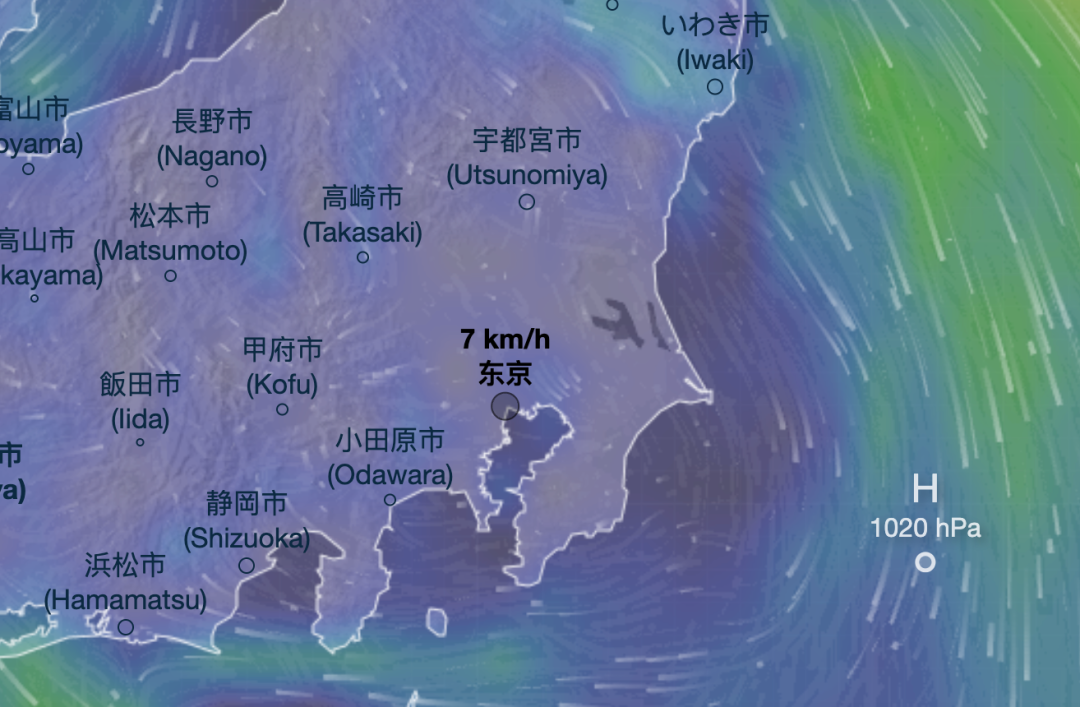
*Chart shows forecast wind speed as of 11:00 on March 1
The Tokyo Marathon course includes several complex out-and-back sections. A north-northwest wind means:
Southbound sections (such as the straight run toward Shinagawa): runners will get valuable tailwind assistance, an excellent opportunity to reduce energy expenditure and conserve strength.
Northbound return sections (for example, Kuramae Bridge to Asakusa, and the final return to the finish on Marunouchi-dori): the wind will shift to headwind.
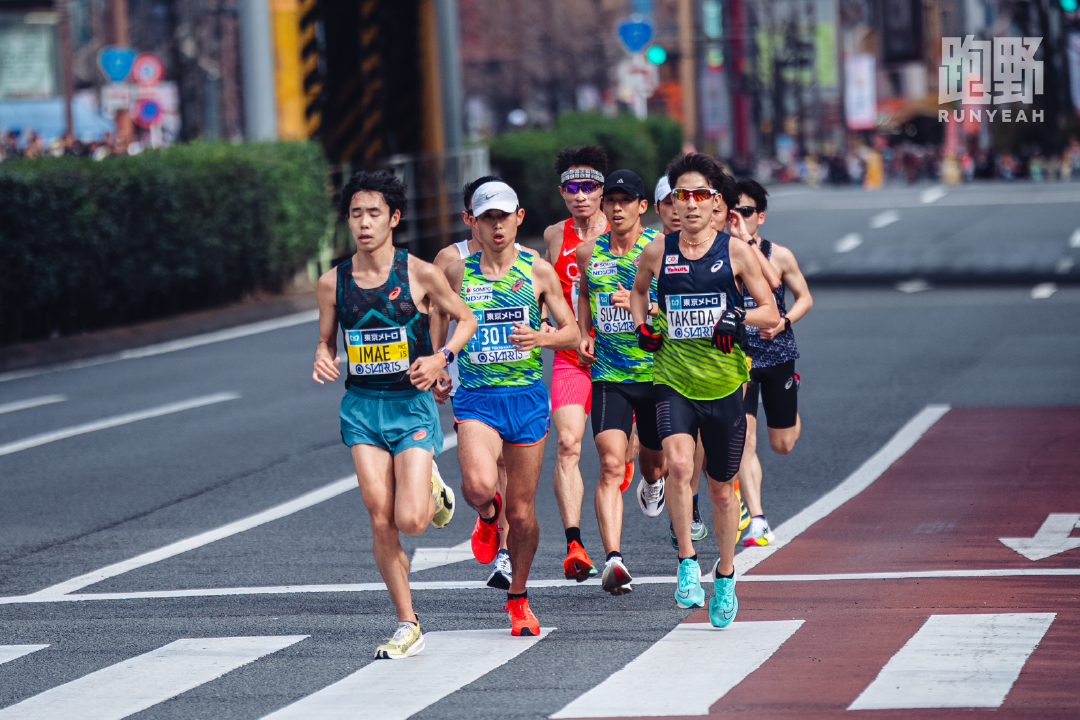
On these headwind sections,"V-formation"tactic's execution precision will determine life or death.Pace setters in the elite pack need to construct a tight drafting formation; recreational runners, if they can find a group with a similar pace to follow, can save about5-10 watts of power output per kilometer. Once you break away from the pack at the northbound turnaround and"go solo", the cost of wind resistance will directly cause a cliff-like drop in pace.
The most unpredictable variables are humidity and rainfall.
The forecast indicates that from the race afternoon to evening there is a 39% to 41% chance of precipitation, mainly light rain or drizzle. Relative humidity will fluctuate sharply throughout the day between 29% and 88% .
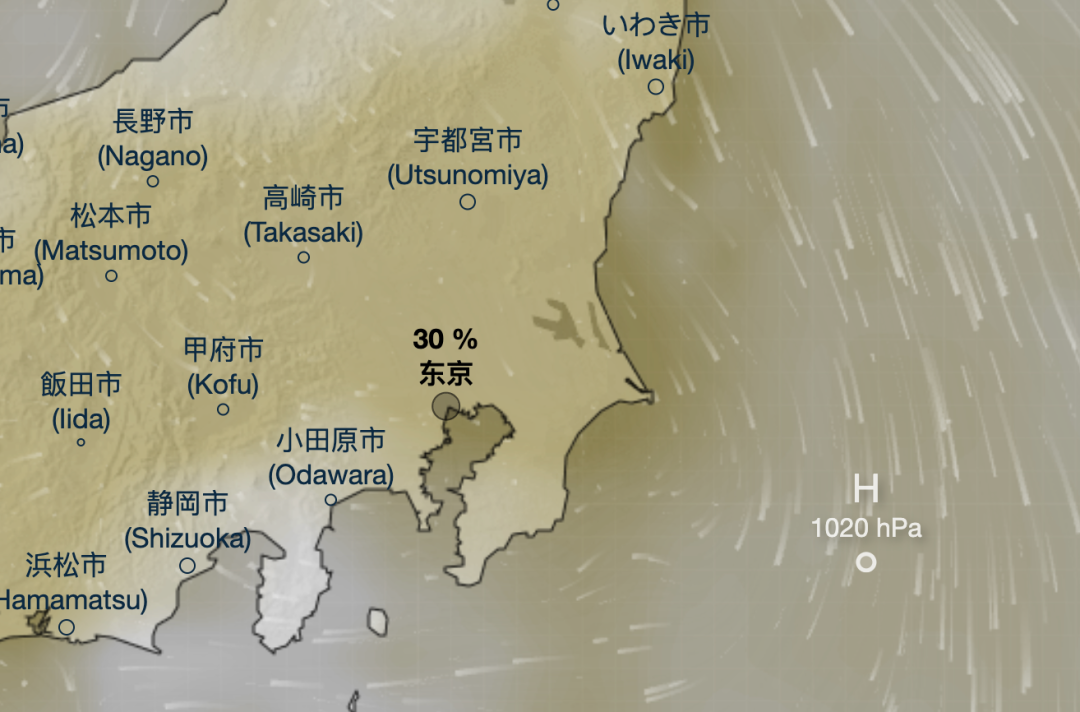
*Chart shows predicted humidity at 11:00 on March 1
Risk scenario: If relative humidity spikes sharply in the second half of the race but it does not rain, high humidity will wrap runners like a layer of cling film, blocking sweat evaporation and severely reducing the body's evaporative cooling efficiency. This"sauna day" is a marathon runner's nightmare.
Ideal scenario: if cloud cover thickens over the course (blocking UV), and precipitation remains at"a light mist" level——not enough to make the road slippery, yet able to continually carry away body heat——this would create a natural"water-cooling system".
This"light rain+overcast++10-12°C" of weather has produced countless world records. Ifaround11:00, Tokyo's skies can deliver this timely"cooling rain", combined with the flat course profile (after the5 km downhill it's almost entirely flat),2026 Tokyo Marathon is highly likely to witness a new race record.
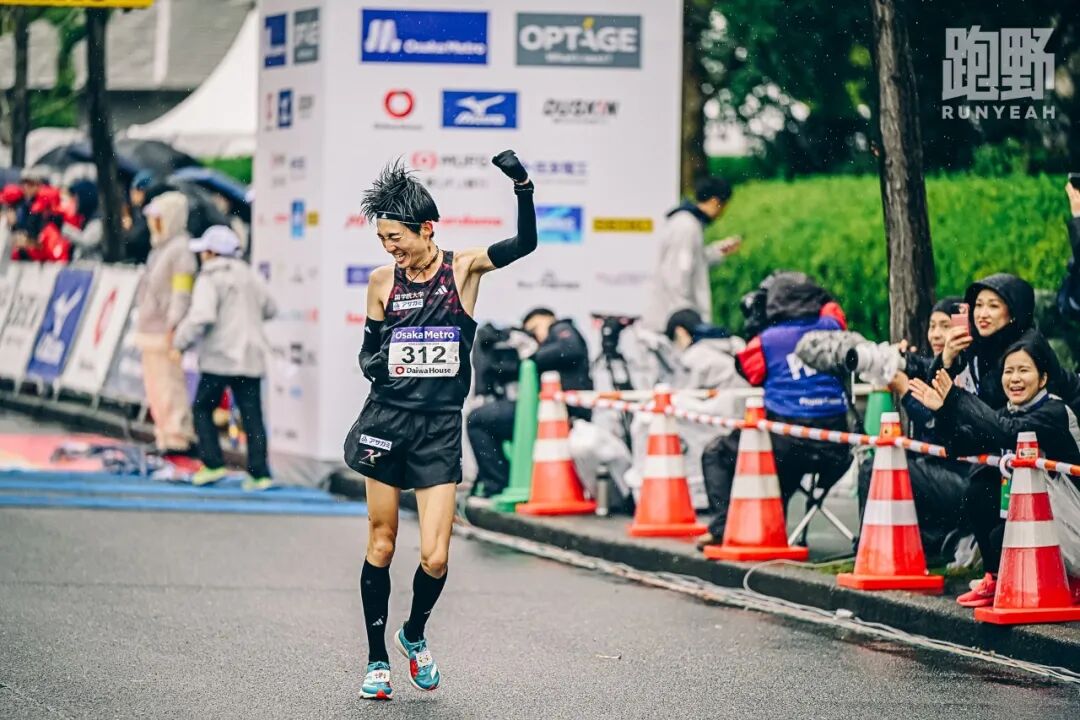
March 1, when the starter pistol sounded in front of the Shinjuku Metropolitan Government Building,38,500 runners faced not only42.195-km marathon distance, but also a precise battle with temperature, wind and humidity.On this course—the youngest on the World Marathon Majors—only those who can read the weather and execute precise heat-management strategies will be the ones left smiling on Marunouchi's cobblestones.
Wishing all runners: cool temperatures and tailwinds,PBsand no injuries.
Text:Trail Running / Editor:Trail Running