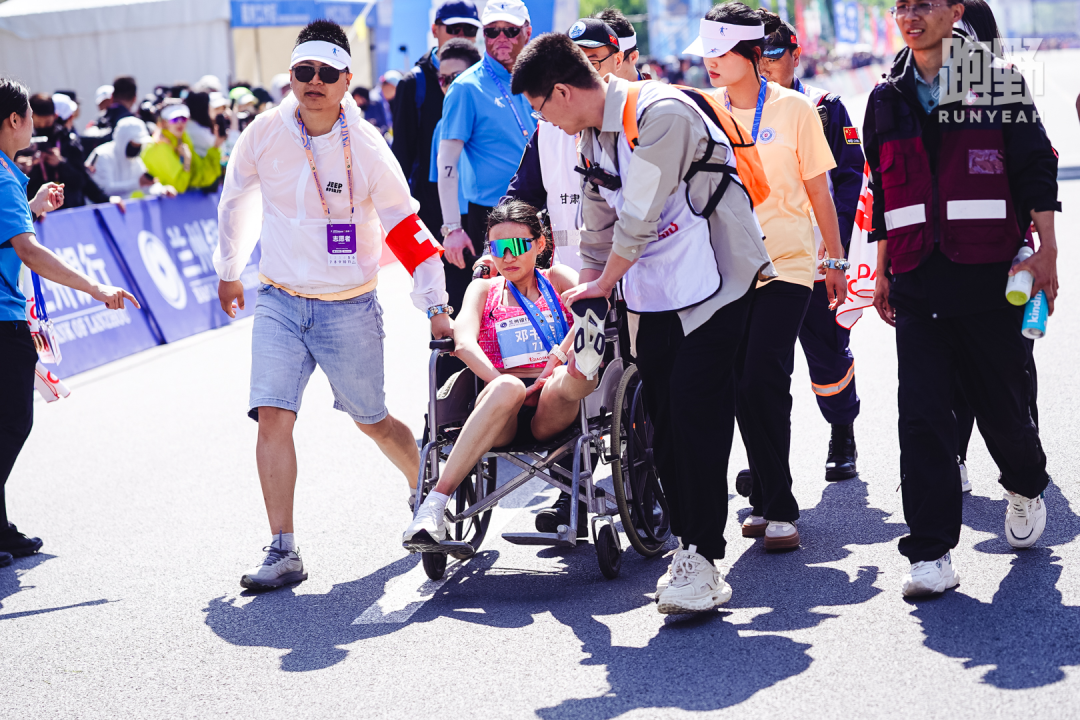
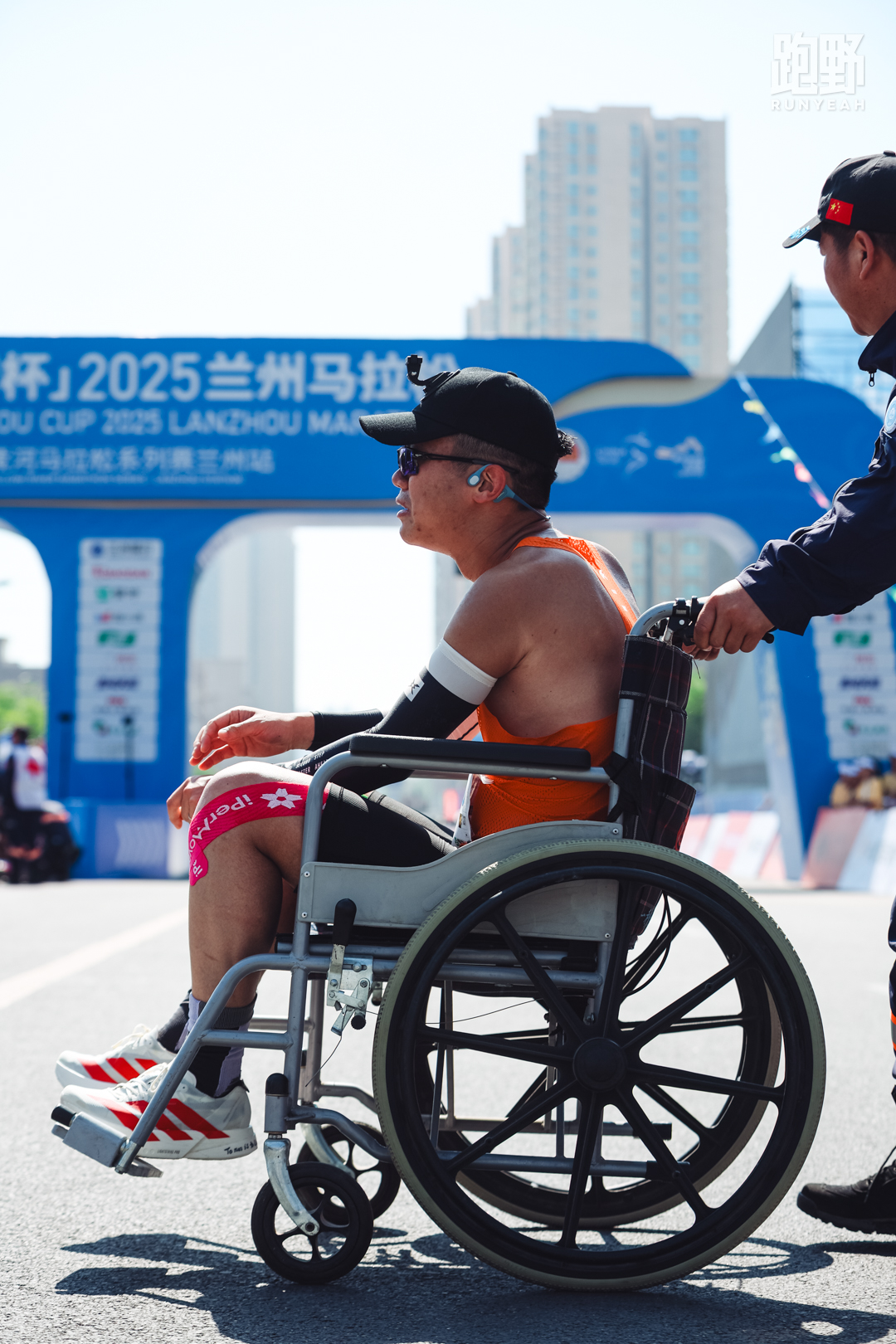
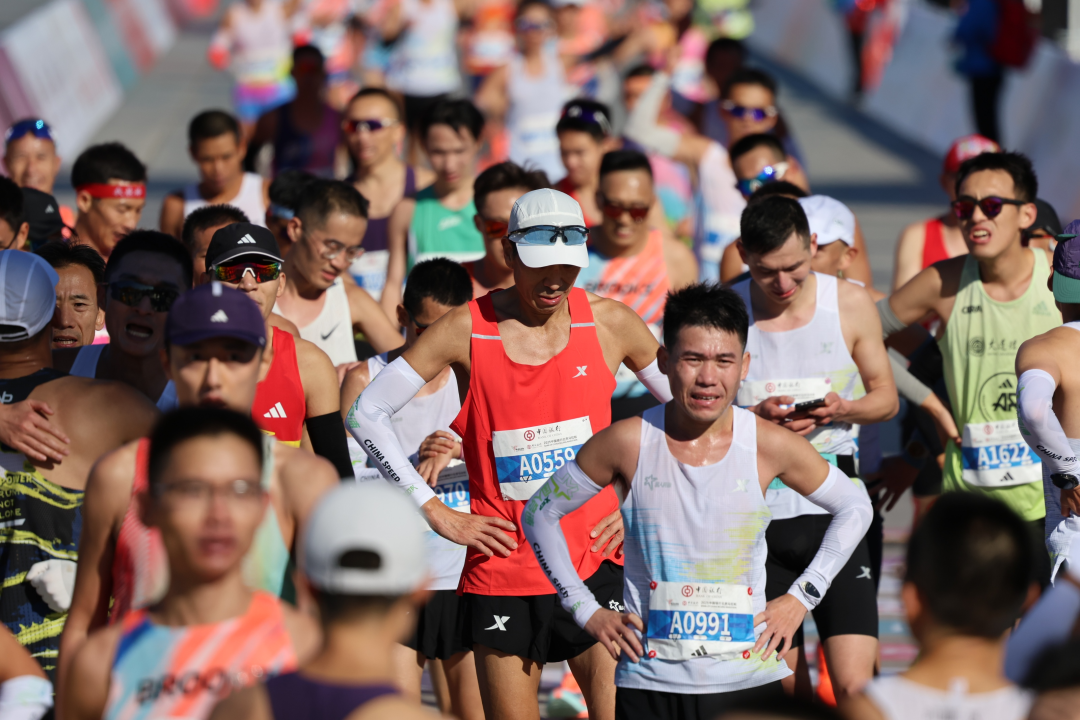
At the Chongqing Marathon that concluded on January 18,a participant collapsed not far from the finish,on-site medical staff arrived within seconds and provided aid, but he ultimately passed away. According to reports, the runner was consideredto beone of the running community's 'sub-3 gods', and he usually held himself to very high standards in his running. According to Shanghai Observer, after the incident the race organizing committee immediately activated its emergency response plan, and follow-up matters are currently being handled. You've probably heard the broad outlines of what happened, but beyond serving as a wake-up call and reminding runners that the marathon is an extreme sport, viewing the incident from the perspective of the race's medical and emergency-response system may offer additional insights. At the Chongqing Marathon, more than 4,000 runners broke three hours — something that would have been unimaginable a few years ago. Many laid-back runners (the so-called "zen" runners) can't understand the feeling of giving everything to chase a better time. Marathon is indeed a mass sport, but it's also a competitive sport; events like this can both accommodate increasingly casual participants and give seriously trained elite runners an opportunity for self-realization. We once thought our marathon events already had enough medical and emergency resources, and that if a runner had no underlying conditions and the on-site medical emergency system didn't make obvious mistakes, deaths would be unlikely — but there are always exceptions; this year’s Chongqing Marathon was one such case. There was no delay in on-site rescue at this Chongqing Marathon, but despite two on-site defibrillations the runner who suffered a cardiac arrest could not be revived. Two consecutive weeks of high-intensity racing — the Xiamen Marathon and the Chongqing Marathon both within three hours — are simply too demanding for many runners. From the perspective of race medical emergency systems, there are two aspects to consider. First, the rapid growth in the number of sub-3-hour marathoners means our race medical support needs to be improved accordingly, with fuller staffing. These runners, who set very high demands on themselves, are more likely to run into trouble when they're chasing a performance. For smaller races there weren't that many sub-3 runners, and the organizing committee's usual support system was completely adequate. But with the rapid improvement in mass marathon standards, in larger races and races with stronger entry times, runners are reaching peak arrival times much earlier than before. Ten years ago, at the 2015 Shanghai Marathon, the peak came after the 4-hour pacer, whereas now the average finish time at many races is just over four hours. In many past races there were fun runs and wellness runs, and we were used to having the support resources from those events bolster the back half of the marathon after they finished their tasks. But now that races no longer include those event categories, organizers can only set things up from the start to serve the marathon and the half marathon. Nowadays more and more runners finish within 3 hours, and runners clustered around the 3-hour mark are especially dense — this brings a new challenge for allocating on-course emergency medical resources. You can’t redeploy staff mid-race like you used to, and in some out-and-back races it’s not possible to quickly shift resources from the early sections to the later ones. That means you have to commit more resources to the later stages from the start, especially the areas immediately before and after the finish. Right now many races still don’t have enough emergency medical resources around the finish and are often overwhelmed by the large groups of athletes arriving there after they finish. At the 2024 Meishan Renshou Half Marathon, because it was held together with the Half Marathon Championships, teams such as Tibet and Yunnan raced very aggressively. Dazaxi Ciren collapsed on the course after crossing the line, and many athletes who finished soon after also looked unwell — several vomited after finishing. Amateur elites, in their search for breakthroughs, often push themselves to complete exhaustion, and after easing up past the finish they frequently remain in poor physical condition. So, these elite runners may well be the ones race medical and emergency services should prioritize in the future. Additionally, beyond the resources of the race medical system, one takeaway from the Chongqing Marathon may be that we need to equip the course with more professional emergency equipment. At this Chongqing Marathon incident, the device used for emergency treatment was an AED, namelyan automated external defibrillator. Although medical staff began professional resuscitation almost immediately, the AED doesn't always work as effectively as hoped. If you push yourself to exhaustion in a race, and the weather is hot and humid, it's difficult for the body's electrolytes to remain balanced. If you enter another high-intensity race before your body has fully recovered, the likelihood of cardiac arrest will certainly be higher. And being revived from an exhausted state is definitely more difficult than reviving someone whose body still has reserve energy. Cardiac arrest can be defibrillated with an AED, but after defibrillation the heart's return to a normal rhythm still depends on the body's own capacity. For course medical teams, what they can provide is faster defibrillation and higher-quality CPR, but the athlete's own physical condition is also crucial. Some pre-existing conditions can leave on-site rescuers helpless, and heavy drinking before the raceincreases the difficulty of treatment, and pushing oneself until completely drained can similarly render medical staff powerless. Sometimes,after defibrillation the heart may actually have been restored, but because the athlete is so weak there is almost no sign of life — the AED may not even indicate a successful shock. Some events have ECMO(extracorporeal membrane oxygenation)团队,或者准备一些 ECMO 救护车,on-site able to provide ECPR(即emergency resuscitation using ECMO technology)支持的话,may allow athletes who would be unable to be successfully resuscitated by traditional emergency measures a better chance of survival.Because ECMO can provide temporary respiratory and circulatory support to patients with cardiopulmonary failure, reducing strain on the heart and lungs, whereas an AED, as noted earlier, cannot directly support the restoration of cardiopulmonary function. Advanced life support can do far more than on-site first responders, so in addition to first-line responders' earlier use of AEDs and provision of higher-quality CPR, what kind of advanced life support the race medical team can provide is also very important. As the medical emergency support for races, it is still necessary to adapt as much as possible to the pace of China's marathon development and continuously update one's understanding. Making races safer is something both event organizers and runners are happy to see. Text:MaXiaoxiao/Editor:Meng MengImage:Trail Running Big Bang/Visual:ai