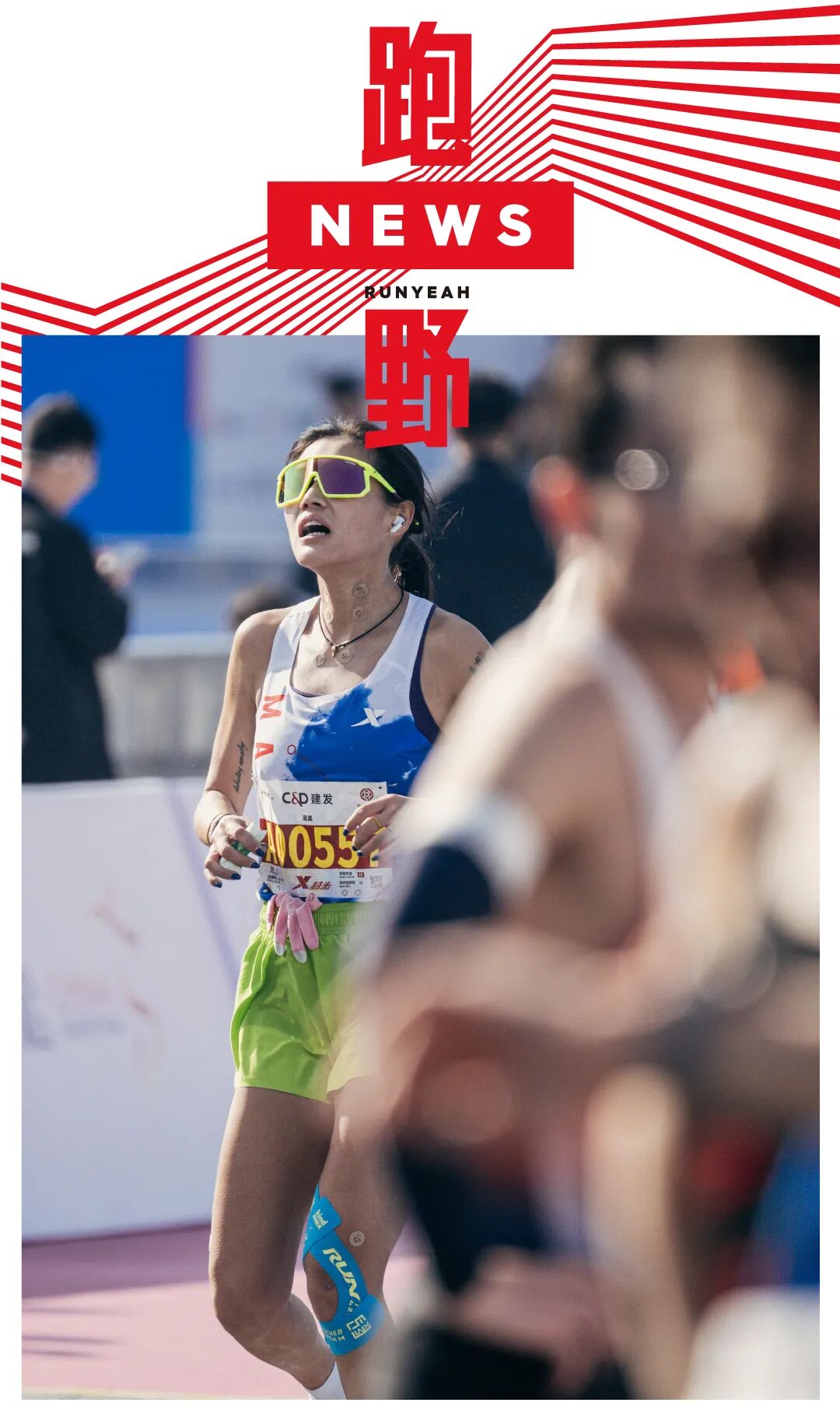
Although the 2026 Xiamen Marathon has concluded, another controversy that unfolded on the course continues to simmer. The two central figures are mass-elite runner "Da Zheng" (Wang Lianzheng) and his friend Zhou Hao, the latter of whom ran 2 hours 41 minutes 15 seconds at this year's Xiamen Marathon, finishing as the eighth-ranked domestic woman.
However, behind that result, Da Zheng's repeated handing of water to and pacing alongside Zhou Hao during the race has ignited fierce debate over "illegal pacing" and "unfair competition."
The Organizing Committee's Competition Department, based on race videos and photos and in accordance with the competition rules and regulations, has made the following disciplinary decisions regarding the athletes below:
Zhou repeatedly and consecutively accepted drinking water handed by Wang, which violated the relevant provisions on competition methods in the 2026 C&D Xiamen Marathon Competition Regulations, namely World Athletics' "2025 Competition and Technical Rules," andthe Organizers cancel Zhou's result and ranking in the 2026 C&D Xiamen Marathon.
Wang Mouzheng repeatedly handed drinking water to Zhou Mou during the race, violating the competition procedures of the 2026 C&D Xiamen Marathon related to competition methods—that is, World Athletics' 2025 Competition and Technical Rules,Wang Mouzheng is hereby publicly reprimanded.
The result is out, and all we can say is that the elite runners should take this as a lesson. We believe Zhou Hao may simply have been trying to chase a PB in the race, and Da Zheng, though well-intentioned, did harm—trying to help a friend achieve a breakthrough, he unintentionally violated the rules.
But the unchangeable fact is that both of the athletes in the spotlight lacked an understanding of marathon rules. And it's not only amateur runners—many professional athletes also do not always fully understand them. For the sport of marathon running, then, beyond running fast, running more correctly according to the rules is a key issue.

On the marathon course, privately pacing throughout the race and handing out water is not an isolated occurrence, but it is mostly concentrated among recreational runners whose goals are often to “break three hours” or “get a PB”. When the central figure in such an incident is an elite on the race scene, the problem gets amplified. Of course, this is not only a doubt cast on a particular athlete, but also a question about the rules in China’s era of mass competitive marathoning.
Is handing out water completely prohibited in marathon racing? According to World Athletics' Competition Rules, the latest Technical Rules' Article 6.3 (formerly Rule 144):Athletes may receive or pass on refreshment provided by official stations. In other words, if athlete A picks up a bottle at a feed station and hands it to athlete B, that action in itself is not a violation.
For example, occasional mutual aid or sharing an extra bottle of water can be understood. Like in Valencia last year, when Jepcheche shared her water with rival Jepkosgei, it was instead a display of sporting spirit.
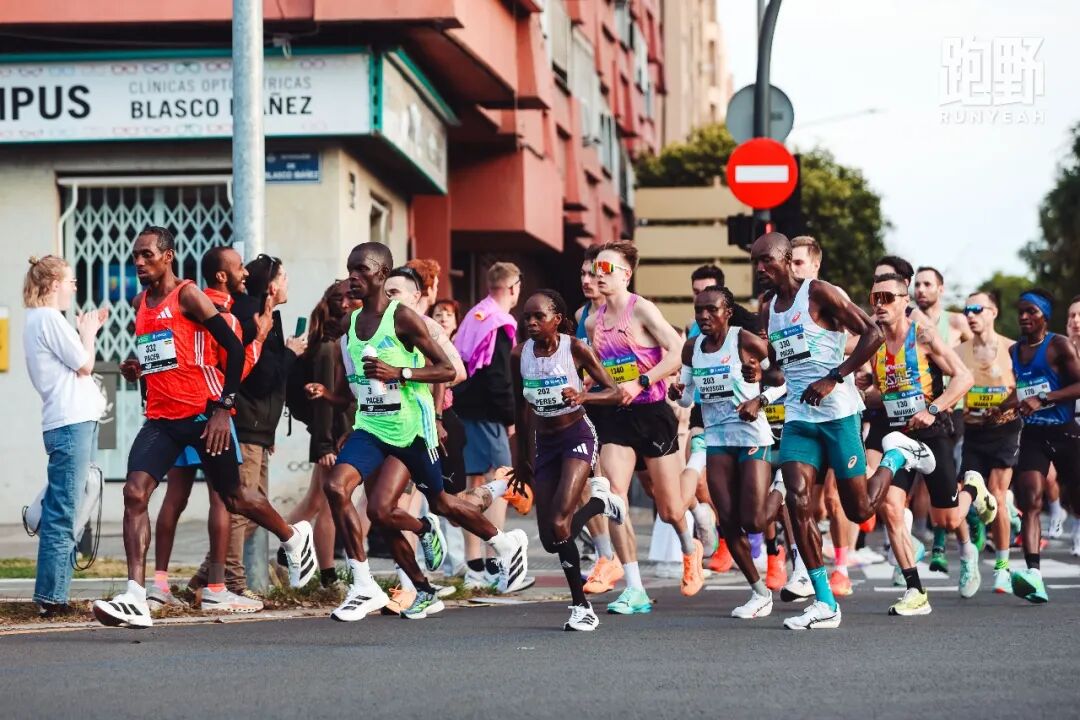
However, when one athlete provides sustained support to another, the nature of the action changes. That is considered unfair assistance.
In video captured by runners, Dazheng repeatedly (some reports say 8–9 times) entered the official aid station, personally grabbed water or drinks, and then handed them to Zhou Hao beside him. Under this comprehensive assistance, it must be acknowledged that Zhou Hao conserved energy and avoided disruptions to his race rhythm. Compared with the female athletes who were running alone and had to fight for water at the station, Zhou Hao was indeed the one who benefited.
Some runners might bring up Klaus-Henning Schulke, the famous water carrier who accompanied Eliud Kipchoge when he broke the world record — why was Kipchoge allowed to be handed drinks?
That's because at events like the World Marathon Majors, the Olympic Games and the World Championships, top athletes can apply before the race for a "personal feed station," where race staff or team-registered personnel hand over supplies at a designated, marked location. In fact, athletes including Bekele and Kiptum have had similar arrangements.

There may be voices of sympathy among recreational runners, but we need to point out that as amateur runners' level gradually rises, or rather as the boundary between professional and amateur athletes becomes increasingly blurred, defining the rules becomes especially important.
When an athlete already possesses elite-level ability and appears in a high-profile race, then they should no longer use the mindset of an 'ordinary mass participant' to consider issues or their way of racing.
From the trend in domestic marathons we can see that over the past year Chinese athletics' emphasis on event organization and rules has reached a new height. The formalization of the marathon is an inevitable trend. Platinum-label races like the Xiamen Marathon and the Shanghai Marathon have opened pre-elite sections. This is good for elite runners, but from another perspective it also places higher demands on those runners who are about to step into the elite ranks.
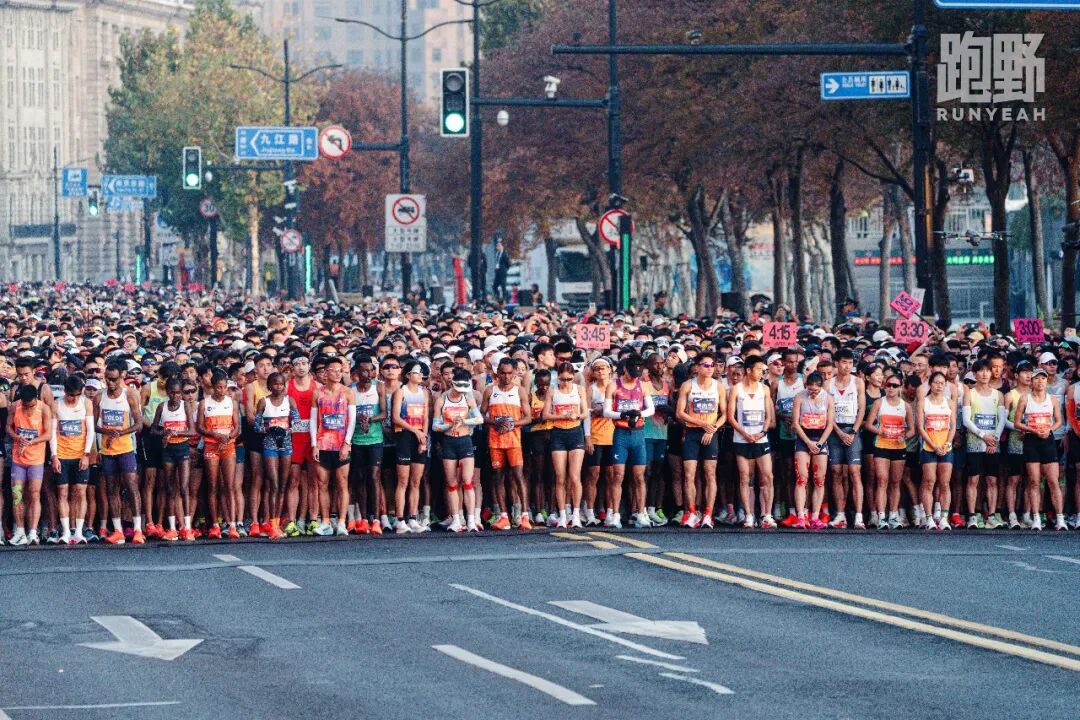
From the perspective of the marathon itself, ensuring the fairness of competitions is a critically important task, which is why there are both women's world records and women-only world records in the women's marathon—because even World Athletics is well aware of how much having male pacers can affect the final times.
For a single-athlete sport like the marathon, if sufficient fairness and impartiality cannot be guaranteed, the sport could gradually turn into a "team battle"—the eventual winner might not be the fastest runner, but rather a member of the strongest team.
Sometimes we must admit that fast elite runners are not necessarily the people who know the rules best, and many outcomes are unintentional. I hope this incident gives all elite athletes something to think about—it has undoubtedly given all Chinese runners a vivid lesson in the rules, before the starting line, first understand and respect the rules.