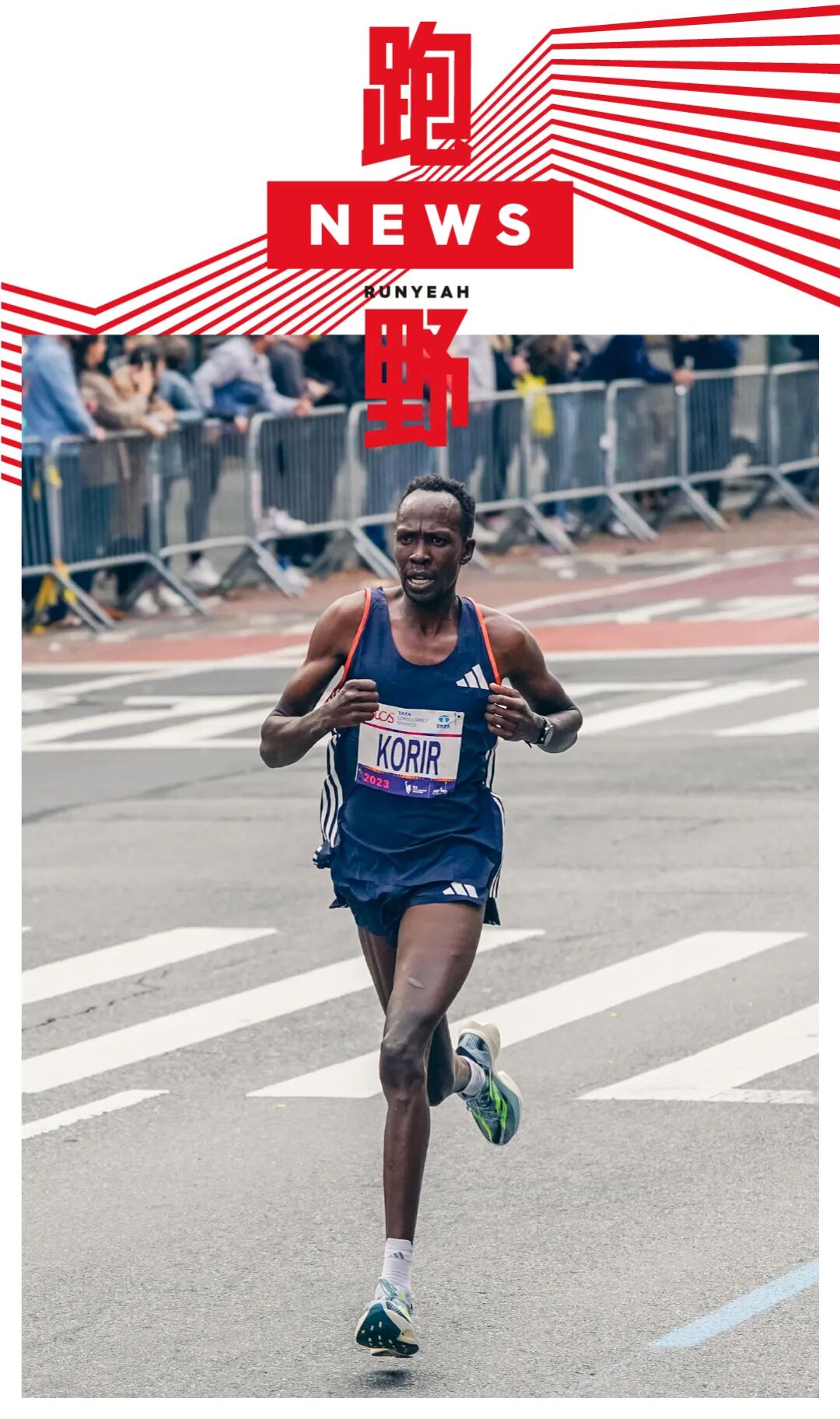
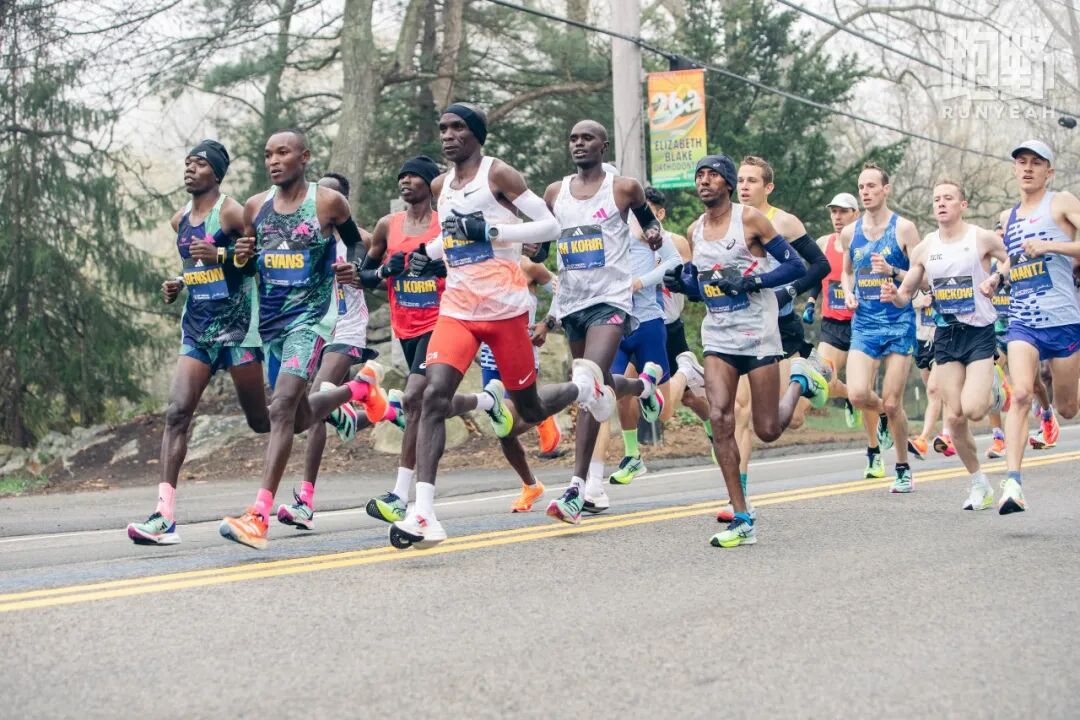
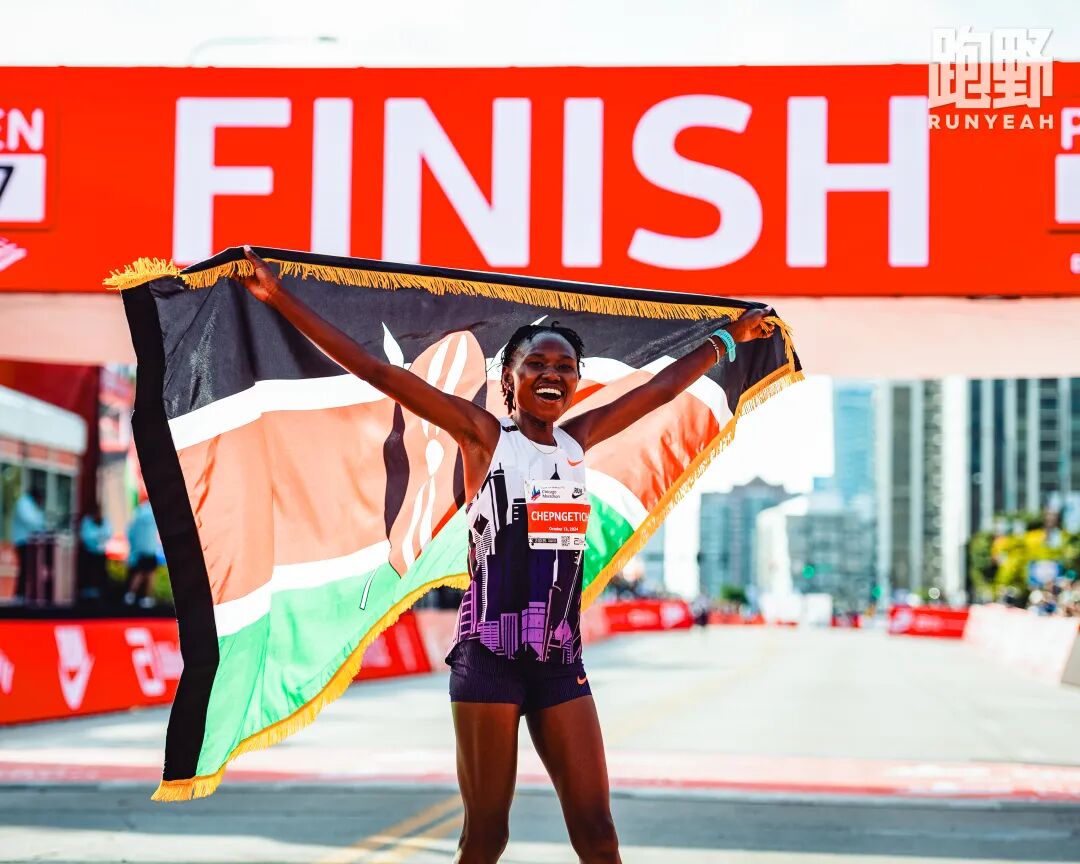
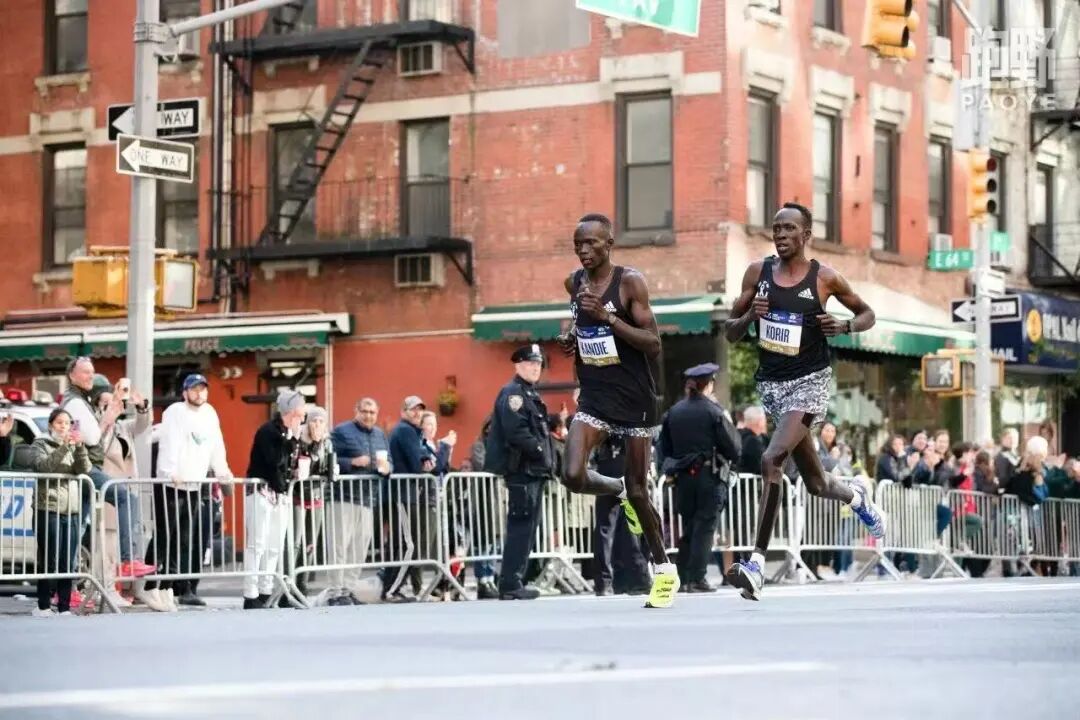
The Athletics Integrity Unit (AIU) on January 12, 2026 formally announced that Kenyan distance star Albert Korir, the 2021 New York Marathon champion and 2019 / 2023 New York Marathon runner-up, has been placed under provisional suspension for alleged use of prohibited substances (Provisional Suspension). The news has cast a large shadow over the career of the long-distance star and adds further strain to Kenya’s already embattled long-distance running community. According to information released by the AIU, Korir’s doping sample tested positive for CERA (Continuous Erythropoietin Receptor Activator). CERA may be an unfamiliar term to recreational runners, but in anti-doping it is regarded as a third-generation form of erythropoietin (EPO). It is a synthetic form of EPO whose primary mechanism is to stimulate the bone marrow to produce more red blood cells. As is well known, red blood cells are the main carriers for transporting oxygen in the blood. For the marathon, a sport that heavily relies on aerobic endurance, an increase in red blood cells means a significant improvement in the blood’s oxygen-carrying capacity, which can greatly delay the onset of fatigue and enhance an athlete’s endurance performance. Compared with traditional EPO, CERA has a longer half-life, meaning it acts in the body for a longer period and is relatively harder to detect. Korir’s positive test undoubtedly crosses the most fundamental line in competitive sport. 31-year-old Albert Korir is not an unknown — he has been one of the most familiar faces on the world marathon majors in recent years, especially on the two top courses of the Boston Marathon and the New York City Marathon, where he has shown remarkable consistency. Looking back on his career, his brightest moment was undoubtedly 2021. At that year's New York City Marathon, Korir won in 2:08:22, reaching the top of the world long-distance podium. However, his strength was not a one-off.According to official records, his record at the New York City Marathon is remarkable: in addition to the 2021 victory, he also stood on the podium in 2019, 2023, 2024, and the just-past 2025. Beyond his dominance in New York, his performances at the Boston Marathon have been very steady: sixth in 2022, fourth in 2023, and fifth in 2024. He is also a two-time Ottawa Marathon champion and won the Houston Marathon in 2019. His personal best (PB) of 2:06:57 was set at the 2023 New York City Marathon. The announcement of this suspension forces people to reassess his recent result at the November 2025 New York City Marathon. In that race, Korir finished third in 2:08:57, just one second ahead of fourth-place Briton Patrick Dever. At present, it is unclear whether Korir's past results — particularly his recent New York City Marathon third-place finish — would be annulled if the alleged violation is ultimately confirmed. Under AIU policy (Article 7.4.4), Korir is currently provisionally suspended pending a final sanction decision, but he has the right to appeal and defend himself. Until the final investigation outcome is released, legal uncertainties remain. Korir's case is no longer an isolated incident but a continuation of a series of recent doping scandals in Kenyan athletics. Just a few months earlier, in October 2025, women's marathon world record holder Ruth Chepngetich tested positive for the diuretic HCTZ and was handed a three-year ban. The world record holder's fall from grace sent shockwaves through the global running community at the time. These incidents have not only damaged the athletes individually but have put the credibility of the Anti-Doping Agency of Kenya (ADAK) on shaky ground. The World Anti-Doping Agency (WADA) declared ADAK "non-compliant" last September. Although a month later, due to signs of remediation from the Kenyan side, it was moved to the "watch list," rebuilding trust will clearly take a long time. Authoritative sports outlet The Sports Examiner revealed a set of startling figures on January 5 this year, exposing a grim reality for Kenyan athletics: on the current list of "ineligible persons" serving AIU suspensions, Kenyan athletes top the rankings. Of the 683 sanctioned athletes in total, as many as 140 are from Kenya, accounting for 20.5% of the global total. For comparison, India follows closely with 137 athletes suspended; Russia, long plagued by doping issues, ranks third with 75; while athletics powerhouse the United States currently has only 15 athletes on the suspension list. Worryingly, Korir is not the only Kenyan recently suspected of using CERA. This powerful banned substance appears to be resurging in certain circles. In September 2025, another Kenyan, Cornelius Kibet Kiplagat, was handed a five-year ban after testing positive for both CERA and EPO; in June of the same year, Daniel Kinyanjui received a five-year suspension for a CERA positive and biological passport violations. The provisional suspension of Albert Korir is a heavy blow to the world marathon community. As a perennial winner of the World Marathon Majors, his name once represented the honor and strength of Kenyan long-distance running. However, the presence of a high-end banned substance like CERA indicates that methods of doping are becoming more covert and technologically sophisticated. For Kenyan athletics, when more than one-fifth of the global suspension list is made up of athletes from one country, this is no longer an individual moral failing but a systemic crisis. Although Korir is currently only under a provisional suspension and has the right to appeal, this incident undoubtedly rings the alarm again: in the pursuit of pushing human speed limits, maintaining the integrity of fair competition is a grave issue all stakeholders must confront.
Text: 跑野大爆炸 /Editor:xiaocaiPhoto:Trail Running Big Bang/Visual:Five-Year Trainee