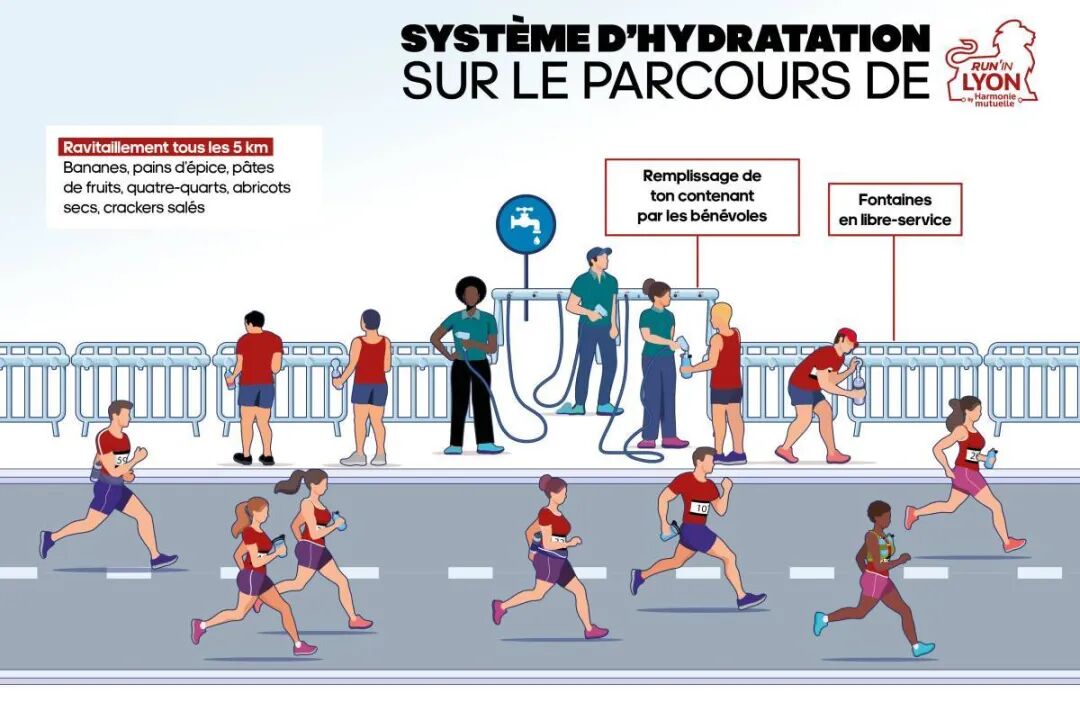
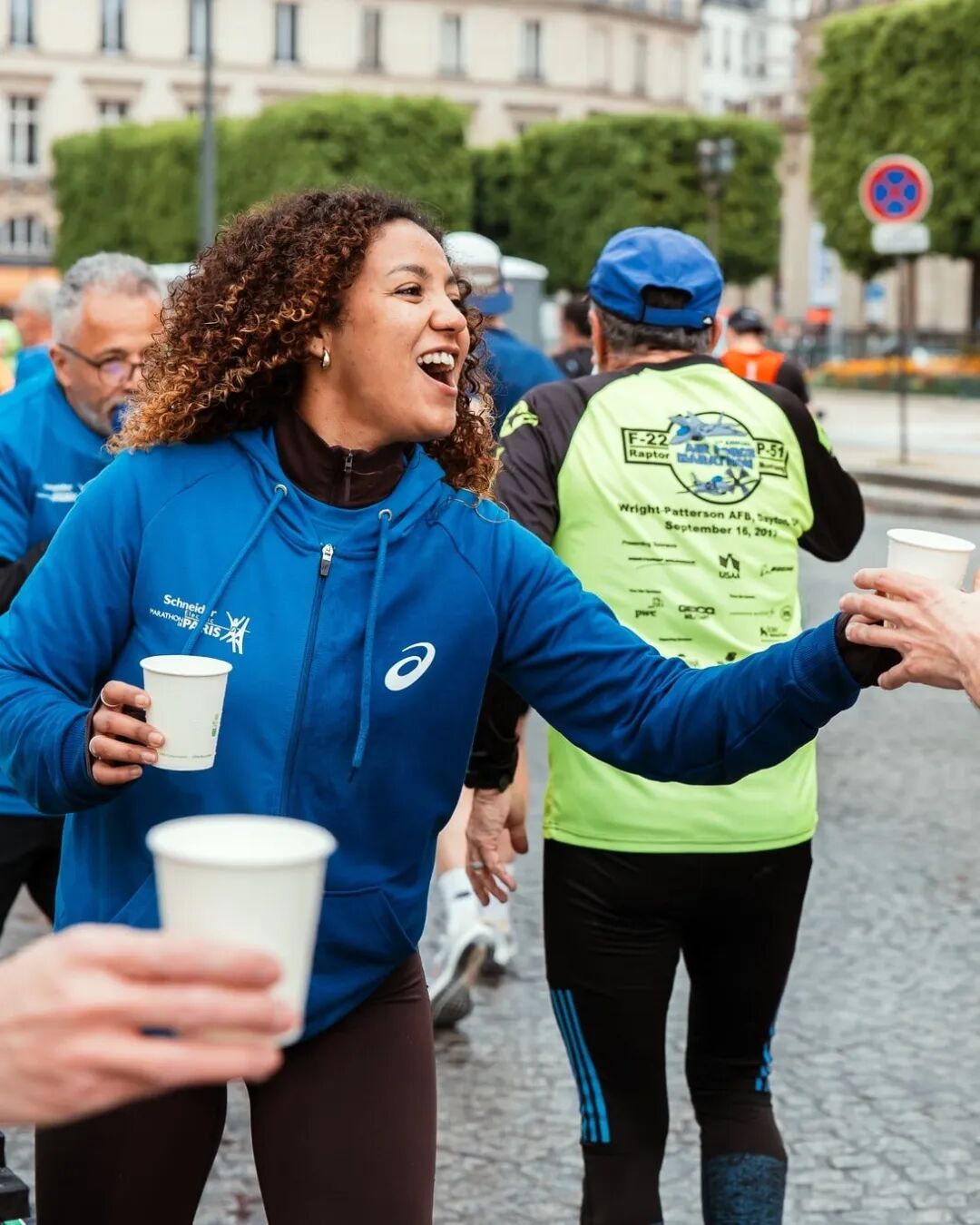
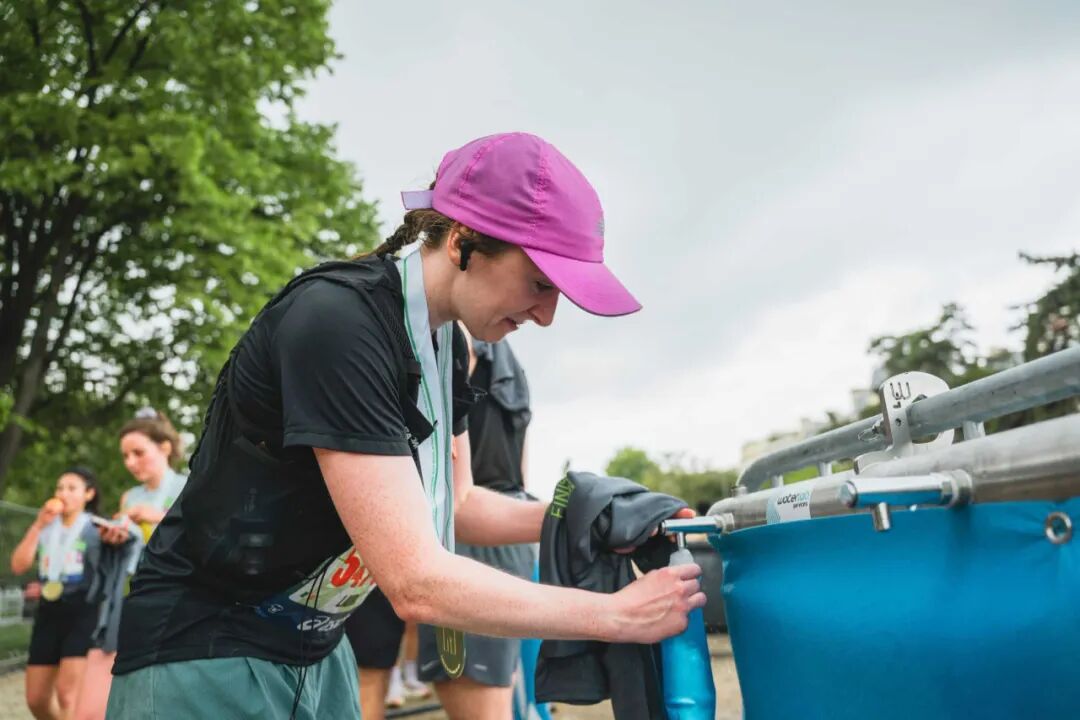
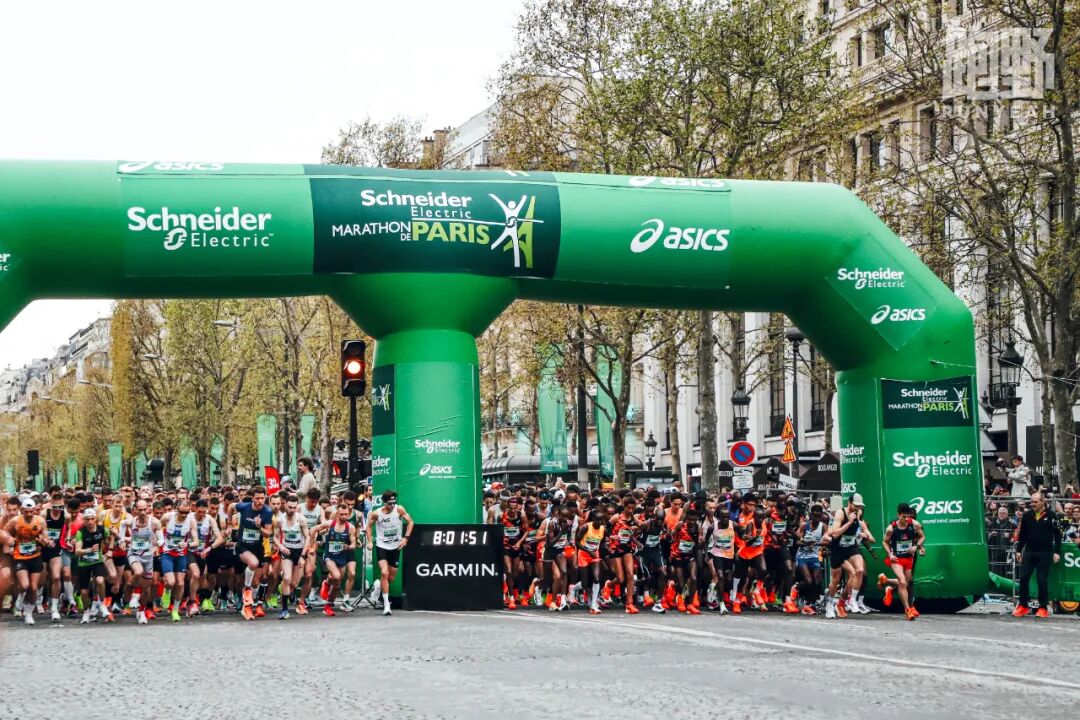
Recently, the Paris Marathon organizer, the French Amaury Sport Organisation (Amaury Sport Organisation, ASO), announced that,starting in 2026, aid stations will no longer provide plastic bottles or paper cups, and all participants must bring their own hydration containers, such as soft flasks, collapsible cups, or hydration bladders. This is the world's first marathon to completely eliminate single-use aid items at such a large-scale event, and a historic sustainability experiment for road running events worldwide. In fact, as early as 2024 the Paris Marathon had removed plastic bottles and switched to paper cups as a transition; the 2026 'no cups, no bottles' model will allow this world-class event, which has more than 55,000 finishers, to fully say goodbye to single-use aid items. The organizers hope this will reduce waste, lower the event's carbon footprint, and guide more large-scale sporting events toward a green transformation. To ensure aid efficiency and the athlete experience, the organizers have comprehensively upgraded the hydration system. The new high-flow push-button hydration devices can fill a runner's 350–400 ml soft flask in two seconds, and volunteers will also assist with rapid refills. The number of aid stations will be significantly increased, especially after the halfway point, with a water station every 2 to 2.5 km to prevent congestion and queuing. This system was first field-tested at the Lyon Marathon on October 5 this year, providing data and experience for the Paris Marathon's official rollout. Besides the hydration reform, the 2026 Paris Marathon will also introduce a "green option" at the finish:runners can choose to forgo receiving the traditional finisher T-shirt and instead fund the planting of a tree.ASO says this move is intended to make environmental action more than rhetoric, and to become something runners can genuinely take part in. Since signing the French Charter for Major Sustainable Events in 2017,ASO has continuously advanced the green event concept, including reducing waste and energy consumption, encouraging public transport use, and promoting diversity and inclusion in events. The Paris Marathon is one of the most representative races within this framework. In trail running, athletes bringing their own hydration gear has long been the norm; in city marathons, this practice is unprecedented. For many road runners, this is not only a change of habit but also means they will need to familiarize themselves with their kit and plan hydration strategies during training. As the organizers say: "Every second matters, but every drop of water is equally precious." The 2026 Paris Marathon will be a focal point for the global road-running community. An experiment in environmental action, efficiency, and habit change is set to play out along the Seine next year.
Text: xiaocai /Editor:xiaocai Images:Trail Running Explosion&News Official Website/Visual:Five-Year TraineePractitioner