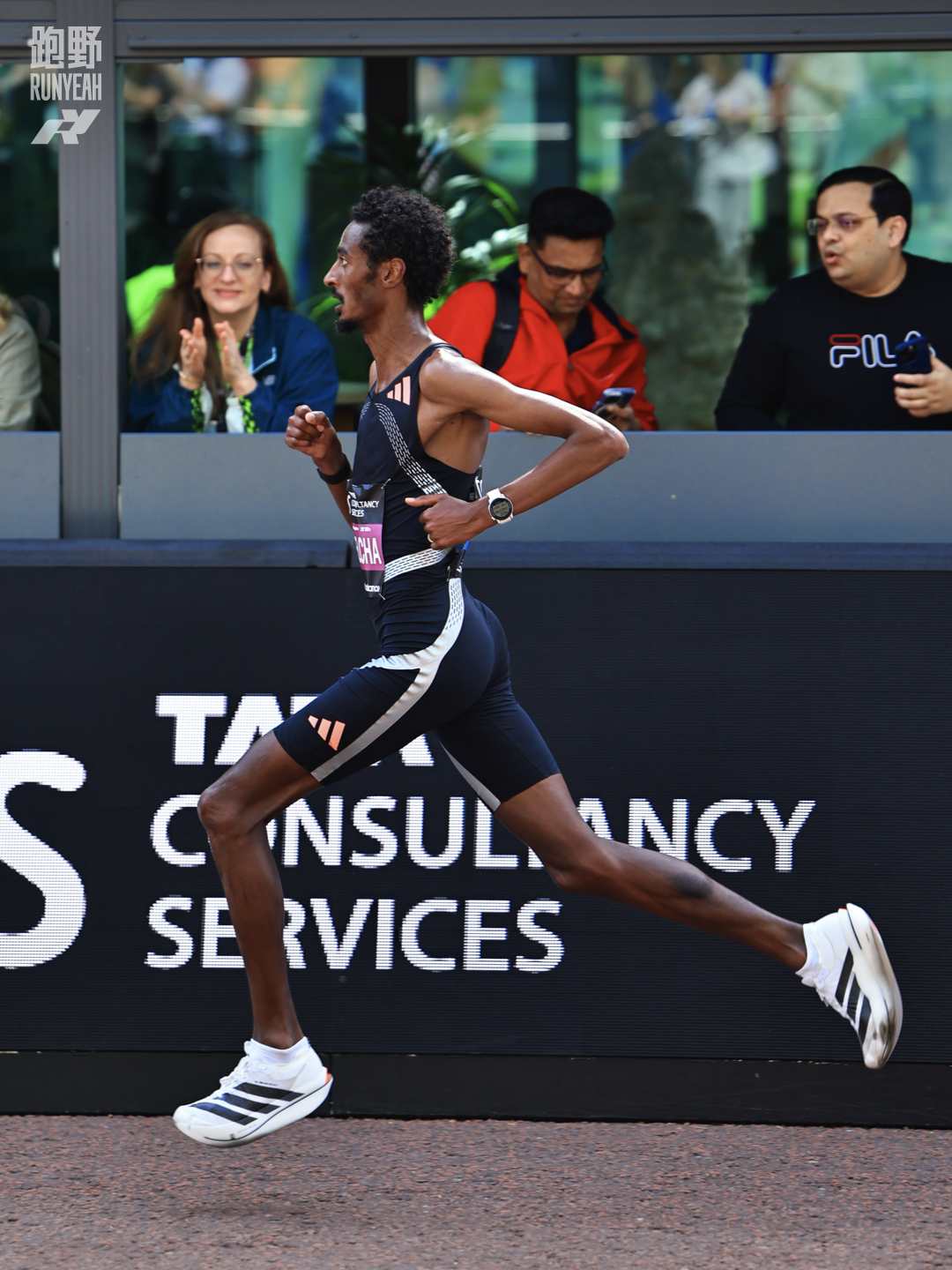
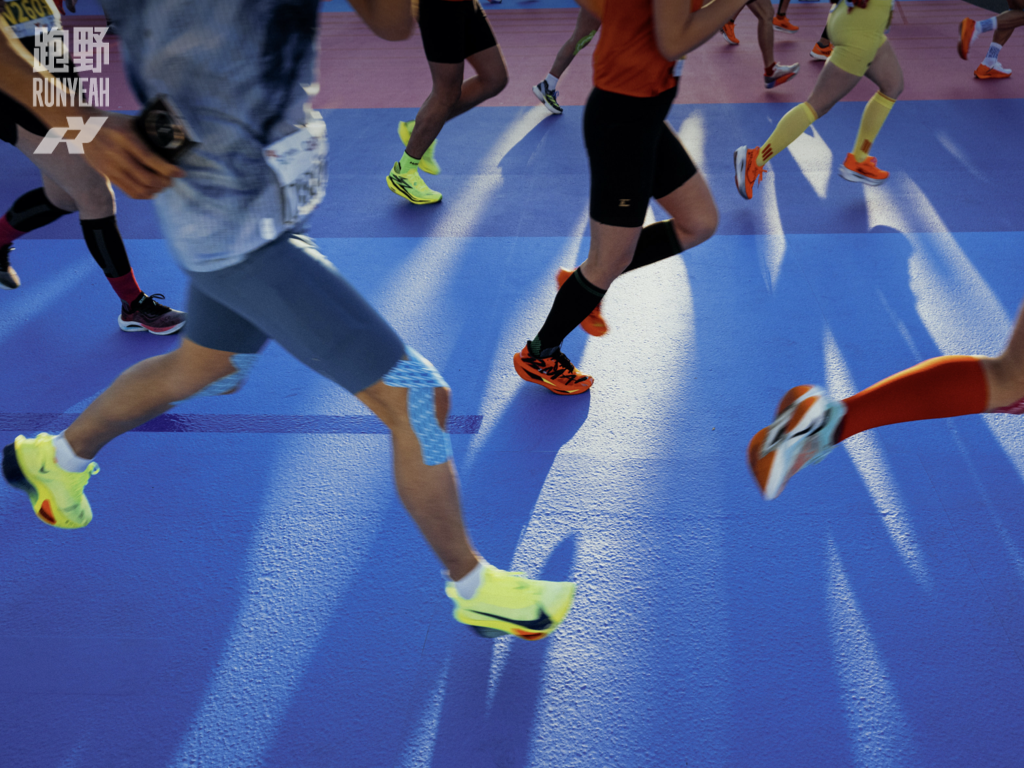
In recent years, carbon plate shoes have gone from "the race shoes of elite athletes" to a common sight in everyday runners' shoe cabinets. Whether on marathon courses, the track, or in ordinary runners' daily training, they are becoming increasingly common. But the controversies around them have also grown:Some runners develop Achilles discomfort, persistent calf tightness, or plantar fascia pain after wearing them frequently; others become dependent on carbon plate shoes and won't run if they switch back to regular training shoes. These phenomena have prompted many to rethink: are carbon plate shoes suitable for everyday training?The answer can't be reduced to a simple "yes" or "no." Carbon plate shoes can be used for training, but they are not suitable as the only everyday training shoe.
Why do carbon plate shoes feel so good to run in?
Many people focus on the carbon plate when trying to understand carbon plate shoes. But modern carbon-plated running shoes don't just work because of the plate itself — it's an entire propulsion system.A typical "sandwich-structure" carbon-plated running shoe usually consists of a high-rebound midsole, a rigid carbon plate, and a rocker-like outsole. The high-rebound foam absorbs impact and provides rebound; the carbon plate increases forefoot stiffness, reducing energy loss from excessive toe flexion; and the rocker outsole helps the body transition more smoothly from landing to takeoff.
Compared with traditional everyday training shoes, carbon plate shoes change the way the body moves forward through their structural design. When the body's center of mass shifts forward, the sole produces a noticeable rolling and propulsive feeling, making it easier for runners to achieve faster paces with the same effort.
Why do some people feel more calf and Achilles fatigue after wearing carbon plates?
Carbon plate shoes make running feel great, but the body doesn't always agree immediately.
Regular training shoes rely more on the runner's own muscle strength, Achilles elasticity, and joint coordination for cushioning and propulsion. The hips, knees, ankles, and the small muscles of the foot all participate, sharing the workload.
But when wearing carbon plate shoes, because of stronger midsole rebound and more pronounced sole roll, runners often unconsciously lengthen their stride, shorten ground contact time, and push off more aggressively. For stronger, technically stable runners this can improve training efficiency. But for runners lacking calf strength, ankle stability, or Achilles tolerance, the risks increase.
Thick, highly responsive midsoles require the calves and ankles to take on more stabilizing work; during push-off and lift-off, the Achilles and plantar fascia also endure greater stretching and recoil loads. If the body hasn't adapted yet, frequent training in carbon plate shoes can lead to calf tightness, Achilles discomfort, and sore, achy soles.
Why not wear carbon plate shoes every day?
Carbon plate shoes aren't a direct cause of injury; the real problem is usually improper usage. A common mistake many runners make when they first wear carbon plate shoes is assuming that since their pace improves and the shoes feel bouncier, they should wear them for every workout.In the short term, this approach may make training feel higher quality; but in the long run, the body may gradually become dependent on the carbon plate and highly responsive midsole. The purpose of easy runs and recovery runs isn't to run faster every time, but to accumulate mileage, promote recovery, build aerobic capacity, and provide basic stimulus to the soles, calves, and ankle joints.
If you rely on the shoe to provide strong propulsion every time you run, the body's opportunity to generate power and maintain stability naturally decreases. When switching back to regular training shoes, you may feel a lack of propulsion and that running becomes heavier. Carbon plate shoes typically have thicker soles and a higher center of gravity; if a runner's landing is unstable or ankle control insufficient, this can increase the burden on the foot, ankle, and Achilles.So, the real danger isn't“wearing carbon plate shoes”, but“making them your only training shoe”.
What's the most reasonable way to wear them for everyday training?
A better approach is to establish a shoe rotation, rather than doing all training in one pair. For most recreational runners, daily easy runs, recovery runs, and standard aerobic runs are better done in traditional training shoes that are stable, comfortable, and moderately cushioned. These workouts are run at slower paces; their goals are to build mileage, boost aerobic capacity, and promote recovery, allowing the body to participate naturally in support, cushioning, and propulsion.
Carbon plate shoes are more suitable for high-quality workouts, such as tempo runs, intervals, workouts at race pace, or key long runs before a race. These sessions are faster and more intense, where the rebound and rolling advantages of carbon plate shoes are more likely to pay off. If you plan to wear carbon plate shoes in a race, you must also adapt to them in training beforehand. Wearing a new pair for the first time on race day is more likely to introduce uncertainty than to improve performance.Carbon plate shoes can help runners go faster and more efficiently in the right situations, and can make high-quality workouts more race-like. But they're not a cheat code, nor are they a magic tool that will automatically give you a PB when you put them on.
For runners, what really determines whether you can improve is training volume, physical capacity, strength base, and recovery quality. Carbon plate shoes can add the finishing touch, but they can't replace those fundamentals. Therefore we should choose shoes according to training objectives, not default to "when in doubt, carbon plate shoes."
[End-of-article interaction]
Text/Editor: CC
Image source: Trail Running Big Bang
Visuals: MAX