
STORYHome

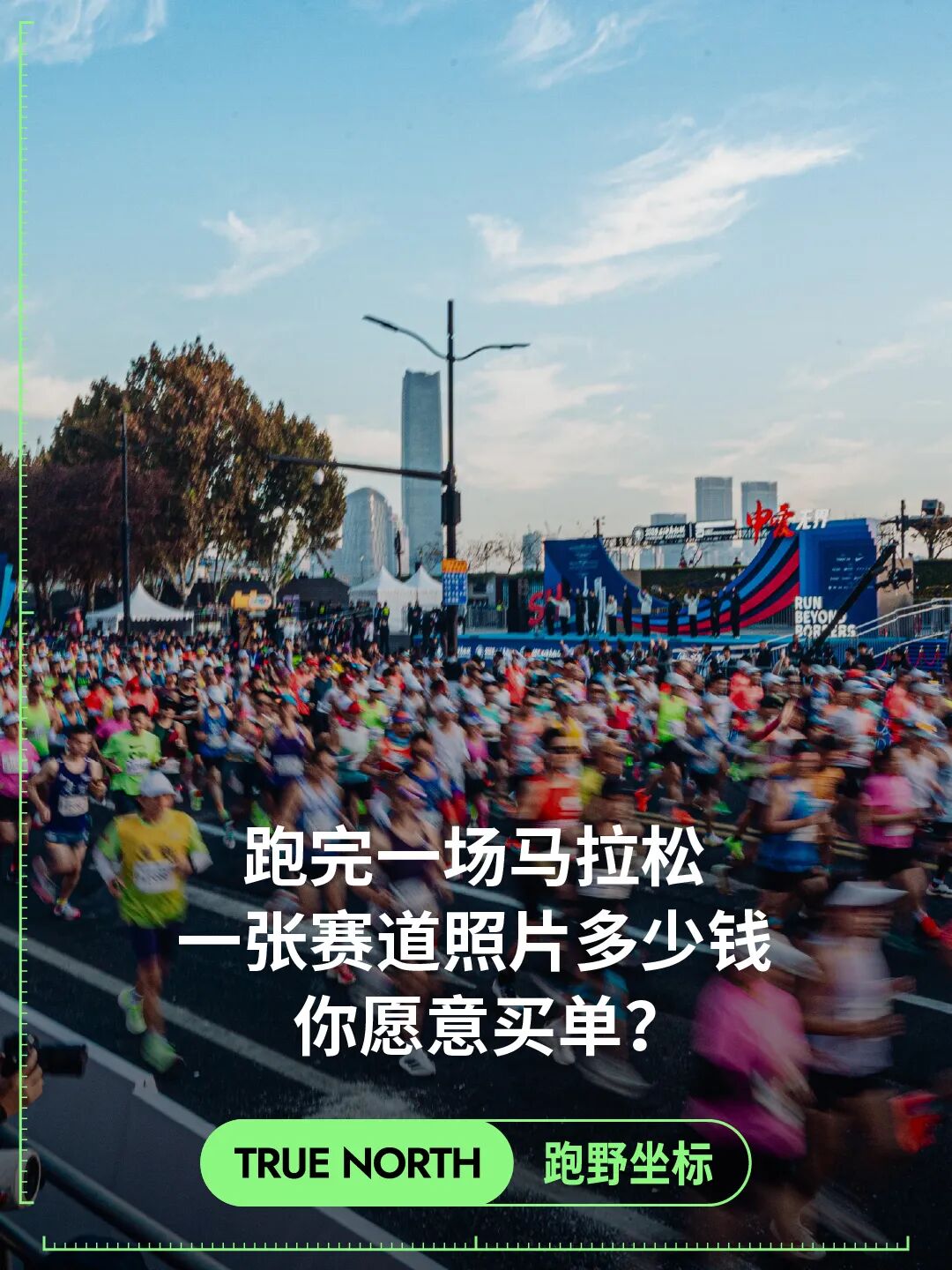
After a Marathon: How Much Is a Race Photo Worth — Would You Pay?


Debate over pricing for on-course marathon photos has been ongoing.


Recently a race photographer complained that runners were using AI to remove watermarks, a practice that left them disheartened. Others immediately vowed they would never use AI to strip watermarks out of respect for photographers' work. An 18‑yuan on-course photo isn't expensive in a photographer's view, yet at that rate earnings from shooting a race may not even cover travel expenses.


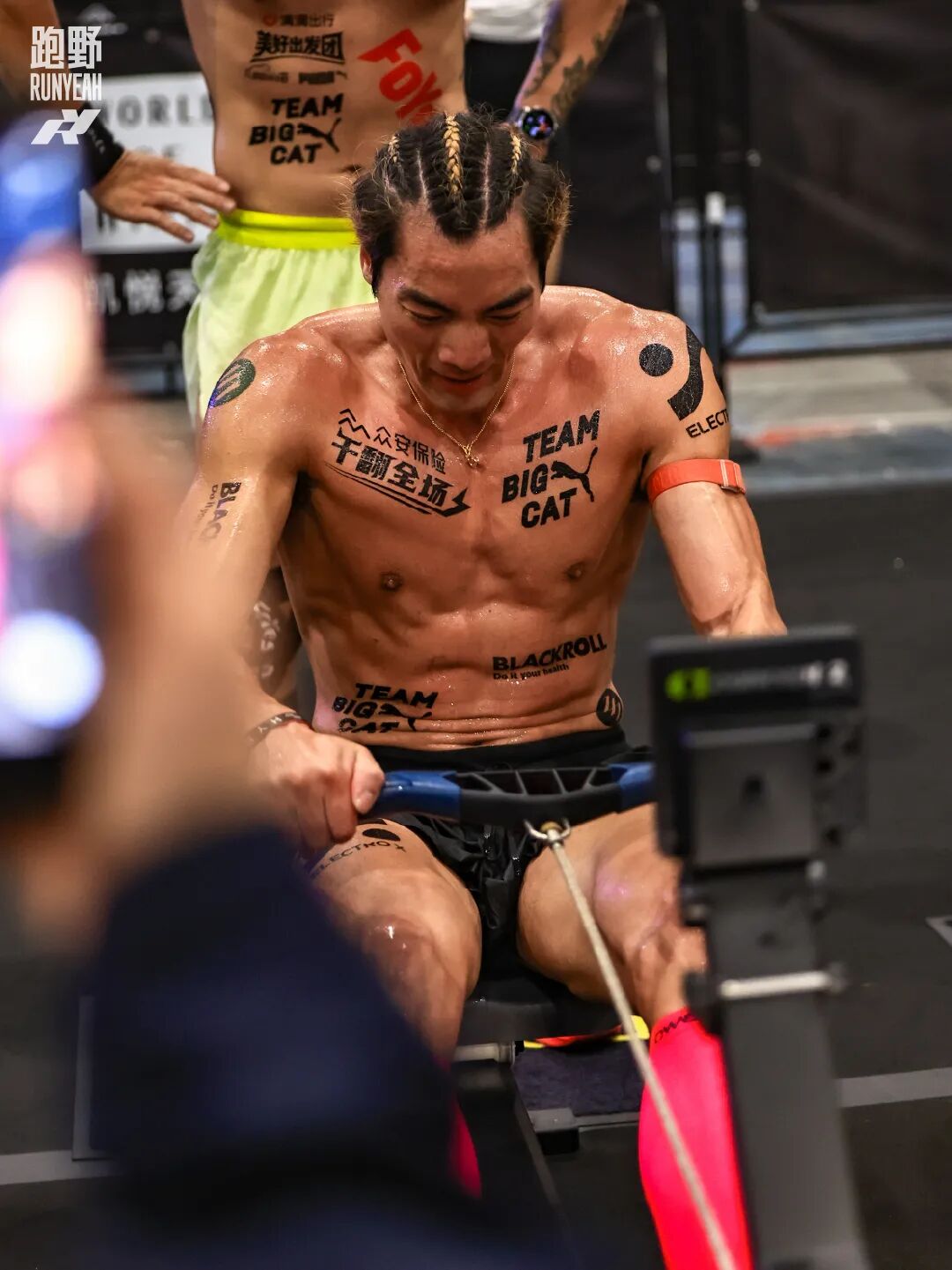
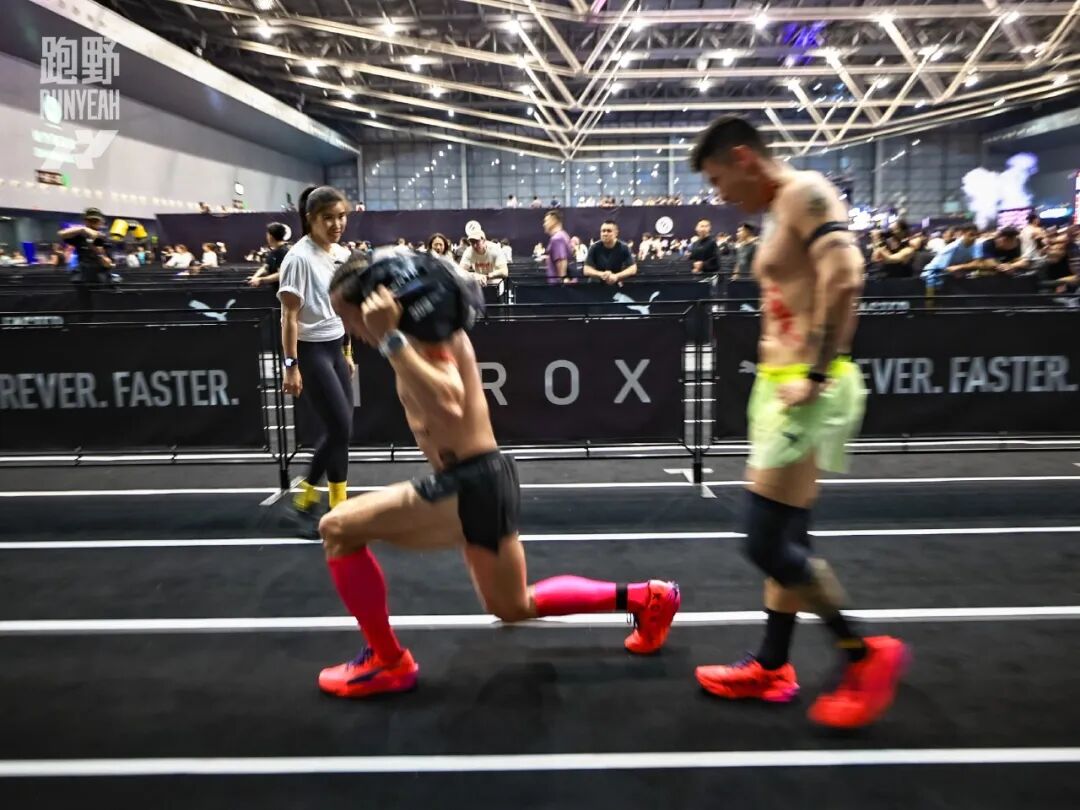
By contrast, HYROX's official photo service for the upcoming Chengdu stop lists clear prices: 120 yuan per photo, or 214 yuan for the full package.


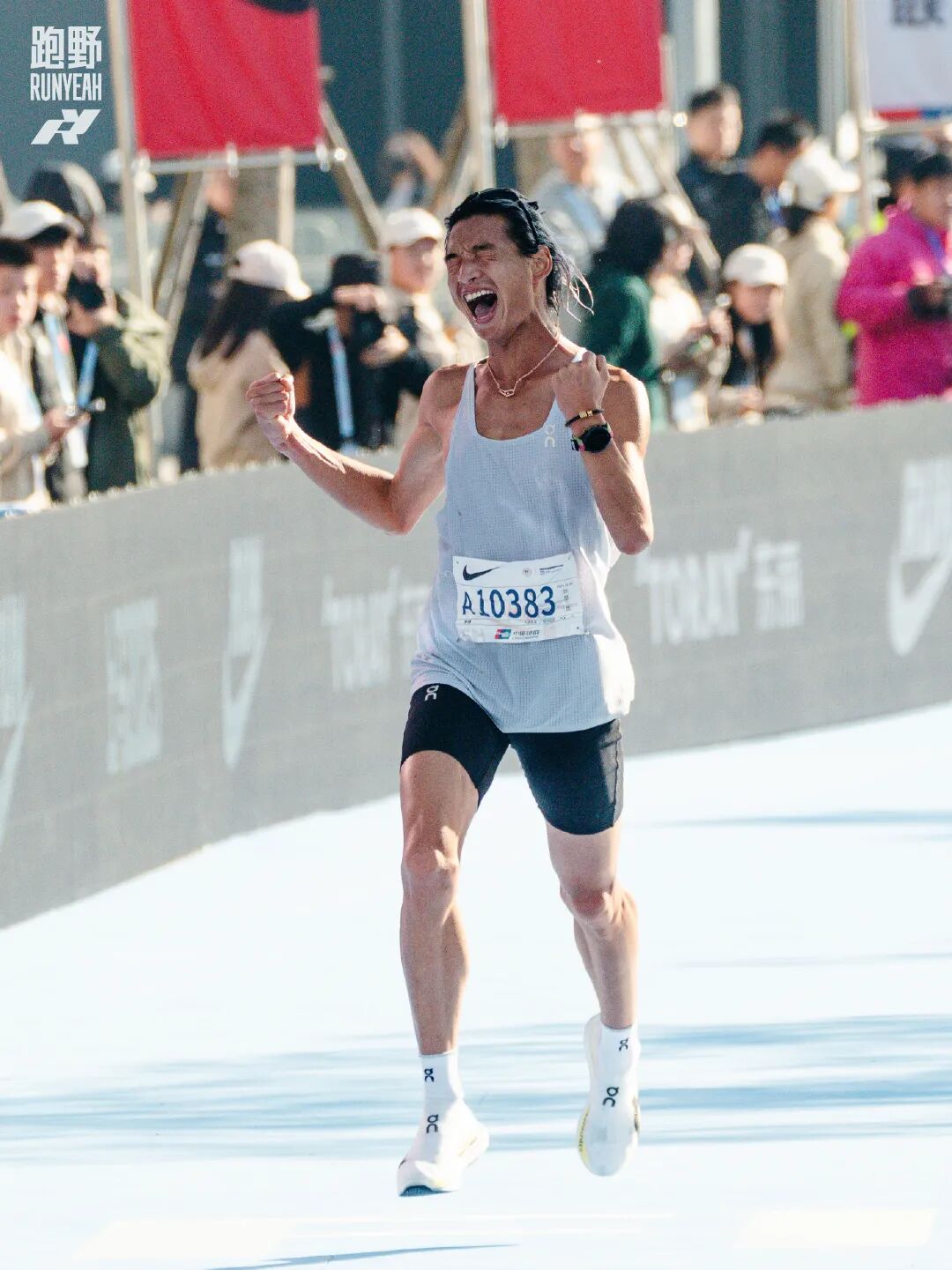
Almost every participant faces the same choice: should they pay for that split-second moment frozen on the course.

Some order without hesitation, some hesitate, and many simply swipe past the price. As road running and marathons continue to rebound and multi-discipline events like HYROX and Spartan gain popularity, on-course photography pricing has become a hot topic in the running community.

What price point would make the public comfortable?


01

Current market:

marathons and HYROX operate under two different pricing systems
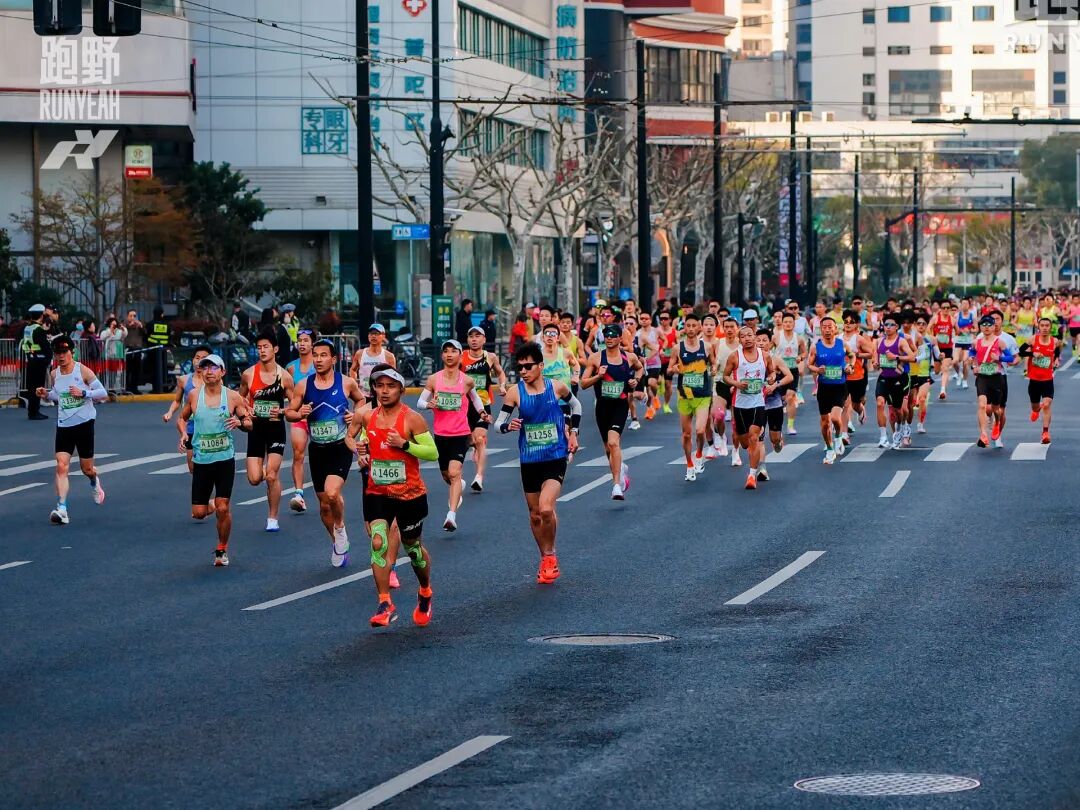

First, let's look at the typical pricing for event photography in China:

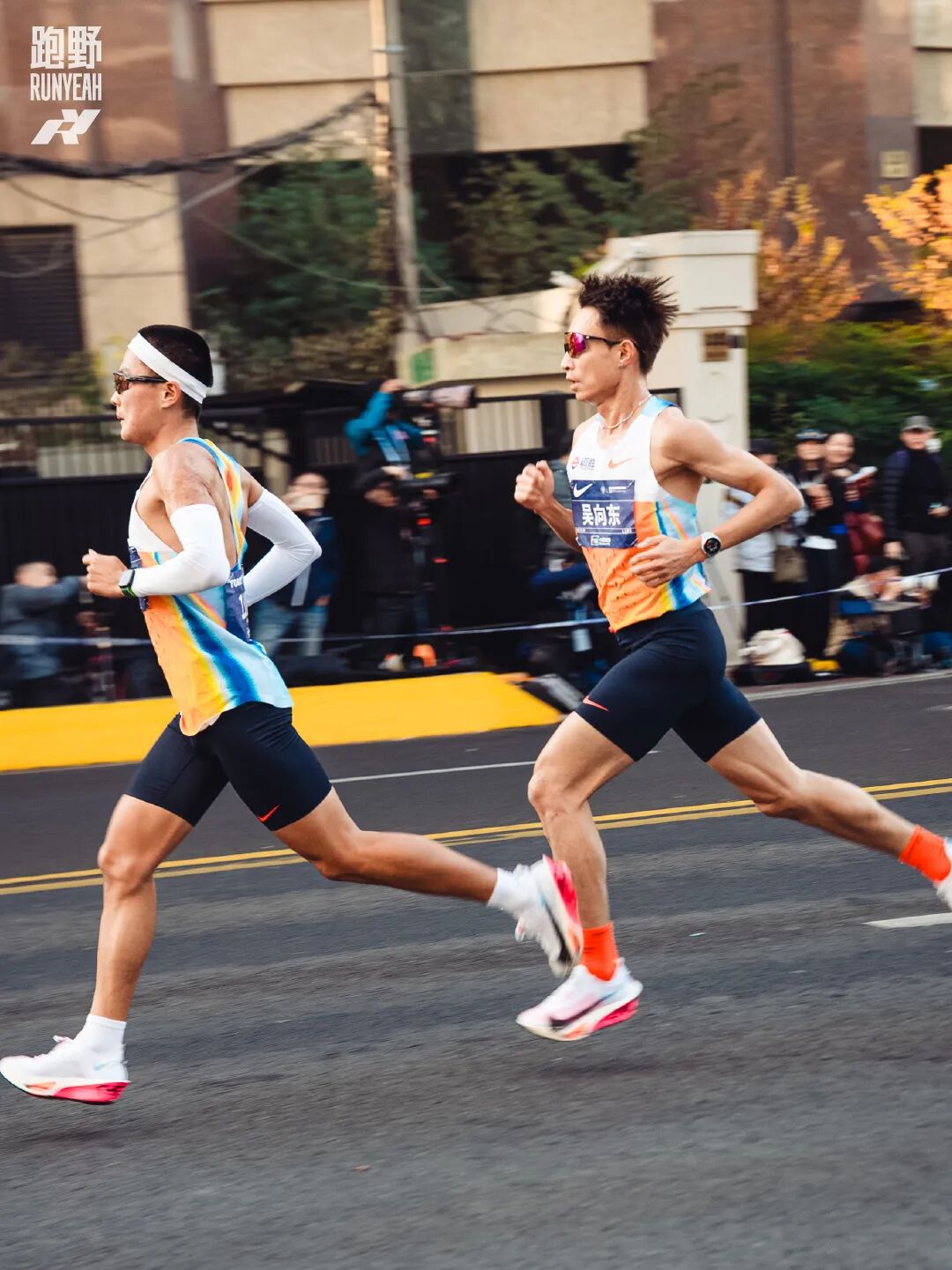
For regular marathons, third‑party photography platforms typically price single high‑resolution images between 15–30 yuan. A candidate Grand Slam event, one month before the race, released a guide that priced single finish photos around 30 yuan. Many events also offer bundles: 50–99 yuan to download all of a runner’s photos. Once prices exceed a hundred yuan, ordinary runners’ willingness to pay drops off a cliff.


HYROX, which has exploded in popularity in recent years, generally charges higher prices than traditional marathons.

On one hand, HYROX participants tend to have stronger spending power, and the powerful finish‑line imagery suits social media sharing; on the other hand, the events are smaller with dispersed shooting points, raising overall costs. Many competitors hire photographers individually to shoot them—'stand sister' style—and this has become a business much like booking race‑day shoots at marathons.


A HYROX photographer said they booked three private shoots one afternoon at a stop and earned over 1,500 yuan.

The two event audiences also show clear separation:

The general public running marathons mostly seek keepsakes—an emotional purchase. A runner from Guangzhou said they buy 2–3 photos per race under the 'memories are priceless' mindset, but still find 20 yuan a bit expensive.

HYROX participants—often fitness enthusiasts labeled as 'middle class'—generally have healthy finances and stable incomes. HYROX photos combine documentary value with personal branding for social media, and participants are willing to pay higher budgets.


The same on-course snapshot has vastly different psychological price thresholds across groups.

02

Different runners have different internal price limits
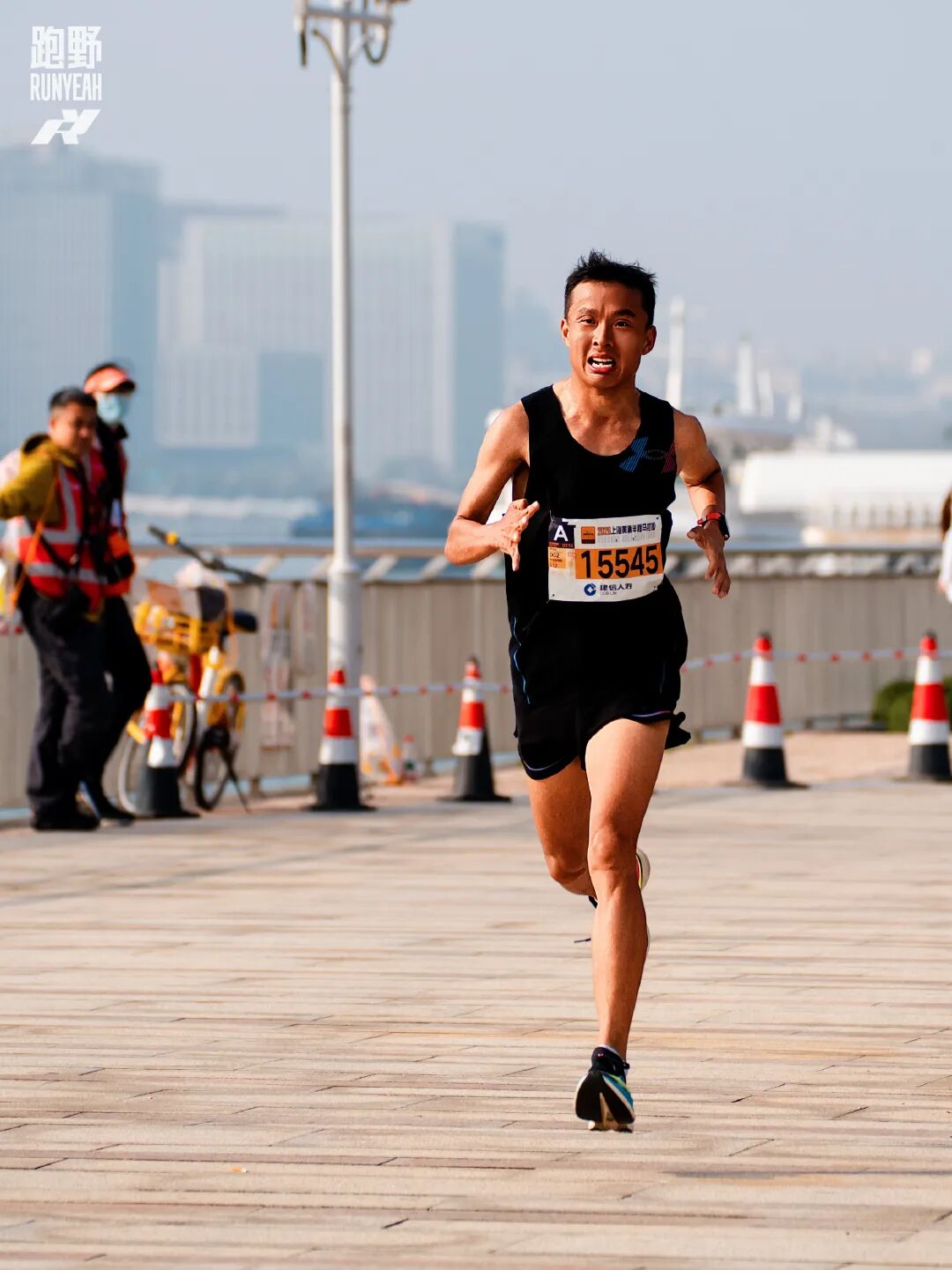

The millions of marathon participants can be divided into three groups to clarify public price expectations.

Type 1: recreational runners and first‑timers (the largest group)

Having completed their first marathon, they want a finish‑line photo as a memento, but it’s not a must‑have. Their psychological price threshold for marathon photos is: ideal single‑photo price 10–15 yuan, mental cap for the full set 60 yuan. Impulse purchases last only about 48 hours after the race—once the emotion fades, even low prices struggle to persuade. Many adopt the strategy: if it can be gotten for free, they won’t pay; at most they’ll pick one standout image.


Type 2: seasoned runners and racing enthusiasts

These runners travel frequently to race, care about form, pace condition, and finish‑line highlights, and are willing to pay for high‑quality, clear originals. Acceptable range: 15–25 yuan per photo. But their demands are clear: sharp focus, no large blurred images, and emotion captured. If many photos have average composition or stiff expressions, they won't buy even at low prices.


Type 3: content creators, public figures, and commercial buyers

A clear boundary must be drawn: personal keepsake ≠ commercial license. Standard purchase packages usually only allow sharing on personal social accounts. Once a photo is used for short‑form video commerce, brand promotion, or commercial publicity, that's a commercial use that requires additional licensing—though most people aren’t aware of this.


03

Root of the conflict: runners complain it's expensive while photographers lament their hardship
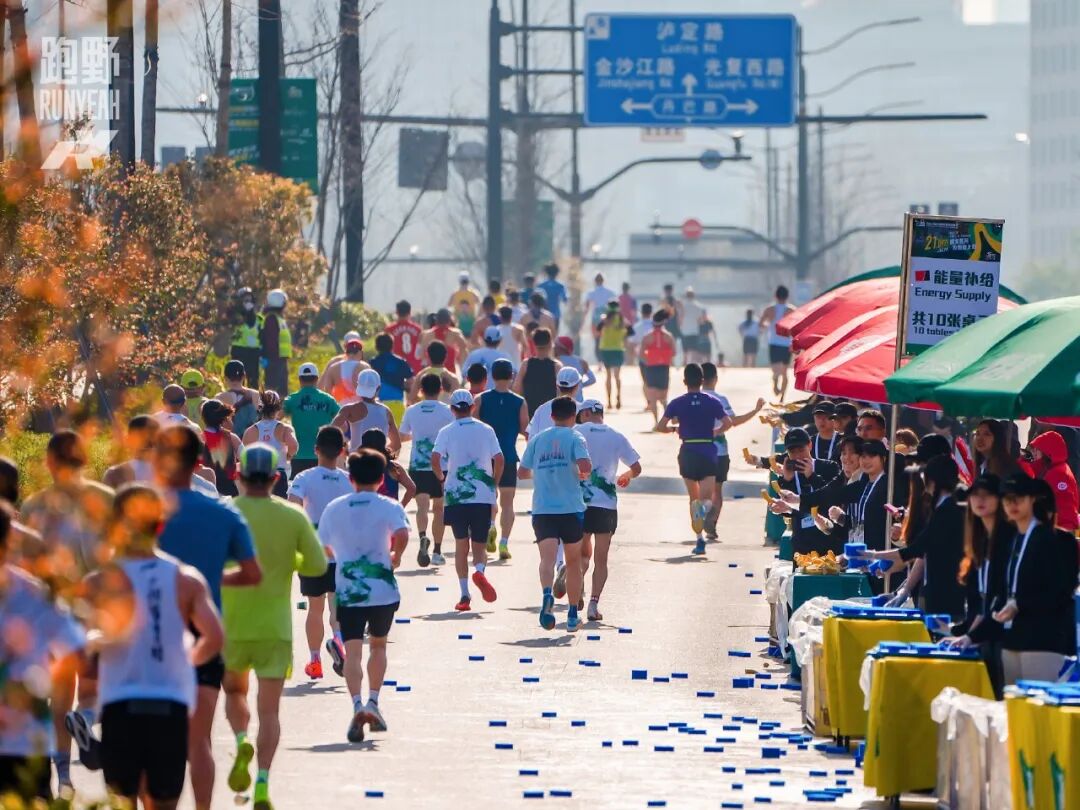

There is never an absolute right or wrong in this debate.

Runners’ grievances are straightforward: they’ve already spent on entry fees, gear, and travel, so paying 20–30 yuan for a single candid photo feels poor value; of course they want events to offer more affordable photo services. Many complain that platforms plaster huge watermarks making unpaid images unusable, creating a sense of coerced consumption. Another controversy rages on: being able to find anyone’s photos using just a bib number raises unresolved questions about image rights and data privacy.


But the photographer community has grievances too:

They invest in long‑lens gear, travel between cities, endure full‑day exposure to sun and rain; shooting points are scattered and sifting through tens of thousands of photos from an event is hugely time‑consuming. The industry reality is stark: from a 20‑yuan photo, the photographer’s take‑home is limited. The supply‑demand tension ultimately rests on pricing.

A gray area has emerged: AI one‑click watermark removal is quietly spreading in the running community. While it seems to save money in the short term, in the long run it will continue to squeeze event photographers’ livelihoods and create a vicious cycle.


Some runners call for race organizers to host their own image servers to offer cheaper photo services, but they overlook that building servers, storage and bandwidth capacities also require investment.

Race photos are more than a picture. They are a precious record of an ordinary person’s fight against themselves. That emotional value deserves a fair price. But passion can’t sustain unlimited markups—good business models don’t exploit runners’ love; they find a win‑win balance between photographers, platforms and participants.


[End‑of‑article poll]

How much would you willingly pay for one high‑resolution marathon on‑course photo?#


Text/Editor: Momo/JOJO

Image source: 跑野大爆炸

Visuals: Max

RUNYEAH 跑野大爆炸
RUNYEAH
RUNYEAH · RUN WILD RUN FREE
Content from WeChat Official Account RUNYEAH
© 2026 跑野大爆炸 RUNYEAH. All rights reserved.