

“The 'Firsts' series turns its focus to moments in sports history that rewrote our understanding. Behind records, events and people there is often a story that has never been carefully told — now join us as we step into the time machine and savor those tales.
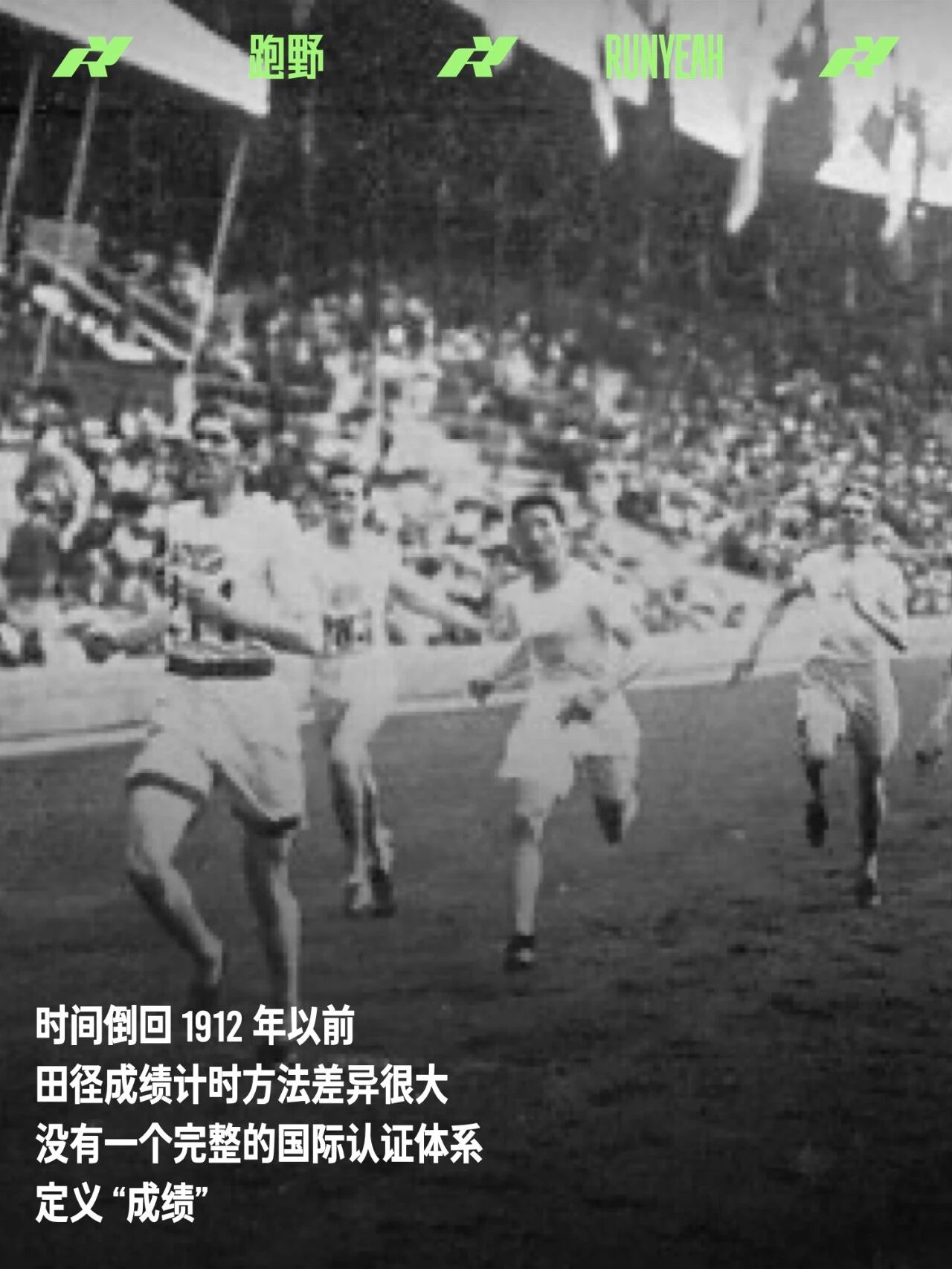
Let's turn the clock back to before 1912. At that time athletic performances were continually being refreshed, but timing methods and venue conditions varied widely, so there was no unified international certification system to define the so-called 'fastest' or 'longest' — and of course no way to compare them globally.
It was against this backdrop that the International Amateur Athletic Federation (IAAF) was officially established, and it immediately influenced the 1912 Olympic Games in Stockholm.
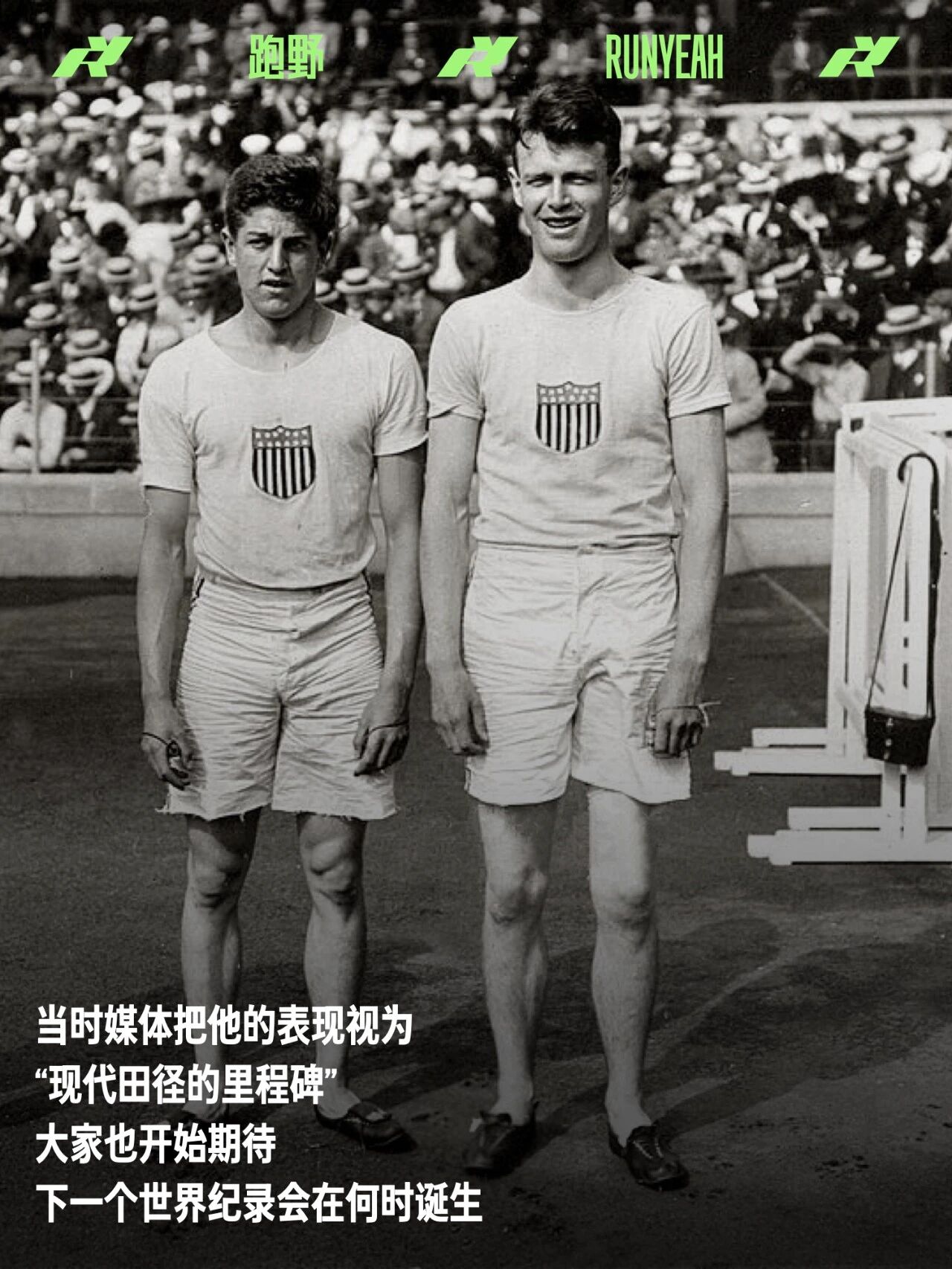
In the men's 100 m, nineteen-year-old American Donald Lippincott ran 10.6 seconds in a heat — not only an Olympic competition record but the fastest time ever recorded on the Olympic stage at that point. His startling performance drew widespread attention.
Although he finished only third in the final, that heat became a turning point in history. With handheld stopwatches being the only officially recognized tool, 10.6 seconds was ratified as the first world record, marking the moment when athletic marks moved from scattered national listings toward a global, institutionalized era.
Contemporary sports publications regarded Donald Lippincott's performance as "a milestone of modern athletics" — not just because he ran fast, but because official recognition by an international body enhanced the sport's spectator appeal, and people began to wonder when "the next world record" would be set.
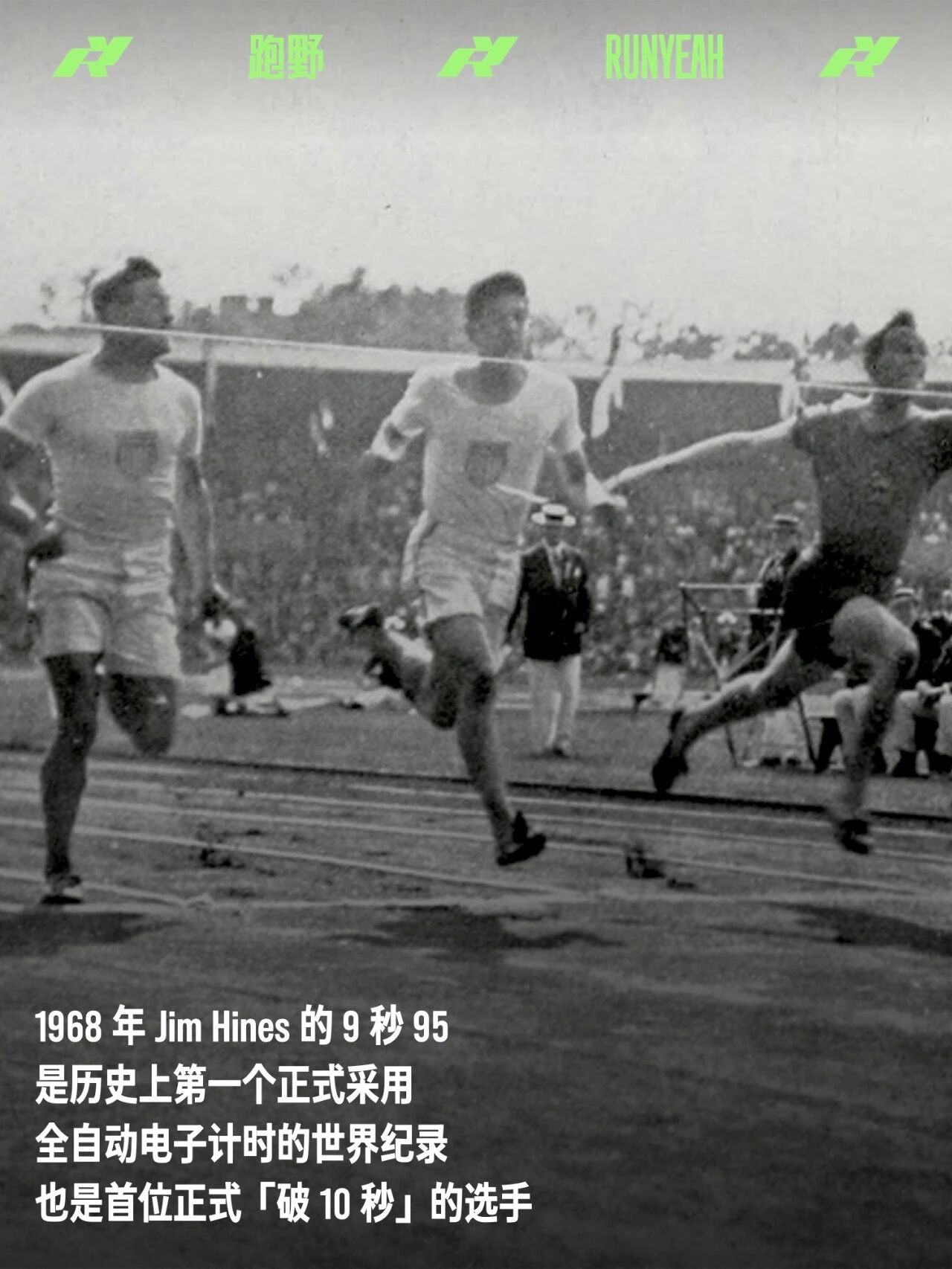
From then on the men's 100 m world record underwent a series of rule changes — from hand timing to electronic timing, the introduction of wind-speed limits, and more — culminating in Jim Hines' 9.95 in 1968.
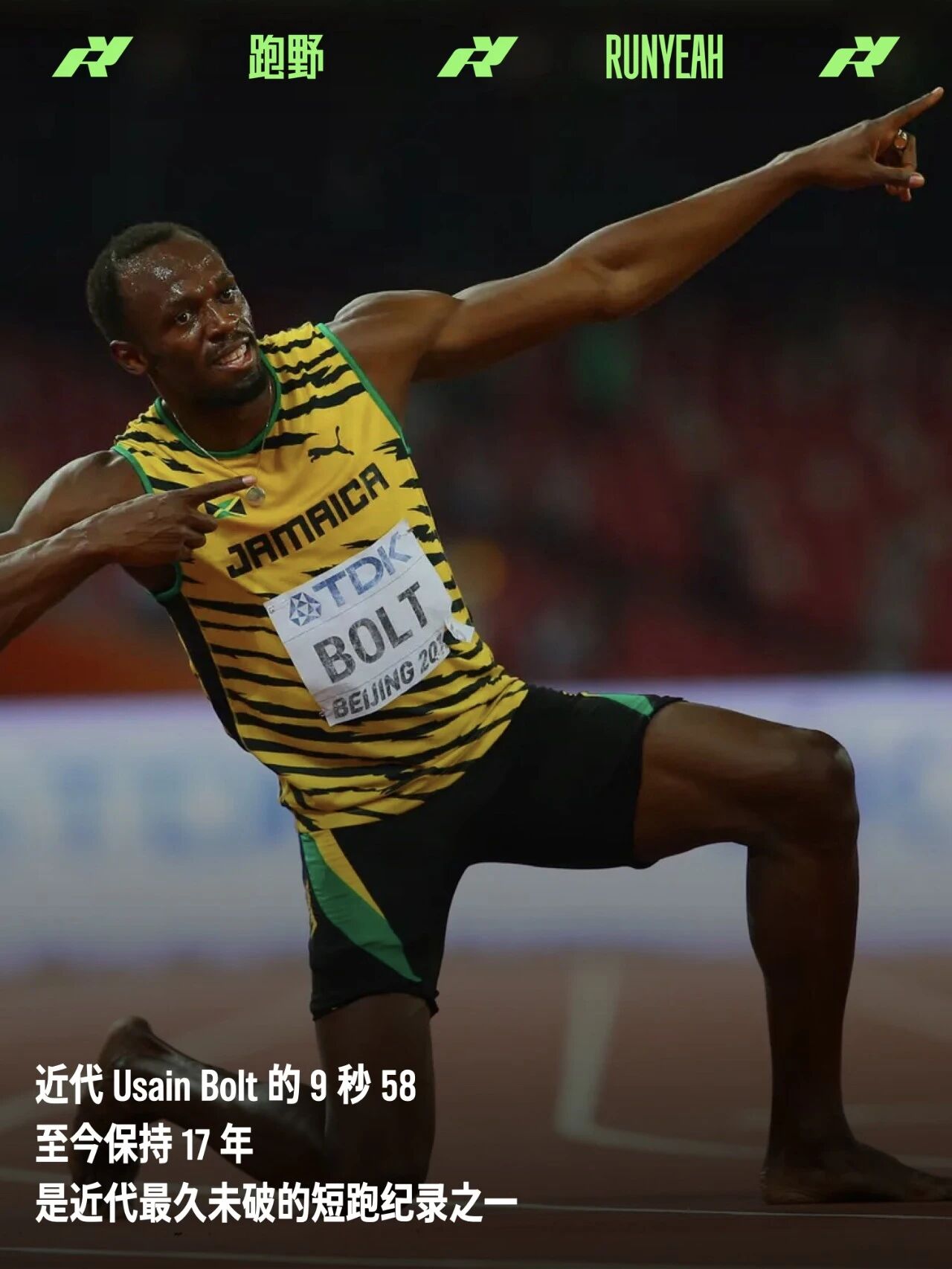
That was the first officially recognized world record timed with fully automatic electronic timing, and the first official sub-10-second performer. The record continued to be broken, ultimately reaching Usain Bolt's 9.58 at the 2009 World Championships in Berlin — a mark that has stood for 17 years and remains one of the longest-standing sprint records of the modern era.
World athletics currently counts more than 40 official Olympic event records (22 for men and 22 for women, plus the mixed relay), covering sprints, middle-distance, long-distance, hurdles, jumps, throws, combined events and race walking. These records continue to be updated, serving as symbols of athletes' efforts and as shared benchmarks protected by institutional standards.
#FirstsSeries #Athletics #WorldRecords #Olympics #TrailRunningBoom