
The tougher HYROX is, the more popular it becomes. At last week's World Championship in Stockholm, the number of Chinese participants hit a record high.
And with July arriving, trail running events will heat up again. Entry spots now require not just quick fingers but also luck—the lottery acceptance rate for one popular race has fallen below 10%.
HYROX and trail running—one is a standardized, indoor mixed-fitness test; the other is a comprehensive adventure in the mountains and wilderness. What they have in common is that they're neither easy nor cheap, and some even call them "self-abusive".But why are more and more people becoming "addicted" to them?

When extreme endurance sports are mentioned, many people's first reaction is, "That's for professional athletes." But HYROX and trail running precisely break that stereotype.
HYROX's design is a textbook example of accessibility. Its race format is extremely simple: 8 kilometers of running, interspersed with 8 functional workout stations — ski erg, sled push, sled pull, burpee broad jumps, rowing machine, farmer's carry, sandbag lunges, and wall-ball throws. There are no complex movement combinations and no technical barriers that take years to hone. Any healthy person, with a period of preparation, can complete it.
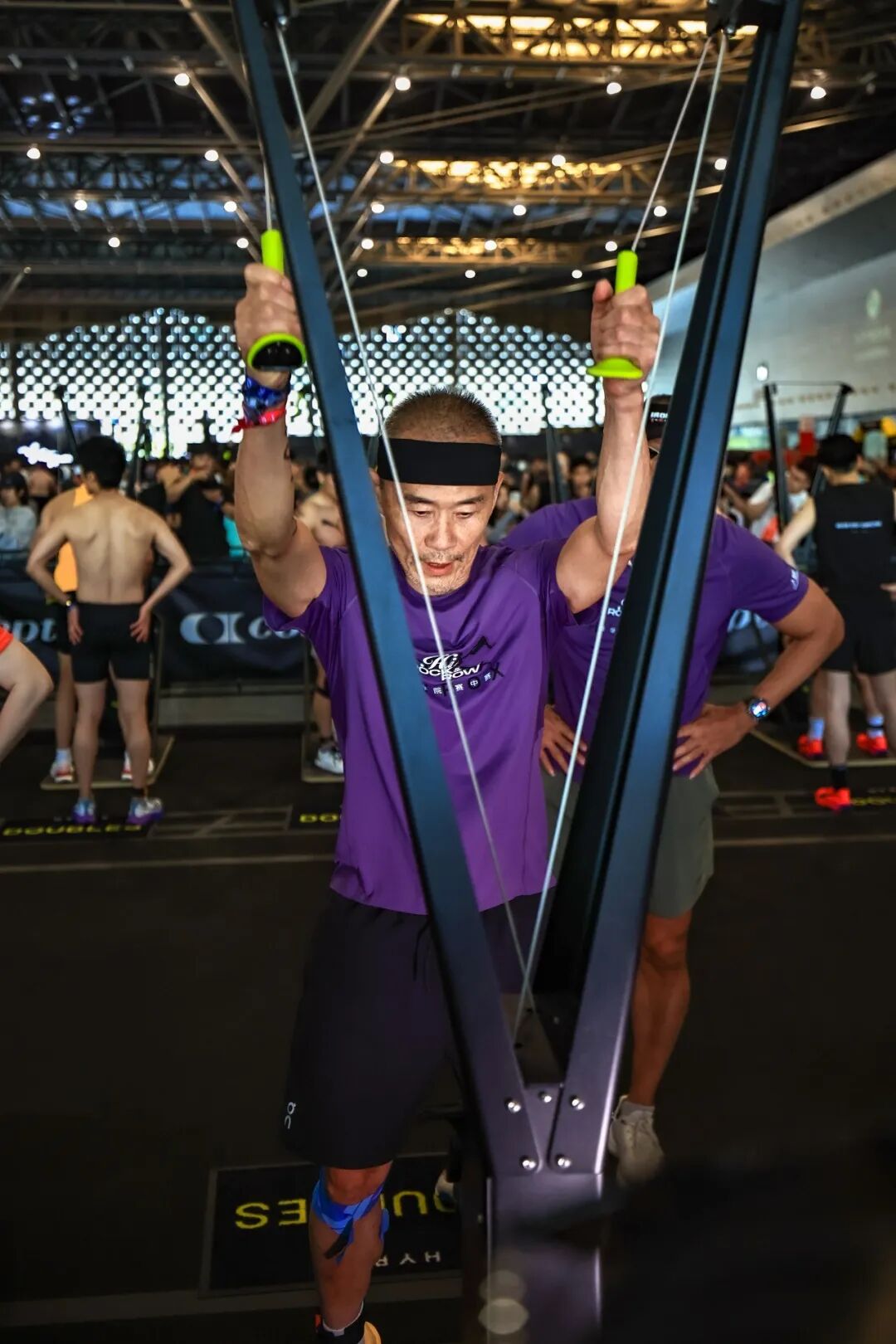
More importantly, there is no cut-off time. You can finish in 2 hours or in 3 hours. It offers an Open category (OPEN) and a Pro category (PRO), and allows individual, doubles, and four-person relay team formats. A beginner who has never been to a gym only needs to complete basic strength and running training to take part.
There are even many competitors with physical and mental disabilities on course. They are not treated as a "special group" to be looked after, but as equal participants — pushing sleds, doing burpees, and crossing the finish line just like everyone else.
Trail running likewise ranges from a few-kilometer introductory experience to hundred-mile extreme challenges, so everyone can find a distance that suits them. You don't need to be a professional athlete or possess extraordinary physical gifts — you only need to be willing to take the first step.

Another dimension of low barriers is "geographical convenience." HYROX is held in urban exhibition halls with direct access by high-speed rail and subway, so no long trips are necessary. Trail running takes place in the mountains and countryside, but in recent years races have become more densely scheduled, allowing many runners a one-stop weekend experience—leave the city on Saturday and be home Sunday.
The real barrier has never been fitness, but the courage to begin. Both sports use clever design to help people overcome that psychological hurdle. More importantly, while lowering the entry barrier they also provide clear, visible pathways for intermediate and elite athletes to progress. That makes it very interesting.

In this era full of uncertainty—economic swings, workplace over-competition, information overload—people urgently need an area where they can clearly see their own progress and feel fully in control. HYROX and trail running happen to provide that kind of "certainty."
"Hard work pays off" is their simplest and most potent attraction. In HYROX, time is the best measure—at the next event you can clearly see how much faster you are than last time. That certainty is a rare comfort in life.
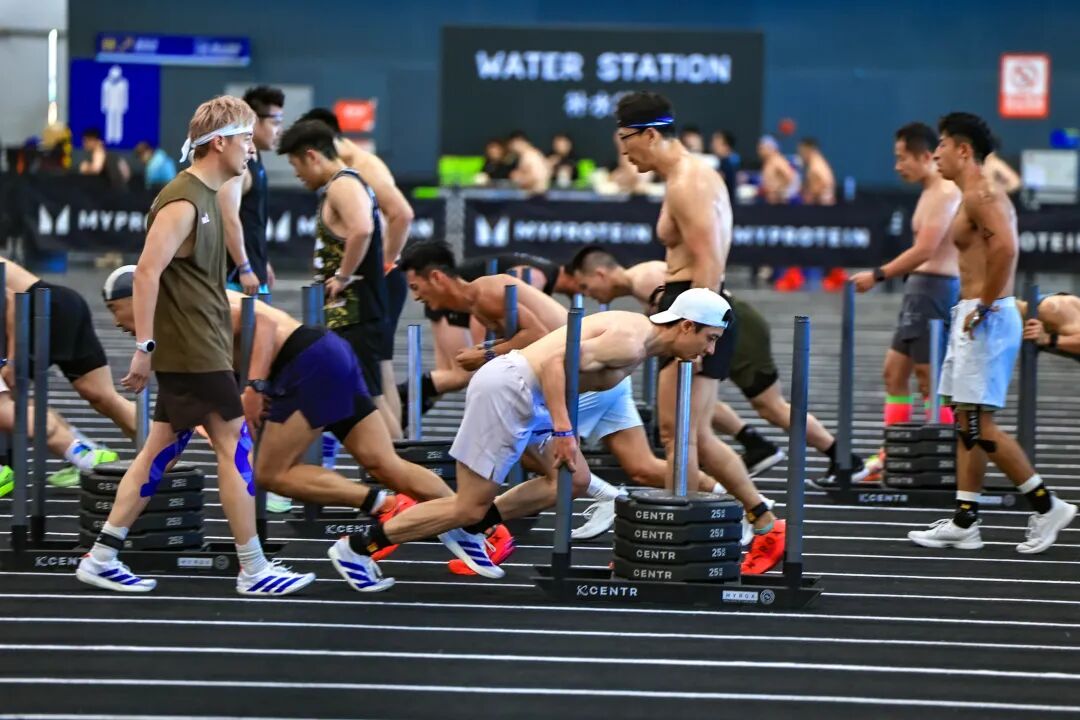
The difficulty of HYROX is far more than "run 8 km + do 8 exercises." Its real challenge is continually making decisions as fatigue accumulates. When should you push? When should you hold back? How should partners divide the work?

Trail running offers richer data dimensions: distance, ascent, descent, split times, heart-rate zones... Every time you head into the mountains, your watch leaves a complete trace. You can review, compare, and precisely know your progress. Compared with road running, trail running also demands more comprehensive physical fitness.
What's more admirable is that both sports allow failure, even encourage you to get back up. HYROX has no cut-off time; you can pause, slow down, or catch your breath at a strength station before continuing. In trail running, you can drop out, you can "hike" the final climb, or you can cross the finish line in tears.
This kind of "permitted vulnerability" actually helps people regain a sense of control over their lives. By subjecting the body to punishment to gain a spiritual high, that is the deeper reason these pursuits become addictive.

In an era of material abundance, luxury goods are no longer scarce. What is truly scarce is time and willpower. Completing a HYROX or a 100-kilometer trail race happens to demonstrate both.
Behind a HYROX finish are months of systematic training, with at least three to four running and strength sessions per week. The willpower to face fatigue and fear alone in the dark of night. These things can't be bought for any price. They can only be earned through daily accumulation, step by step.

So the photos people post on social media have quietly shifted. Where it used to be gourmet lunches, resort hotels, and new handbags, now it's HYROX result boards, trail race finisher medals, and starry-sky shots taken entering the mountains at 5 a.m. People are no longer satisfied with "what I have"; they want to declare "what I have done."
So it's not hard to understand why finishers' certificates are becoming a new status badge of our time. And HYROX and trail running happen to be the most direct ways to earn that badge.

The paradox of modern society is: the more convenient online connections become, the scarcer real, offline interpersonal connections are. The bigger the city, the deeper the loneliness. HYROX and trail running are becoming an outlet for resolving this dilemma.
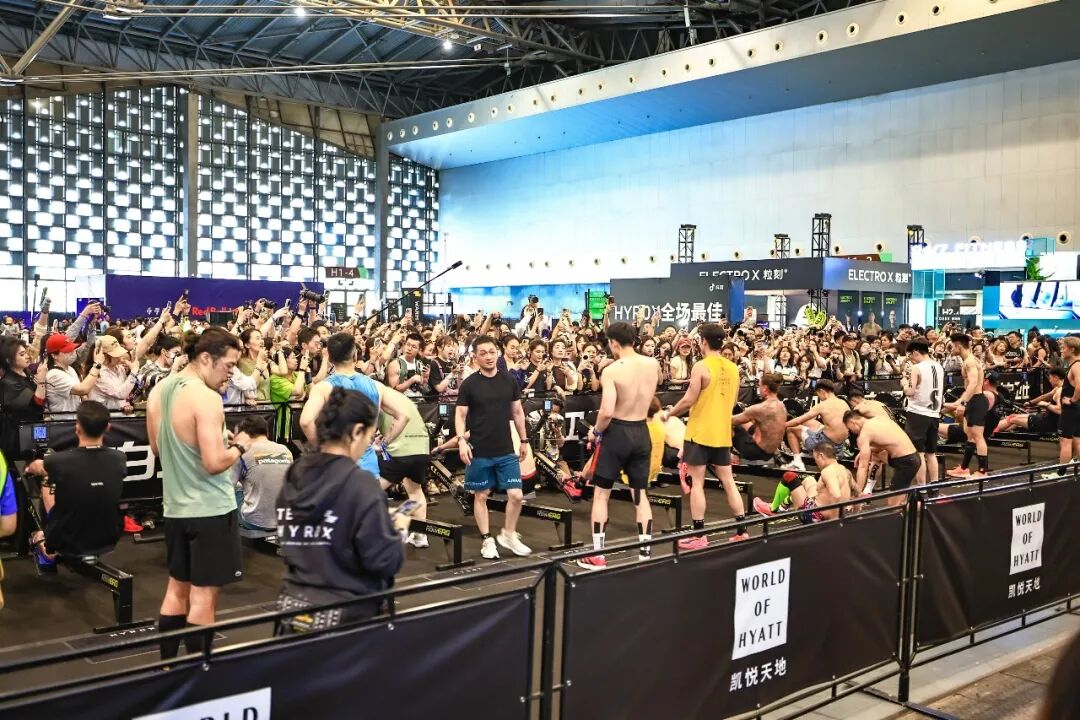
HYROX is essentially a big fitness party. Teammates in a four-person relay high-five, cheer, and hug in the handoff area; partners in doubles encourage each other when they're most exhausted; afterwards they grab a drink together, show off their results, and plan the next training session.
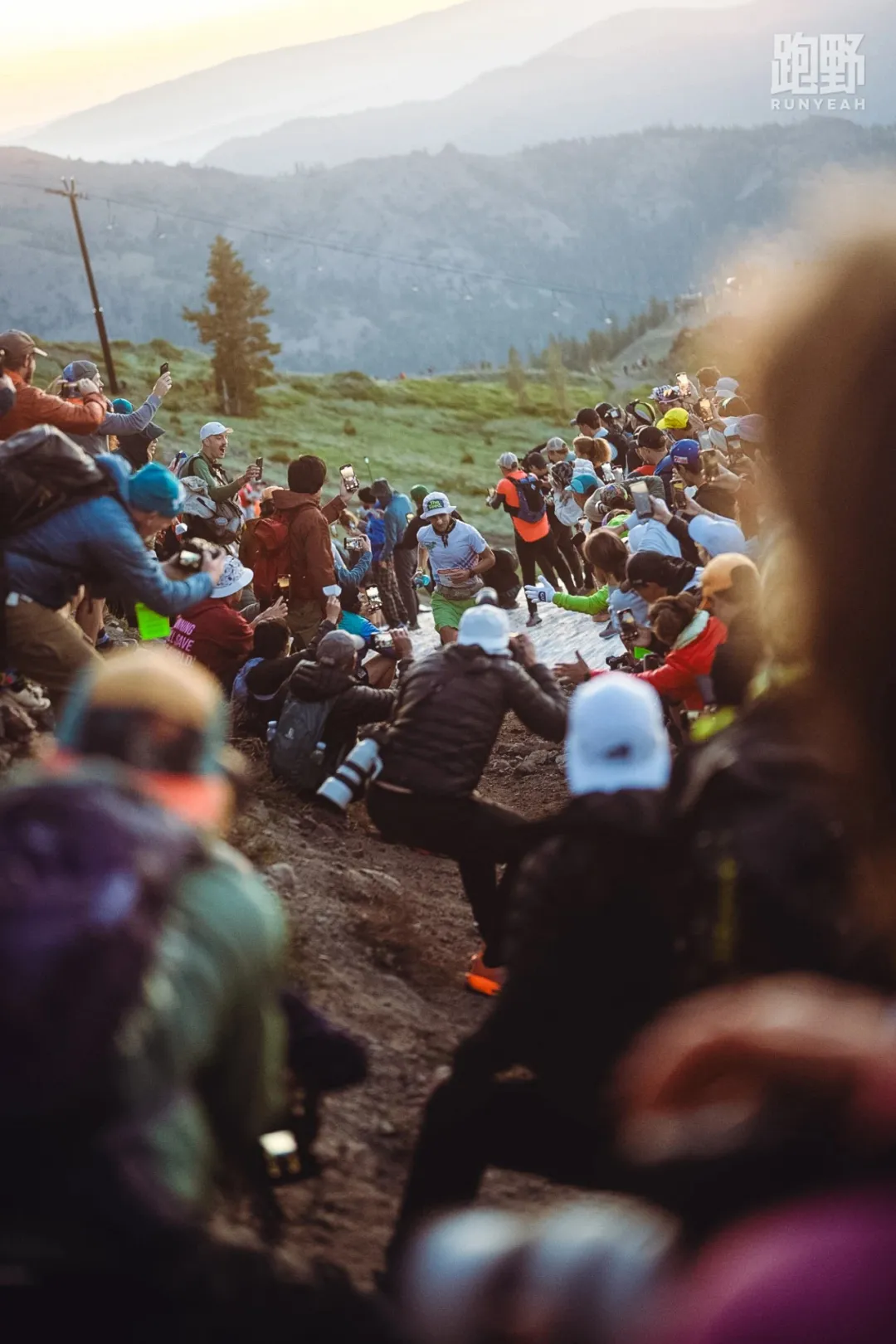
The social bonds in trail running are even deeper. Group runs organized by clubs, headlamps lighting the way during hundred-kilometer night runs, sharing salt tablets and energy gels at aid stations, waiting at the finish to cheer on unfamiliar fellow runners... these difficult moments shared together build a "comradeship" that goes beyond ordinary social relationships.
Data shows that people today are more willing to pay to "be there, participate, connect." Trail running and HYROX provide precisely this scarce, deep connection. In an era when people quickly "unfollow" or "block," having a group of people to suffer with you, cross the finish line with you, and spend long nights in the mountains together — that trust and sense of belonging cannot be replaced by any like.
Back to the question posed at the start of the article: why are they addictive? Actually, the popularity of HYROX and trail running is not accidental; it's a whole set of solutions that respond to the needs of the times.
Low barriers to entry let ordinary people stand on the start line and become the athlete in their own story; certainty—clear progress makes "effort pays off" tangible; identity labels—finishing a race helps define who you are; social needs—turning solitary individuals into a "shoulder-to-shoulder" community, providing a sense of belonging through deep connection.
These elements together form the "formula" for their addictiveness. In an age of uncertainty, every finish and every PB is an ordinary person's most certain answer to themselves.