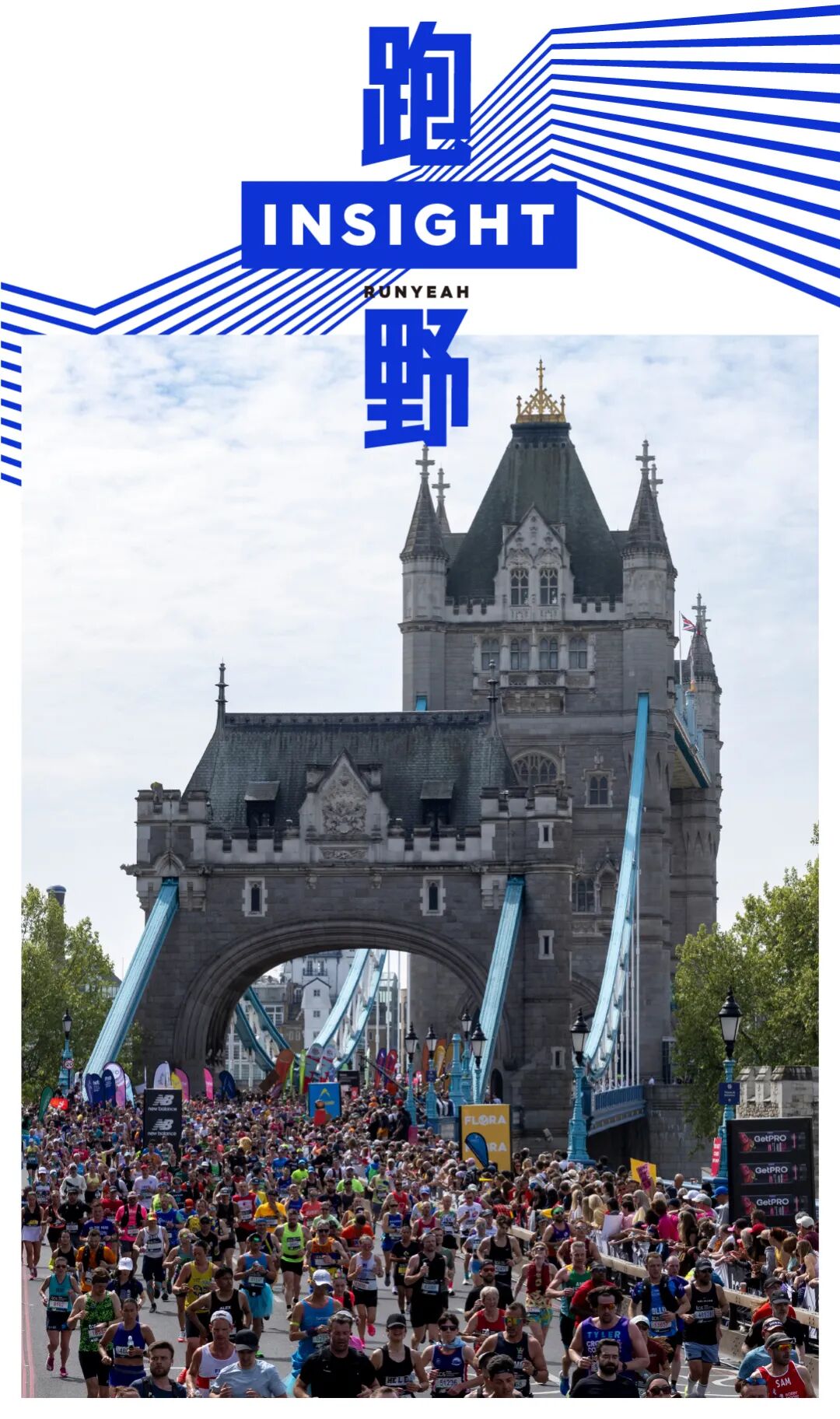
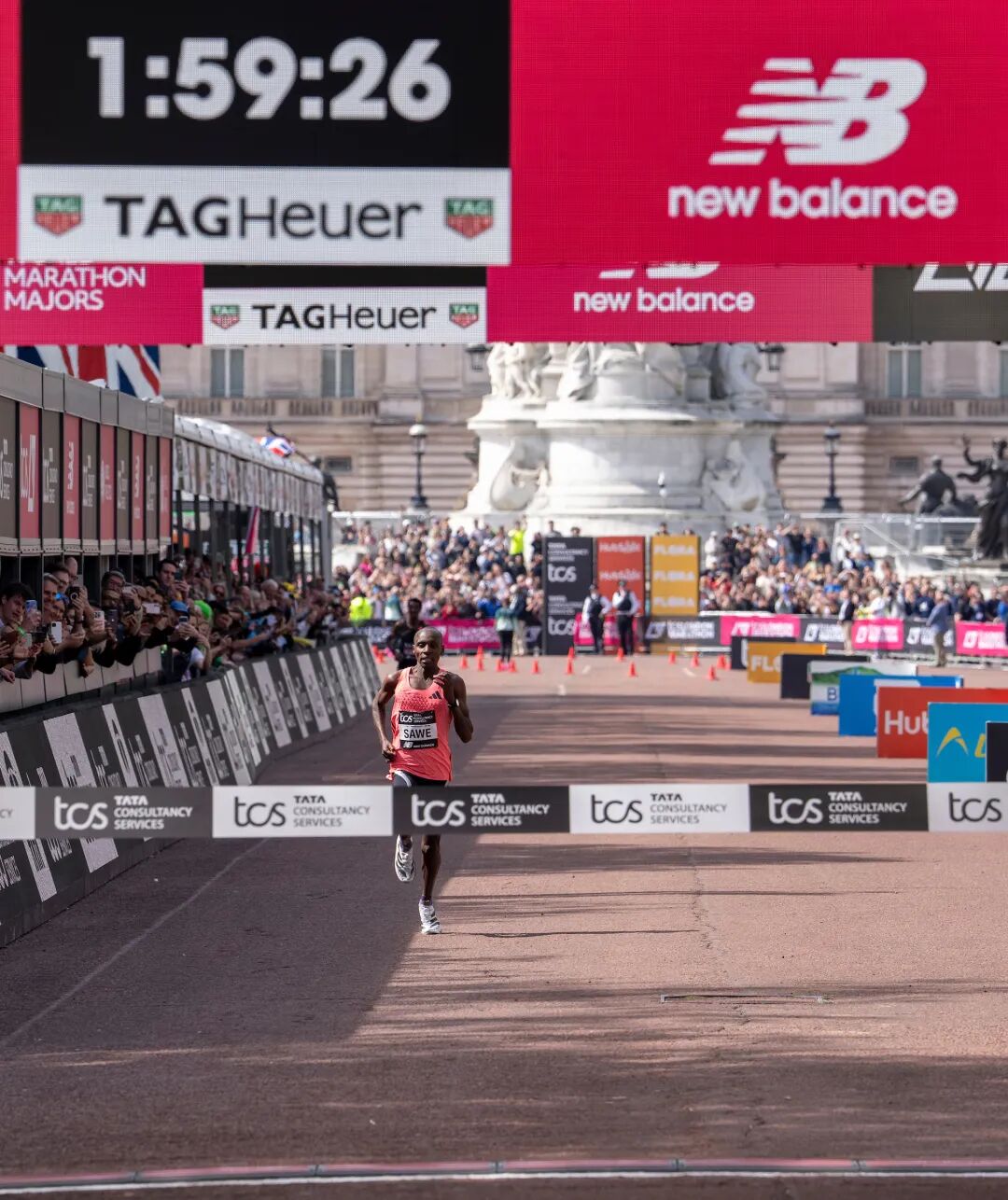
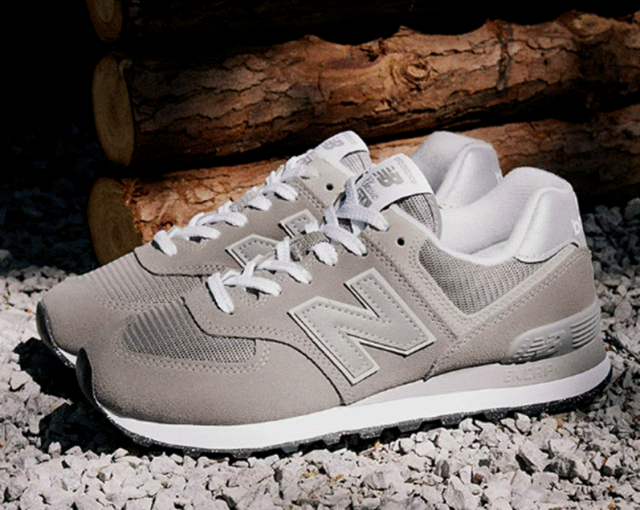
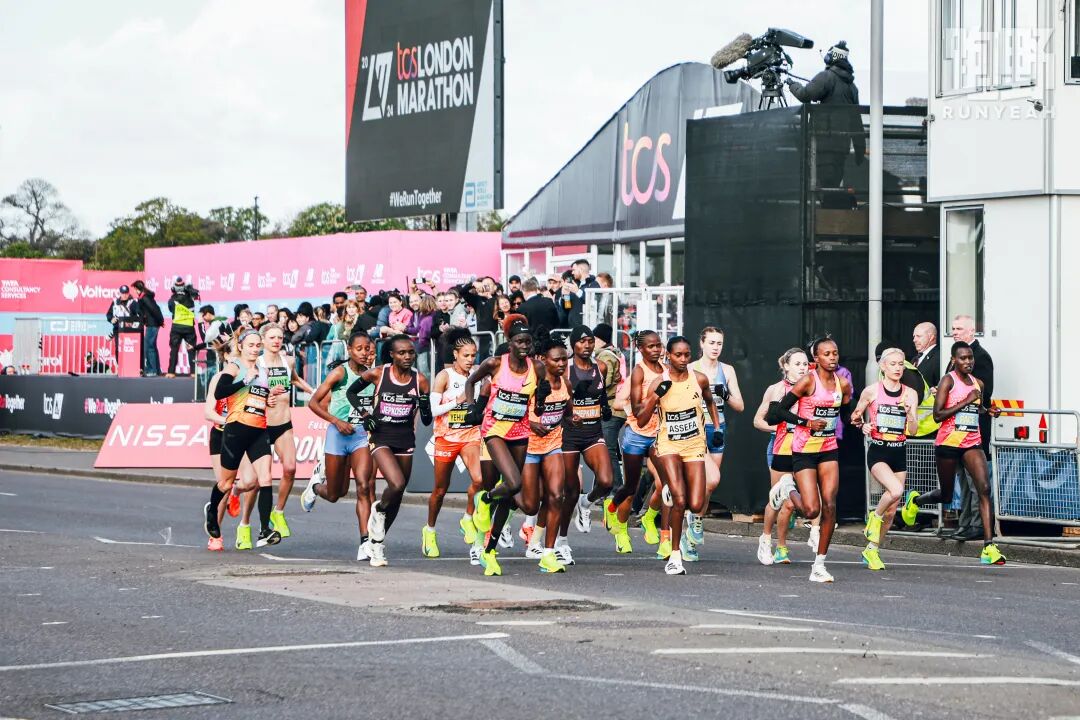
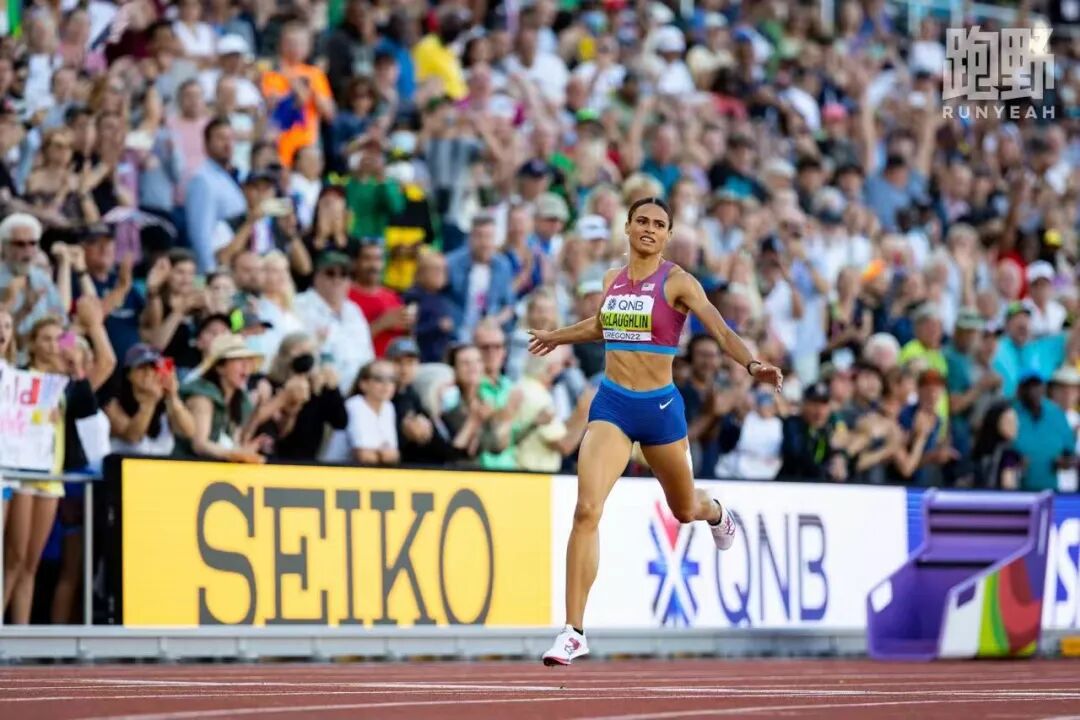
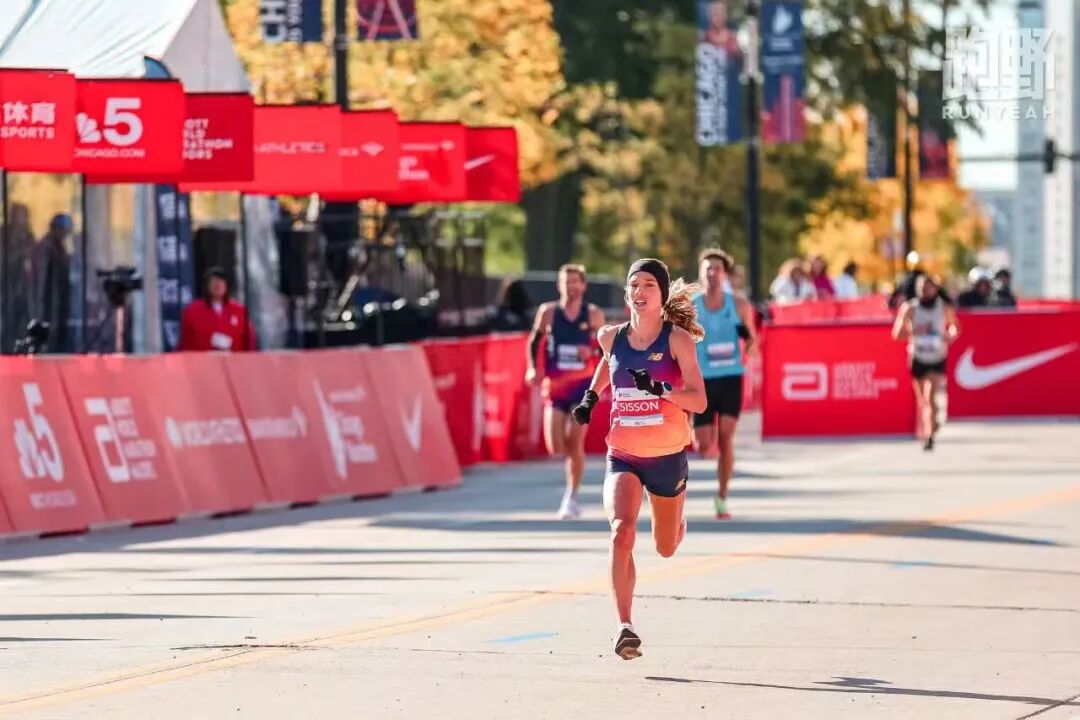
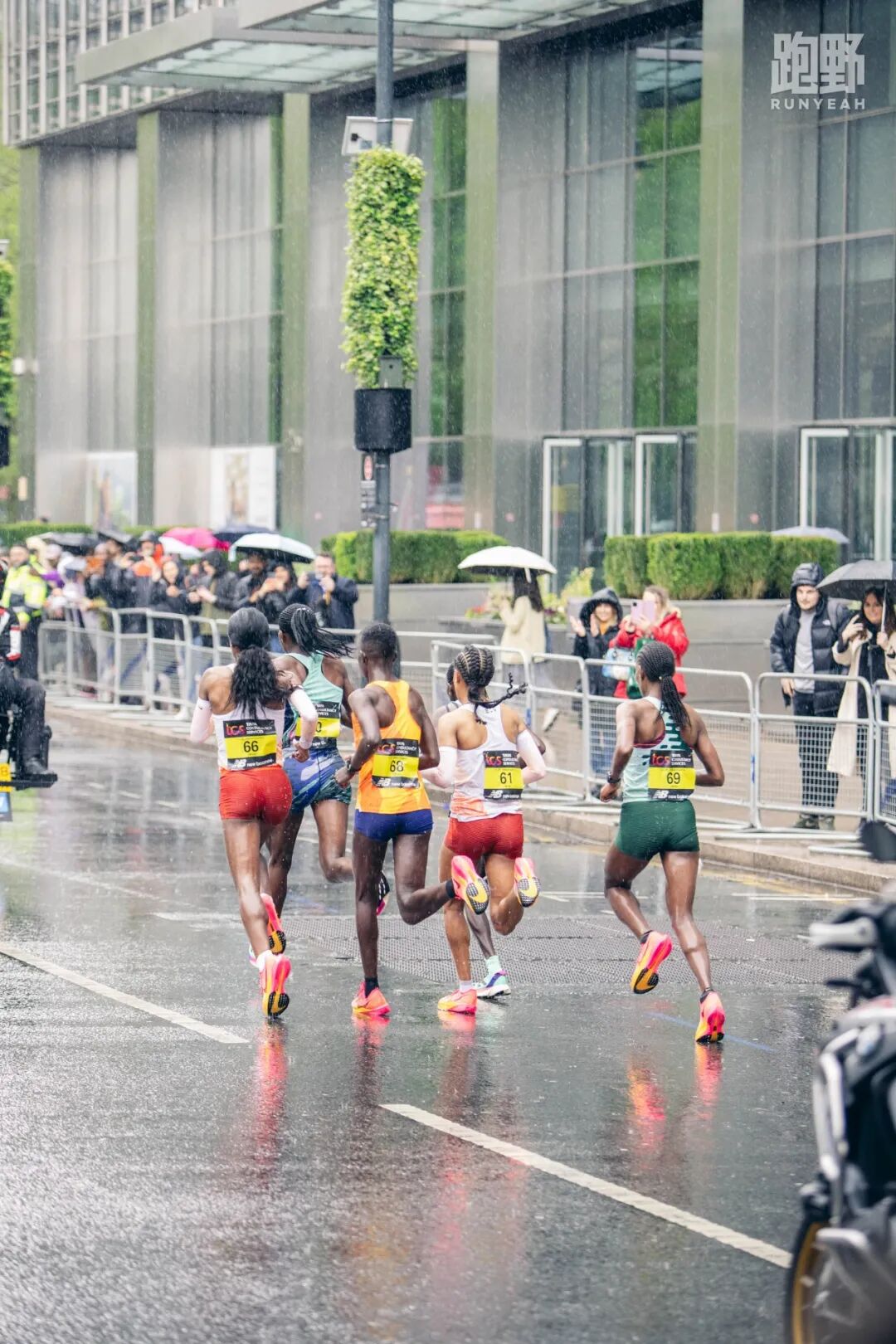
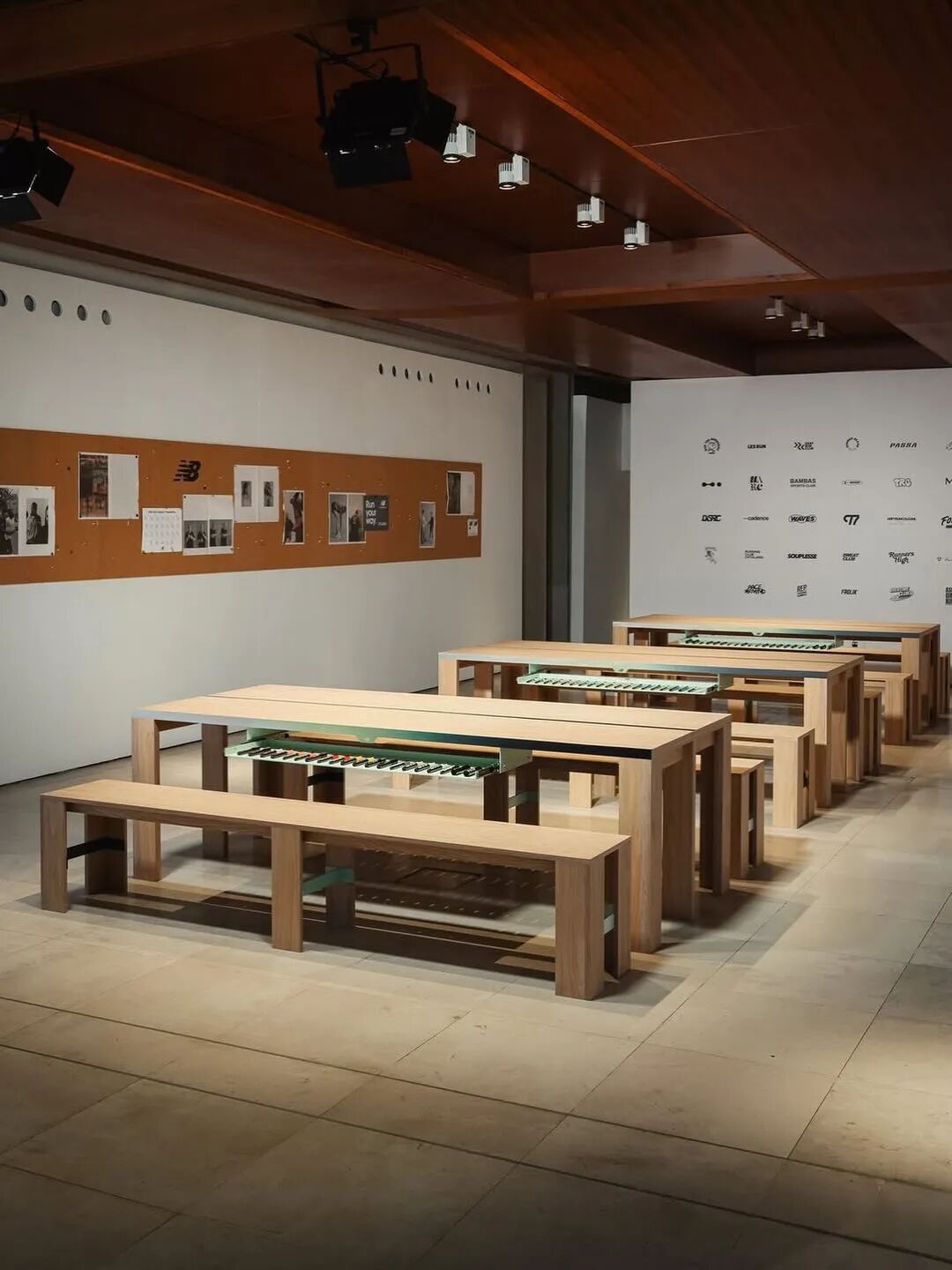
When you recall that New Balance has been the official sponsor of the New York City Marathon and the London Marathon, the partnership actually dates back to 2017. Both races are among the most influential events in the global road running market. The New York City Marathon is one of the core races of the World Marathon Majors and the most important event for the New York Road Runners (NYRR); the London Marathon, meanwhile, has long been known for its charity focus, mass participation and city-festival atmosphere. But compared with the duration of those partnerships, New Balance hasn't left a particularly strong legacy of marathon victories in the market. It hasn't, like Nike, tied together the Vaporfly, Alphafly, Eliud Kipchoge and a string of major race results; nor has it, like adidas, kept a constant presence by centering on the ADIZERO line, East African elite athletes and Majors victories; and it isn't like 特步 in the Chinese marathon market, which has repeatedly reinforced a professional running image through local top athletes, race results and mass runners. This creates a contradiction: New Balance clearly holds top event assets like the New York Marathon and London Marathon over the long term, yet it hasn't strategically signed a group of marathon champion athletes, nor has it focused its communications entirely on champion athletes. In fact, during the World Marathon Majors weeks in London and New York, you can hardly find much related content posted on its official social media. Is it strategically abandoning the brand's speed narrative, or opting for a different marketing strategy in the running market? New Balance has not been new to the running world; the brand has long emphasized its connection to running, training, and track and field. Today New Balance also offers a full running lineup, including FuelCell, Fresh Foam and other series, with products for road running, track events, long-distance training and other scenarios. But many consumers today don't encounter New Balance through performance running shoes. Especially in the Chinese market, many people first came across New Balance through retro models like the 574, 990, 2002R and 530. Those products are regarded as vintage, urban styling or "dad shoes," and they have brought the New Balance brand into more people's everyday lives. New Balance's well-known ML574EVG But looking back at New Balance in the running world, some awkwardness emerges. When a brand's lifestyle voice is strong, and it re-emphasizes serious running, it needs to do extra explaining: I'm not just about retro shoes or styling — I'm still a genuine performance running brand. This is different from the situation with Nike, adidas, ASICS and the like. Nike and adidas have long been associated with competitive sport, elite athletes and super shoes; in runners' minds these brands also have established training shoes, racing shoes and a professional running image. What makes New Balance special is that it has both a running tradition and a strong retro lifestyle presence. The latter brings a broader audience, while the former needs to be reasserted. Therefore, partnering with the New York Marathon and London Marathon is an important entry ticket for New Balance to shape a professional running brand image. In 2015 New Balance established a partnership with the New York Road Runners (NYRR). NYRR is New York's major road running organization, responsible for operating a series of events including the TCS New York Marathon. In 2017 New Balance became the official footwear and apparel partner of NYRR and the TCS New York Marathon. In 2025 the two parties announced a renewal, and New Balance will continue as the official footwear and apparel sponsor of NYRR and the TCS New York Marathon. The London Marathon partnership likewise began in 2017. New Balance announced in 2017 that it would become the official footwear and apparel sponsor of the London Marathon, saying it was a long-term agreement. By the 2026 London Marathon, New Balance was still launching official kit and offline activations around the event, such as the London Run House. Judging by the length of the partnerships, New Balance has invested nearly a decade in these two major marathon majors. What it likely needs is not just the billboards along the course on race day, but a sustained effort to pull the brand back into the running market. But event sponsorship status can't solve everything: being an official event sponsor alone won't directly drive product sales. A brand's ability to improve its image in the performance running sector depends more on the marketing and operational moves it executes around the events. This is where New Balance's situation is most delicate: despite long-term partnerships with two major marathon majors, it has not built a particularly clear marathon champion narrative. If you look beyond the marathon, New Balance actually has a strong roster in track and field. Its official athlete list includes competitors in sprints, hurdles, middle distance, long distance and marathon events. Including Sydney McLaughlin-Levrone, Gabby Thomas, Femke Bol, Jake Wightman, Ciara Mageean, Zoe Hobbs, Emily Sisson and others. Among them, Sydney McLaughlin-Levrone is one of the most dominant athletes in the women's 400m hurdles. At the 2024 Paris Olympics she broke her own world record with 50.37 seconds and successfully defended her Olympic title. Gabby Thomas is the women's 200m champion at the Paris Olympics, and also won gold with the US in the women's 4x100m relay. Femke Bol is a world-class 400m hurdles athlete; at the Paris Olympics she won bronze in the 400m hurdles and gold as part of the Netherlands' mixed 4x400m relay. Jake Wightman was the 2022 men's 1500m world champion. At the same time New Balance has been adding young distance athletes. In 2024 New Balance officially announced the signing of Parker Valby. She is a six-time NCAA champion, has held collegiate records in the indoor 5000m, outdoor 5000m and 10000m, and competed in the women's 10000m final at the 2024 Paris Olympics. New Balance has also signed marathoners — Emily Sisson is one of them; she is a prominent athlete in US long-distance and marathon running. But in terms of global major marathon champion memory, it has not, like Nike or adidas, continuously tied one marathon champion after another to one racing shoe after another. And in recent years the marathon athlete most talked about, Alex Yee (Yu Lisheng), is actually a triathlete. So New Balance's investment in signing athletes is not small. It has world-class athletes in sprints, hurdles, middle and long distance — including Olympic champions, world champions and world record holders. But these partnerships are more distributed across the track rather than concentrated on the marathon podium. That makes New Balance's partnerships with the New York Marathon and the London Marathon even more worth examining: having held these two majors' resources for so long, what is the real purpose? Possibility one: constrained by the brand's running-market budget considerations. Partnership fees for major marathons are not small. Regarding the New York Marathon there is a public report for reference: Sports Business Journal reported in 2015 that the then-announced 11-year deal between New Balance and NYRR was worth about $90 million, though NYRR did not confirm that figure. The London Marathon partnership amount was not publicly disclosed. When New Balance announced the partnership in 2017, it only mentioned a long-term agreement and said the brand would make annual contributions to the London Marathon Charitable Trust. Holding the official footwear and apparel rights for both New York and London over the long term already represents a significant chunk of brand marketing spend. Looking at New Balance's revenue scale: the company's 2025 business update showed global sales of $9.2 billion that year. But in the global sportswear landscape it's not on the same scale as Nike or adidas. Nike's fiscal 2025 revenue was $46.3 billion, adidas' 2025 net sales were €24.811 billion. ASICS' 2025 net sales were ¥810.9 billion. So you can't simply say New Balance doesn't have the money to sign marathon champions. A more accurate way to put it is: within the running marketing budget, holding long-term rights to two majors like New York and London inevitably affects priority in resource allocation. But at the same time another question emerges: once acquiring event rights becomes a long-term heavy investment, will New Balance plan to build a high-cost marathon champion matrix in the future? If it were to, it would have to continue shouldering top athlete signings, prize incentives, agent resources, race selection, equipment R&D and communications investment. For New Balance, the calculation isn't merely whether it can afford the signings, but whether it's worth concentrating brand marketing budget more heavily on this champion narrative. You've already spent so much — why not spend another few million dollars. Possibility two: these two events give 'Run Your Way' more narrative space The seven majors each have different characteristics. The Berlin Marathon is most associated with records: its course is flat with little elevation change, and organizers even call it one of the flattest of the majors. Chicago is similarly fast, and many runners link it with PBs and a quick course. Boston's core is its qualification threshold — a BQ is in itself proof of serious runner ability. Tokyo is more like the key entry to the Asian market and is discussed by runners for its event organization and service details. Sydney, as a newer major, fills the entry to the Southern Hemisphere and the Australian market. New York and London’s strengths aren't purely about being 'fast'. The London Marathon is not just elite competition — it's long been linked to charity and mass participation. The New York Marathon runs through all five boroughs and is NYRR's flagship event; its public memory includes Staten Island, Brooklyn, Queens, the Bronx and Manhattan, neighborhood spectators and images of an entire city connected. These two races of course also have elite athletes and champion narratives. But if a brand wants to tell running as a story of city, community and everyday runners — not just who is the fastest — New York and London provide a much larger narrative space. This may be another reason New Balance partners with these two events. Based on the brand's actual activities, it has indeed used the event partnership rights to better tell the 'Run Your Way' brand philosophy, extending cooperation over a longer period: race week, runner services, shoe testing, running club activities, official kit and city spaces. In New York, the NYRR RUNCENTER featuring the New Balance Run Hub opened in 2017. It's not a simple race pop-up but a long-term runner service space, including run education, training activities, footwear and apparel retail, and Test Run programs; through Test Run, runners can try New Balance's latest running products and even experience new releases before global launch. In London, New Balance opened the London Run House during the 2026 TCS London Marathon, open to runners, creative communities and the public, featuring London running culture films, post-race medal engraving, shoe try-ons, and product experiences including the FuelCell SuperComp Elite v5 and the 1080 v15. London Run House Viewed from this angle, New Balance's failure to turn major partnerships into a champion narrative may not be a strategic misstep. It may prefer to cultivate a broader set of relationships through New York and London. But this assessment can only remain a "maybe". From the outside it's hard to see clearly whether the brand values exposure, sales and runner conversion, or the restoration of a professional running identity. When runners buy a race shoe, it ultimately comes down to concrete questions: what is the midsole made of? What's the carbon plate structure like? How much does it weigh? Is the rebound sufficient? Is it stable in the later stages of a long race? Have pro athletes worn it to results? These questions are more direct than a brand slogan. New Balance of course also has running products. The FuelCell SuperComp Elite is its race-day racing shoe, and products like the 1080 and Rebel have their own users. But in the marathon racing shoe arena NB has not yet, like Nike or adidas, created a very clear champion or 'record' memory. This raises a practical question: a runner's first contact with New Balance may be through the New York Marathon, the London Marathon, Run House or running club activities. But when they actually want to buy a racing shoe, can New Balance make it into their top three options? If the answer is uncertain, the goodwill generated by major partnerships may not directly translate into product choice. New Balance hasn't been absent from the marathon market. It secured New York and London Marathon rights, signed a number of world-class track and field athletes, and is creating running spaces and official event products. But it hasn't taken the most common path of rapidly building a speed memory through marathon champions, super shoes and major results. The path New Balance is on may require a longer market validation cycle. What it needs to prove isn't whether it has running stories, but whether New Balance can be a front-of-mind choice when a runner stands in front of the shelf ready to buy a race shoe. That may be the question New Balance most needs to answer after its long-term partnerships with the New York and London Marathons.
# Do you think New Balance will change its situation this year?# One lucky fan will be randomly selected,and given a hat!
Tap "Like" and leave a comment belowShare this article to your Moments to enter the giveaway If winners fail to participate in the giveaway as required, they will be considered invalid,Paoye Dabaozha reserves the right of final interpretation Interaction deadline:May 13, 2026
Text:Rowan /Editor:xiaocai Image: Internet /Visual: Max