

If we rewound time back to 2014 , what was the running world like then?
It was an era dominated by “neon color”.The shelves of major sports brands were filled with high-saturation fluorescent yellow and green, meant to make runners visible to cars during night runs, and to cater to the mass fitness market's “dynamic”stereotyped notion. At that time, running was packaged as a simple healthy lifestyle——from the sofa to 5 km, anyone could take part, and everyone was a winner.
But in that noisy running boom, one group felt left behind. They weren't running to lose weight, nor for Olympic gold. They were running for that vague yet solid 'personal pursuit' they ran. Serious and disciplined, they log over 100 km a week yet can't find on the market a single, unfussy piece of gear that represents their identity.
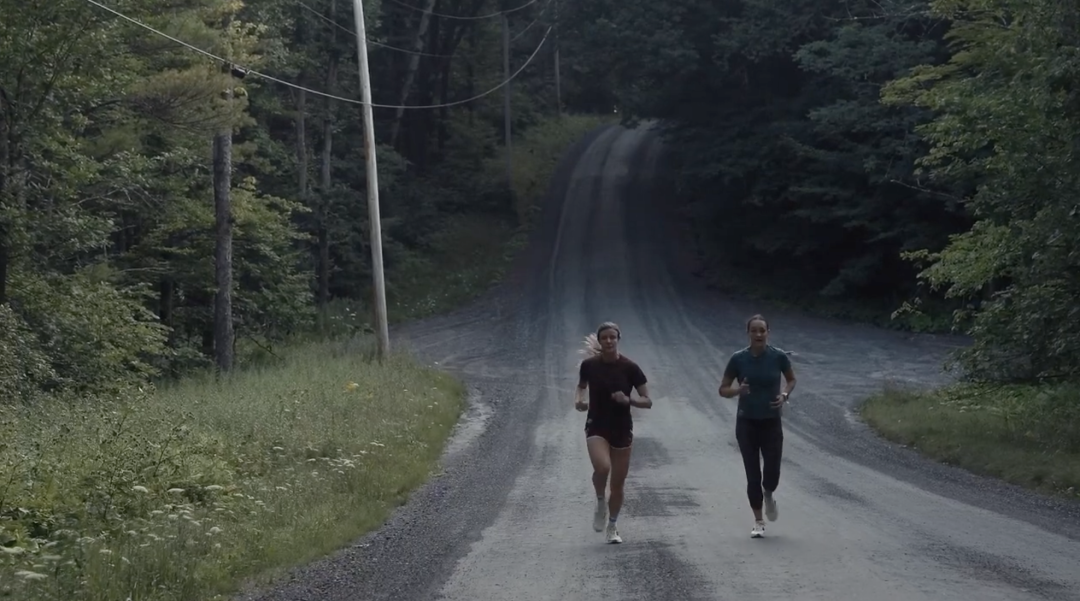
Twelve years on, as we stand at 2026 and look back, we find a brand called Tracksmith that has completely changed everything. It didn't just change what we wear; more importantly, it changed how the sport of running is portrayed.
Butthe beginning of all this did not start with 2014 Boston; rather, it was buried in a mid-1990s memory of founder Matt·Taylor (Matt Taylor).

For young Matt·Taylor,mid-1990s running media was dull. At that time, about to start college, he was still a young man passionate about running.
Until that issue of Runner's World (Runner's World) appeared before him.
It was a feature on Marc·Davis(Marc Davis)的特稿。在那个年代的长跑圈,戴维斯被视为“a bad boy”——Of course, that 'bad' was the kind found in the relatively conservative context of the 90 s distance-running era's “bad”。但真正击中泰勒的,并非戴维斯的叛逆,而是那篇文章的呈现方式。
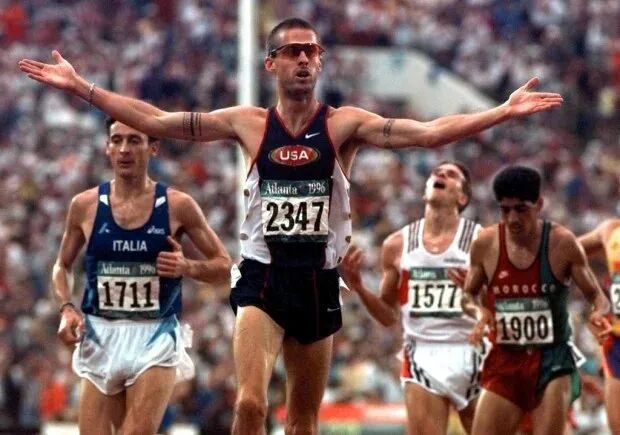
"Its photography and writing style were unlike anything seen before in running magazines."Taylor recalled in an interview with Raziq Rauf The piece not only recorded results but captured the subject's soul; it carried the texture and depth of a fashion magazine and stood in stark contrast to the running media of the time, which were full of dry training plans and gear specs.
Not until 2025 did Taylor finally learn the truth behind the"spark" that had lingered in his mind: the article had originally been written for the top men's fashion magazine 《GQ》. It had been slated to appear on the eve of 1996 Atlanta Olympics. But in the end 《GQ》passed on it, and the piece was sold to 《Runner's World》.
This was originally a chance"misstep", but it made the young Taylor realize: Running can actually be cool, full of story, even sexy.
This awakening of awareness became the origin of what would later be the core of Tracksmith 's most central “storytelling(Storytelling)” ability.

Inspired by that feature, Taylor did something that at the time seemed rather crazy.
He self-funded visits to the United States' top trail running(Cross Country)program's strongest 11 universities. He had no sponsors, no lavish production crew—just a backpack and boundless enthusiasm. He stayed a week at each school, slept on whatever couch he could find, and spent each day writing, taking photos, and filming short videos.
He named this series "Chasing Tradition" (Chasing Tradition), and published it on his personal website.
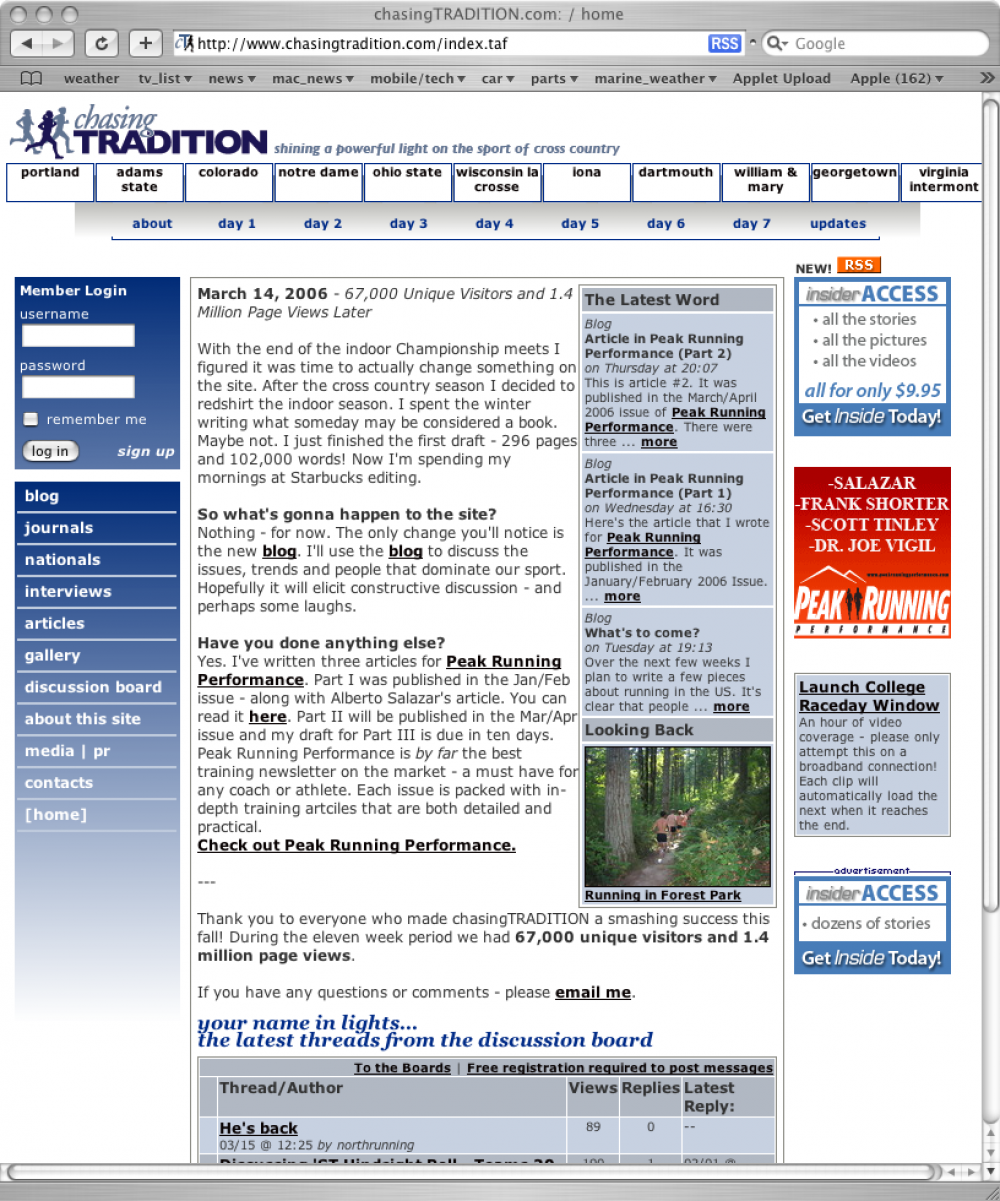
“When it comes to writing, photography and videography, taken separately, I'm only average at each — maybe even below average,”Taylor joked,“but back then I was the only person combining all three to create this kind of content.”
It was on the eve of the social-media explosion—there was no Instagram,没有 YouTube running-documentary boom. Taylor used something like an anthropological field-study approach to record the lives of college runners. He focused not only on their training pace, but even more on their daily lives—the kind of collective life that, while unsung, was intensely disciplined and fiercely passionate.
That portfolio became his calling card. Afterwards, he gained more opportunities, including the documentary Chasing KIMbia, as well as the film he produced for the New York Road Runners(NYRR) during the 2008 Olympic trials, titled Chasing Glory。
Even in his last job before founding Tracksmith ——while serving as head of running marketing at Puma — his task was to tell the story of Jamaican sprint superstar Usain Bolt.
From 1996 , when I first encountered Mark Davis's article, to 2014 , when Tracksmith was founded, and in the nearly 20 years between, Taylor has been honing the same skill: how to tell the story of running in the most perfect way.

In 2014 Tracksmith was officially founded. From day one, it felt “out of place”.
It didn't pander to beginner runners, nor did it preach“Just getting moving is a victory”. Instead, it hoisted“The Amateur(enthusiast)”的大旗。在 Tracksmith 's dictionary,Amateur returned to its Latin rootamator”——meaning“enthusiast”.
They are targeting the group called the"Running Class": serious runners (Committed Runner).
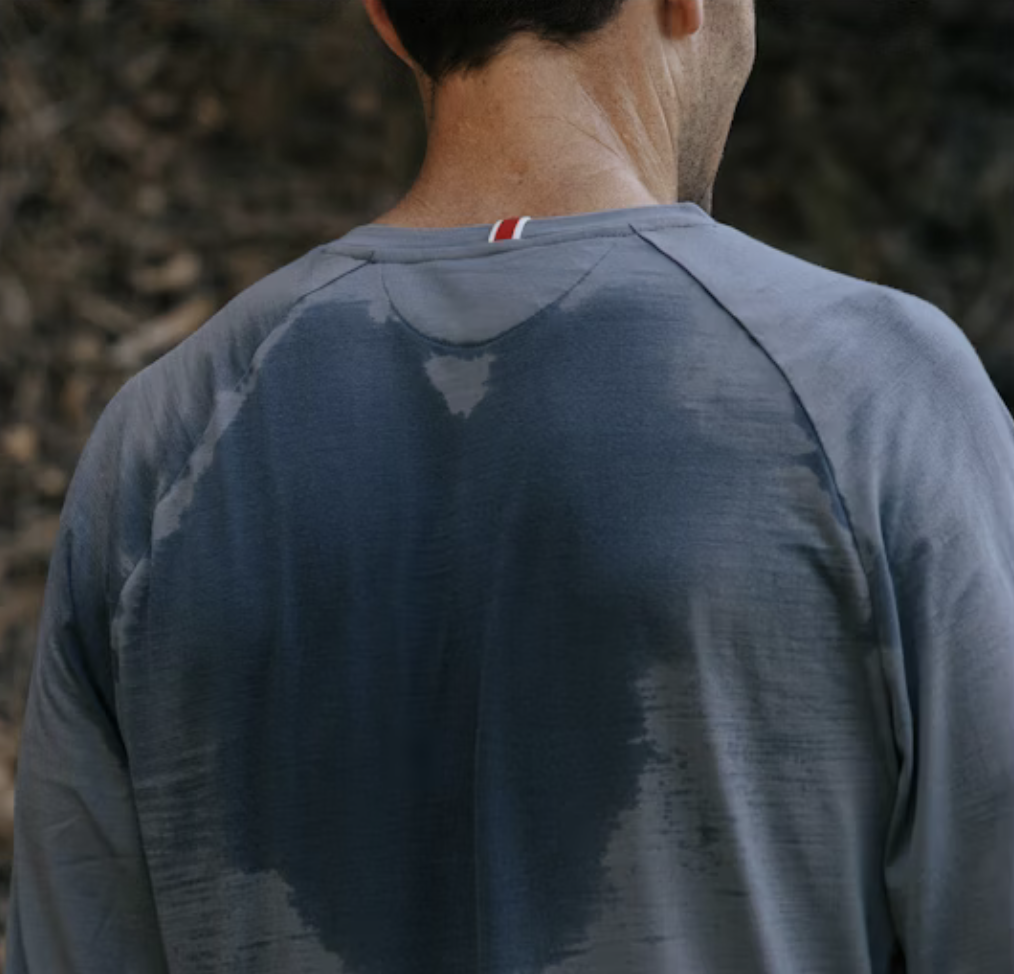
Taylor explained:“We know that the average income among runners is higher than that of the general population. If someone can devote time each week to running 112 kilometers, it not only takes strong willpower, but often also indicates they have the financial means to support that free time.”
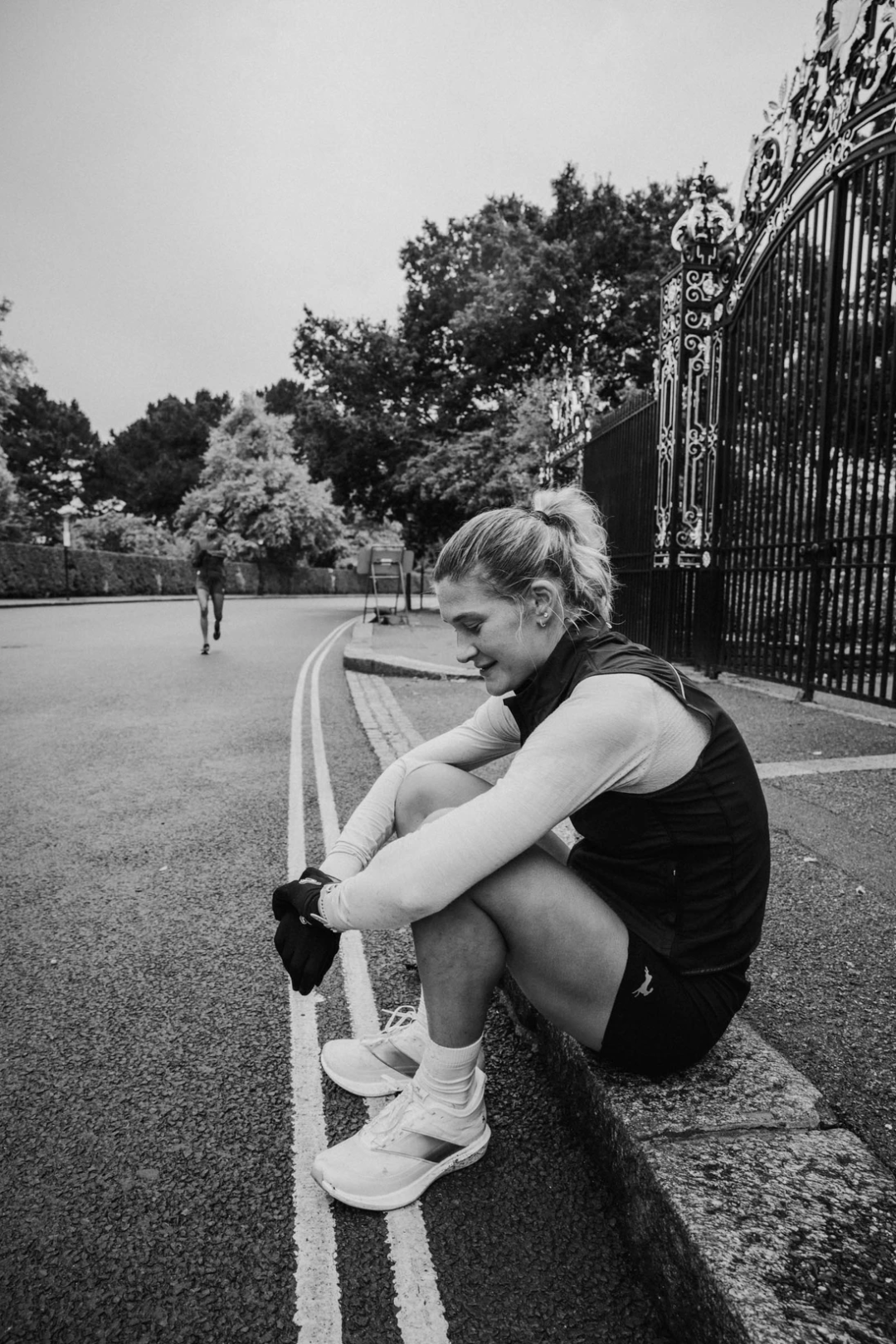
This positioning Tracksmith quickly became a“symbol of desire”, and was regarded as the running world's“luxury item”. Its signature vintage sash(Sash),以及新英格兰常春藤盟校风格的视觉设计,让它在跑道上极具辨识度。
But this also sparked huge controversy.
On the internet, some have accused Tracksmith has become synonymous with “elitism”, with some even criticizing its brand image as overly narrow and lacking inclusivity. For a brand that grew by relying on community and word-of-mouth, such accusations are dangerous.
However, Taylor showed remarkable candor and resolve about it.
“Over the past ten years, the only thing that has truly bothered me is when people say:‘Tracksmith doesn't represent me’,”Taylor said,“So what? My job isn't to create a brand for everyone.”
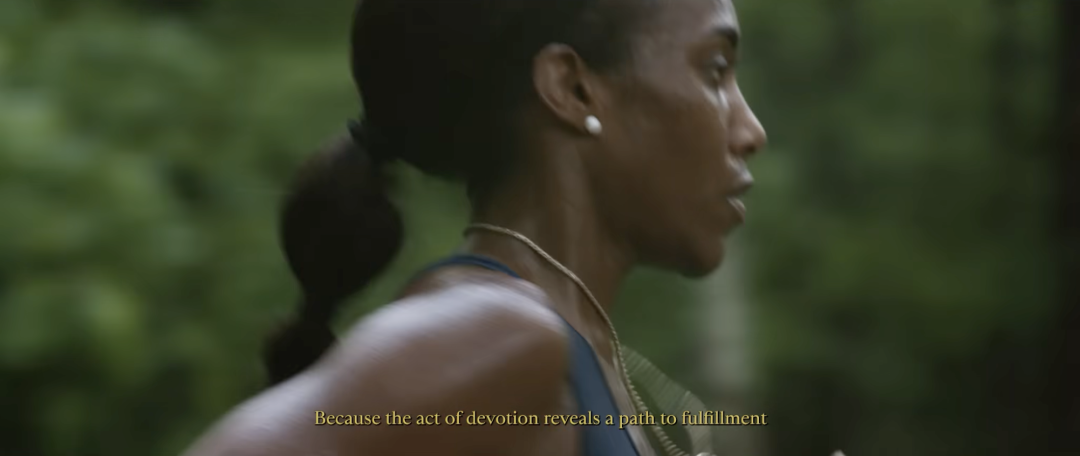
This sentence, in the 2025 context, sounds particularly jarring, but it's also painfully true. Taylor believes, the result of trying to please everyone is often a brand with no distinct identity. He'd rather be"hated", and be"deeply loved".
This kind of“courage to be disliked”, may be precisely Tracksmith the reason it has so many die-hard fans.Even those who dislike Tracksmith can't deny the brand's profound influence on modern running aesthetics. Many of the sleek running boutiques and visually driven indie running brands we see today, more or less, carry Tracksmith 's imprint.

If Nike is sellingvictory, ASICS is sellingtechnology, then Tracksmith is sellingculture.
Taylor firmly believes:“The entire premise of my career is an insatiable desire —— to change the way running is perceived. And the only way to change perception is to change its presentation.”
He did it.
Take a look at the running world in 2025 : independent magazines like "Like The Wind" remain resilient, and specialized outlets like "Citius Mag" are thriving, Instagram is full of millions of running accounts sharing their stories, YouTube is awash with running documentaries.
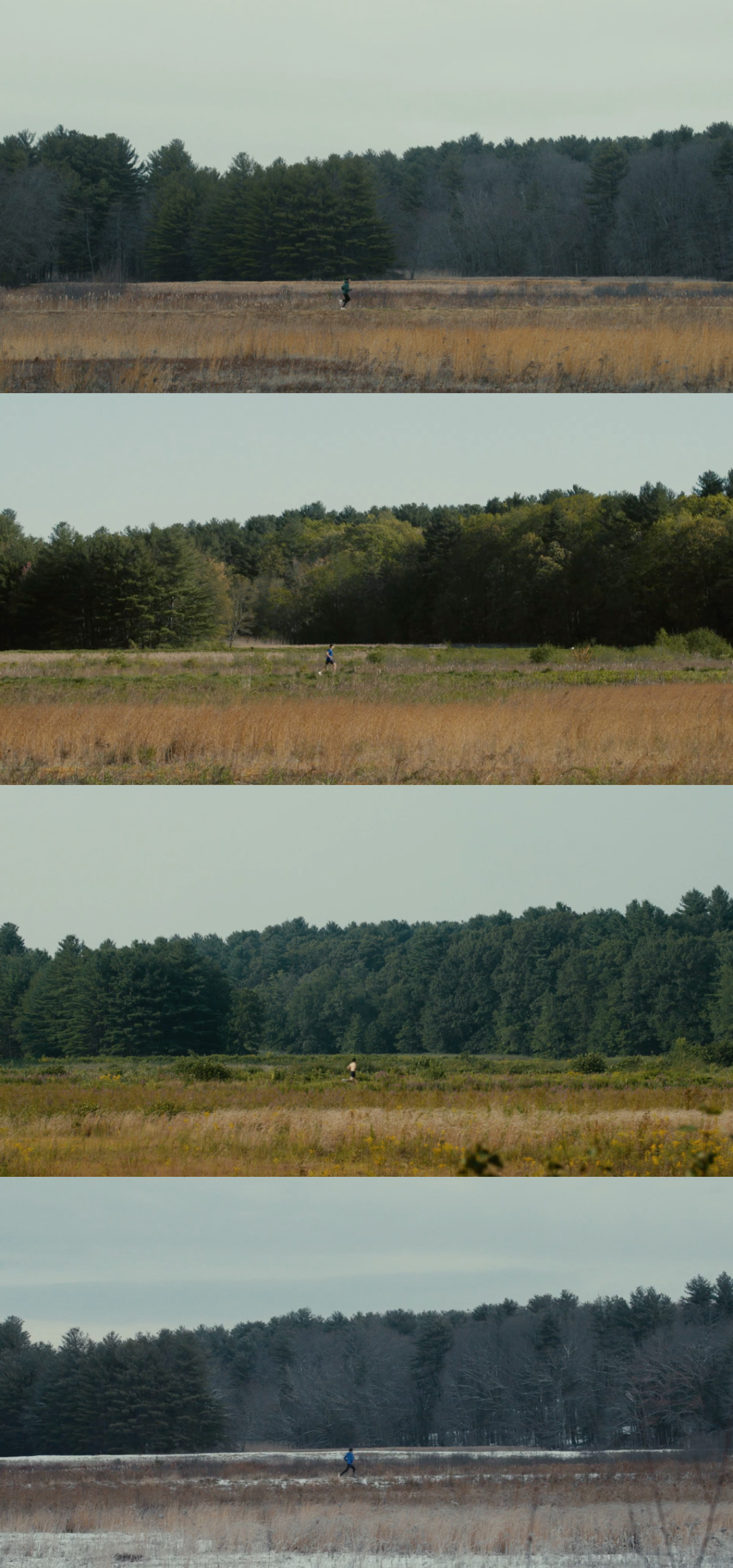
As Rauf put it in the piece:“If you condense these 20 years into a snapshot, much of the vast amount of high-quality running content we have today can be attributed to the guy who, back then, wanted to change the way running was narrated.”
Tracksmith did more than just sell a few vests priced 560 RMB vests; it proved that serious running (Competitive Running) is itself a culture worth celebrating. It makes those who wake up at 5 a.m. to get up for training, and to pursue PB ordinary people who feel like protagonists; they feel their sweat is not only for health but for a kind of classical, heroic pursuit.

Now, Tracksmith has been around for eleven years.
From the original GQ-rejected 'bad boy' story, to the days Taylor slept on a college dorm sofa with a camera, and on to today's global Trackhouse and community events, the through-line is clear.
Matt·Taylor didn't invent running, and he didn't invent running gear, but he reinvented the way we see runners.
In this restless age,Tracksmith is like a stubborn sentinel, reminding us: running is not merely about working up a sweat; it's about tradition, about style, and about that soul that converses with itself along the long course.
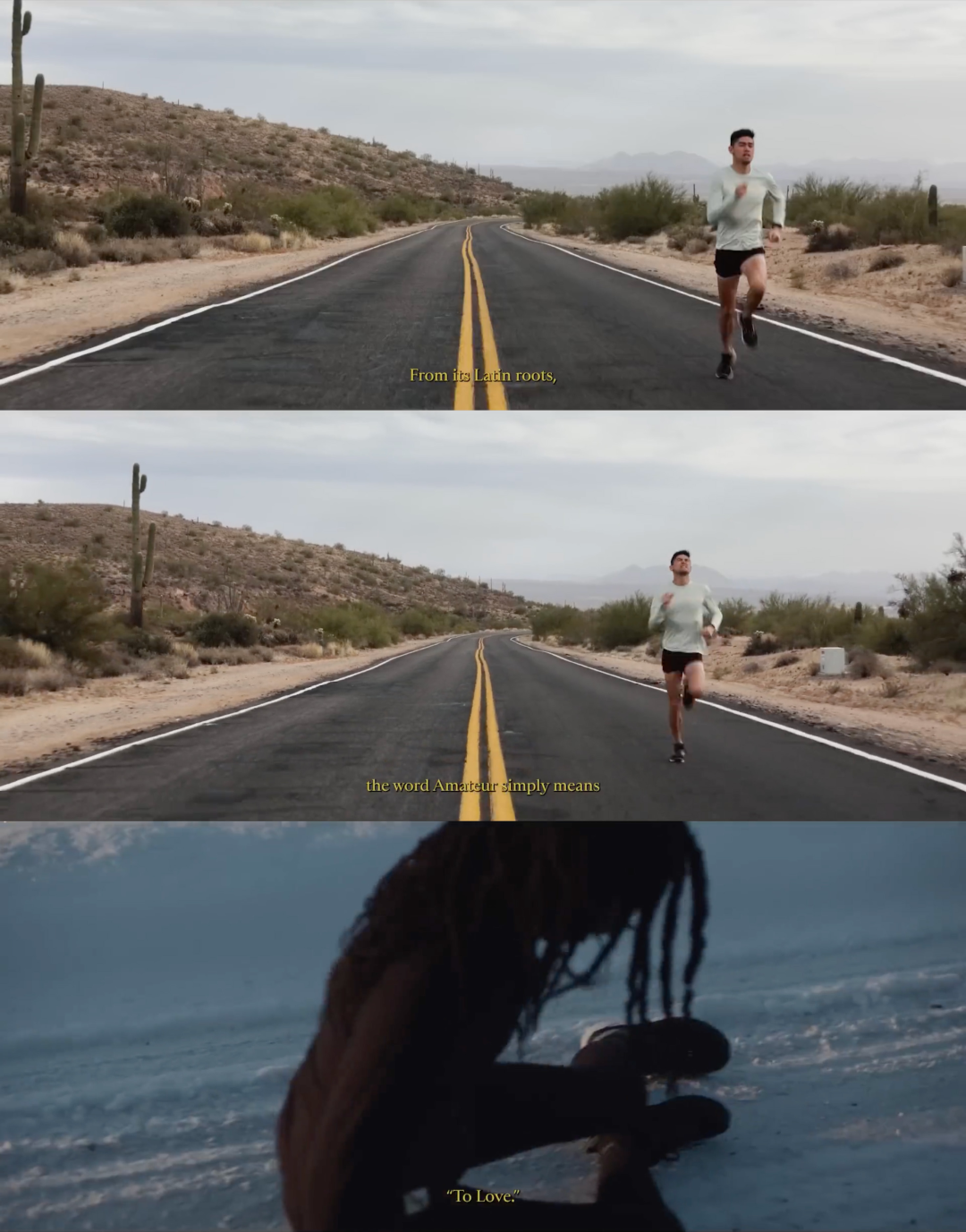
For the group long overlooked by major brands —"serious runners",Tracksmith 's arrival felt like a long-overdue tribute. And for the running industry as a whole, these twelve years have been the crucial phase in its return from"fitness tool"back to"sports culture".
This is how Tracksmith is changing the running world.