

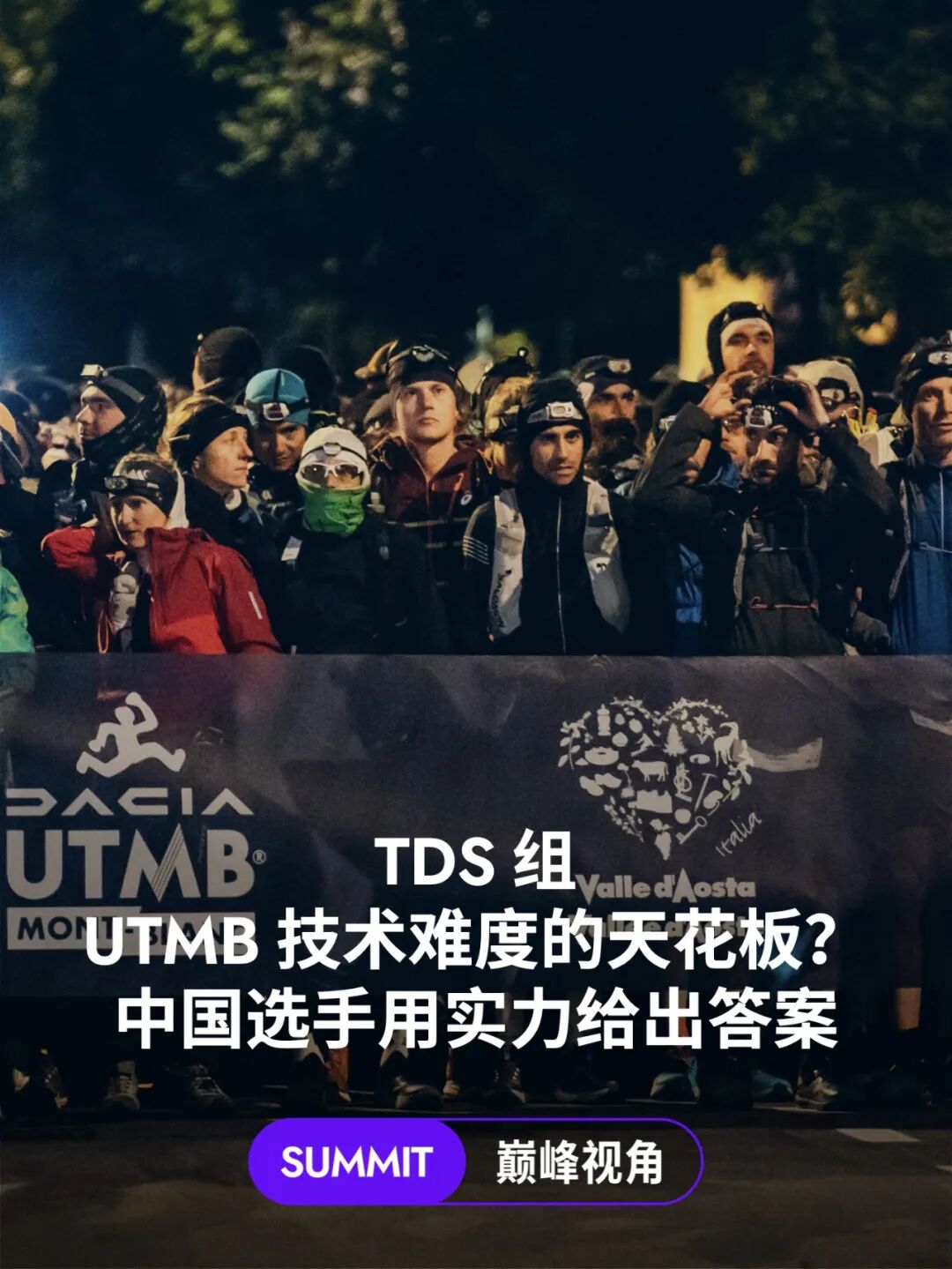
TDS is often considered the most technically demanding category in the UTMB finals. The course starts in Courmayeur, Italy, and finishes in Chamonix, France, winding along the ancient trails of the Dukes of Savoy.
Since its creation in 2009, the course hasn't been static and has undergone two major revisions.
At its inception the course was about 106 km with roughly 6,700 m of elevation gain; from 2012 it adopted the classic route of roughly 119 km and about 7,250 m of ascent.
Later, because the latter half overlapped extensively with the UTMB main course, the organizers wanted an independent, purely technical route that showcased the raw wilderness of the Beaufortain area; in 2019 they revised the route, bringing the actual distance to about 145–153 km with over 9,100 m of ascent.
TDS has never been an easy course. On such a notoriously demanding route, what have Chinese runners produced?
01
Early days of TDS
China's footprint
2009 was the inaugural year for the TDS category; at that time ultra-100km races were rare in China, and almost no domestic runners had ventured into top international mountain trail events.
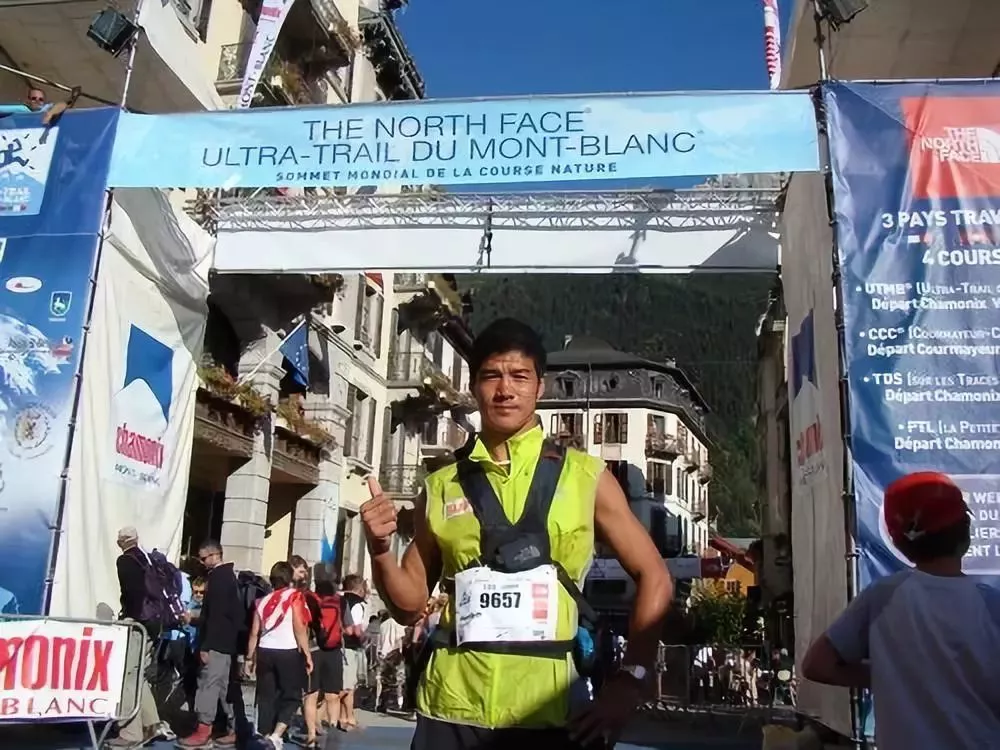
In that same year, Chen Penbin traveled alone to Chamonix, becoming the first Chinese man to compete and finish the TDS, ending mainland China's absence from this prestigious race.
©Online
Chen Penbin, in his first attempt at an international ultra mountain race, held firm under pressure and finished in an excellent 17:22:40, placing 26th in the men's field and 27th overall.
In an era when Chinese trail runners had not yet gone abroad, that result was not just a personal breakthrough but the first mark of Chinese presence on the TDS stage.
From 2010 to 2017, these eight years were a rapid growth period for Chinese trail running: domestic 100 km and 100-mile races gradually emerged and a group of top runners began specializing in long-distance endurance routes, but attention largely remained on popular categories like UTMB and CCC, with TDS still a relatively niche choice.
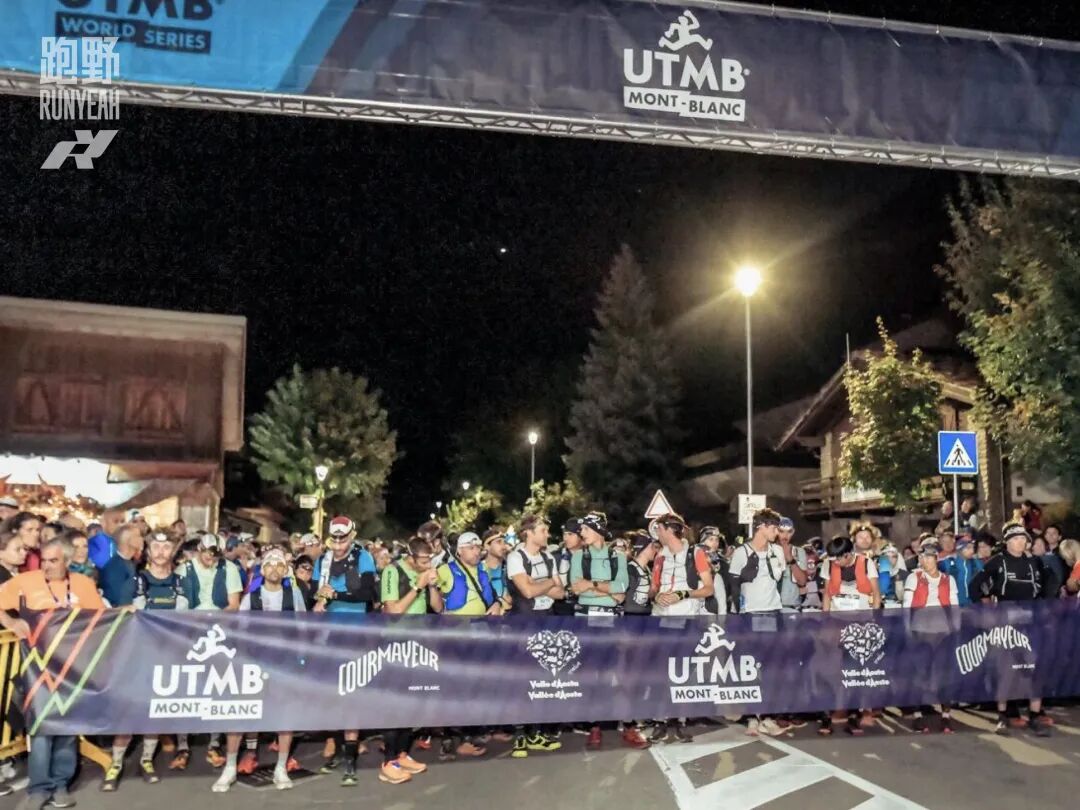
During this incubation period, domestic elite runners continuously accumulated mountain trail experience, adapted to the rhythm and conditions of international races, and quietly honed their technical skills, endurance and wilderness emergency abilities.
Yang Jiagen raced TDS in both 2015 and 2016; in 2016 he finished in 18:02:46 for 18th in the men's field, making up for the disappointment of not finishing in 2015.
Trail pioneers like Yun Yanqiao and Xing Ruling also began campaigns in the UTMB series, repeatedly racing categories like the CCC and accumulating extensive experience on Alpine terrain. Their daily accumulation set the stage for the collective breakout in 2018.
02
Chinese men and women
Top ten in the TDS field
2018 was a milestone year in China's TDS history: multiple Chinese elite athletes gathered in Chamonix and shone on the TDS course, completely rewriting the competitive landscape for Chinese runners in this category.
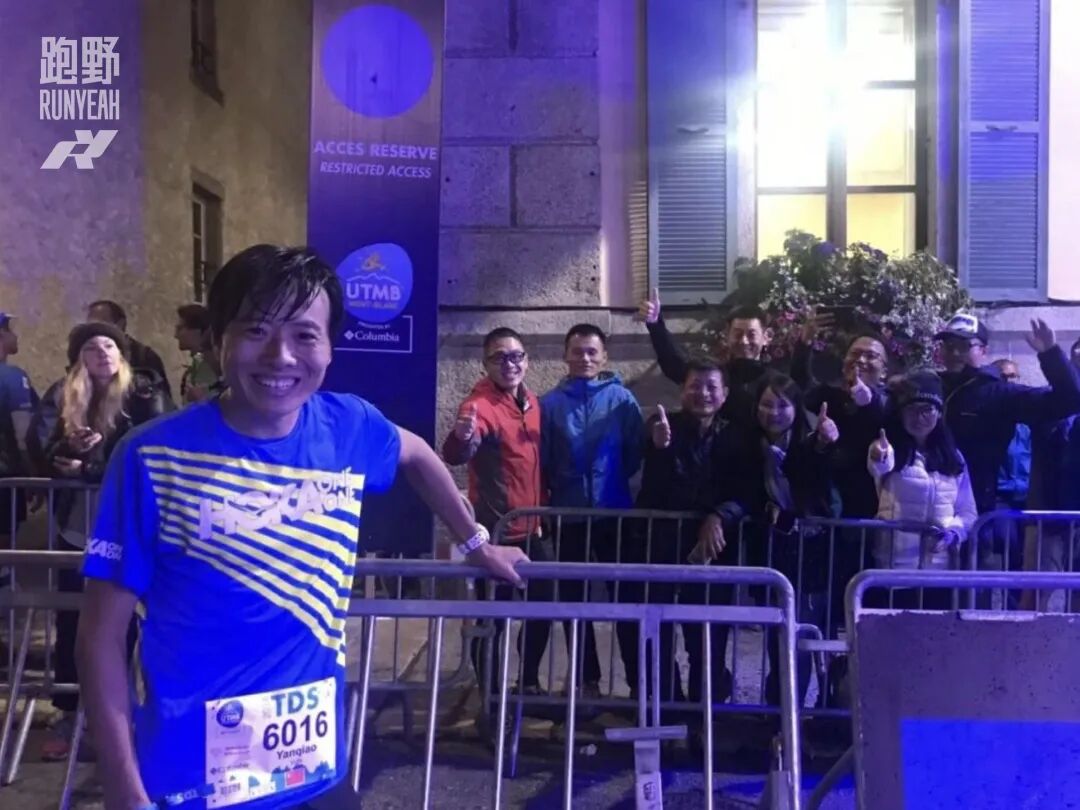
A minor pre-race incident occurred: to cope with possible bad weather the organizers adjusted the start time and route—pushing the start back two hours and canceling the hardest section (the 2,567 m Passeur de Pralognan). The modified course was about 123 km with approximately 7,000 m of ascent.
On the men's side, Yun Yanqiao, Deng Guomin, Liang Jing and Wang Yang competed together. Ultimately, Yun Yanqiao produced an excellent 15:04:10 and, tied with Venezuela's Moises Jimenez, finished 10th overall—the best-ever TDS result for a Chinese man at the time.
Deng Guomin suffered leg cramps during the race but still finished in 19:06:26. Liang Jing's UTMB debut was marred by severe stomach pain caused by drinking too much cold water during the race; she finished despite the injury, while Wang Yang regrettably did not finish due to injury.
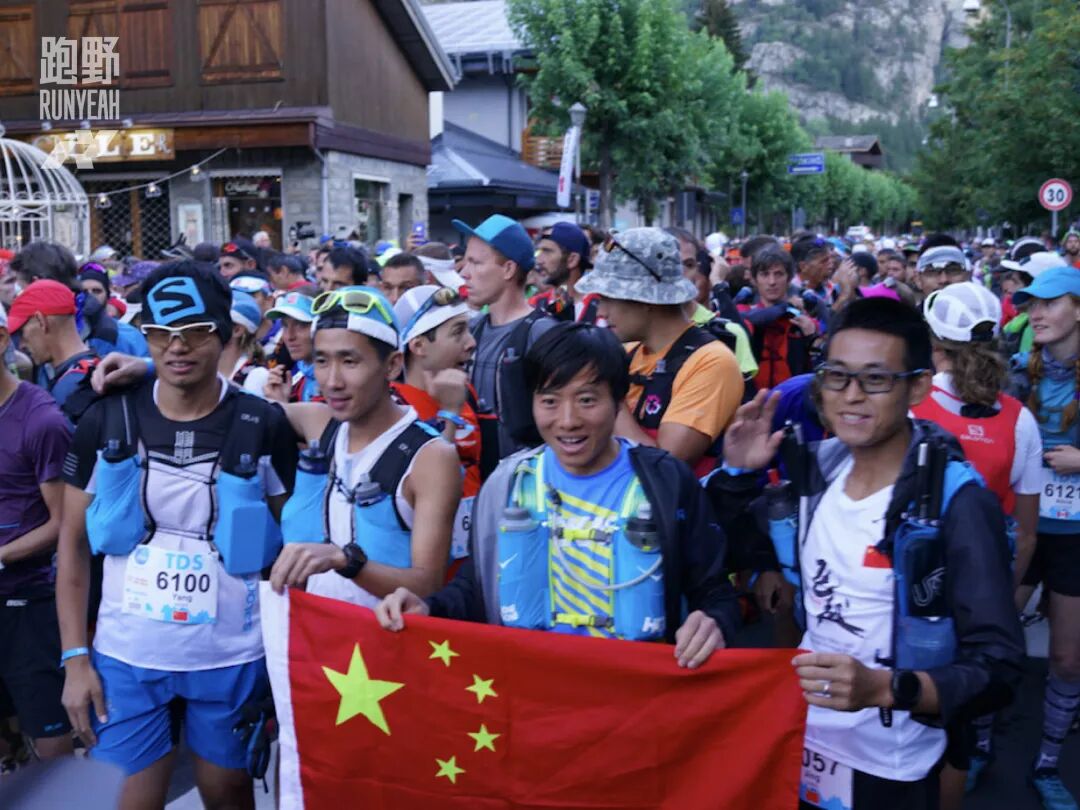
Although the race was full of twists, the image of the four of them together at the start became a classic snapshot of that generation of China's trail-running "brigade" on their European expedition.
On the women's side, "Xiaoka" Ma Yanxing also pushed hard—coming 12th in the UTMB category last year and this year aiming for the UTMB Grand Slam, she ran 19:24:12 to finish in the women's top ten (9th female, 84th overall), becoming a benchmark for Chinese women in TDS.
Having one male and one female trail elite both break into the global top ten let the world truly see the strength of Chinese runners for the first time.
03
After the TDS route changes
Chinese runners' performances
After 2019 the TDS course distance and ascent went through frequent iterations, with difficulty steadily increasing and higher demands on athletes' overall abilities.
Yun Yanqiao raced TDS for two consecutive years and stunned with 18:52:24 to take 6th overall, surpassing his own previous best as the highest finish by a Chinese man in TDS—and also the highest-ever finish by an Asian athlete in the category.
Then, from 2020 to 2021, due to global events the UTMB series scaled back and entry slots tightened, hindering Chinese runners from traveling to France; the TDS field briefly lacked Chinese faces. Yet domestic trail training and race preparations never stopped, and a new generation quietly matured, waiting for a chance to return to Mont Blanc.
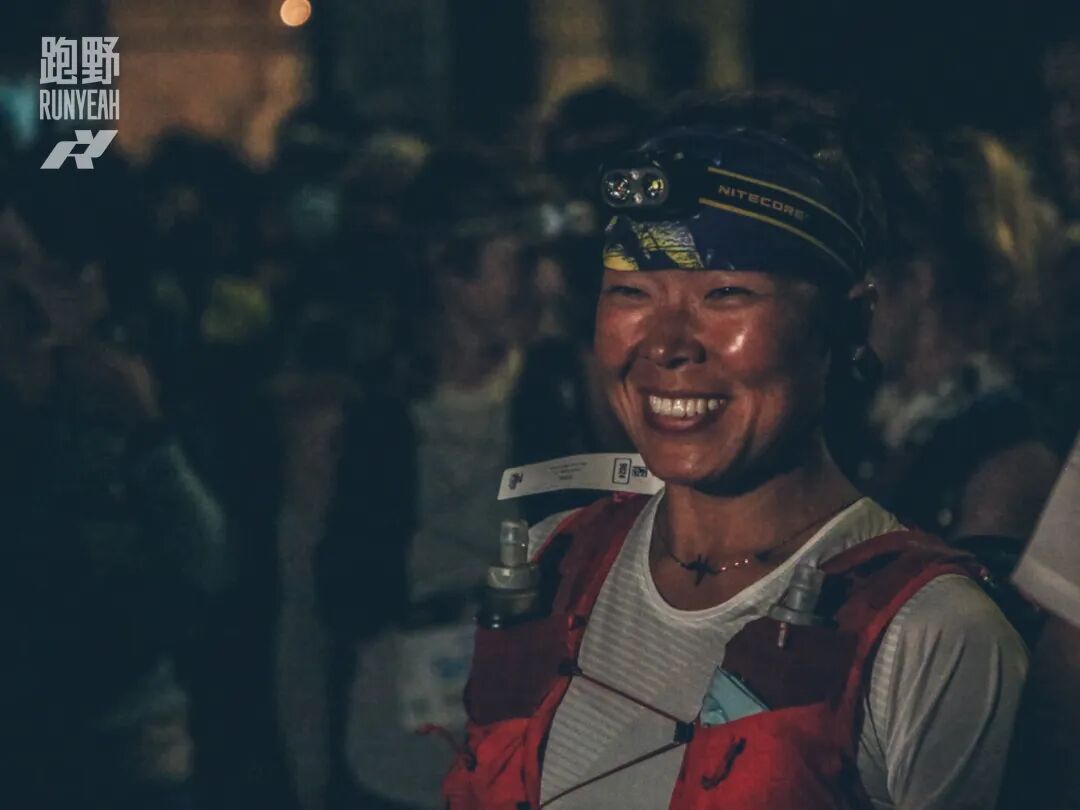
In 2022 Xie Wenfei (Seyu) broke through strongly and created a new chapter in Chinese women's TDS history.
Xie Wenfei produced steady output throughout, resisting the fatigue of long-distance trail running and day-night temperature swings, and finished in an excellent 26:05:10—7th in the women's field and 39th overall, also taking first in her age group.
This was the first time a Chinese woman entered the women's top ten on the upgraded, higher-difficulty TDS course, dramatically improving Chinese women's TDS finishing times and ranking records.
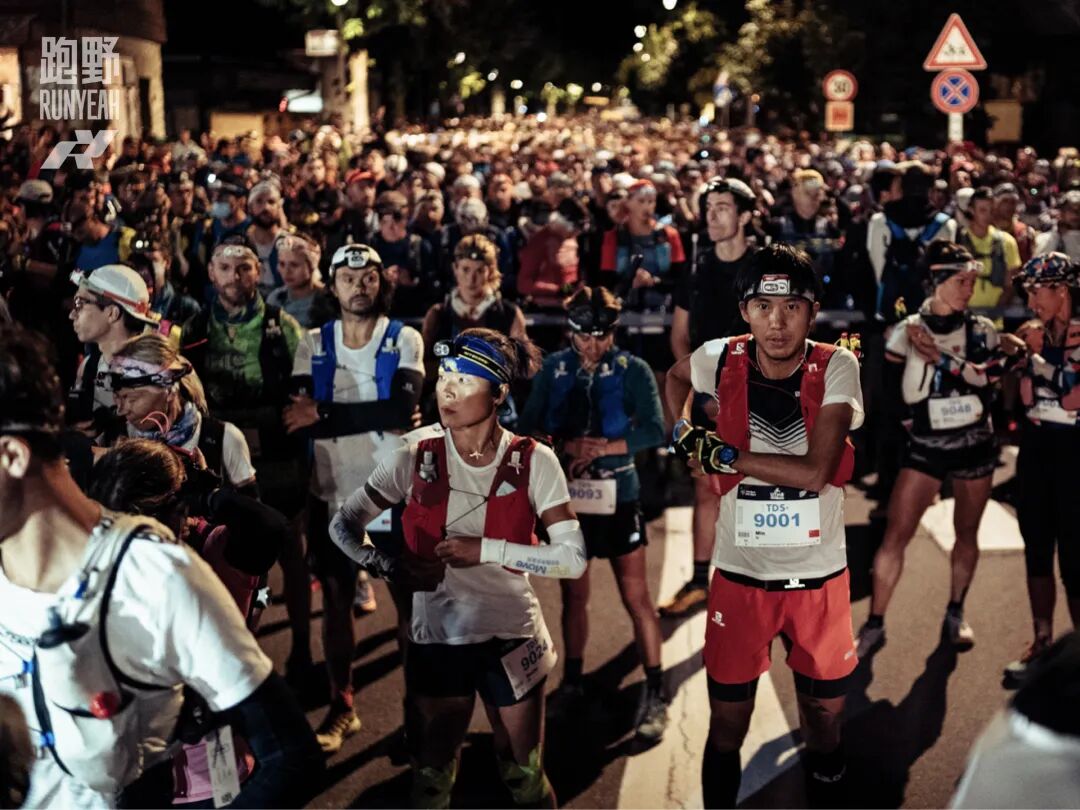
That same year there was some regret: Qi Min started in great form and stayed with the leading pack for long stretches—leading several checkpoints—but at 99 km was forced to withdraw due to heat illness, leaving peak form unfulfilled and prompting reflection among many trail runners.
In 2023 newcomers began to emerge. Chinese runner Shang Xueer made her TDS debut, enduring multiple difficult sections and pressing on despite mid-race injury; she finished in 29:28:48 for 13th in the women's field, becoming that year's first Chinese mainland woman to finish.
At the same time veteran Xing Ruling again raced TDS, completing in 33:04:34 to place 26th in the women's field and first in her age group. In her fifties and still competing at the top international level, she embodied "trail running knows no age", becoming one of the most moving sights of the year.
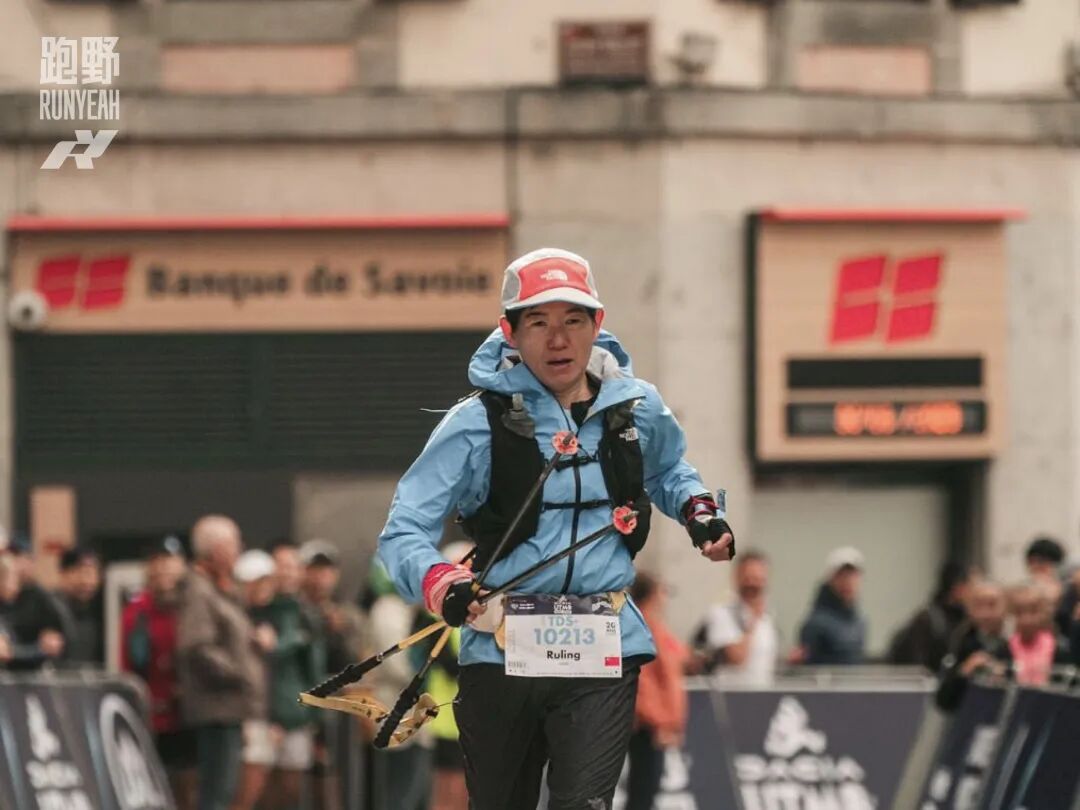
In 2024 the TDS course was slightly adjusted to 148 km with 9,306 m of ascent, keeping the difficulty very high.
Xie Wenfei returned with a more mature race rhythm and preparation system, surpassing herself to finish in 27:35:30—5th in the women's field and once again setting the best-ever TDS result for a Chinese woman.
On the men's side, Li Zairan maintained his own pace and steadily closed, ultimately arriving in Chamonix in 7th with a time of 21:13:57— the second-best TDS finish by a Chinese man, behind Yun Yanqiao's sixth-place performance.
This year Xie Wenfei, Chen Rongrong and Wu Yongbo will head to TDS together—looking forward to their performances.
[End-of-article interaction]
#Who was the first Chinese runner you know to race TDS?#
Text/Editor: MP
Image source: 跑野大爆炸
Visual: Max