
The howling mountain winds of Chamonix witness legends born every August.
But 2026 is destined to be written into the history of trail running — not because a superstar defended a title, but because a new dynasty began and the Grand Slam was completed...
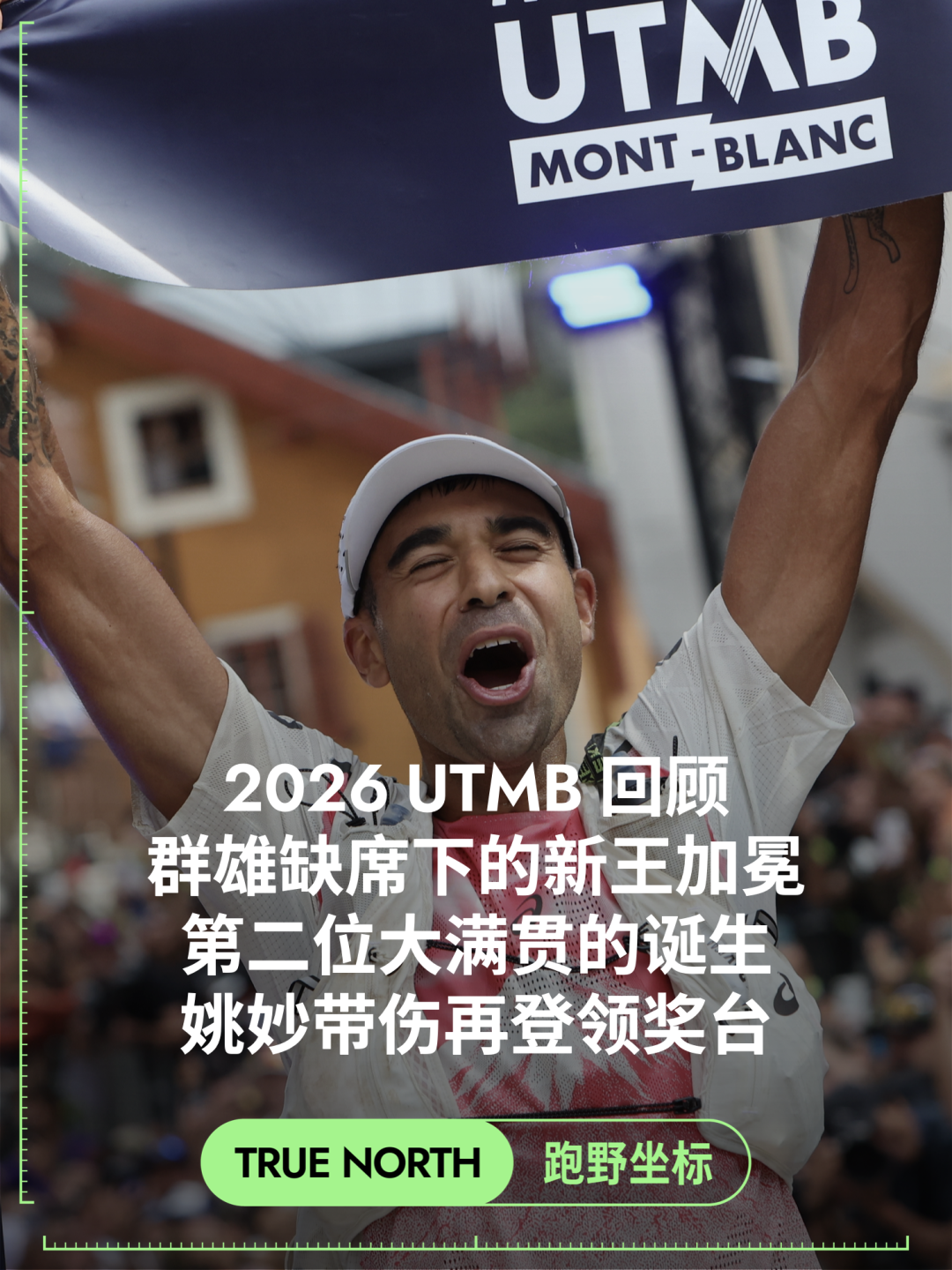
When American Ben Dhiman crossed the line and the clock read 18:16:29, humanity for the first time on the UTMB course had broken the 19‑hour barrier.
French runner Blandine L'Hirondel, despite setbacks mid‑race, still won the UTMB category by a 30‑minute margin, becoming the second athlete after Ruth Croft to complete the UTMB Grand Slam (OCC, CCC, UTMB).
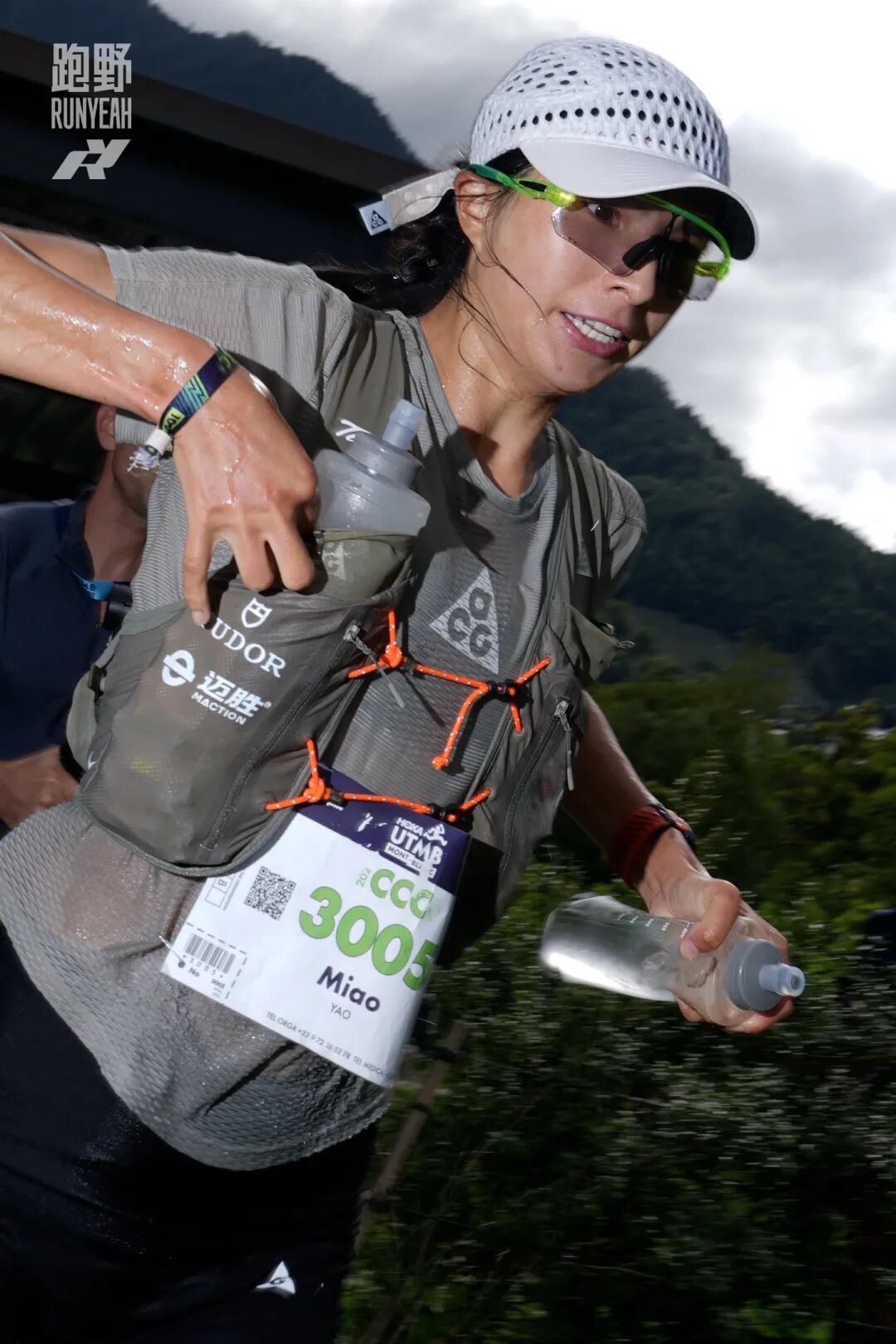
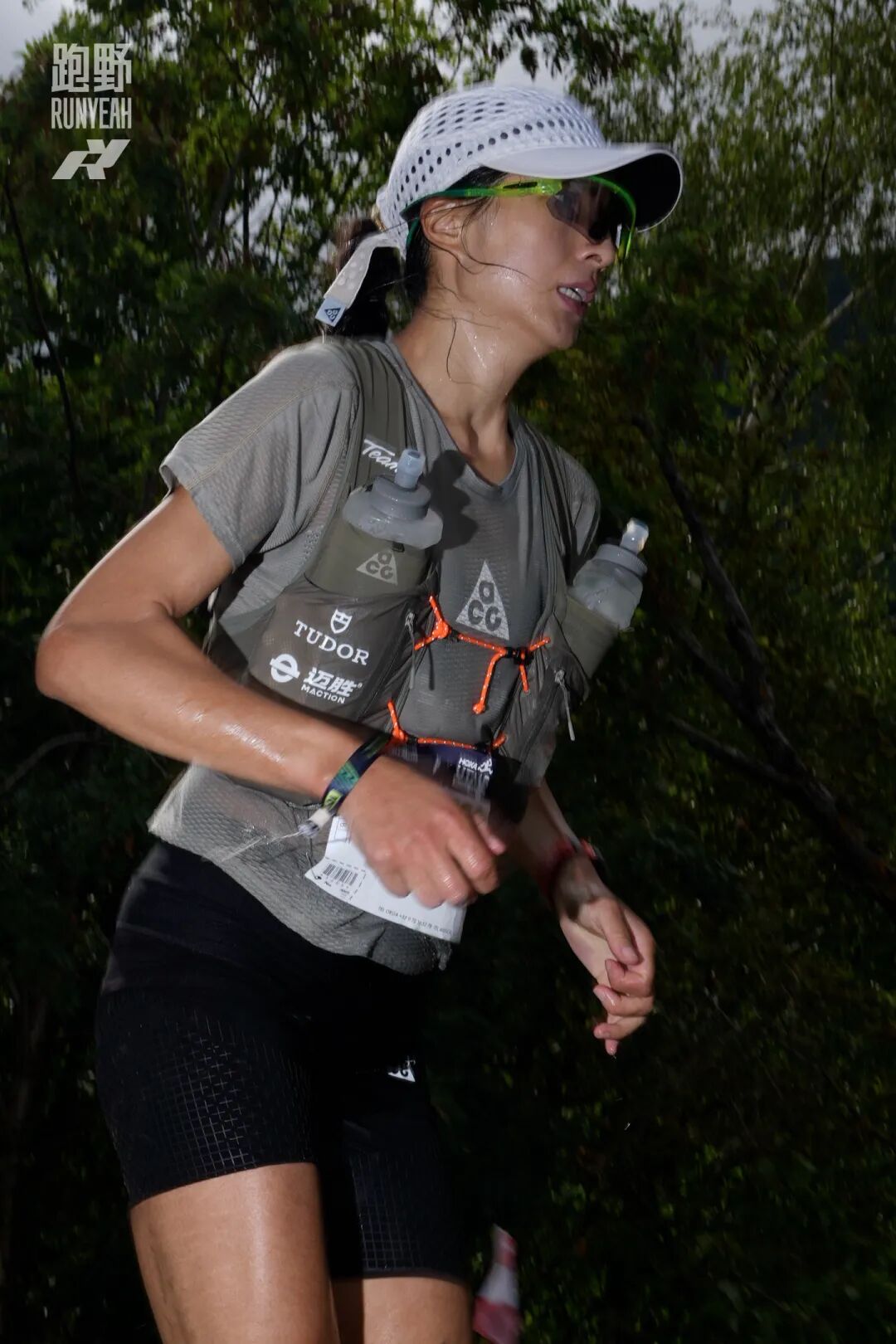
Yao Miao, running through knee pain, again stood on the CCC podium and took third place.
01
A wave of star withdrawals
Under this year's UTMB spotlight, a "wave of withdrawals" became a significant signal even before the race began.
Kilian Jornet, Jim Walmsley and last year's champion Tom Evans were all absent, leaving the men's field seemingly leaderless even before the start. Last year's women's champion Ruth Croft also unfortunately announced two days before the race that she would withdraw from her title defense due to injury.
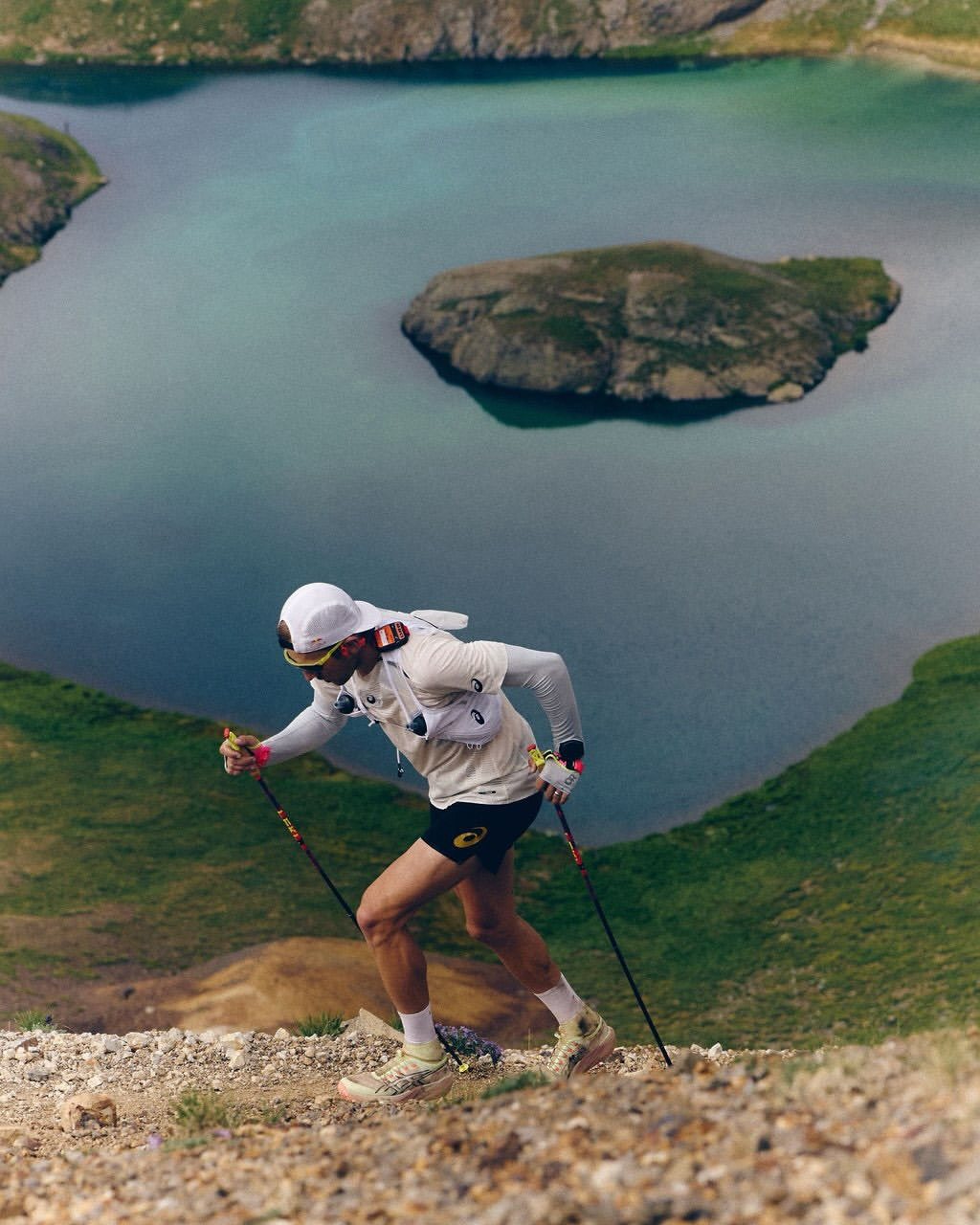
©Tom Evans
The absence of stars opened the stage for later legends and set a tone of uncertainty from the outset for this Alpine celebration.
With the 'Hall of Heroes' empty, who will step into it?
02
Want to dominate the Western States 100 and UTMB?
Reality is harsh
Vincent Bouillard and Francesco Puppi — two athletes who broke course records this year — were unable to show their usual form at UTMB and both fell short.
Vincent Bouillard DNF'd early in UTMN, and Francesco Puppi, even when revisiting the OCC course, could not crack the top five.
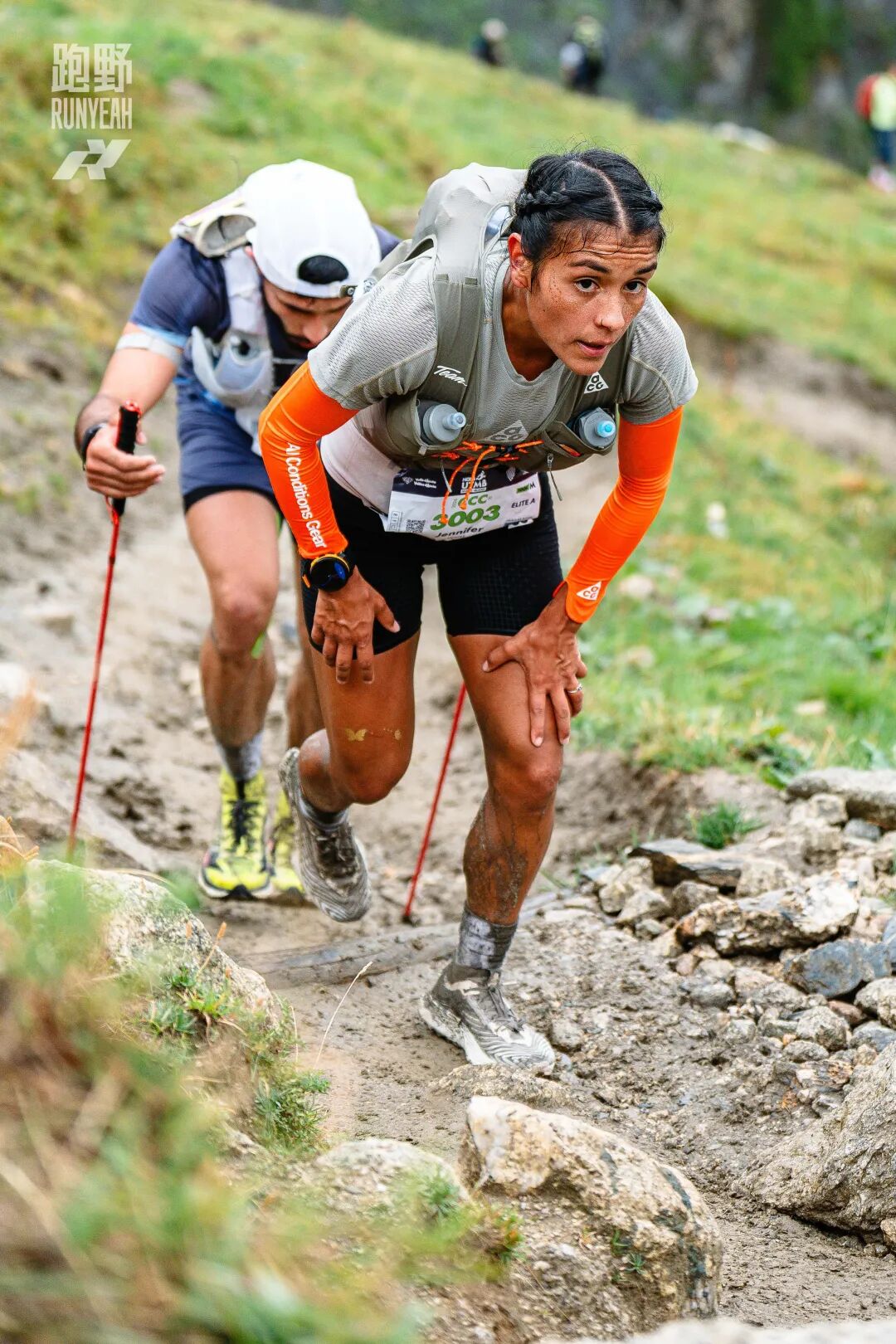
Jennifer Lichter, who won the Western States 100 women's title on her debut, finished fourth in the women's field in CCC — but she was never really in contention for the win. Riley Brady, who finished second there, placed 13th at UTMB.
03
After course changes,
UTMB welcomes its first sub‑19‑hour finisher
Although the race's start was delayed and the route slightly adjusted for weather (avoiding the Pyramides — Calcaires section), those changes mean it won't count as an official course record.
But Ben Dhiman's 18:16:29 was still jaw‑dropping. He became the first person to break the 19‑hour barrier on UTMB, and the second American man to win UTMB after Jim Walmsley.
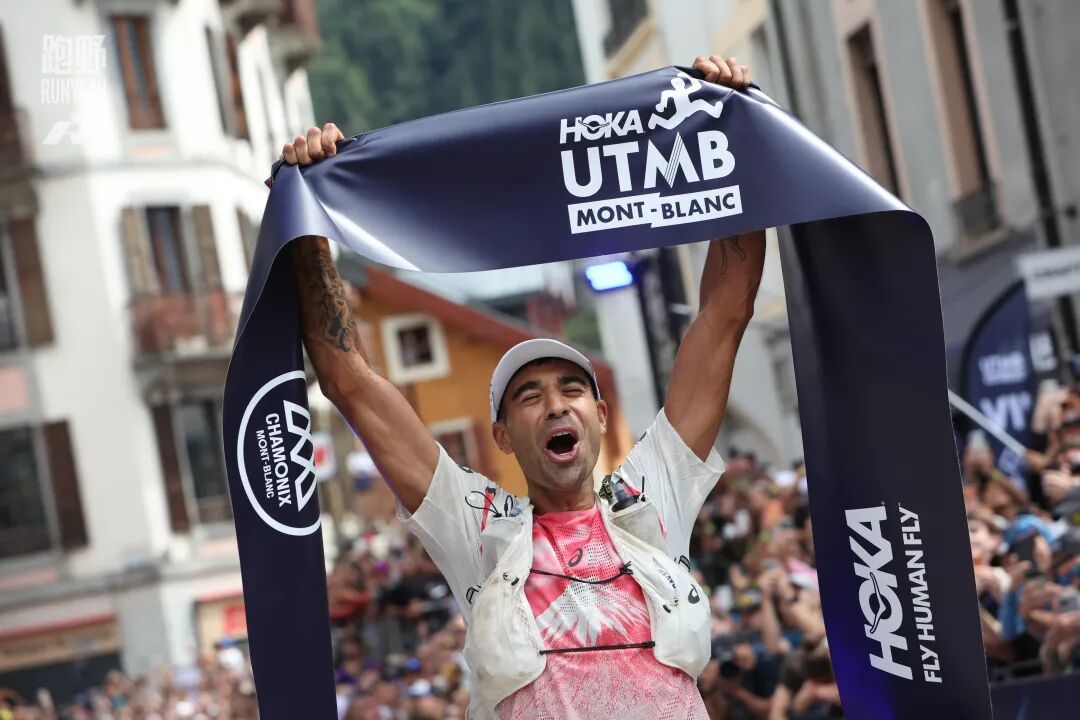
Even more startling: Ben Dhiman himself believed he had conserved energy. If Baptiste Chassagne and Caleb Olson had pushed a bit harder, he might have increased the pace — and a sub‑18 might not have been out of the question.
Of course, second and third also finished inside 19 hours.We must admit: UTMB has evolved from a test of endurance and survival into a 170km long‑distance ultramarathon.
For athletes, the margin for error in today's ultra‑distance trail races is shrinking.
04
Another Grand Slam legend —
turns out to be a French OB‑GYN
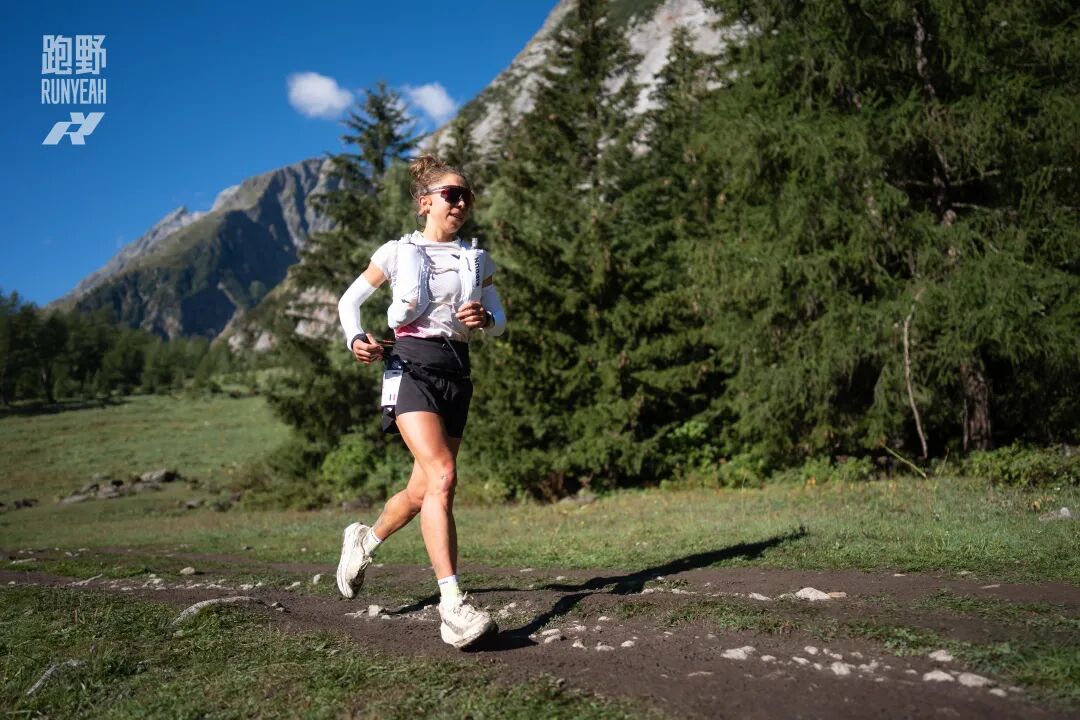
When Blandine L'Hirondel crossed the Chamonix finish line, we witnessed another legend: she became the second trail runner after Ruth Croft to complete the UTMB Grand Slam.
05
Is there a European vs. American style to trail running?
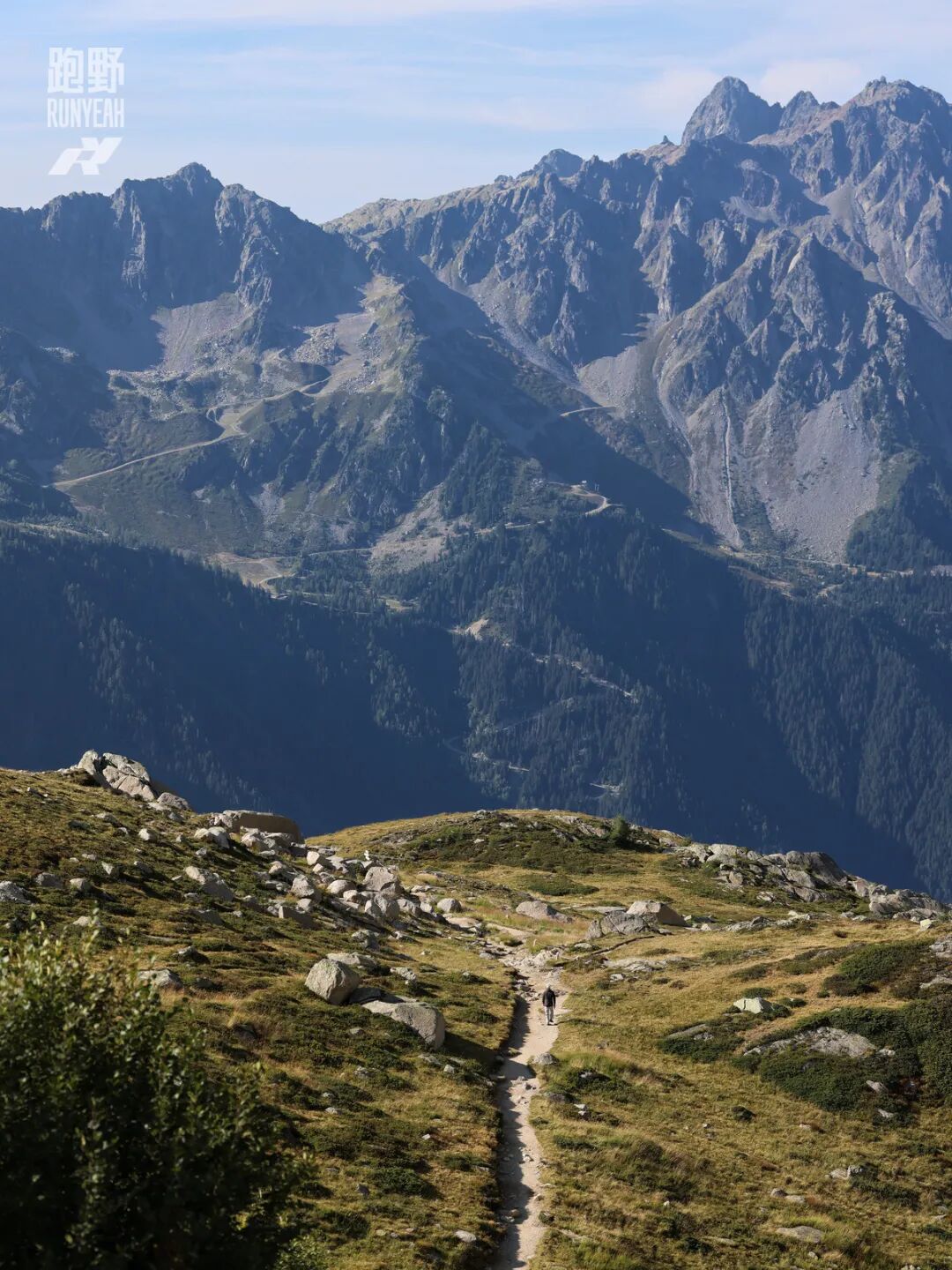
Finding the balance is key
06
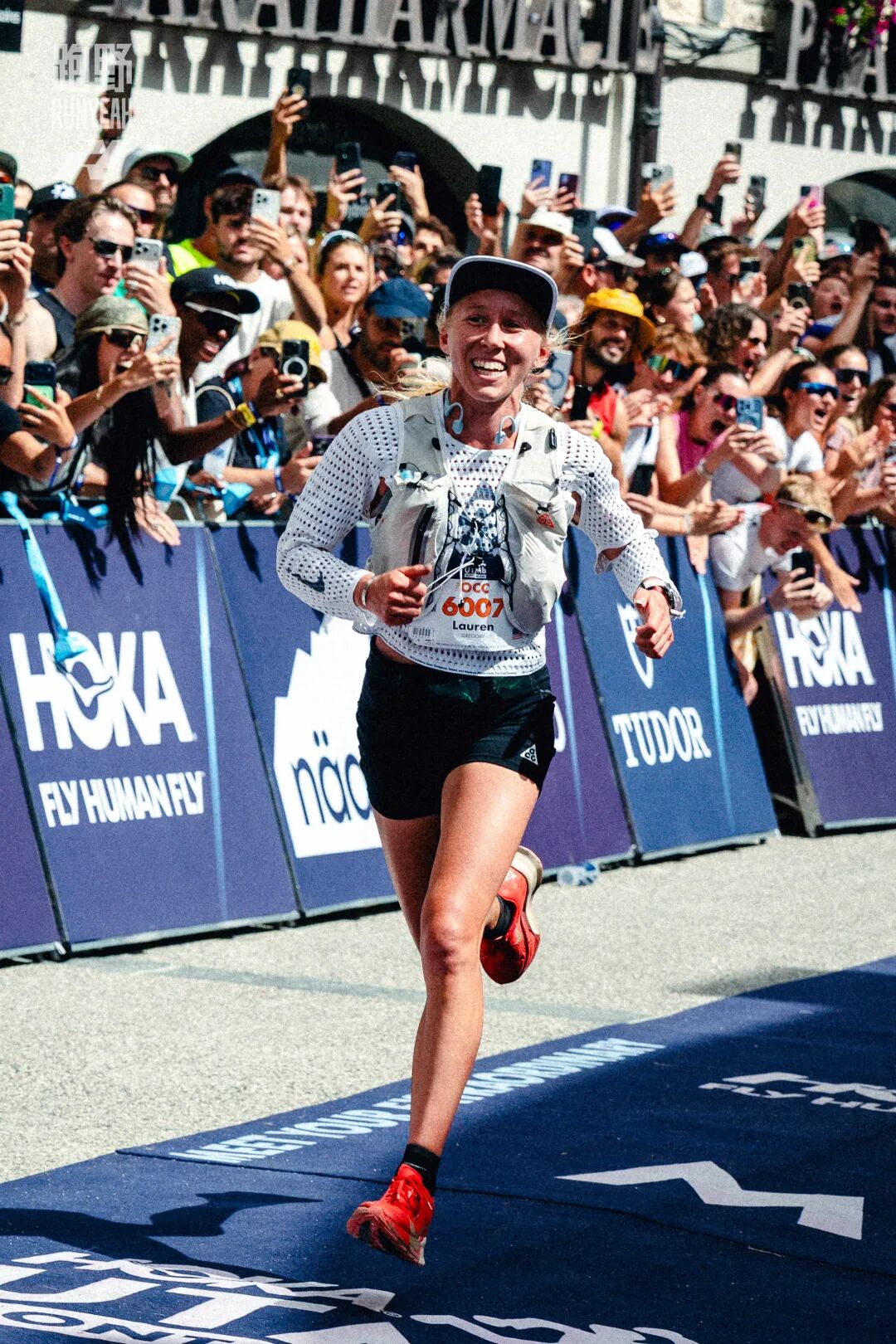
The OCC's '3‑second sprint to decide the win'
07
East African forces are beginning to rise at UTMB
Although more East African athletes have been emerging in trail races in recent years, these marathon‑type East Africans have mostly competed in shorter races, such as the Golden Trail Series.
In races over 50km like OCC, it's still rare to see East African athletes in the top three (last year Joyline Chepngeno was excluded due to a failed doping test and is not counted).
However, Kenyan Nashon Kiplimo changed that narrative by taking the men's runner‑up spot on this year's near‑60km OCC course — the longest race he has run in his career so far.
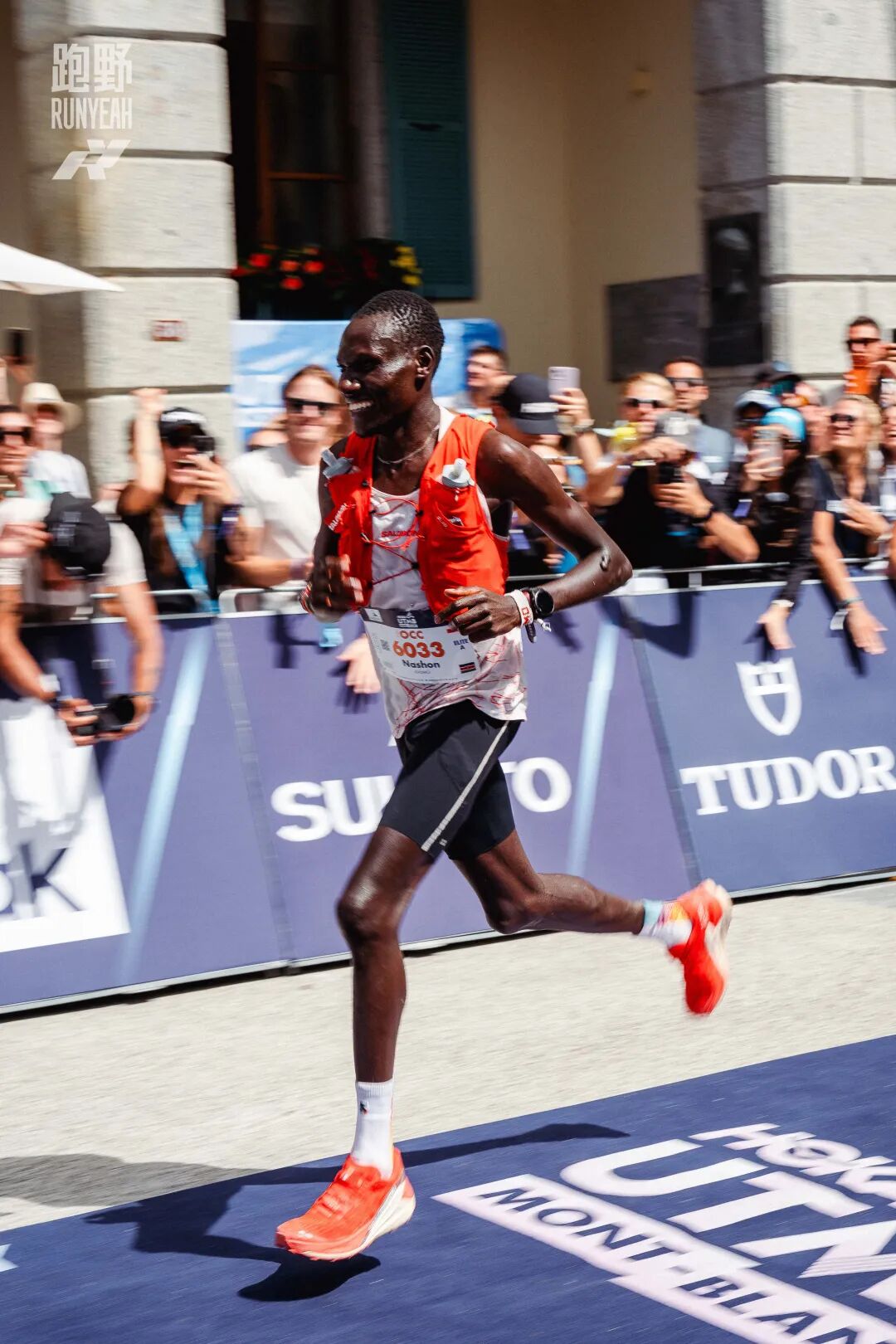
Nashon Kiplimo's success has, to some extent, challenged the stereotype that East African athletes can't perform well in long‑distance trail races.
With targeted uphill and downhill training, East African athletes have a strong chance to show greater dominance in 50km‑type trail races in the future.
08
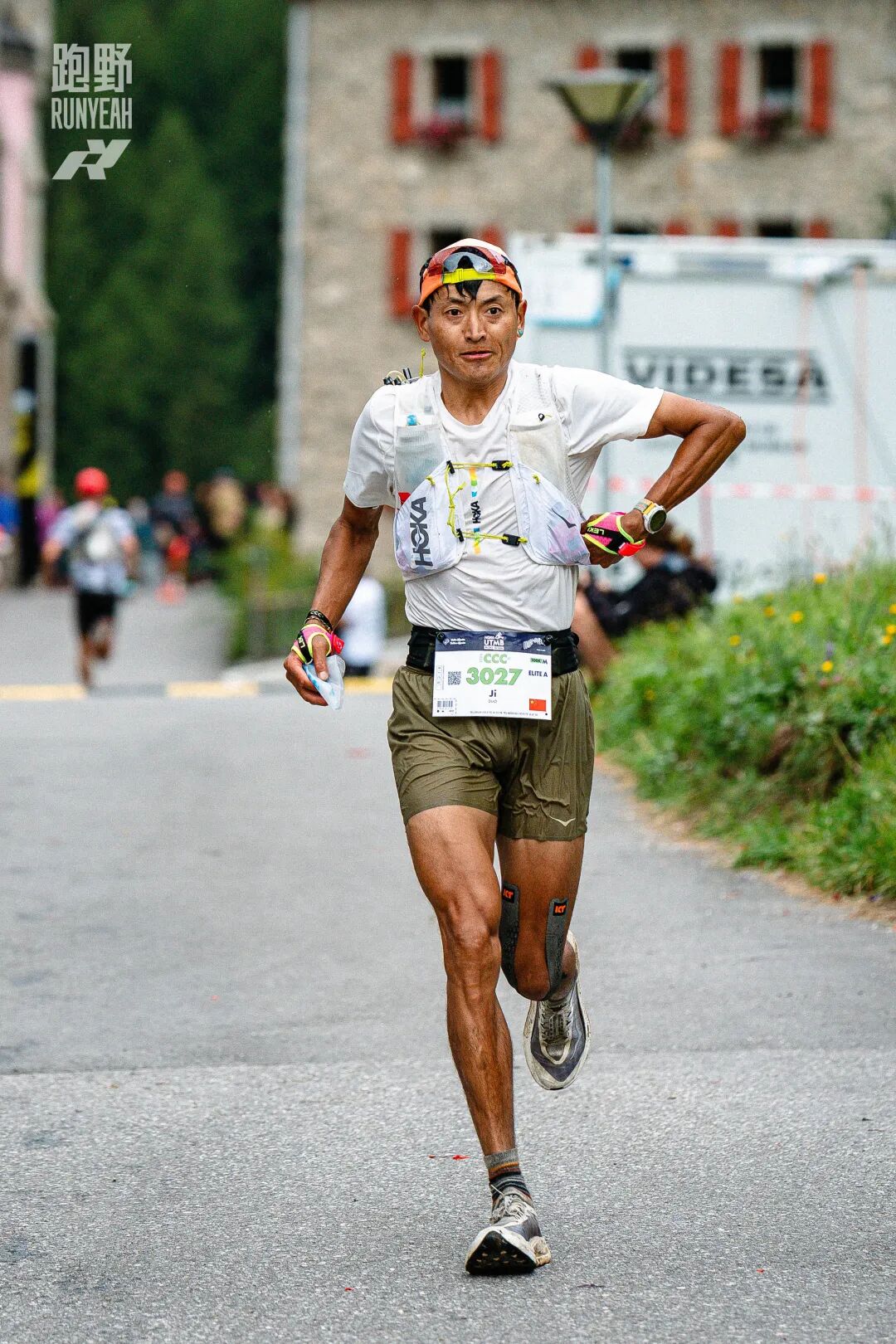
Yao Miao returns to the podium,
and China's speed at the CCC distance
09
When will our country's trail running
move from 'having stars' to 'being strong overall'?
When attention shifts from the podium to all trail runners, the data reveals another side.
China doesn't lack top 10% world‑class athletes, but the next 25% constitute a 'participation backbone' making up 39%–49%, creating a 'dumbbell‑shaped' distribution.
The thinness of China's mid‑tier trail‑running depth is greatly magnified at UTMB.
The finish rate plunges to 58.9%, mainly due to missed cutoffs. China's rate of missing cutoffs is 18.9% — nearly three times that of non‑Chinese groups. Runners often find themselves 'still able to move, but unable to maintain the cutoff pace.'
At UTMB, withdrawals clustered in the Italian section between 67–104km — after a long descent immediately followed by a climb — which is precisely our weakness in specific skills.
From OCC and CCC to UTMB, what increases is not only distance but also the complexity of energy and nutrition management. Shen Jiasheng's DNF despite being in the top 20 in the first half of UTMB is a telling snapshot.
In the future, only when the 25%–50% 'mid‑tier' thickens will Chinese trail running be able to move from 'having a few stars' to 'being competitively strong overall'.
[End‑of‑article interaction]
Text/Editor: RUNYEAH/Cavendish
Images: RUNYEAH, Instagram
Visuals: Max