


In summer running, especially in hot and humid areas, clothes can easily become soaked and stick to the body; at that point many runners simply take off their shirts and run bare-chested.
Some think this is the best way to cool down, while others feel wearing a quick-dry singlet is more comfortable. So from the perspectives of body cooling and running performance, does running bare-chested actually have advantages?
Answer: Yes, you can certainly run bare-chested, but “the fewer the clothes, the cooler you will be” isn't entirely true. Ultimately perceived comfort depends on temperature, humidity, solar radiation, wind speed, running intensity, and the clothing itself.
01
The key to cooling is evaporation of sweat
When running, the large amount of energy produced by the muscles is ultimately released as heat. To prevent core body temperature from continuously rising, the body increases skin blood flow and produces a lot of sweat.
At this point, the body's cooling relies on the heat carried away during sweat evaporation. Therefore, whether you feel cool depends on whether that sweat actually evaporates.
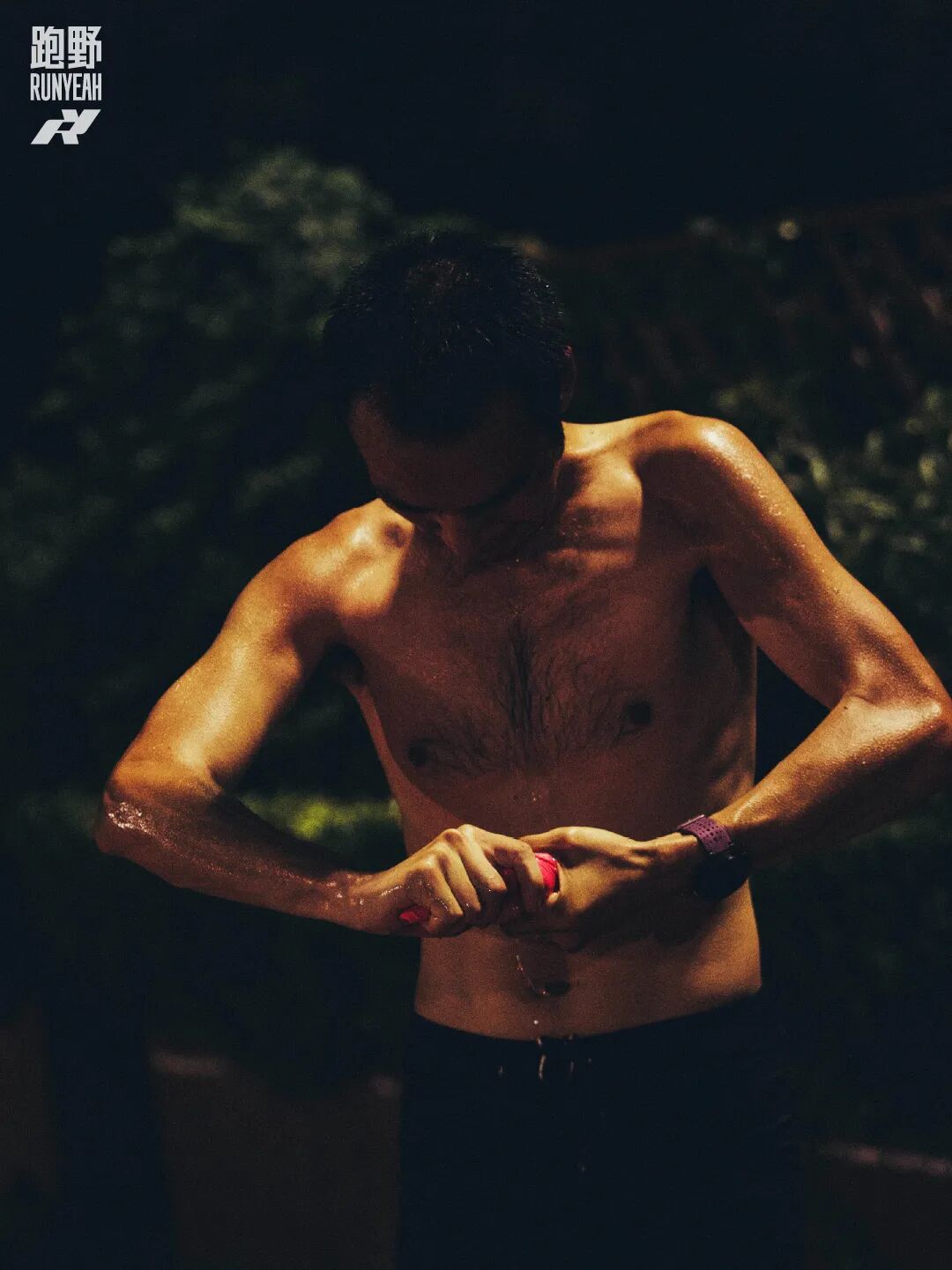
If the air is dry and there's wind, sweat evaporates smoothly and the skin exposed after going bare-chested can indeed feel fresher; but in high-humidity environments, where the air is already near saturation, even if you remove your shirt sweat can't evaporate easily and the perceived comfort won't improve.
That's why during the plum-rain season, in coastal cities, or on hot windless nights, even if you run bare-chested you still feel like you're soaked. The problem isn't the clothing, it's that evaporative cooling itself is no longer effective.
02
Do clothes hinder heat dissipation?
Although sweat evaporation is closely related to the environment, it also depends to some extent on what we wear while running. A heavy cotton T-shirt that clings to the skin after absorbing sweat can indeed increase feelings of stuffiness; but a lightweight, breathable, loose-fitting running top doesn't necessarily interfere noticeably with thermoregulation.
Research has found that fabrics and garment structures affect thermal comfort, skin wetness, and heat exchange; in other words, clothing is not the enemy of heat dissipation.

Appropriate sportswear can move sweat away from the skin surface, increasing the evaporation area and preventing wet clothing from repeatedly rubbing the skin. Especially when it's windy, a lightweight top doesn't necessarily make you noticeably hotter.
So for most recreational runners, the difference between running bare-chested and wearing a suitable quick-dry singlet is mostly a matter of subjective comfort,If you're taking off your shirt solely to "improve running performance," you shouldn't expect much.
03
Environment matters for running bare-chested too
If you're running at dawn, dusk, or where there's no direct sunlight, running bare-chested is mainly a comfort issue; but if you're running at midday in summer, it's not just about whether you're hot.
A shirt itself is also a layer of sun protection. The World Health Organization recommends taking protective measures when the UV index reaches 3 or above, emphasizing shade, clothing, and sunscreen as important ways to reduce UV exposure. The U.S. CDC also notes that during outdoor exercise, covering skin with clothing and using sunscreen can reduce excessive UV exposure.

After going bare-chested, large areas of skin such as the shoulders, chest, back and waist are directly exposed to sunlight. If you're running for an hour or two at long distances, cumulative UV exposure can be considerable. Therefore under strong sunlight it's still advisable to wear a lightweight, breathable, sun-protective top to avoid prolonged large-area exposure to UV.
But running bare-chested isn't without advantages in some situations—especially since soaked clothing increases friction against the skin, which on long runs, in rain, or in high humidity can easily chafe or even break the skin. For people prone to this problem, running bare-chested may indeed be more comfortable.
04
When is it appropriate to run bare-chested?
If the weather is hot but the sun isn't strong, the route is safe, the venue allows it, and you personally feel more comfortable bare-chested, it's perfectly fine to run that way.
If you're running for a long time under intense midday sun, or you easily sunburn, it's better to wear a lightweight, breathable sun-protective top; if you need to carry a backpack, vest, or hydration pack, you should also prioritize minimizing friction.

When entering gyms, commercial venues, school tracks, or participating in official events, you must follow venue and race dress codes. Public spaces are not only training grounds but also places for others to carry out normal activities. Whether you can go bare-chested is sometimes not a question of sports science but of venue rules and social norms. While considering your own comfort, also take the occasion into account.
So running bare-chested can effectively reduce sticky clothing and chafing in some cases, and make you feel more comfortable when it's windy and humidity is low.
The real issue when running in summer is improving the body's heat dissipation efficiency,If removing your shirt lets you run more comfortably, then it's an appropriate choice; if you need sun protection or are constrained by public settings, a lightweight quick-dry top won't hold back your training either.
[End-of-article interaction]
# Do you think running bare-chested in summer helps improve comfort?#
Text/Editor: Paoye/JOJO
Image source: Paoye Big Bang
Visuals: Max